A new pair of insoles can make favorite shoes feel suddenly snug. An insole takes up room, so the fit changes, and a few minutes of checking will tell you whether the pair…
A new pair of insoles can make favorite shoes feel suddenly snug. An insole takes up room, so the fit changes, and a few minutes of checking will tell you whether the pair…
Thin soles, a flat footbed and room for your toes to spread can make an ordinary walk feel new. That change asks more of your feet and calves than it first seems to, and…
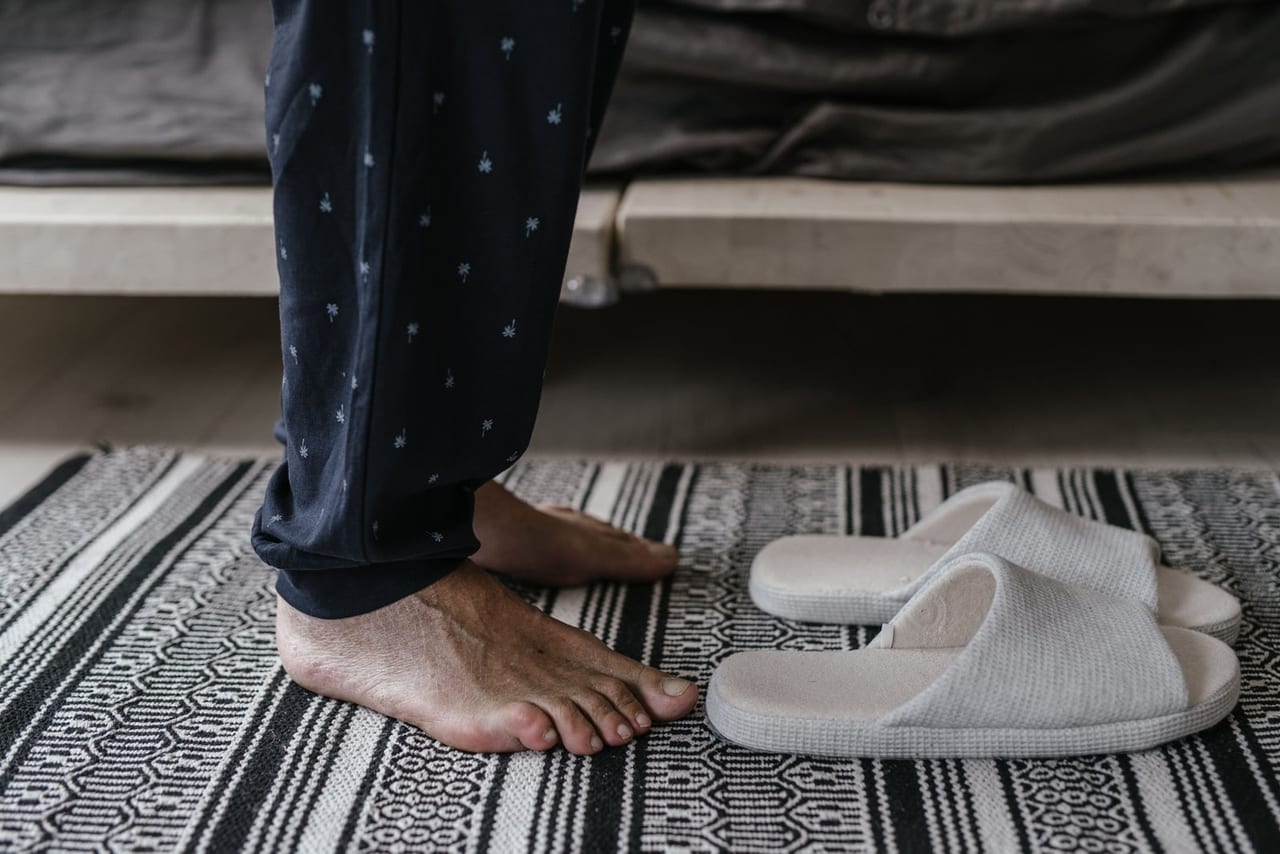
Going barefoot at home suits plenty of people, but hard floors, sore heels, slippery socks and steep stairs can make a good case for something on your feet. The right pair is…
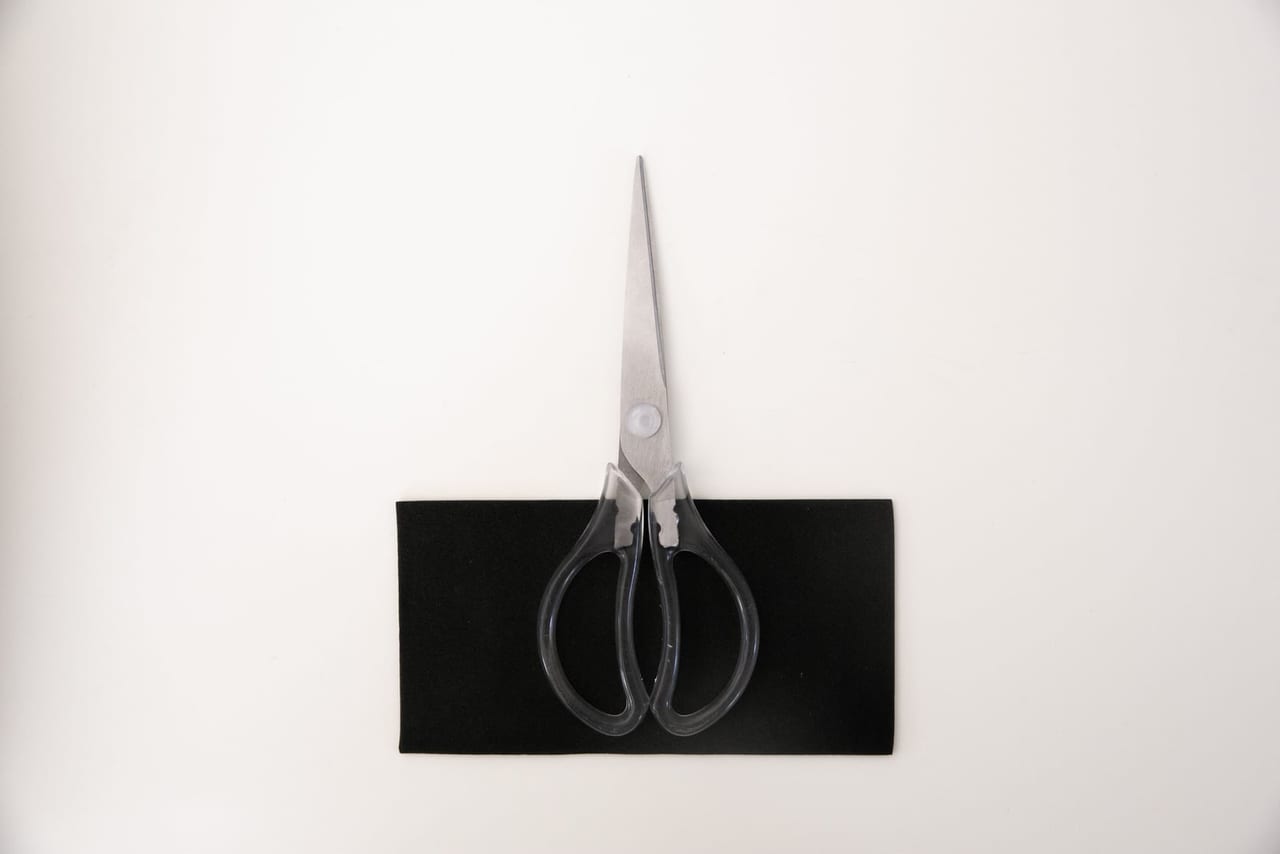
Trim-to-fit insoles come in a few broad sizes, so they often need a little cutting to match your shoe. With a pen, sharp scissors and about 15 minutes, you can get a flat,…
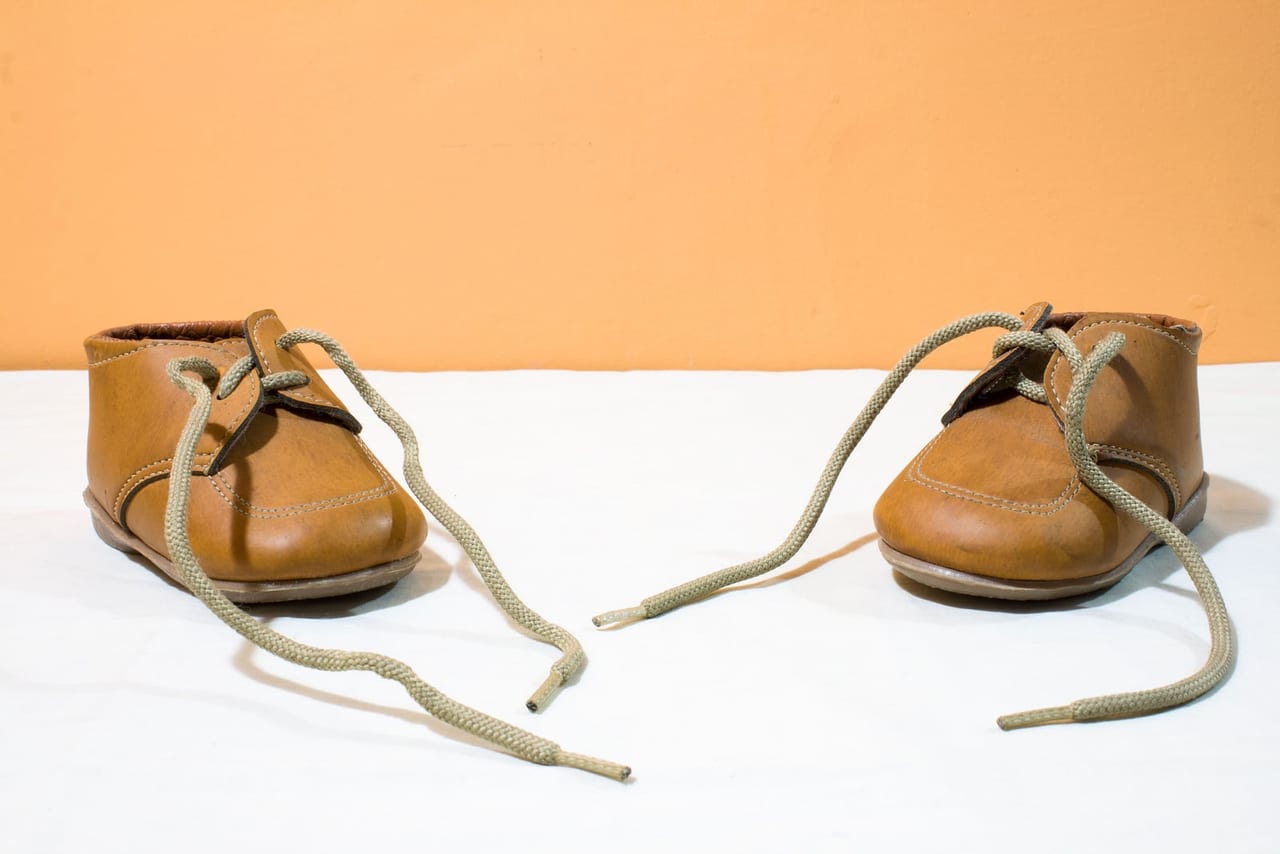
A pair of kids' shoes can go from roomy to tight in a few months, and the change rarely comes with a complaint. Fitting kids' shoes well comes down to a few checks an adult…
On a wet kitchen floor or a newly mopped corridor, much of your footing comes down to your soles. Whether a pair grips or skates depends on a few details in the rubber and…
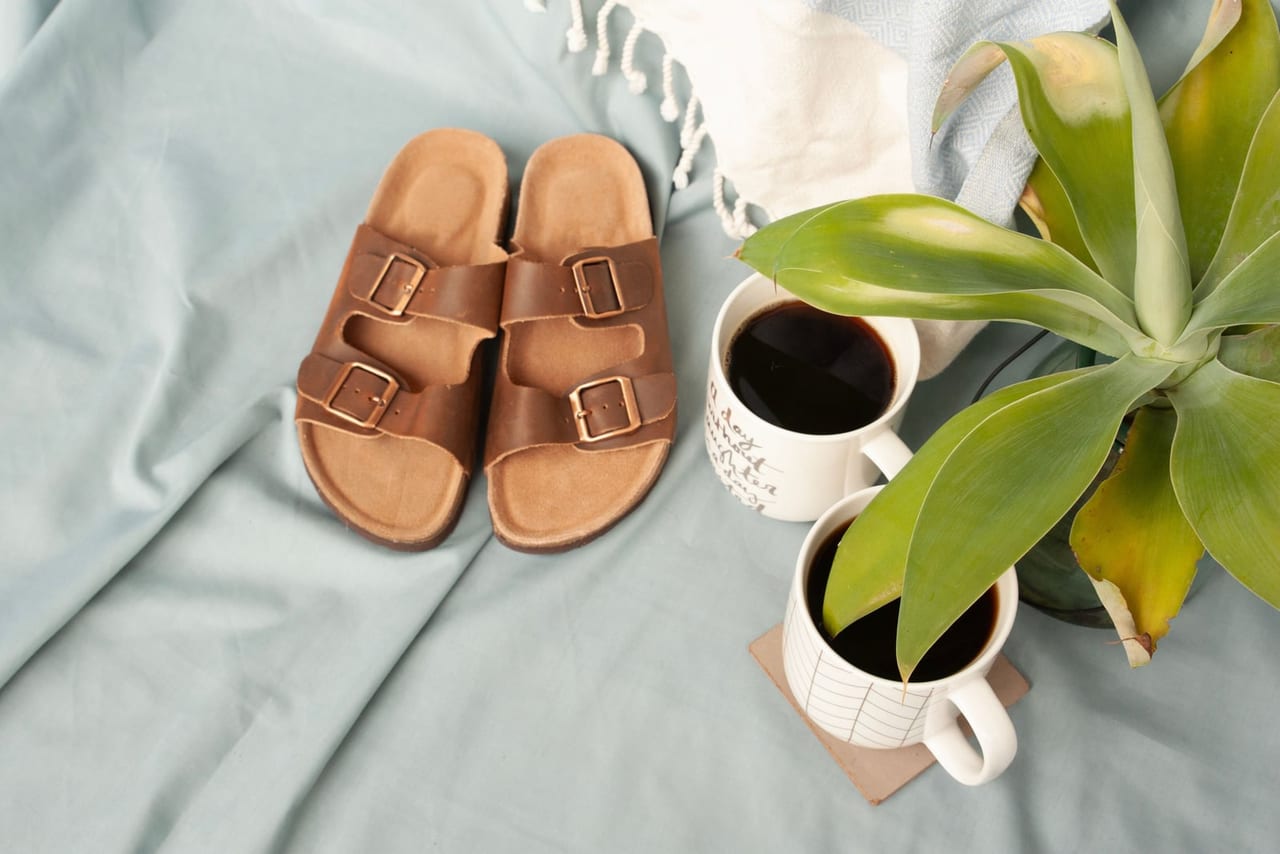
With no upper and often no laces, a sandal relies on its footbed and straps to hold your foot. The differences between pairs are easy to feel in a minute, and easy to miss in…
New insoles can feel strange at first, especially if your old ones were thin and flat. A slow first week gives your feet time to adjust, and makes a real fit problem easier…
When your job keeps you standing all day, the insoles in your shoes take the weight of every hour. That makes them worth choosing with the same care as the shoes.
A dress code can call for a raised heel, a narrow toe or a stiff leather sole that feet wouldn't pick for themselves. How much of that you feel depends on the shape of the…
Running shoes come with their own vocabulary, and it can make a simple choice feel technical. Under the labels, it comes down to fit and feel, and your feet can judge both.
Laces are the part of a shoe's fit you can change in seconds. Laced with a little thought, they can hold your heel in place and still leave the top of your foot room through…
A pair of shoes gets about five minutes of your attention in the store and then years of your weight. How you spend those minutes decides most of what the pair feels like on…
A trail asks things of a shoe that a sidewalk never does: loose rock, wet roots, a pack and a long way down. The right pair depends less on how sturdy it looks than on where…
The right insole depends less on the insole than on your day and your shoes. Cushioning, support, full length or partial: each suits a different kind of day.
Shoes that pinch across the ball of the foot, or leave a red mark on the little toe by afternoon, are often the right length and the wrong width. Wide feet have more options…
The size you've worn for years may no longer be the size of your feet. With paper, a pen and a ruler, you can measure both feet at home in about ten minutes.
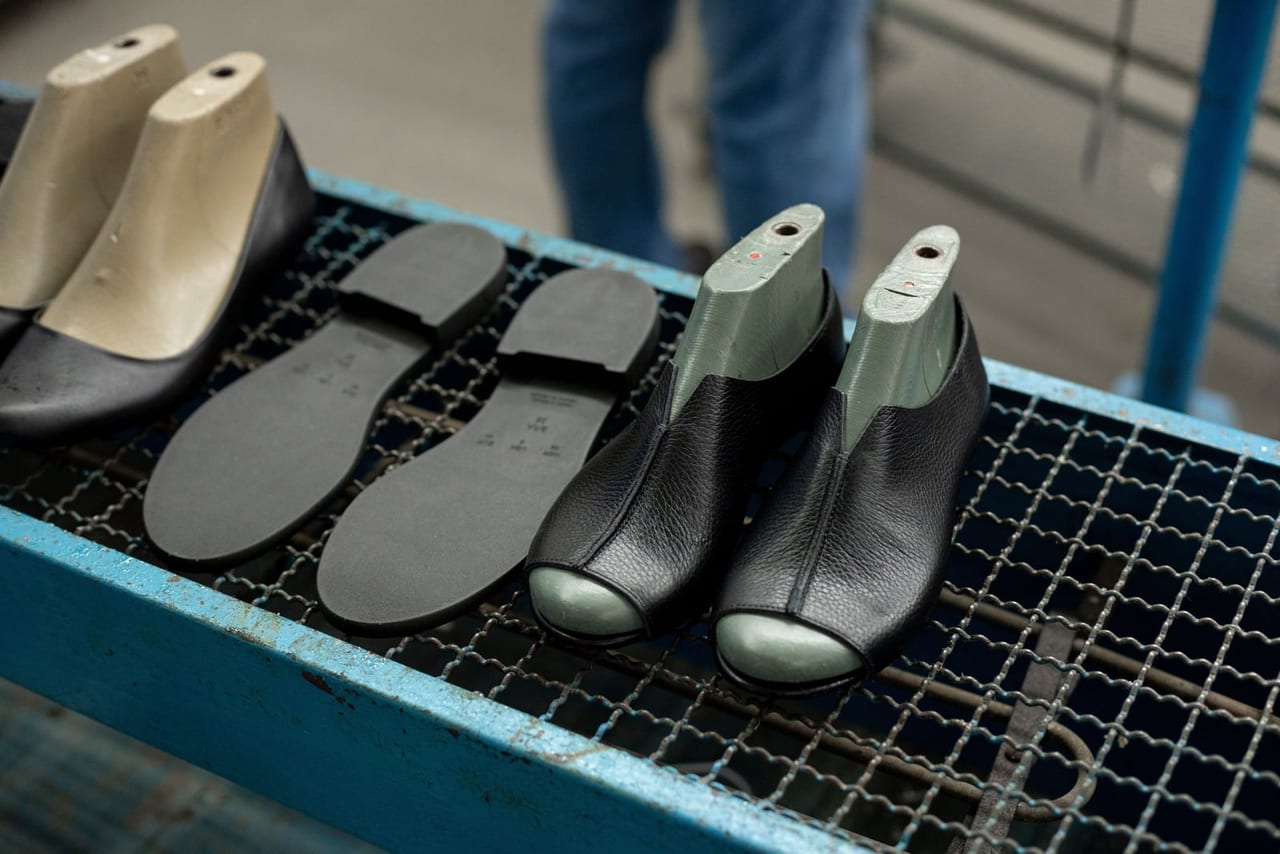
A shoe looks like a single object, but it's closer to a dozen small parts that each have a job. Once you can name them, it gets easier to see why one pair fits and another…
Thin soles, a flat footbed and room for your toes to spread can make an ordinary walk feel new. That change asks more of your feet and calves than it first seems to, and…
Going barefoot at home suits plenty of people, but hard floors, sore heels, slippery socks and steep stairs can make a good case for something on your feet. The right pair is…
Trim-to-fit insoles come in a few broad sizes, so they often need a little cutting to match your shoe. With a pen, sharp scissors and about 15 minutes, you can get a flat,…
A pair of kids' shoes can go from roomy to tight in a few months, and the change rarely comes with a complaint. Fitting kids' shoes well comes down to a few checks an adult…
On a wet kitchen floor or a newly mopped corridor, much of your footing comes down to your soles. Whether a pair grips or skates depends on a few details in the rubber and…
With no upper and often no laces, a sandal relies on its footbed and straps to hold your foot. The differences between pairs are easy to feel in a minute, and easy to miss in…
New insoles can feel strange at first, especially if your old ones were thin and flat. A slow first week gives your feet time to adjust, and makes a real fit problem easier…
When your job keeps you standing all day, the insoles in your shoes take the weight of every hour. That makes them worth choosing with the same care as the shoes.
A dress code can call for a raised heel, a narrow toe or a stiff leather sole that feet wouldn't pick for themselves. How much of that you feel depends on the shape of the…
A new pair of insoles can make favorite shoes feel suddenly snug. An insole takes up room, so the fit changes, and a few minutes of checking will tell you whether the pair…
Thin soles, a flat footbed and room for your toes to spread can make an ordinary walk feel new. That change asks more of your feet and calves than it first seems to, and…
Going barefoot at home suits plenty of people, but hard floors, sore heels, slippery socks and steep stairs can make a good case for something on your feet. The right pair is…
Trim-to-fit insoles come in a few broad sizes, so they often need a little cutting to match your shoe. With a pen, sharp scissors and about 15 minutes, you can get a flat,…
A pair of kids' shoes can go from roomy to tight in a few months, and the change rarely comes with a complaint. Fitting kids' shoes well comes down to a few checks an adult…
On a wet kitchen floor or a newly mopped corridor, much of your footing comes down to your soles. Whether a pair grips or skates depends on a few details in the rubber and…
With no upper and often no laces, a sandal relies on its footbed and straps to hold your foot. The differences between pairs are easy to feel in a minute, and easy to miss in…
New insoles can feel strange at first, especially if your old ones were thin and flat. A slow first week gives your feet time to adjust, and makes a real fit problem easier…
When your job keeps you standing all day, the insoles in your shoes take the weight of every hour. That makes them worth choosing with the same care as the shoes.
A dress code can call for a raised heel, a narrow toe or a stiff leather sole that feet wouldn't pick for themselves. How much of that you feel depends on the shape of the…
Running shoes come with their own vocabulary, and it can make a simple choice feel technical. Under the labels, it comes down to fit and feel, and your feet can judge both.
Laces are the part of a shoe's fit you can change in seconds. Laced with a little thought, they can hold your heel in place and still leave the top of your foot room through…
A pair of shoes gets about five minutes of your attention in the store and then years of your weight. How you spend those minutes decides most of what the pair feels like on…
A trail asks things of a shoe that a sidewalk never does: loose rock, wet roots, a pack and a long way down. The right pair depends less on how sturdy it looks than on where…
The right insole depends less on the insole than on your day and your shoes. Cushioning, support, full length or partial: each suits a different kind of day.
Shoes that pinch across the ball of the foot, or leave a red mark on the little toe by afternoon, are often the right length and the wrong width. Wide feet have more options…
The size you've worn for years may no longer be the size of your feet. With paper, a pen and a ruler, you can measure both feet at home in about ten minutes.
A shoe looks like a single object, but it's closer to a dozen small parts that each have a job. Once you can name them, it gets easier to see why one pair fits and another…