Morton's Neuroma: Pain in the Ball of Your Foot
A burning or tingling spot behind the toes, or a pebble in the shoe that you can never find, is easy to blame on the shoes. Sometimes the shoes really are part of the story, and so is a small nerve that has very little room to spare.
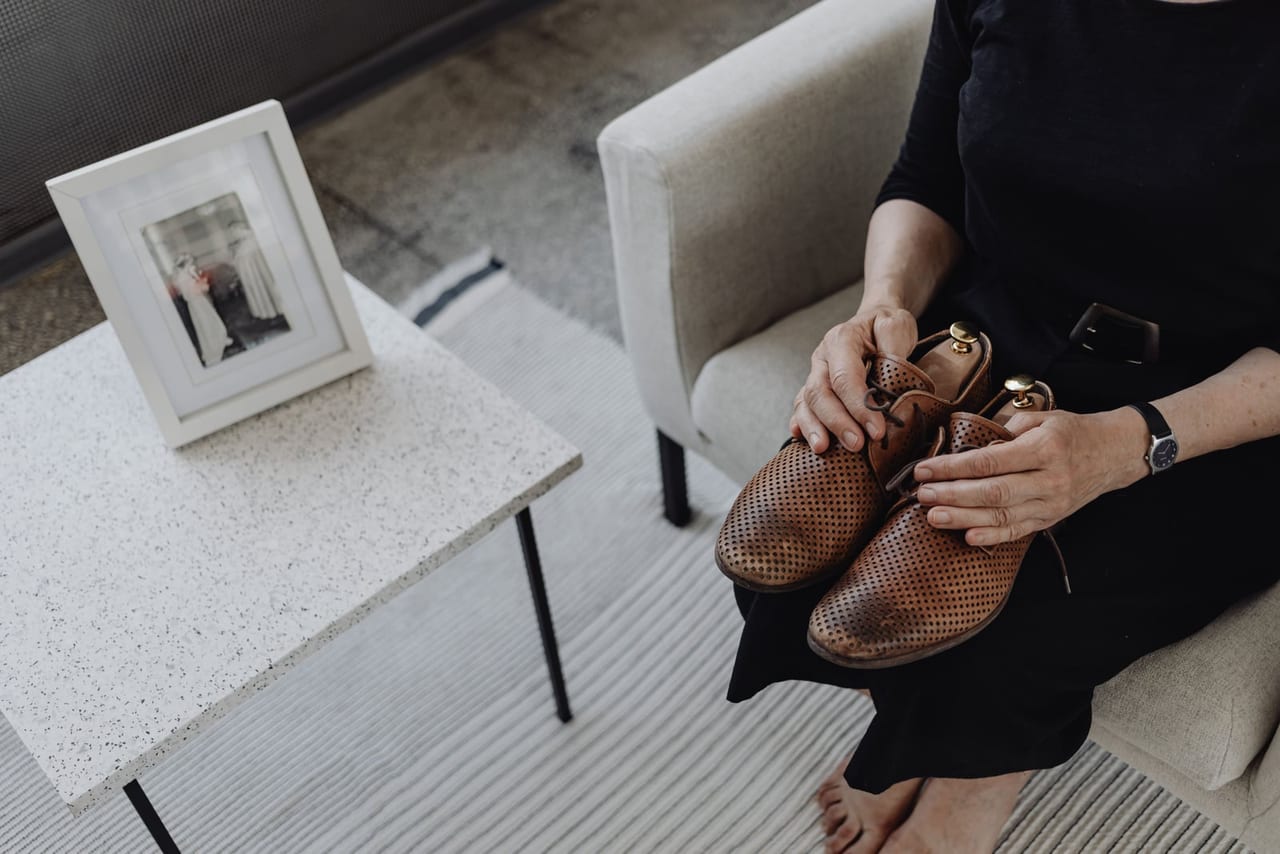
The feeling can start in the afternoon, a few hours into a day in closed shoes. One spot at the front of the foot begins to burn or sting, or it feels as though a sock has bunched up under the toes or a pebble has found its way into the shoe. You slip the shoe off and run a thumb across the sole, and there's nothing there: no stone, no fold, no lump.
A minute of rubbing and the feeling fades, and the same shoes go back on the next morning. Somewhere after lunch the same spot speaks up again. It's easy to wave off, because nothing about the foot looks wrong, but a pebble that isn't there is a fair thing to wonder about.
The short answer
A Morton's neuroma is a thickening of the tissue around a nerve in the ball of the foot, most often the one between the third and fourth toes. It tends to cause burning, stinging or sharp pain under the front of the foot, sometimes with tingling in the toes, and it's usually worse in narrow or high-heeled shoes. Many people give the front of the foot more space, with a roomier toe box, a lower heel and sometimes a soft pad. A healthcare professional can tell what is going on, and it's worth a visit if the burning or tingling lasts longer than a few days, keeps returning or isn't better after about two weeks of changes like these.
What a Morton's neuroma is
The ball of the foot is the padded area just behind the toes, where the long bones of the forefoot end. Small nerves run in the gaps between those bones on their way to the toes, passing under a band of ligament that links the bones near their ends. A Morton's neuroma is a thickening of the tissue around one of these nerves, most often the one between the third and fourth toes.
The name can sound alarming. A neuroma suggests a growth, but this one isn't a cancerous lump, and from the outside there's usually nothing to see, no bump and no change in color. What changes is how the foot feels, which often depends on how tightly the nerve is squeezed.
What it can feel like
People describe sharp, stinging or burning pain under the ball of the foot, often just behind the third and fourth toes and sometimes shooting out into the toes. Tingling or numbness in or between those toes can go along with it. Two comparisons come up often: standing on a pebble or a marble, and a sock bunched up under the toes.
The pattern tells you as much as the sensation. At first the feeling comes only now and then, in narrow shoes or after a long stretch on the feet. Over time it can come more often and last longer, sometimes for days at a stretch, which is why a feeling that keeps returning to the same spot deserves more attention than a one-off twinge.
Why the front of the foot gets squeezed
Why one person gets a Morton's neuroma and another doesn't isn't fully understood. The main idea is pressure: the nerve is squeezed again and again where it passes between the bones, and the tissue around it thickens in response. Once it has thickened there's even less room, so the same squeeze may irritate it further, which fits the way the feeling tends to build over time.
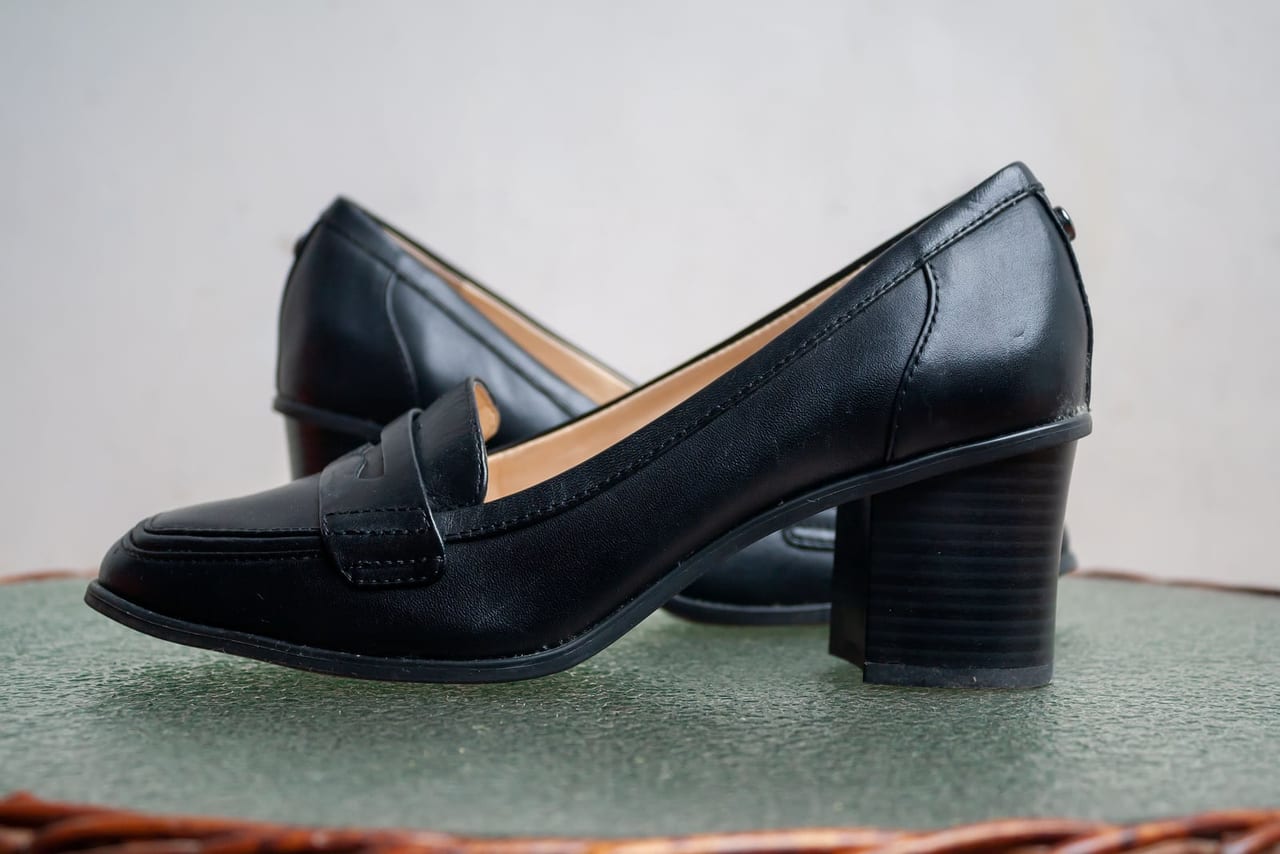
Footwear is the familiar part of the picture. Narrow or pointed toe boxes press the toes together, and high heels put more of your weight on the ball of the foot, so either can raise the pressure where the nerve sits. It would also explain why the feeling often fades once the shoes come off: the squeeze lets go. Activities that repeatedly load the front of the foot, such as running or racquet sports, are linked to it as well, along with jobs that keep people on their feet all day.
Some foot shapes seem to add to the load. Flat feet, high arches, bunions and hammertoes are all linked to a Morton's neuroma, perhaps because they change how pressure is shared across the front of the foot. It's also more common in women than in men, which may partly come down to footwear, though that isn't certain.
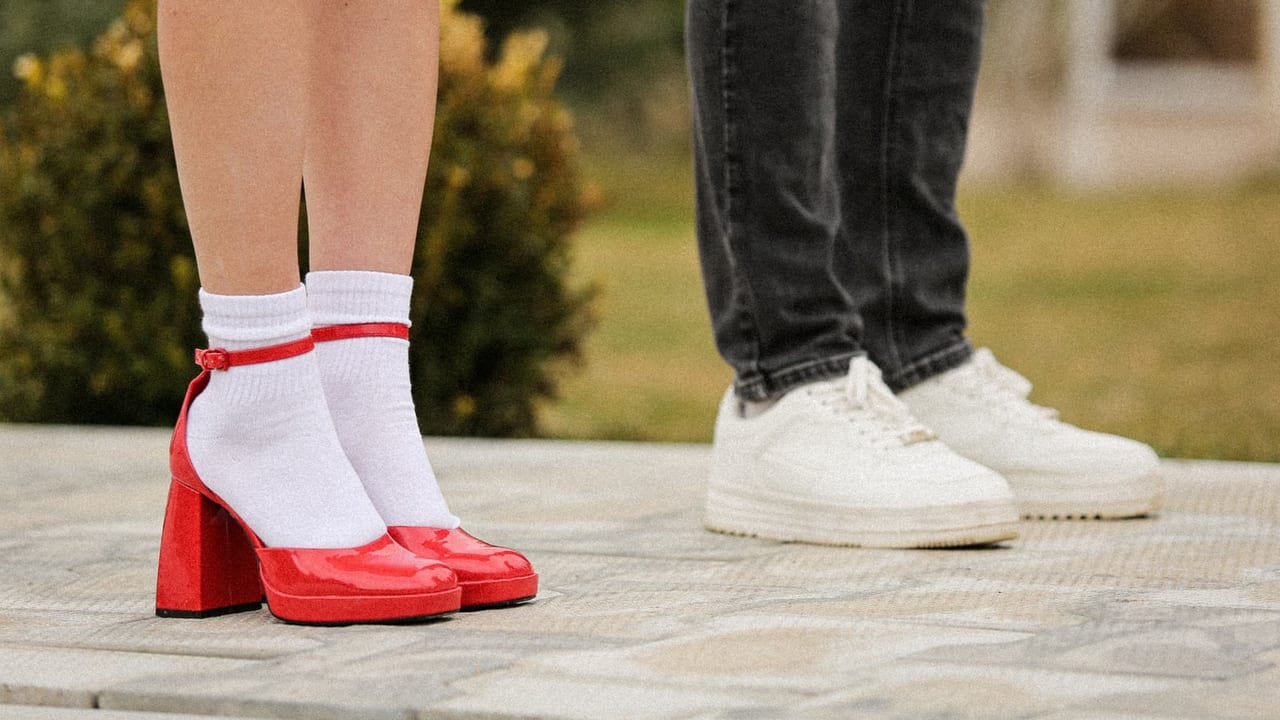
Everyday habits that give the front of your foot room
These habits take a minute or two each and need only your usual shoes, a chair and, if you like, a soft pad. Go gently, stop anything that feels sharp or wrong, and if you're recovering from an injury or foot surgery, check with a healthcare professional first.
Check the room in your toe box
Stand in the shoes you wear most and wiggle your toes. If they feel pressed together, a roomier toe box is worth trying.
Keep heels low on long days
Save high heels and pointed toes for short outings. Lower heels and soft soles are among the choices most often suggested for a sore ball of the foot.
Loosen the laces over the front
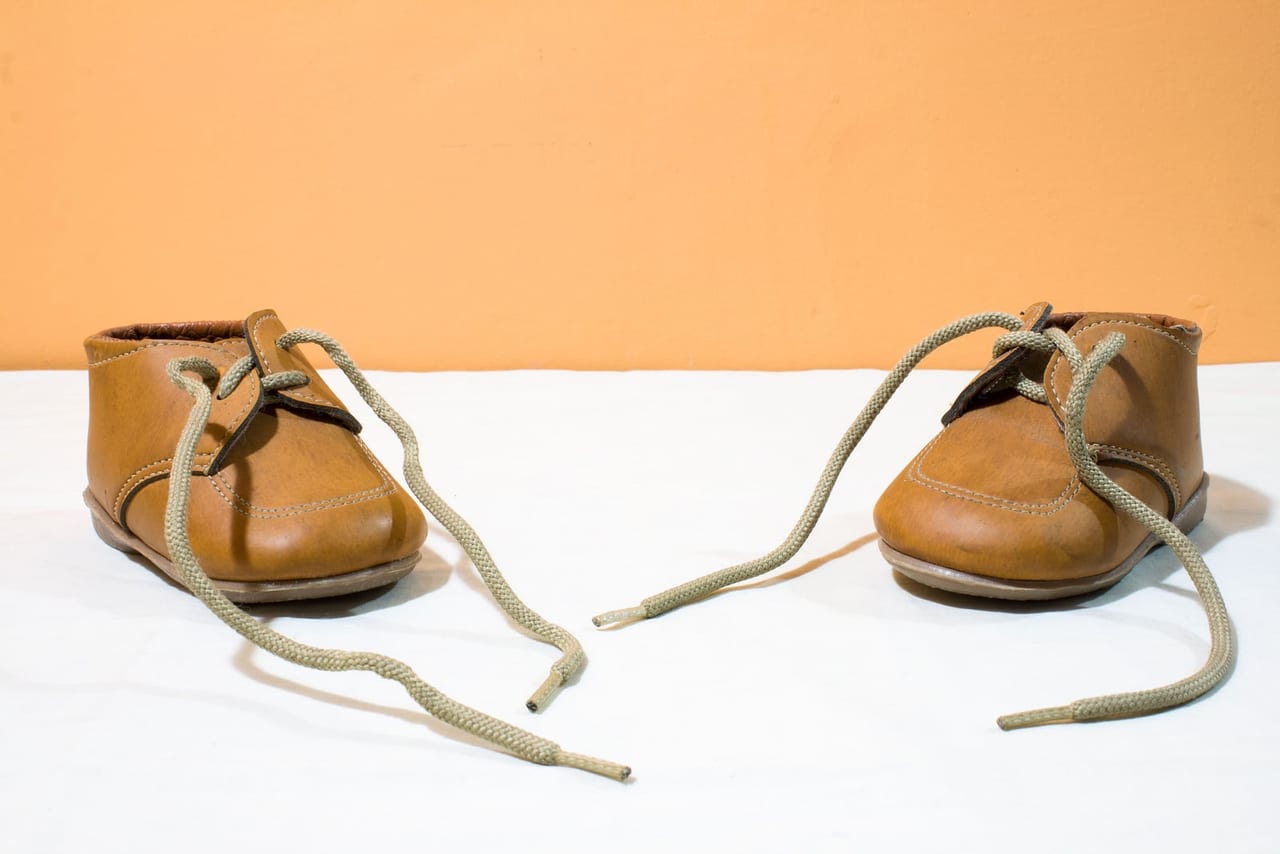
Leave the laces looser across the front of the foot, or skip a crossing there, so the shoe doesn't add to the squeeze.
Try a soft pad behind the ball
Some people add a soft pad set just behind the ball of the foot, not under it, or a cushioned insole. A foot and ankle specialist can show where it should sit.
Rest and rub the foot
At the end of a long day, take off your shoes and let the foot rest. Many people find that gently rubbing the ball of the foot feels good.
Choose gentler movement on sore days
When the ball of the foot is sore, many people swap some running or jumping for lower-impact movement, and sit down when they can.
Footwear is where most people start, because the squeeze happens inside the shoe, and how to find shoes that fit wide feet covers width, toe-box shape and the fitting. Laces matter too, since they set how much the upper grips the front of the foot. How much difference these habits make varies from person to person, and none replaces having recurring pain looked at.
What a healthcare professional may do
A visit usually starts with questions about where the feeling sits, what brings it on and which shoes and activities seem to matter. The professional may then press along the ball of the foot, squeeze the forefoot from the sides and feel for a click between the bones, a check that can bring on the familiar feeling. They'll also look at how the toes move.
Imaging isn't always needed, but it can help rule out another cause: an X-ray can show a bone problem, and an ultrasound or MRI scan can show soft tissue, including a thickened nerve. From there the professional can talk through options, which may include changes to footwear and activity, soft padding or inserts, either ready-made or custom-made, an injection and, for some people whose pain hasn't improved with other care, surgery. Which suits a foot depends on the foot, the signs and the person's daily life.
When ball-of-foot pain may mean something more
Some of what the front of the foot goes through is ordinary. Soreness after a long day on hard floors or a twinge in a new pair of shoes is common. So is a feeling that fades within minutes of taking the shoes off and stays away the next day, and the shoes are usually the first thing to look at.
Pay closer attention when the pattern changes. Pain that returns to the same place, lasts longer than a few days or builds over weeks deserves a closer look, as does pain that gets in the way of walking or work. So does numbness or tingling that spreads or involves both feet, since many things can affect nerves. Other problems can also hurt at the ball of the foot, from a stress fracture to irritated joints under the toes, and pain under the heel is a different story, told in plantar fasciitis. A healthcare professional can tell what is going on.
Questions people ask
Will a Morton's neuroma get better by itself?
It varies. The feeling often comes and goes, louder in narrow shoes and on long days and quieter after rest. Over time, though, it tends to build and last longer, so a feeling that keeps returning is better looked at than waited out.
Is a Morton's neuroma a pinched nerve?
It's often described that way: the nerve is squeezed in a narrow space between the bones, and the tissue around it thickens. A foot that falls asleep is different, since a held position presses on a nerve for only a few minutes, and why a foot falls asleep explains how that works.

The bottom line
A Morton's neuroma is, at heart, a story about space: a small nerve in a narrow gap, in shoes that can make the gap narrower. Much of what people reach for day to day comes down to a little more room at the front of the foot and a little more rest between the squeezes.