Hammertoes: Why a Toe Curls Under and What Can Help
A toe that curls down at the middle joint can go unnoticed until a shoe presses on it, and then it's hard to ignore. The usual causes are familiar, and what people do about it day to day often starts with the shoes.

You slip off a shoe at the end of the day and one toe doesn't lie flat the way its neighbors do. It bends down at the middle knuckle, and a patch of hard skin has formed where the top of the shoe has been rubbing. It may not hurt much yet, but it raises larger questions: how long it's been like this, whether it will keep bending, and what is worth doing about it.
The short answer
A hammertoe is a toe that bends down at the middle joint, so it looks like a hammer or a claw, most often the second, third or fourth toe. It usually starts with muscles and tendons pulling unevenly, and tight shoes, foot shape or an old injury can add to it. Early on the joint still moves, but over time it can stiffen.
Day to day, people commonly choose shoes with a roomy toe box and a low heel, a soft pad over the spot that rubs and gentle toe movements. If the toe hurts, stiffens or breaks the skin, a healthcare professional can tell what is going on, and anyone with diabetes or reduced feeling in the feet should have a toe change looked at.
What a hammertoe is and what people notice
The name describes a shape: the toe bends down at its middle joint, and the raised knuckle tends to rub on the top of the shoe. A mallet toe bends at the joint nearest the nail, and a claw toe curls at more than one joint. A hammertoe is also described as flexible, when the joint still moves, or rigid, when the tendons around it have tightened and the joint no longer moves. A flexible toe can become rigid over time, which is why the difference matters.
What people notice often follows from the shape. Corns and calluses tend to form where the toe rubs, such as on top of the bent joint, on the tip of the toe or under the ball of the foot. Shoes can feel tight or sore around the toe, and the toe may be red, swollen or harder to move; in more severe cases the skin can break down. Other things can cause pain in the ball of the foot too, including a bunion and Morton's neuroma, a condition that involves a nerve between the toes.
Why a toe starts to curl
A toe stays straight because of a balance between the muscles and tendons that bend it and those that keep it straight. When that balance tips, the middle joint can be pulled into a curl, and if the toe is held that way long enough, the muscles and tendons around it can tighten and stop stretching out. Shoes are a well-known contributor, because a shoe that is too short, too narrow or tapered at the toe can hold the smaller toes bent for hours, and high heels add to the crowding.
Shoes aren't the whole story, though. When the toe beside the big toe is longer than the big toe, it has less room in a shoe. A flat or high arch, a bunion, an injury to the toe and some conditions that affect the nerves, muscles or joints have also been linked to toe curling. Some people inherit a tendency toward it, and it's seen more often in women and in older adults. Why one person's toe curls while another's doesn't isn't always clear.
Shoes that leave the toes room
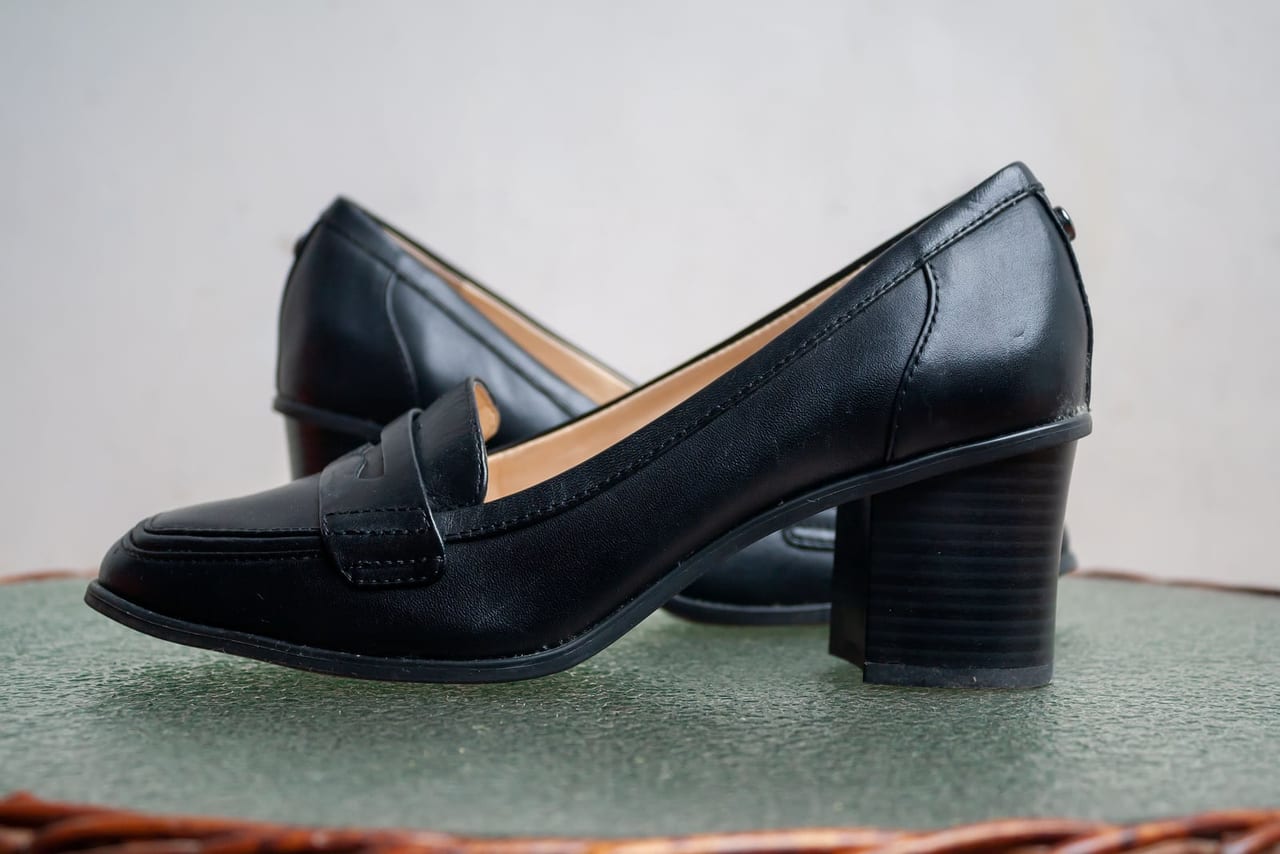
Shoes for a bent toe are mostly chosen for room: half an inch or so between the longest toe and the end of the shoe, a toe box deep and wide enough that nothing presses on top of the bent joint, and a soft upper with some give. A low or flat heel is another common suggestion, since a higher heel tends to crowd the toes forward. Many people find that combination more comfortable.
A shoe can be long enough and still press on top of a bent toe, and how to find shoes that fit wide feet explains what to look for. Laces or adjustable straps let you ease the fit over the toes as your feet swell through the day, and a shoe repair service can sometimes stretch a toe box so it bulges out around the toe.
Everyday habits for a bent toe
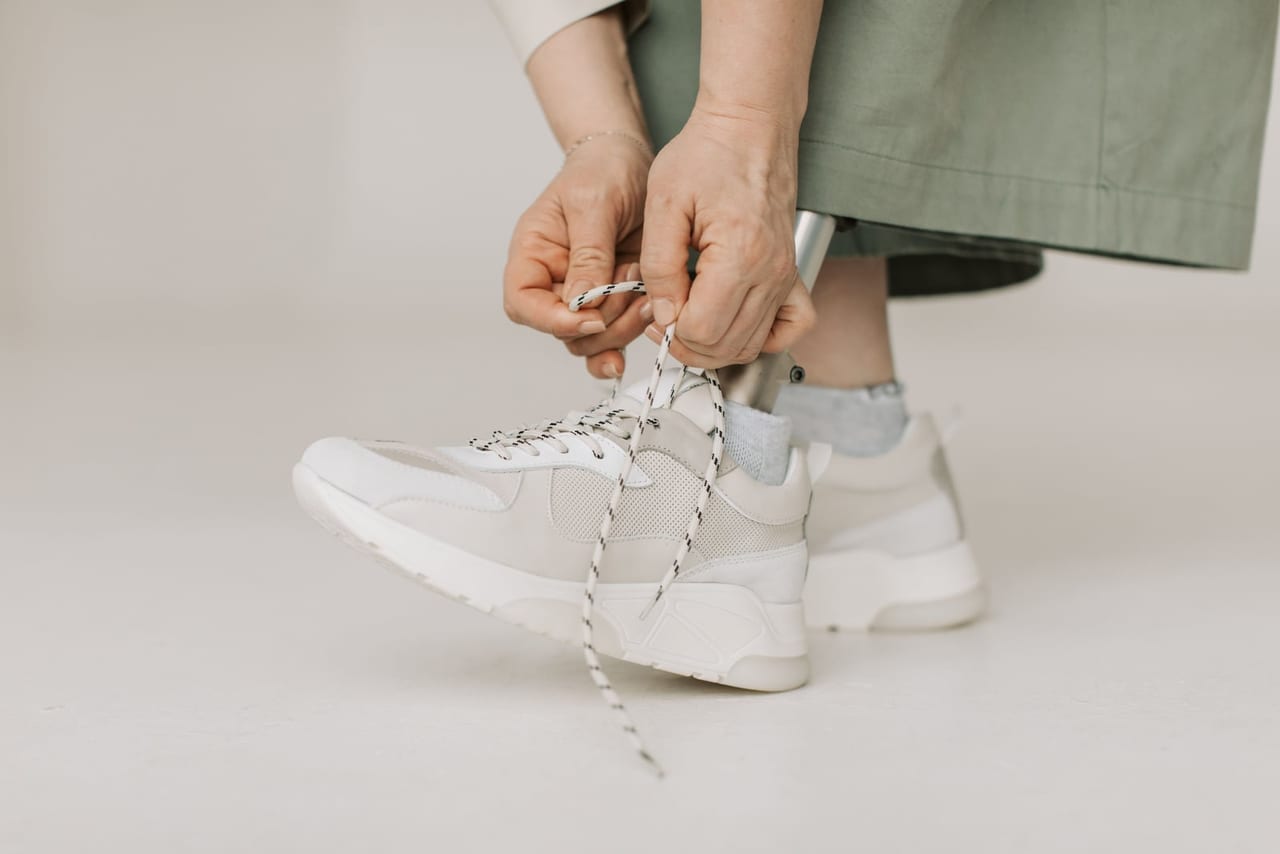
These five habits fit into an ordinary day and take about ten minutes. You need a chair, a small towel, a soft, non-medicated pad and shoes with a roomy toe box. Move slowly and gently through the two toe moves, stop anything that doesn't feel right, and if you're recovering from an injury or surgery, check with a healthcare professional before starting.
Look over your toes daily
When you take your shoes off, check the top of the bent joint, the tip of the toe and between your toes for redness, a new patch of hard skin or broken skin.
Check the fit of your shoes
Stand in the shoe, ideally late in the day when feet are largest, and look for about half an inch beyond your longest toe. The toe box should leave the bent toe room, with nothing pressing on top.
Cushion the spot that rubs
A soft, non-medicated pad over the bent joint, or wherever the toe rubs, puts a layer between skin and shoe, and many people find that more comfortable. Leave hard skin alone rather than cutting, shaving or picking at it.
Stretch the toes gently
Sitting down, use your fingers to move the bent toe slowly up and down within a comfortable range, a few times on each foot. Stop if it hurts or the toe won't move.
Curl a towel with your toes
Lay a small towel flat on the floor, grip it with your toes and scrunch it toward you, then relax. Picking up small objects such as marbles is a variation.
These are the habits most often suggested for a toe that still moves, and they're aimed at room and comfort. How a toe responds differs from person to person, and one that has already stiffened tends not to respond in the same way.
What a healthcare professional may do
A visit may begin with questions about your shoes and where the toe rubs. The professional may press and gently move the toe to see whether the joint is flexible or stiff, and may suggest imaging, such as an X-ray, though it isn't always needed.
The options a professional may talk through depend on the toe. For one that still moves they tend to be simple: different shoes, padding or taping, shoe inserts, including custom-made ones, and toe exercises. When a toe has stiffened or stays painful, or when other measures haven't been enough, surgery may come up. That can mean releasing a tendon, removing a small piece of bone or joining the joint's bones. A flexible toe tends to leave more options open than a stiff one, which is one reason a bent toe is worth having looked at while the joint still moves.
When a bent toe may mean something more
Some of what comes with a bent toe is part of the ordinary picture. A toe that bends a little, still moves freely and rubs mainly when a shoe is snug is a familiar pattern, and a small patch of hard skin where it meets the shoe may come with it. That's the situation the habits above are written for.
Pay closer attention when the picture changes: a toe that has stopped moving the way it used to, broken skin or a sore that isn't getting better, redness, warmth or swelling that grows, or pain that limits how far you walk. These are reasons to have the toe looked at rather than managed at home, and they matter most for anyone with diabetes, poor circulation or reduced feeling in the feet.
Questions people ask
Do tight shoes cause hammertoes?
They can contribute, because a short, narrow or tapered shoe can hold the toes bent for hours at a time. But hammertoes usually have more than one cause, including how the tendons pull and the shape of the foot, so shoes don't explain every case.
Does a hammertoe always need surgery?
No. Surgery tends to come up when a toe has stiffened in the bent position or stays painful, or when other measures haven't been enough. For a toe that still moves, a healthcare professional usually talks through simpler options, such as different shoes, padding, taping or exercises.
Are toe exercises worth trying for a hammertoe?
They're among the things a healthcare professional may suggest for a toe that still moves. How much they change a toe differs from person to person, and a stiff toe won't respond in the same way. For a longer set to choose from, five gentle moves are laid out in simple toe exercises you can do at home.

The bottom line
A hammertoe is rarely the work of one thing. It tends to build slowly, as a toe is pulled by its tendons, pressed by its shoes and shaped by the foot it belongs to. Some of that story is set by the foot itself, but the room a toe gets each day is not, and that's where the everyday choices begin.