5 Simple Toe Exercises You Can Do at Home
Your toes help you balance and push off, yet they spend most of the day squeezed into shoes. These five simple exercises work them gently at home, in about ten minutes.
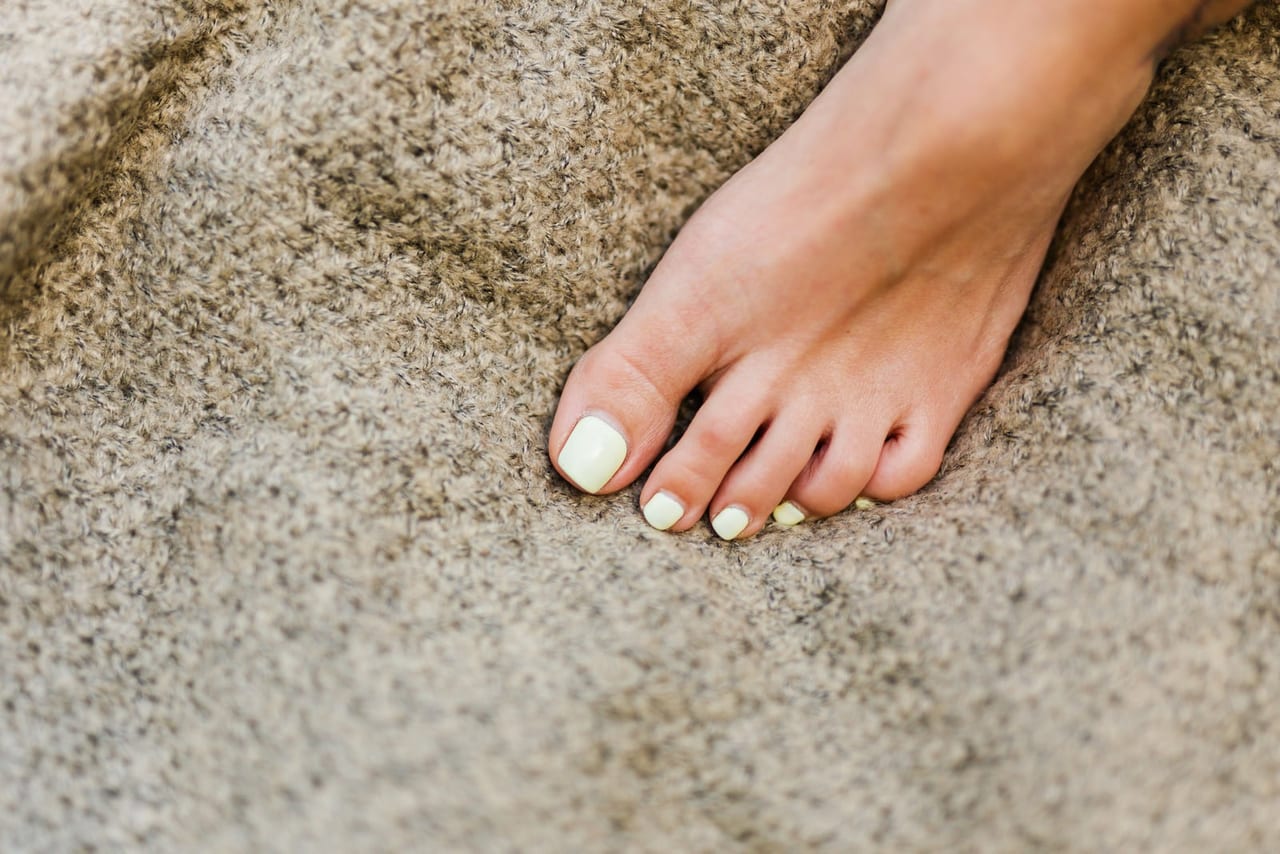
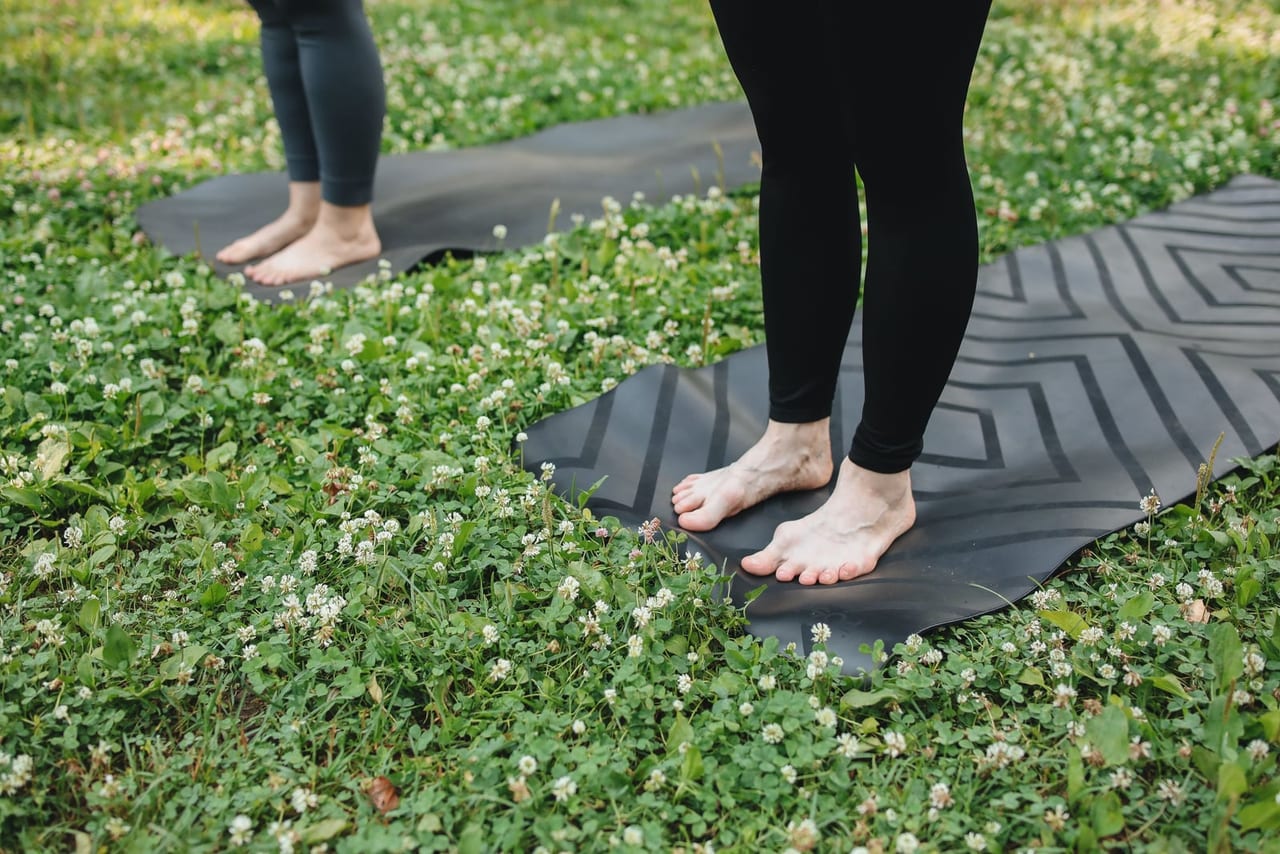
Take your shoes off at the end of the day and spread your toes as wide as they'll go. It can feel like a welcome change, because most shoes keep the toes pressed close together for hours. Tight, narrow or pointed shoes squeeze them further still.
Small as they are, the toes take part in almost every move your feet make, so it's worth noticing when they feel cramped or stiff. That moment of relief with your shoes off raises an obvious question. Could a few minutes of deliberate movement give them more to do than shoes allow?
The short answer
Five simple moves work the small muscles that spread, lift and curl your toes: toe spreads, big-toe lifts, towel curls, marble pick-ups and a raise, point and curl. Each takes a minute or two, sitting in a chair, barefoot or in thin socks. Done a few times a week, they can help keep your toes strong and flexible, though results vary from person to person. Move slowly and gently, and stop any exercise that doesn't feel right. If you're recovering from an injury or surgery, check with a healthcare professional first.
Why your toes matter more than you might think
When you stand, your toes press into the ground and help keep you steady as your weight shifts, and you may feel them grip if you lean forward a little or stand on one foot. With every step, your heel lifts, your weight rolls onto the ball of the foot, and the big toe joint bends as you push off from it. Your toes are the last part of the foot to leave the ground.
As your heel rises, the toes bend back and the band of tissue under your sole tightens around their base. That pull helps lift the arch just as you push off, so the toes and the arch work together. Toe muscles, like other muscles, can lose strength with age, and simple exercises give them regular work.
Five toe exercises, step by step
The exercises work the toes in every direction: spreading, lifting, curling and pointing. A chair, a small towel, a bowl and a handful of marbles are all it takes. Barefoot is easiest, because you can see and feel what your toes are doing and bare toes grip a towel or a marble better, though thin socks work too, and people with diabetes should ask their care team first. Sit in a sturdy chair with your feet flat on the floor, and keep each move slow and controlled rather than forced.
Spread your toes
Sit with your feet flat on the floor and spread your toes as far apart as you comfortably can. Hold for five seconds, then relax. Repeat ten times.
Lift your big toe on its own
Keep your feet flat and lift only your big toes while the other toes stay down, then press the big toes down and lift the other four. Alternate slowly, about ten times, or as many as you can while the movement stays controlled. Expect it to take practice.
Curl a towel toward you
Lay a small towel flat on the floor in front of one foot. Grab the middle of it with your toes and curl it toward you, then relax, and repeat five times. Switch feet.
Pick up marbles
Put about 20 marbles and an empty bowl on the floor, with the marbles close to your feet rather than far in front or to the side. Pick up one marble at a time with your toes and drop it in the bowl. Switch feet for the next round.
Raise, point and curl your toes
Raise your heels until only the balls of your feet and your toes touch the floor, and hold for five seconds. Next, point your toes so only the tips of the big and second toes touch, then curl the toes under, holding each position for five seconds. Repeat the sequence ten times.
Most of these moves borrow from an ordinary step. The raise, point and curl follows the push-off, from the heel lifting to the toes bending as your weight rolls forward. The towel curls and marble pick-ups use the grip you may feel when you lean forward or stand on one foot. The other two ask for something a day in shoes rarely does: the toe spread gives back the width that shoes take away, and the big-toe lift has the big toe and the other four move separately rather than as a block.
Do the whole set a few times a week. Three to five days a week is a good rhythm, and a few minutes each time is enough. Regular practice is what counts, because when your feet are strong you tend to feel more stable, and when they're flexible you move more easily.
Making the set a little harder
Once the basic set feels easy, add challenge slowly. For the towel curl, add a little weight by setting a light object, such as a small can, on the far end of the towel. The toe spread and the big-toe lift can be harder standing, with one hand on a counter.
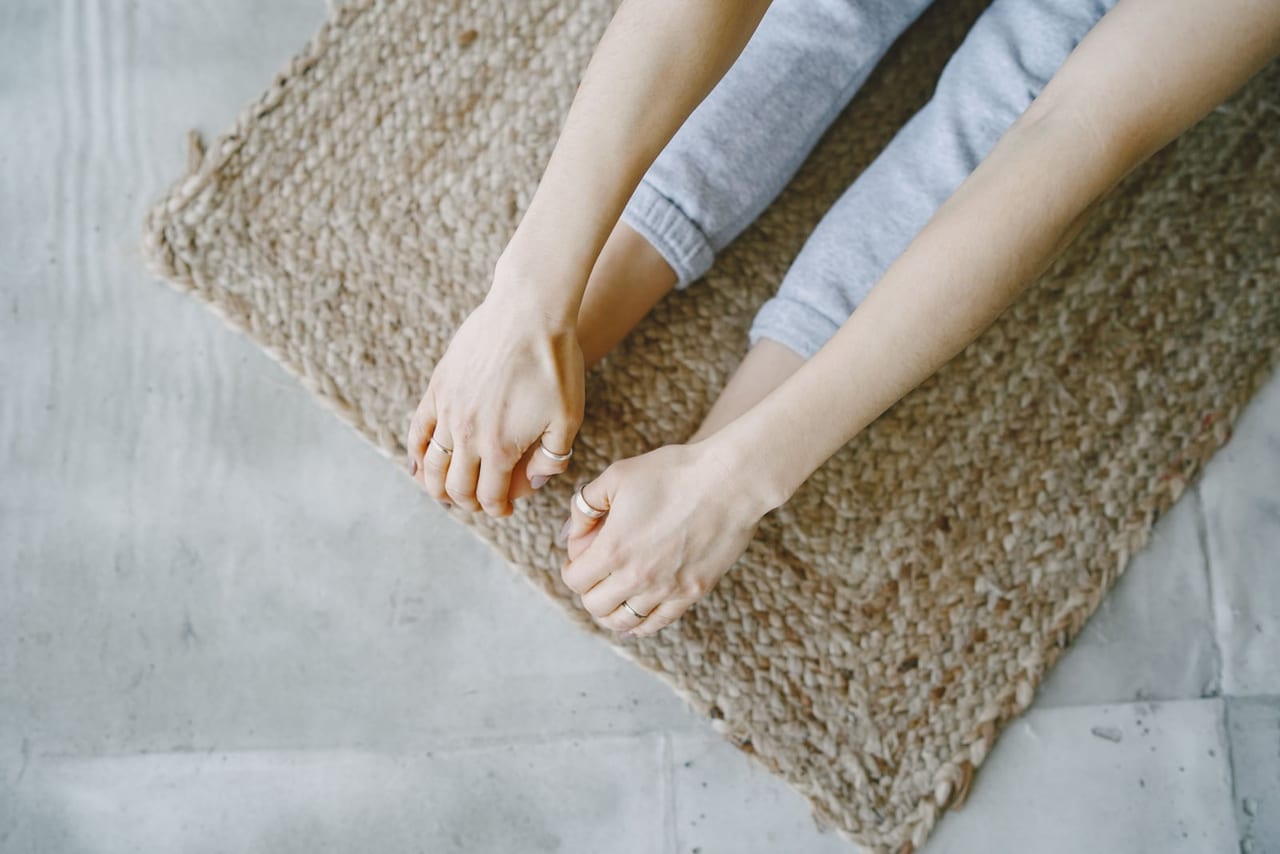
To add balance, stand on one foot next to a counter, holding on if you need to, for up to ten seconds. Notice how your toes work to keep you steady. Then finish with a stretch, holding your toes and gently easing them up, then down, for about five seconds each way.
Give your toes room in your shoes
Your toes also need room to move during the day. Look for about half an inch of space in front of your longest toe and a toe box wide enough for your toes to spread. Feet are larger later in the day, so check the fit in the afternoon, as in how to measure your feet.
This is the other half of the exercises. The toe spread asks your toes to move apart, and a shoe that presses them together for hours asks for the opposite. That's why the width of the toe box deserves as much attention as the length of the shoe. A quick check uses the routine itself: try the toe spread with the shoe on, and if your toes can't move apart at all, the toe box is working against the exercise.
When toe trouble may mean something more
Some people notice a little muscle tiredness in their feet after trying new exercises, and the big-toe lift in particular can take practice. If that happens, ease off and build up more slowly. Results vary from person to person, so a slow start is ordinary.
Pay closer attention to pain that lingers for weeks, a toe that's swollen, red or warm, or numbness or tingling that doesn't go away. These are reasons to get checked, not to exercise harder.
Questions people ask
Why is it hard to lift my big toe on its own?
Few people have ever practiced it, and at first the other toes tend to lift along with the big toe. That's why the exercise asks you to alternate slowly, about ten times, or as many as you can while the movement stays controlled. Control of the toe muscles often improves with regular practice.
Can I do toe exercises at my desk?
Some of them, yes. Toe spreads, big-toe lifts and the raise, point and curl work under a desk with your shoes off, as do the moves in foot exercises you can do at your desk. Keep each one slow and controlled, just as you would at home.
Do toe exercises help with balance?
They may. Your toes press into the ground to help keep you steady, and stronger feet can feel more stable. For balance itself, practice standing on one foot beside a counter, as in balance exercises for your feet and ankles.
The bottom line
The relief of spreading your toes after a day in shoes is a small reminder of how much quiet work they do, usually while pressed together. A few minutes of deliberate movement, and a shoe with room at the front, give them a little of the freedom the day rarely does.