Water Walking and Pool Exercises for Your Feet and Ankles
A slow walk across the shallow end can work your feet and ankles harder than it looks, without the jolt of pavement under every step. A few simple moves at the pool wall round it out.
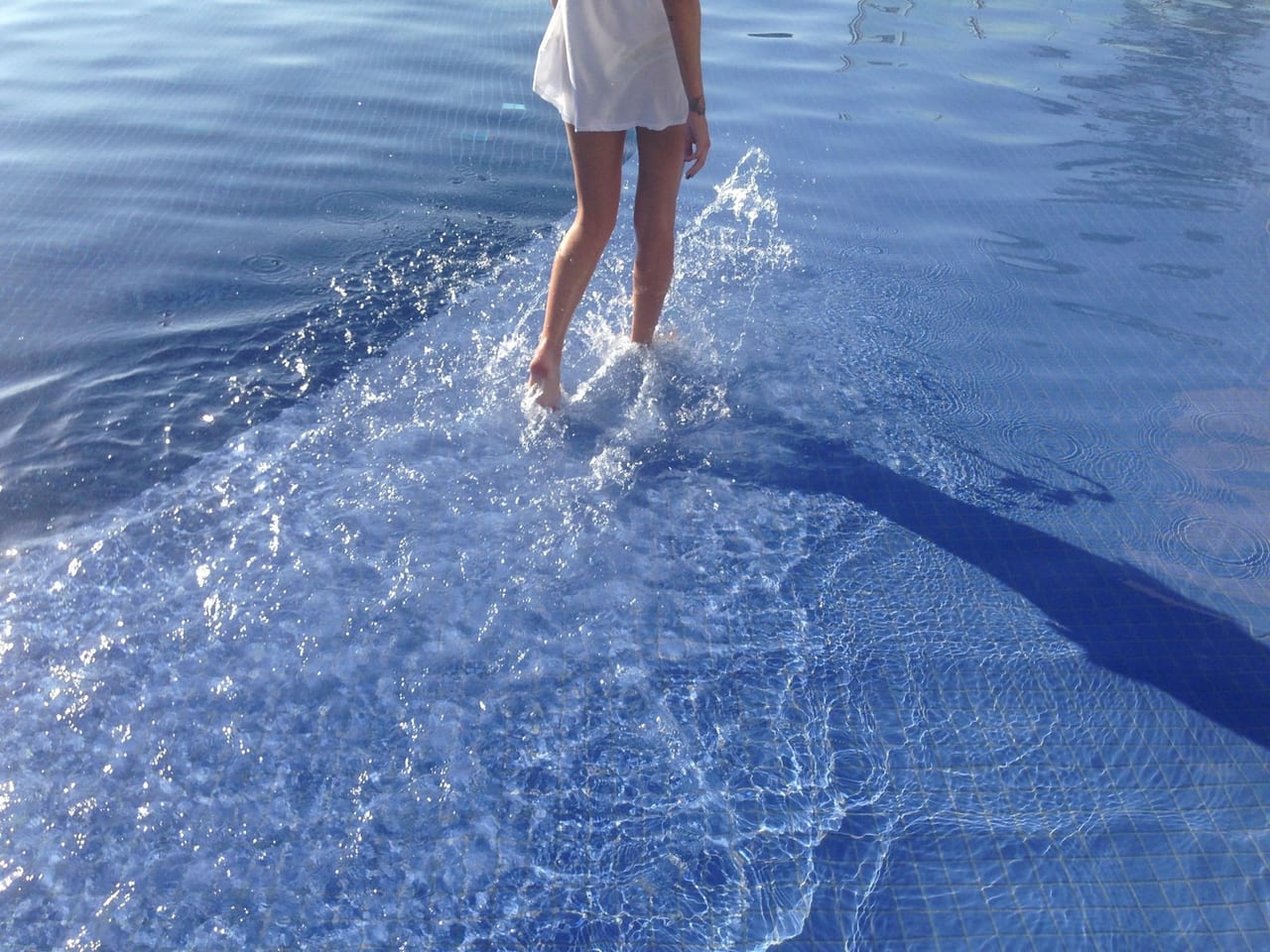
Wade into the shallow end of a pool and the first few steps feel oddly light. Your heels touch down softly, your arms drift up on their own, and a stride that takes no thought on the sidewalk suddenly takes effort. By the far wall your calves have noticed the work, though nothing about the walk felt hard on your feet.
That mix of lightness and effort draws many walkers to the pool when hard ground starts to feel unkind, after a long stretch of standing or a break from exercise. It also raises a fair question. Is a slow walk through water doing anything for your feet and ankles?
The short answer
Walking and simple exercises in waist- to chest-deep water give your feet and ankles real work with softer landings. The water carries part of your weight, more the deeper you stand, and pushes back against every movement, so your muscles work with each step. Water walking forward, backward and sideways, heel raises at the wall and slow ankle circles make an easy 20-minute routine.
Wear water shoes for grip and choose a pool with a lifeguard on duty or bring someone along. Keep an open cut or sore out of the water until it has closed over, and dry your feet well afterward. Stop anything that doesn't feel right and get lingering pain or swelling checked; if you're recovering from an injury or surgery, ask a healthcare professional before you start.
Why water is easier on your feet and ankles
On land, every step ends in a small collision. Your heel meets the ground, your weight rolls over the arch and the ball of the foot, and your toes push you into the next stride. Over a long walk on pavement, that adds up to many jolts for the same small joints.
Water changes that in two ways. Buoyancy, the upward push that makes you feel lighter, carries part of your weight, more the deeper you stand, so each step lands with less force on your feet, ankles, knees and hips. Water is also far thicker than air and resists every movement, so your muscles push against it the whole time you move. The work hasn't gone away; it has moved from absorbing hard landings to pushing through the water. The water slows everything down too, which can make it easier to feel how your heel lands and how your ankle steadies you as the water sways. Done regularly, water workouts can build fitness, strength and balance much as land workouts do.
Finding the right depth and pace
Depth sets the balance between support and effort. Water between waist- and chest-high is a comfortable place to start, because it softens your steps while your feet stay planted. Deeper water carries more of you, but it can lift you enough that staying on the floor takes extra effort. Many pools slope toward the deep end, so notice where the floor starts to drop.
Walk as you would on land, only slower. Stand tall, tighten your stomach muscles a little so you don't lean forward or to one side, and swing your arms. Set each heel down and roll through to your toes rather than bouncing on tiptoe, which is tempting when the water lifts you. Later, walk faster, take longer steps or wear webbed gloves for more resistance, one change at a time.
A pool routine for your feet and ankles, step by step
Allow about 20 minutes and wear water shoes, with a pool wall, rail or ladder within reach and a towel, shower shoes and a water bottle at the edge. Go slowly and gently, and stop any exercise that doesn't feel right. If you're recovering from an injury or surgery, check with a healthcare professional before you begin.
Warm up with easy water walking
Walk slowly across the pool for a few minutes, swinging your arms as you would on land. Set each heel down and roll through to your toes.
Walk backward beside the wall
Walk backward slowly with one hand trailing along the wall, reaching back with your toes. Keep your steps small and glance behind you often.
Side-step across the pool
Stand near one edge in chest-deep water with your arms out for balance. Step sideways and bring the other foot to meet it, all the way across, then come back leading with the other foot.
Rise onto your toes at the wall
Face the wall with your hands on the edge. Rise slowly onto the balls of your feet, pause, then lower your heels. Do ten, rest, then ten more if it feels comfortable.
Circle each ankle
Hold the wall and lift one foot a little off the floor. Turn it in slow circles from the ankle, about ten each way, or trace the alphabet with your big toe, then switch feet.
Cool down and climb out slowly
Walk easily for a few more minutes, then leave by the steps or the ladder, holding the rail. Put your shower shoes on at the edge.
Each move gives one piece of an ordinary step its own attention. The heel raises work the calves that lift your heel as you push off, and the ankle circles take the joint through its range against the water's push. The side steps work your hips in a direction a forward stride rarely does. The same circles work on dry land, as in ankle exercises for steadier feet. Two or three sessions a week is a reasonable start; add a few minutes at a time, because water makes it easy to do more than your calves are ready for.
Water shoes, the deck and the pool around you
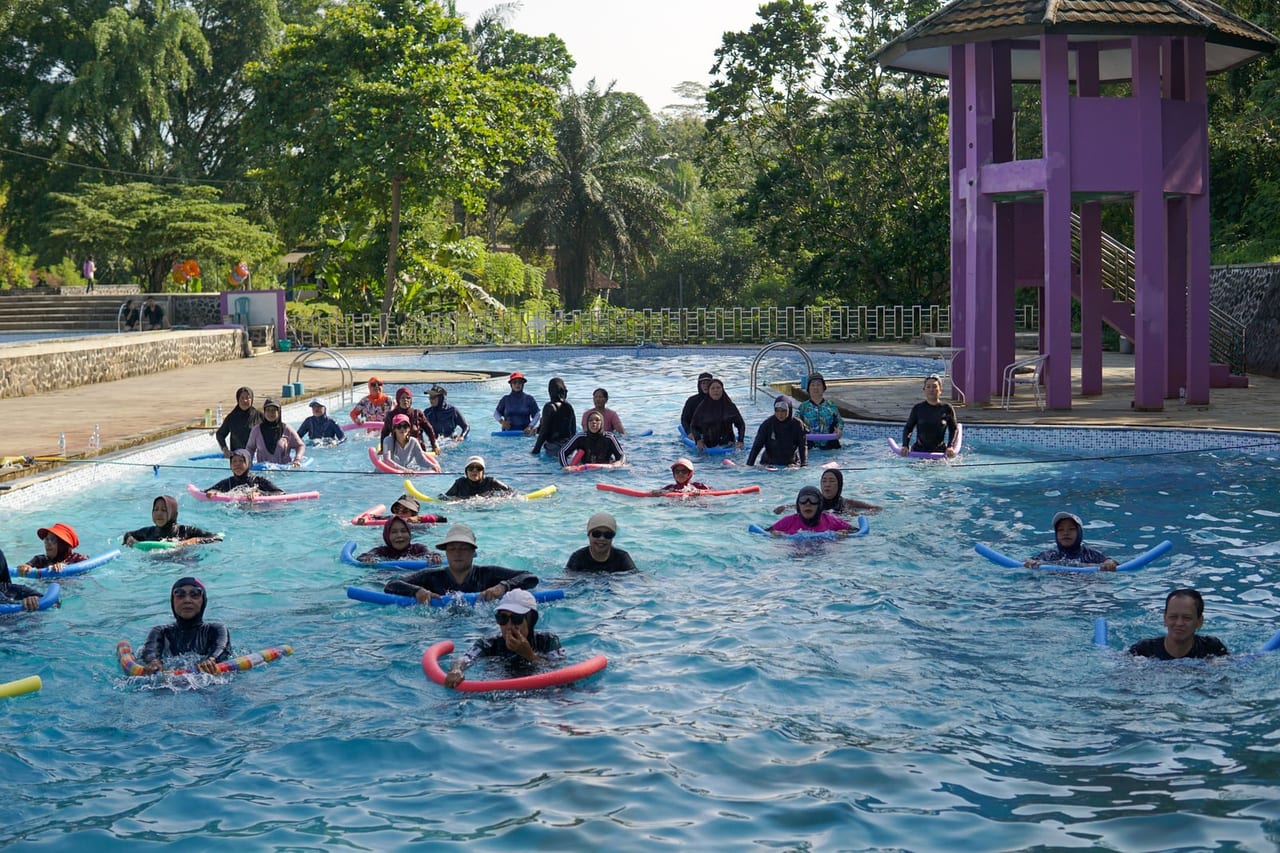
Bare feet can slip on a smooth pool floor, which is the main reason for water shoes: their soles help you keep traction while you walk, side-step and rise onto your toes. They also cover your soles on a rough floor or a deck that can get hot enough to burn on a sunny afternoon. Choose a pair that fits snugly without rubbing, since skin softened by water rubs more easily.
Wet tile and concrete around the water can be slippery, so walk rather than hurry and use the rail on the steps. A lifeguard on duty or a companion nearby is worth having, and alcohol is worth skipping before or during a session. Water also hides how much you sweat, especially in a heated pool, so keep a water bottle at the edge. Outdoors, include the tops of your feet in your sunscreen and reapply after you towel off, one of the habits in how to keep your feet comfortable in hot weather.
Looking after your feet after the pool
Shared showers and locker rooms are warm, damp and crossed by many bare feet, the kind of place where the microbes behind athlete's foot and warts on the soles do well. Wear shower shoes or flip-flops from the pool edge until you're dressed. Then dry your feet completely, including between the toes, where athlete's foot often begins, and put on clean, dry socks.
Cuts and blisters call for a decision before you get in. An open cut, sore or blister on your foot is a reason to stay out of the water until it has closed over, and if you do go in, cover it completely with a waterproof bandage. Water shoes that rub can start a blister of their own, a problem covered in why blisters form and how to avoid them.
When sore feet after the pool may mean something more
Some tiredness in your calves and arches after the first few sessions is common, because the water asks for work your muscles aren't used to. Wrinkled soles are ordinary too and usually smooth out once your skin dries. If the moves leave you sore, shorten the routine and build back up more slowly.
Pay closer attention to pain that starts during a move or stays afterward, swelling that doesn't go down, and itchy, peeling or cracked skin between your toes. A cut that isn't closing, or a slip on the deck that leaves your foot hurting, is a reason to get it checked rather than push on.
Questions people ask
Do you need water shoes for pool exercises?
They aren't required, but they help you grip a pool floor that can feel slick under bare soles. Rinse them in clean water afterward and let them dry before the next session. If you have diabetes or reduced feeling in your feet, wear them every time rather than going barefoot.
Can you do water walking if you can't swim?
Yes, in water where you can stand comfortably, since walking in a pool takes no special technique. Stay in the shallow end near the wall, well away from the slope toward the deep end. Choose a pool with a lifeguard on duty, or go with someone who swims.
The bottom line
A pool doesn't ask less of your feet so much as something different. The water takes away the hard landings and replaces them with a steady push from every side, which is why a slow walk across the shallow end can do more than it seems. For feet and ankles that have had their fill of hard ground, that trade can be a way to keep moving.