Why Blisters Form on Your Feet and How to Avoid Them
A blister rarely comes out of nowhere. It usually begins as a warm, rubbing spot you can feel long before anything shows. That early warning is your chance to stop one.
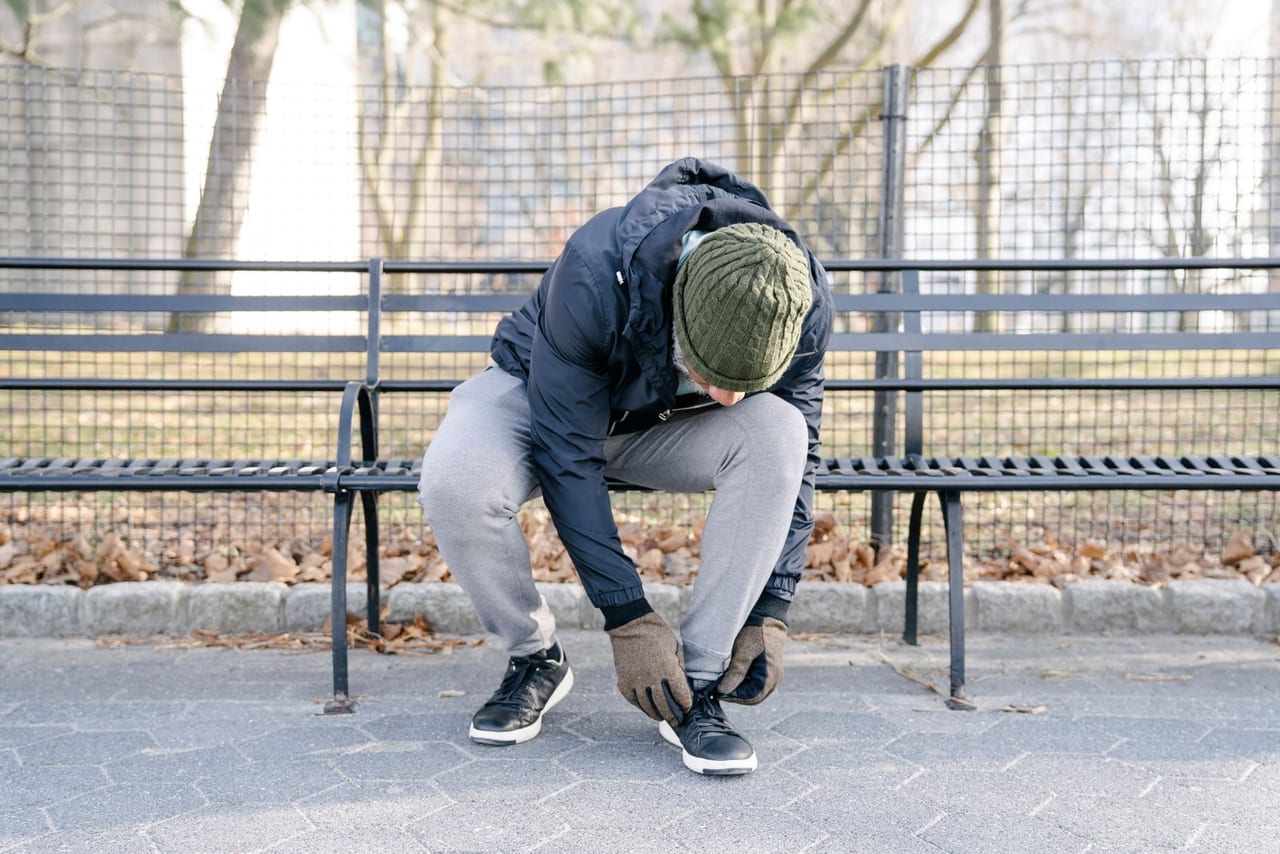
Somewhere past the halfway point of a long walk, a spot on the back of one heel starts to feel warm. It doesn't hurt yet, so the easy choice is to keep going. By the time the shoes come off, that warm patch has often become a soft bubble of skin, tight with fluid. The shoes may be a pair you've worn for months, which makes it more puzzling.
The short answer
A blister forms when repeated rubbing drags the outer layers of skin over the deeper ones until a thin layer tears apart inside and fluid fills the gap. Damp skin, a loose or tight shoe, wrinkled socks, raised seams and long distances make that more likely, so shoes that fit, smooth socks that wick sweat and covering a warm spot early go a long way. If one forms, leave it unbroken and cover it, and get it looked at if redness spreads, it turns warm or fills with pus, or if you have diabetes or poor circulation.
Why a rub turns into a blister
Skin is built in layers, held together by countless tiny connections between cells. With each step, your skin grips the sock and the sock grips the shoe, while the bones inside your foot keep moving. That pulls the outer layers one way and the deeper ones the other, a sideways strain called shear. Over thousands of steps, it can wear out a thin band of cells near the top of the skin until it pulls apart, though the surface stays whole. Clear fluid seeps into that space, and the pocket it fills is the blister.
So a blister depends on both force and repetition. The harder each rub, the fewer steps it takes to cause that tear, which is why a shoe that slips badly can raise a blister in an afternoon while a slightly loose one may take a long day. Before anything shows, the area often feels warm or tender, or looks a little red. That's the skin's early warning, and it usually arrives before any fluid.
Moisture changes the picture. Skin that's damp with sweat grips a sock harder than dry skin does, so each step drags on it more, and heat and effort make feet sweat more inside a closed shoe. That's why blisters come so readily on hot days, on long hikes and in socks that hold sweat.
Where blisters form and what sets them up
Blisters tend to appear where the foot and shoe meet with the most movement or pressure: the back of the heel, the toes and the ball of the foot. The spot can hint at the cause. A blister at the back of the heel is often a sign that the heel is lifting and dropping in the shoe, the slip that comes with shoes too big or laced too loosely. Blisters on the tips of the toes can come from a foot sliding forward, especially on long downhill stretches, while ones on top or along the sides often point to a toe box that's too shallow or narrow.
Both extremes of fit cause trouble: a tight shoe presses on the same spots all day, and a loose one lets the foot move inside it. New shoes are a common culprit, often because their first long day reveals where they rub. Socks matter as well: a thick cotton pair holds sweat, a sock that's too big wrinkles into ridges, and a raised seam across the toes rubs with every step. Going sockless puts bare skin right against the shoe's lining and seams.
Distance multiplies all of it. A day of sightseeing, a long shift or a hike adds thousands of steps, and rain or a hot afternoon adds damp, so a rub that does no harm over a mile can become a blister over ten. If trails are where it happens, how to choose hiking boots covers the toe room and fit that matter on the way down.
A routine for long walks and long days
Much of the work happens before you leave the house, and the rest comes down to stopping early. You'll need shoes that fit, wicking socks plus a dry spare pair, and a small kit: blister tape, moleskin or adhesive bandages, small scissors, and petroleum jelly or foot powder if you use them. It takes about 10 minutes before a long day and a minute or two along the way.
Check the fit before a long day
Wear the shoes with the socks you plan to use and walk around. Look for about half an inch of room in front of your longest toe and a heel that doesn't slip.
Choose smooth socks that wick moisture
Pick wool or synthetic socks that fit snugly without wrinkles and have flat seams. Thick all-cotton socks hold sweat against your skin.
Try new shoes on shorter outings
Give a new pair an hour or two at home or on errands before a long walk or shift. A shoe that rubs from the start is unlikely to stop with wear.
Cover the spots that usually rub
Before you set out, press blister tape, moleskin or a smooth bandage flat over places that have blistered before. A thin layer of petroleum jelly or foot powder can also cut down friction there.
Stop when a spot feels warm
If a spot feels warm or sore, or looks red, stop and look. Cover it right away, and smooth a wrinkled sock or ease a tight lace.
Change into dry socks
On long, hot or wet days, carry a spare pair and change as soon as your socks feel damp.
The fifth step is the one it's tempting to skip, because stopping over a warm patch feels like a fuss. Yet a minute spent smoothing a sock or pressing on tape costs far less than walking home on a blister. Tape and lubricant are a backup, not a fix for a shoe that slips or pinches, and the sock matters as much as the shoe: socks for long days on your feet covers fibers, seams and fit.
If a blister forms anyway
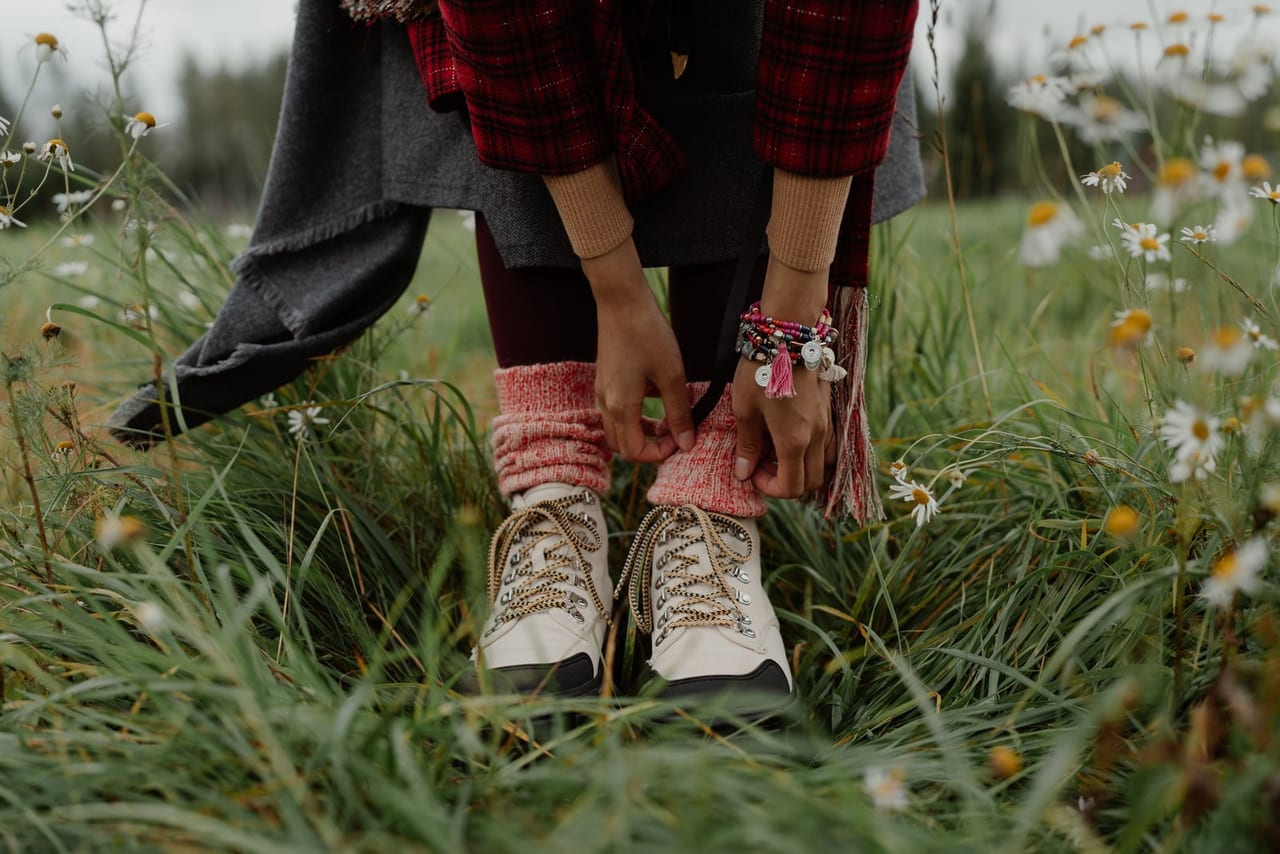
Leave it alone if you can. The unbroken skin on top works as a natural dressing, keeping dirt and germs out while new skin forms underneath. Cover it loosely with an adhesive bandage, pinching the sides in so the pad arches over the bubble, or use a hydrocolloid blister bandage. Then keep pressure off it, ideally with shoes that don't touch it.
Popping a blister just because it's there opens the skin and can slow things down. A large one that makes walking hard is a different case, and it may be drained with care. Wash your hands and the blister with soap and water, wipe a sharp needle with rubbing alcohol, and prick it near the edge. Let the fluid drain but leave the skin on top in place to protect the raw layer below, then add a thin layer of petroleum jelly and a nonstick bandage. Check it every day after that.
If a blister tears open on its own, wash it gently, smooth the loose skin back down instead of pulling it off, and cover it the same way. With diabetes or poor circulation, don't drain or open a blister at home. Ask your care team instead, because a small sore on the foot can be slower to close and easier to miss.
When a blister may mean something more
A friction blister with a clear cause, such as new shoes, a long hike or a wet sock, is ordinary. It may sting for a day or two, and the fluid is usually clear, or dark red if the skin was pinched hard enough to break a tiny blood vessel. Over the following days it usually shrinks, flattens and feels less tender.
Pay closer attention if redness spreads out from the blister, the skin around it feels warm, it hurts more each day instead of less, or the fluid turns cloudy, yellow or green. Blisters that keep coming back in shoes that fit, or appear with no rubbing, deserve a look too.
Questions people ask
How long does a foot blister take to go away?
Most friction blisters settle on their own within a week or two. Keeping one covered and away from rubbing gives the new skin underneath the time it needs. One that's still raw and sore after a week, or that looks worse instead of better, is worth having looked at.
Why do I keep getting blisters in the same spot?
A blister that returns to the same place usually points to the same rub: a heel that slips, a seam that sits wrong, or a shoe that's a little short or narrow. Check the fit later in the day, when feet are slightly larger. A heel lock, described in how to lace shoes for long shifts, can hold a slipping heel, and if blisters still return in shoes that fit, have your feet looked at.
The bottom line
Blisters can feel like bad luck, but they're built one step at a time, from rubs too small to notice on their own. That's also why small habits matter so much: a shoe that holds your heel, a sock that stays smooth and dry, and a short pause when a spot turns warm each take away steps a blister needs. The rub that takes an afternoon to raise a blister often takes only a moment to stop.