What Causes Foot Odor and How to Reduce It
Foot odor can feel embarrassing, but it's common and usually easy to manage. Once you know where the smell comes from, the routine that keeps it down makes sense.

You take your shoes off at the end of a warm day and the smell reaches you before the shoes hit the floor. It can happen even when you washed your feet that morning and pulled on fresh socks, which is part of what makes it so puzzling. You did the sensible things and the smell arrived anyway, so it's easy to wonder what you're doing wrong.
The short answer
Foot odor starts with sweat, but fresh sweat has little smell of its own. Your soles are packed with sweat glands, and inside socks and closed shoes that sweat has nowhere to go, so microbes that live on your skin break it down and release the smell. For most people a steady routine keeps it down: wash and dry your feet every day, wear clean socks that wick moisture, and give your shoes a day to dry between wears. If the smell stays strong despite good care, or comes with itchy, peeling or cracked skin, talk with a healthcare professional.
Why feet start to smell
The soles of your feet have some of the most tightly packed sweat glands on your body, so feet sweat more than you might think. In an open sandal much of that sweat can dry off, but in a sock and a closed shoe it soaks into the fabric and stays against your skin. Fresh sweat is mostly water and salt, and it has little smell of its own.
The odor comes from microbes that live on your skin. As they break down sweat, they release acids and other compounds, which is why feet can smell sour or like vinegar. The inside of a shoe is warm, dark and damp, the very conditions these microbes thrive in.
Hot weather and exercise make you sweat more. The sweat glands on your soles also respond to stress and nerves, and hormone shifts, such as those in the teenage years and pregnancy, can raise how much you sweat. Whatever the cause, more sweat gives the microbes more to work with. That's why the smell can change so much from one day to the next: the same feet in the same shoes can seem fine after a cool, quiet day at a desk and much stronger after a hot, hurried afternoon of errands.
Why clean feet can still smell
Washing your feet is only half the job. The microbes and old sweat behind the smell also live in your socks and inside your shoes, in the lining and the insole. Put freshly washed feet into yesterday's damp shoes and the smell soon comes back.
Shoes need time to dry out after a day of wear. Wear the same pair again the next morning and it starts the day already damp, so the smell can build from one day to the next. Socks work the same way: thick cotton soaks up sweat but doesn't move it away from your skin, so the damp stays right where the microbes are.
Of the three places the smell can live, the shoe is the hardest to refresh. Your skin and socks start each day fresh, but a shoe only does if it's had a full day to dry, so it can hold on to the smell however carefully you wash. If your feet seem fresher after a day in one pair than in another, start with the shoes rather than the soap.
A daily routine for fresher feet
Each habit takes a minute or two, and together they keep your skin, your socks and your shoes drier, which leaves the microbes less to work with. You'll need a towel, mild soap, clean socks that wick moisture and a second pair of shoes, plus foot powder or an antiperspirant if you need it. If the smell stays strong even with all of this, it's worth asking a healthcare professional about it.
Wash your feet every day
Use mild soap and warm water, and wash between your toes too. Keep your toenails trimmed and clean underneath, where grime collects.
Dry them completely
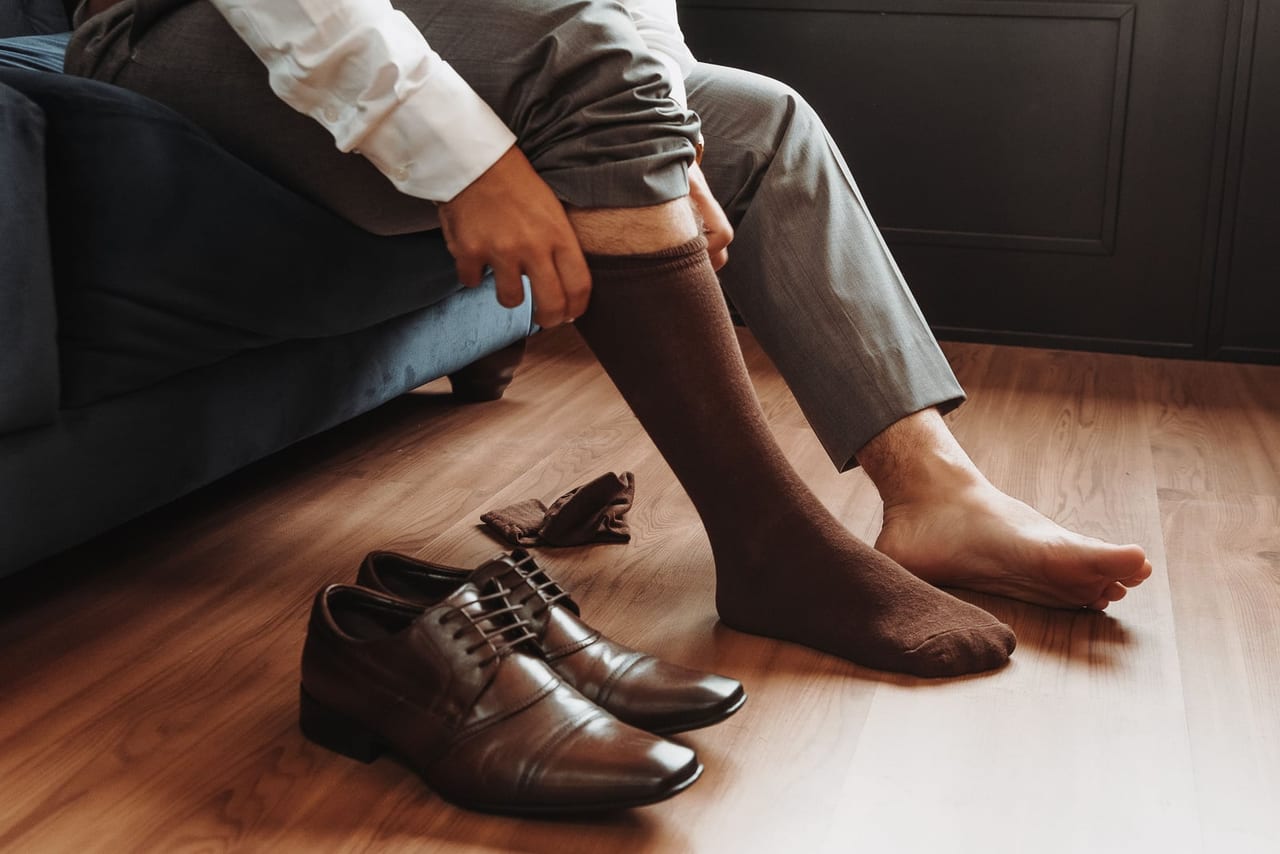
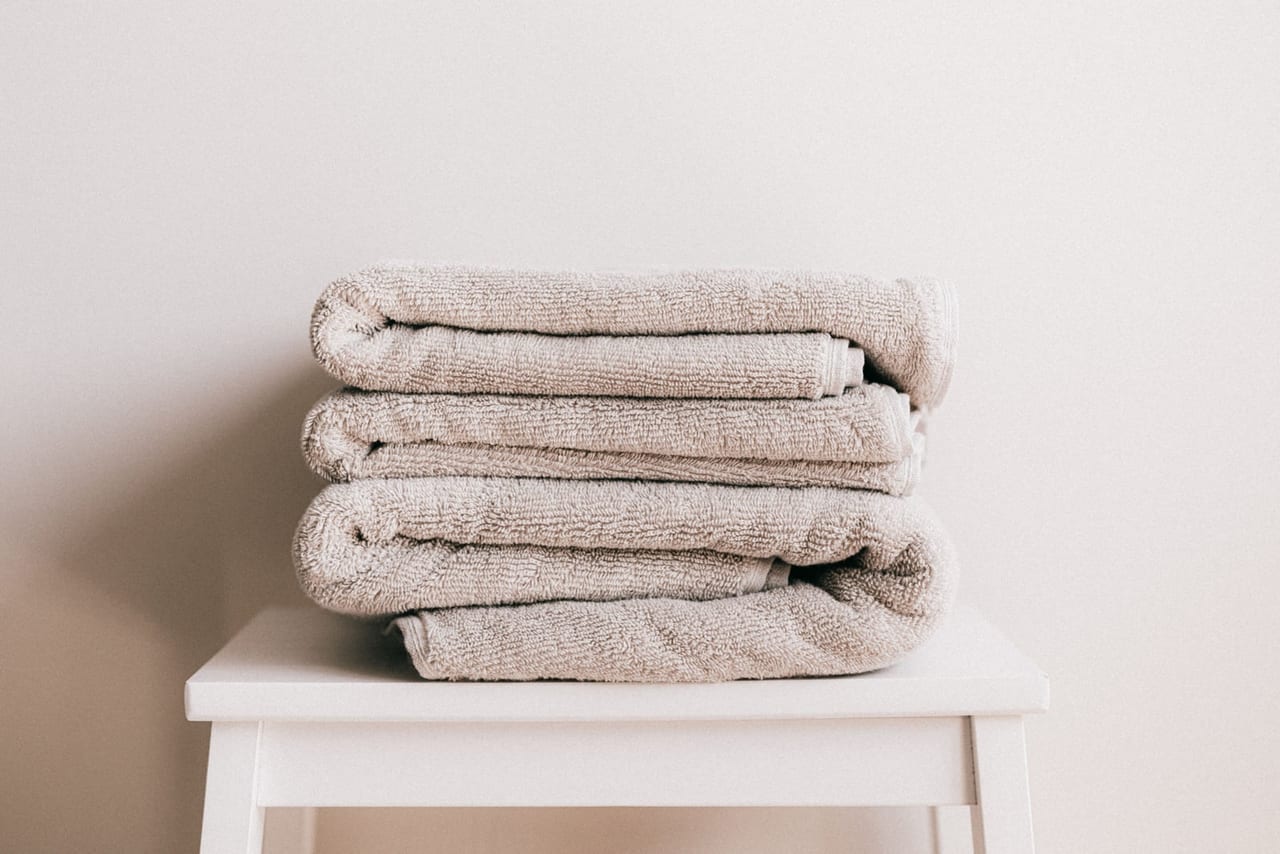
Towel off each foot, especially between the toes, before you put on socks. The microbes behind the smell thrive on damp skin.
Put on clean socks every day
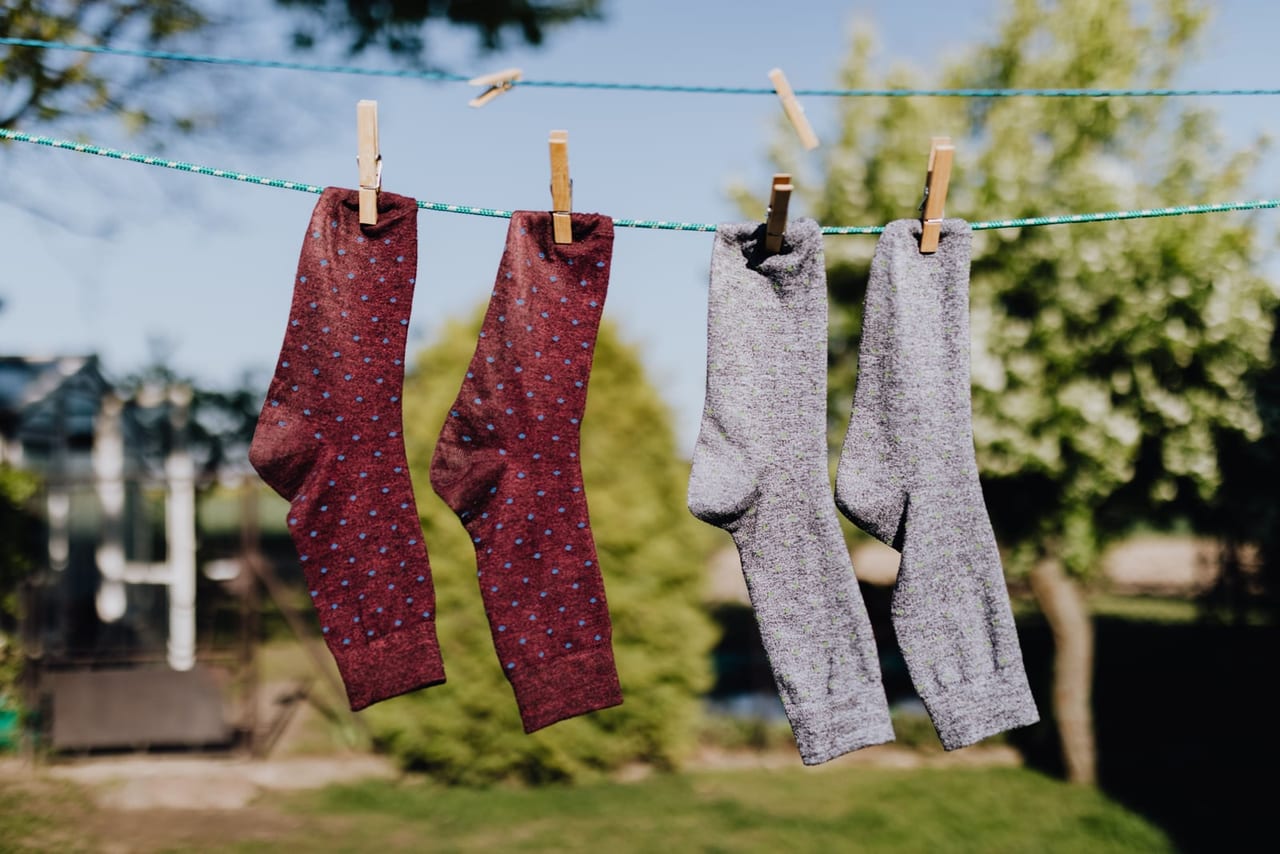
Choose socks that wick moisture, such as wool or synthetic blends. On long, hot or active days, pack a spare pair and change halfway through.
Give each pair of shoes a day off
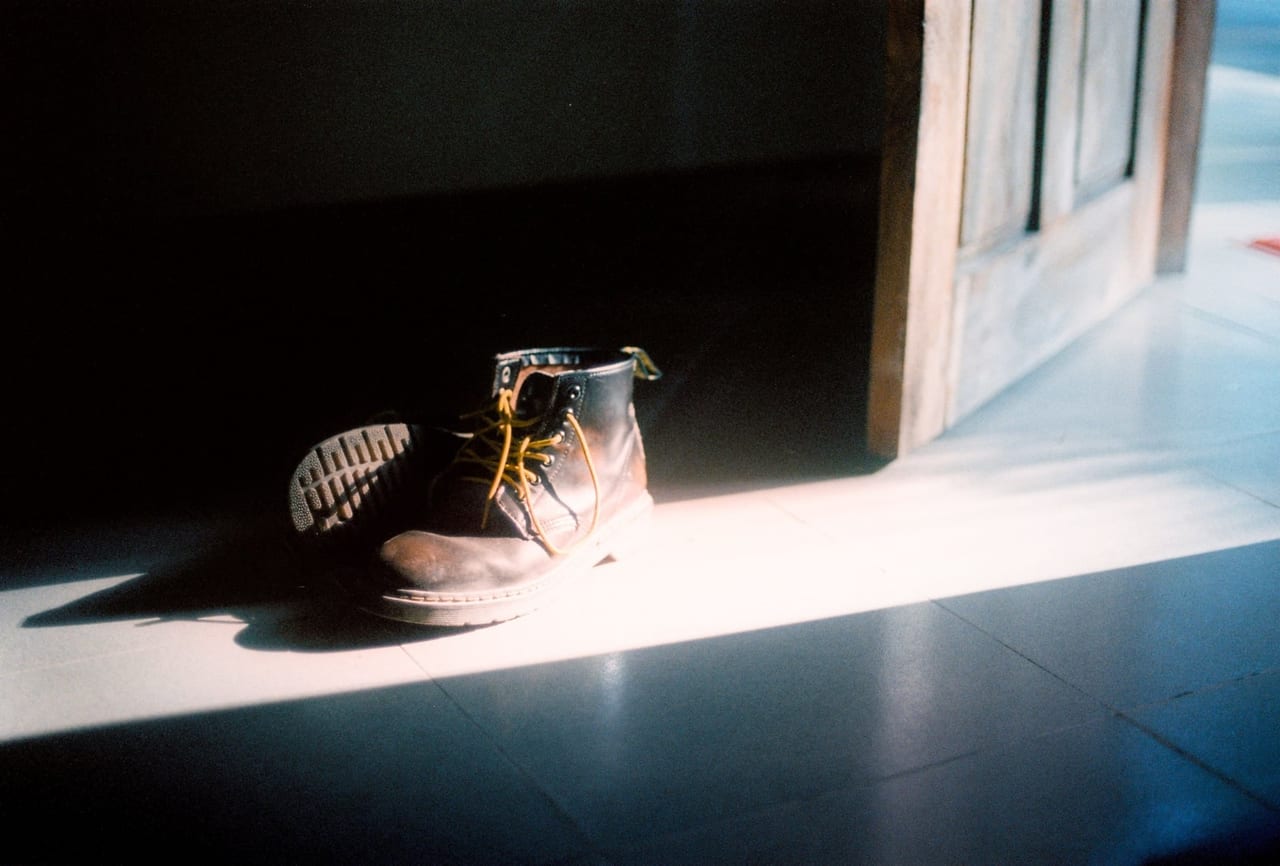
Rotate at least two pairs so each one has a full day to dry. When you take them off, loosen the laces and open up the tongue to let air in.
Take the insoles out to air
If your insoles lift out, pull them out overnight so they and the inside of the shoe can dry. Wash them if the label allows, and replace a pair that still smells after airing.
Add powder or antiperspirant if you need it
A light dusting of foot powder on clean, dry feet can help keep them drier. If your feet sweat heavily, an antiperspirant applied to dry feet at bedtime may help too.
Most of these steps slot into moments you already have: washing and drying at the end of the day, choosing clean socks in the morning, and loosening the laces and opening up the tongue when you take your shoes off. Because the routine looks after your feet, your socks and your shoes together, each part supports the others.

Socks, shoes and insoles that let feet breathe
What you wear decides how much moisture stays around your feet all day. Socks made to wick moisture, such as wool or synthetic blends, keep feet drier, and thick all-cotton pairs are better saved for short, cool days; how often to swap them is covered in how often to change your socks. Leather and canvas let air move through a shoe, while plastic and patent uppers can trap sweat inside, and a shoe that squeezes your foot leaves little space for air and can make feet sweat more.
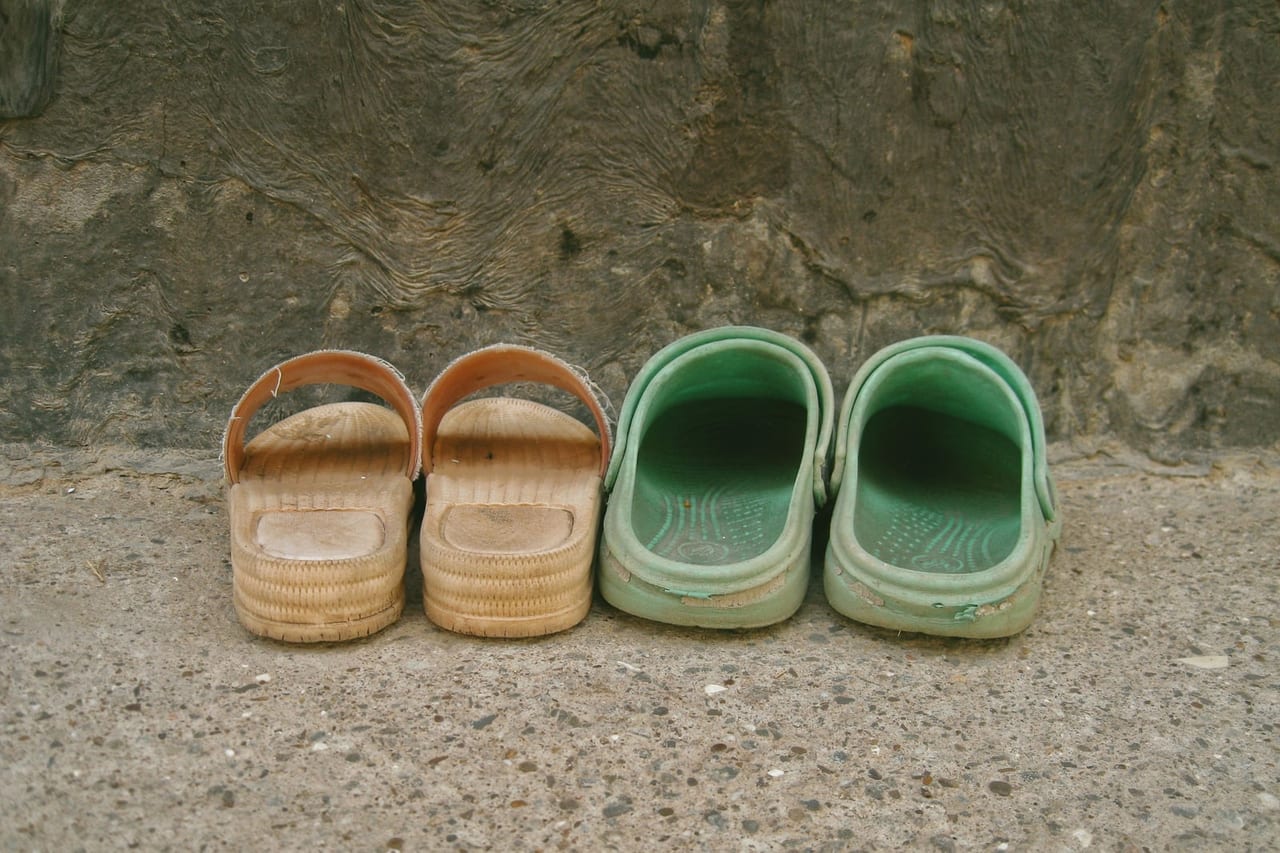
The insole sits under your foot all day, so it belongs in any freshness routine. Removable insoles can come out to dry overnight, and some can be washed, and how to keep shoes and insoles fresh covers the full shoe routine. Time out of shoes helps too, since sandals, or slipping your shoes off when you can, let sweat dry off your skin instead of soaking into the shoe.
When foot odor may mean something more
Everyday foot odor follows a familiar pattern. It's stronger after a long, warm or active day in closed shoes, and it fades when you wash, change your socks and let your shoes dry. That's the kind of smell the routine above is meant to manage.
Pay closer attention if the smell stays strong despite steady care, comes with changes in your skin, or arrives suddenly along with heavier sweating for no clear reason. It may not be serious. Even so, it's a reason to get your feet checked.
Questions people ask
Why do my feet smell like vinegar?
That sour smell comes from acids that microbes on your skin release as they break down sweat. It's common, and daily washing, careful drying, clean socks and a day for each pair of shoes to dry usually keep it down.
Can I use antiperspirant or foot powder on my feet?
Many people can. A light dusting of foot powder on clean, dry feet absorbs some sweat, and if you use an antiperspirant, apply it to clean, completely dry feet at bedtime and wash it off in the morning. Use either alongside clean socks and dry shoes, not instead of them, and if heavy sweating continues, a healthcare professional can suggest other options.
Do cotton socks make foot odor worse?
They can. Thick cotton holds sweat against your skin, while wool or synthetic socks made to wick moisture usually keep feet drier. On long, hot or active days, a spare pair to change into halfway through can help as well.
The bottom line
Foot odor isn't a mark of carelessness, and it isn't only about the feet. It builds in the damp of socks and shoes that never quite dry out, so looking after it takes as much attention at the shoe rack as at the sink.