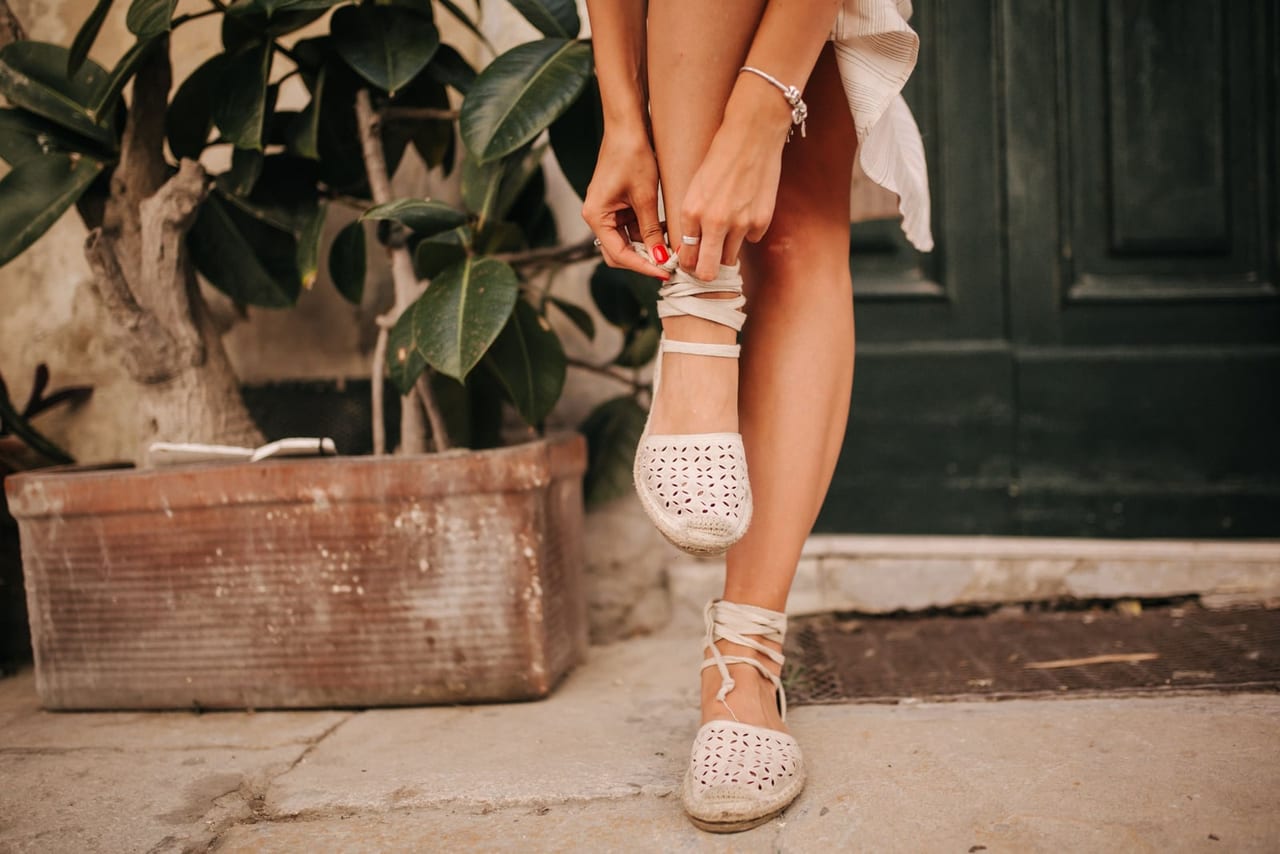
Athlete's Foot: Why It Happens and What to Do
An itch between the toes has a way of waiting until the shoes come off, and then it's hard to think about anything else. Athlete's foot is one common reason, and it comes with its own questions: whether it's catching, what started it and what people usually do about it.
Think back over a warm week: the commute in closed shoes, a quick shower at the gym, the same sneakers two mornings running. Somewhere in there the skin between two toes started to flake, and now it itches enough to be distracting. The guesses come fast, from dry skin to new socks to the floor at the pool. Athlete's foot makes the list too, though the name sounds like something that happens to other people, in other places.
The short answer
Athlete's foot is a common, contagious skin condition caused by fungi that do well in warm, damp places. It usually starts as an itchy, scaly rash between the toes and can also bring stinging, cracked skin, small blisters or dry scaling along the sole and sides of the foot. The fungi pass on through skin contact and through damp shared surfaces such as locker room floors, pool decks and towels.
Day to day, people commonly wash and dry their feet well, change damp socks, rotate their shoes so each pair can dry, and wear sandals in shared wet areas. Pharmacies sell creams, sprays and powders made for athlete's foot, and a pharmacist can explain how to use one. A rash that isn't getting better after about two weeks, or that spreads or cracks painfully, is worth raising with a healthcare professional. Skin that turns red, warm or swollen, or comes with a fever, is a reason to see a healthcare professional, and so is any foot rash in someone with diabetes.
What athlete's foot looks and feels like
Athlete's foot, which healthcare professionals call tinea pedis, is a skin condition caused by fungi, the same group behind ringworm and jock itch. The name points to athletes, but it isn't limited to them. It can affect one foot or both, and it ranges from a mild patch to something more stubborn.
What people most often notice is an itchy, scaly rash that starts between the toes, often the smallest ones. The itch is frequently strongest just after the shoes and socks come off. The skin may peel or crack, or turn soft, whitish and damp-looking, and some people notice stinging or burning. Depending on skin tone, the affected skin can look red, purple or gray. A smell can come with it, though odor with no change in the skin is a separate question, covered in what causes foot odor.
From the toes, the rash can move onto the sole and up the sides of the foot, as dry, scaly skin in a slipper-shaped pattern. Some people get small, itchy blisters instead, often on the sole. Because dry skin, eczema and reactions to soaps or shoe materials can look much the same, appearance alone doesn't settle what a rash is. If this sounds familiar, a healthcare professional can tell what's going on.
Why athlete's foot happens
The fungi behind it do well wherever skin stays warm and wet, and a sweaty foot in a closed shoe is close to their ideal setting. The spaces between the toes get the least air and hold moisture longest, which helps explain why the rash so often starts there. A sock that stays damp, or shoes that never quite dry out, keep those conditions going.
It's also contagious. The fungi pass on through skin-to-skin contact and through tiny flakes of skin, and they can travel on hands, towels and other surfaces. That's why the usual suspects are places where many bare feet meet, such as locker rooms, pool decks, saunas and shared showers. Sharing towels, shoes, rugs or bedding with someone who has it also raises the chance.
None of this decides who gets it: two people can use the same shower floor and only one goes home with a rash. Sweating a lot, small skin or nail injuries, and some health conditions, including diabetes and a weakened immune system, are linked with a higher chance as well. It can come back, too, especially when the damp does.
A daily routine for drier feet
These are the everyday habits people commonly use to keep their feet from staying damp. You need little more than soap and water, a clean towel, socks that wick moisture or dry quickly, a second pair of shoes and, for shared wet areas, sandals. They're habits for any day, not a course of care for a rash that's already there, and a rash is a question for a pharmacist or a healthcare professional.
Wash your feet every day
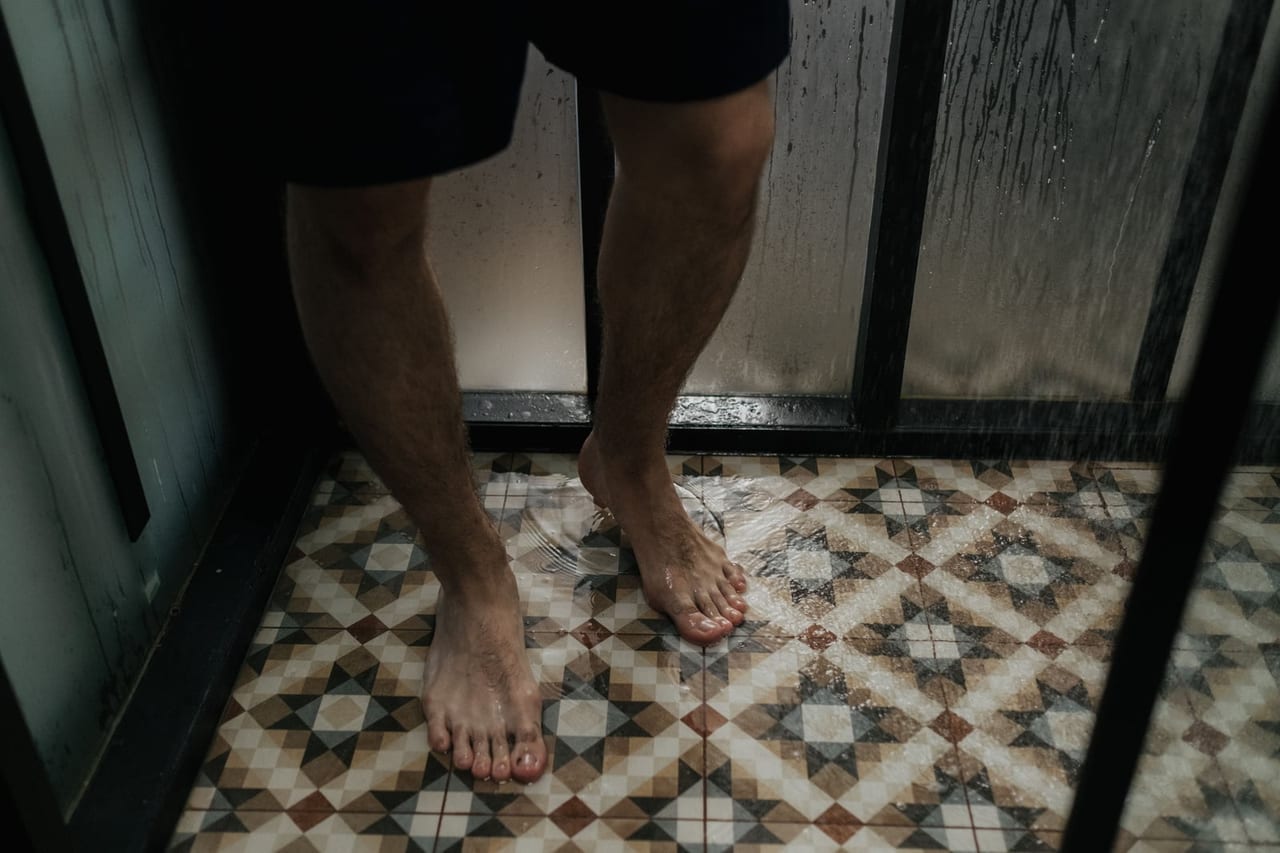
Use mild soap and water, including between the toes. The end-of-day shower is a natural time.
Dry between the toes
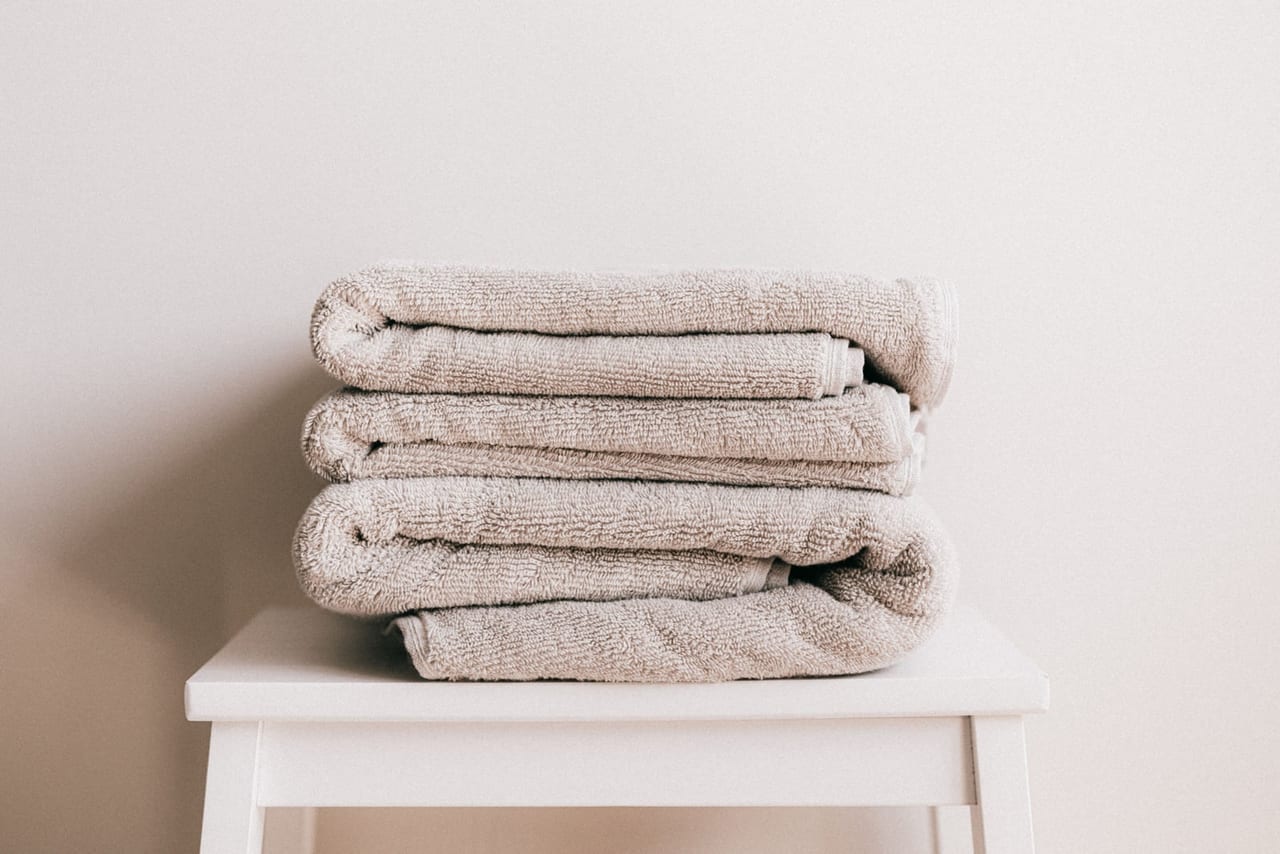
Pat each foot dry with a clean towel, getting into the spaces between the toes, before you put on socks. Keep that towel for your own use.
Change damp socks
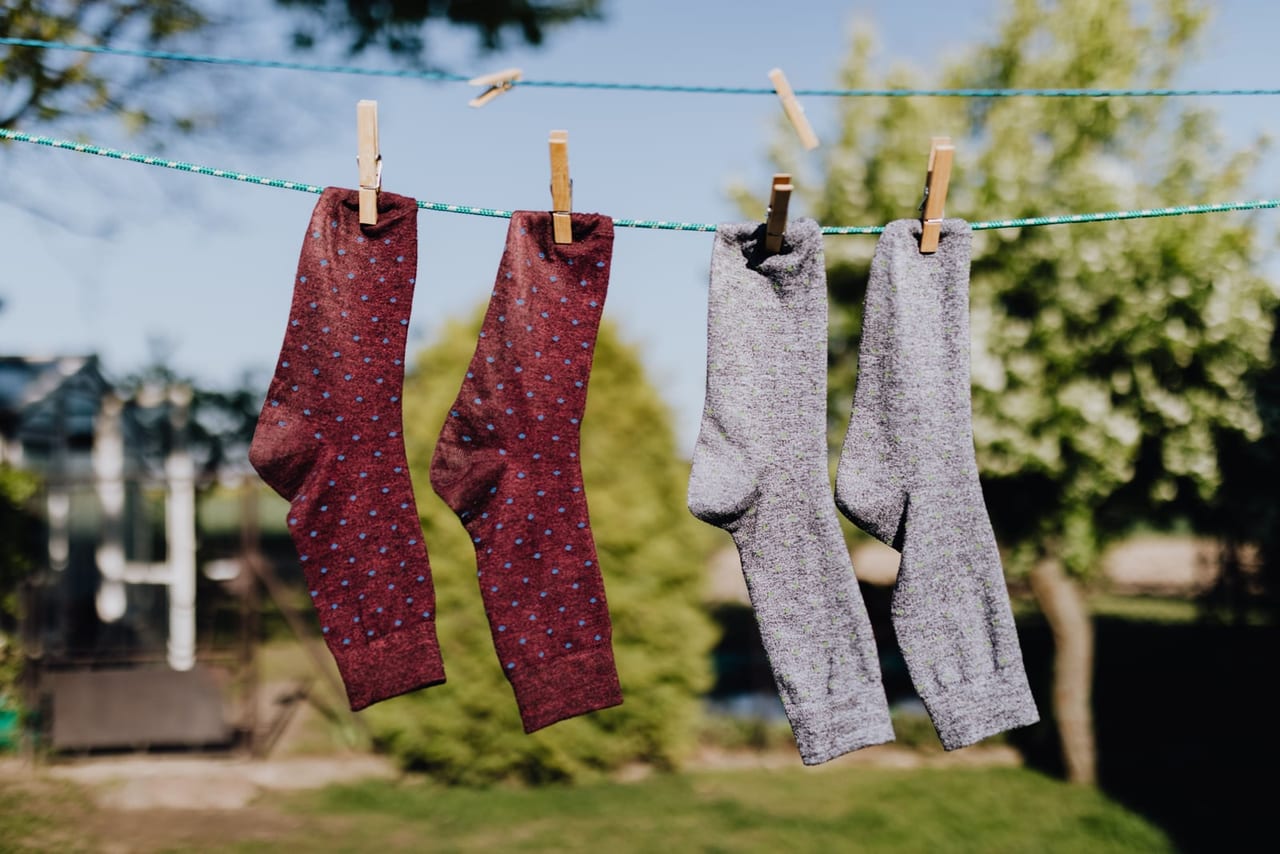
Start the day in a clean pair, and change sooner when your socks feel damp, such as after exercise or on a hot day. Socks that wick moisture or dry quickly are a common choice.
Give shoes time to dry
Wear a different pair each day when you can, so each pair has time to dry before it goes back on.
Wear sandals in shared wet areas
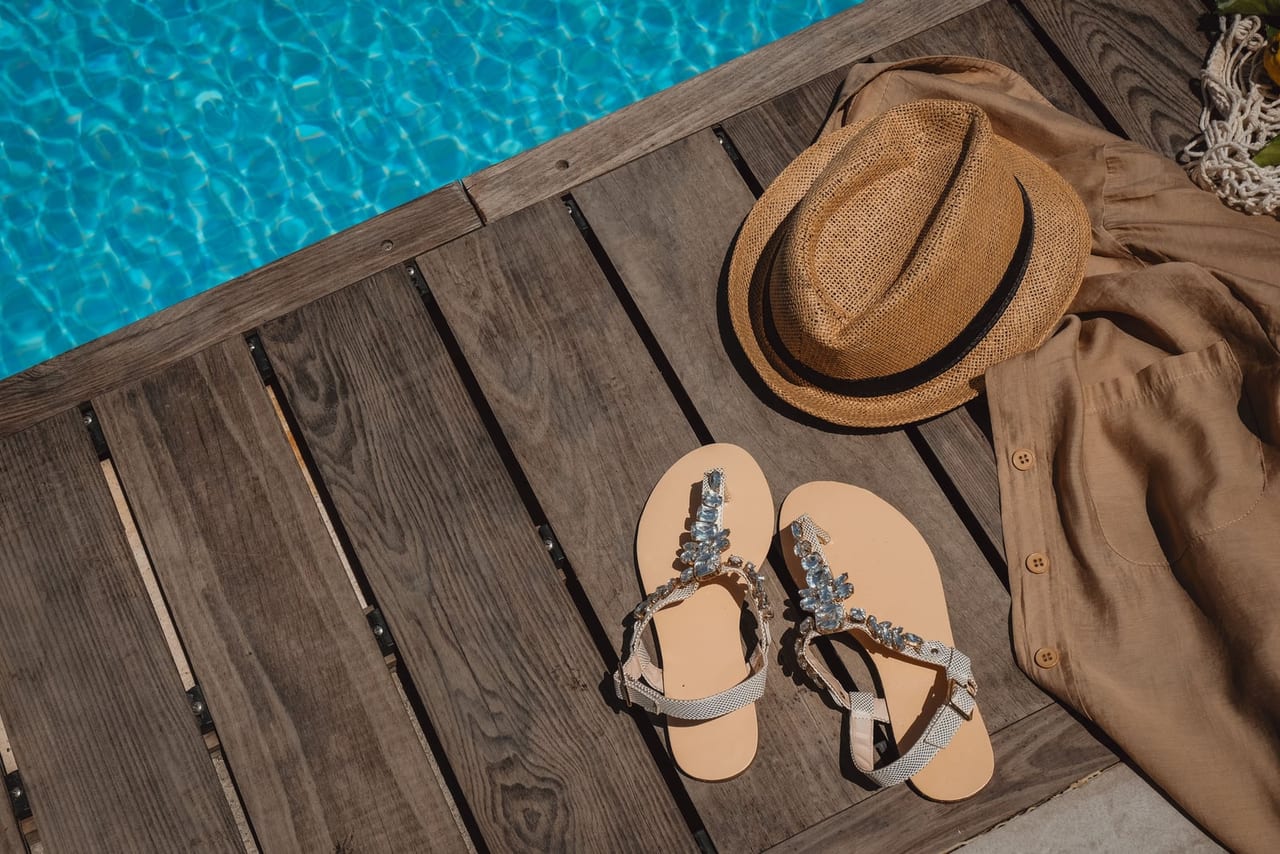
Slip on shower shoes or sandals at pools, gyms, saunas and locker rooms rather than going barefoot. Keep your own towel, and don't swap shoes or socks with other people.
Most of these habits slot into moments that already exist: the shower, the sock drawer, the shoe rack by the door. Keeping toenails trimmed and clean is a common part of the routine too, and how to trim your toenails covers the cut. Habits like these lower the chance of athlete's foot without ruling it out, so a rash that turns up anyway isn't a sign that you did something wrong.
What your shoes and socks have to do with it
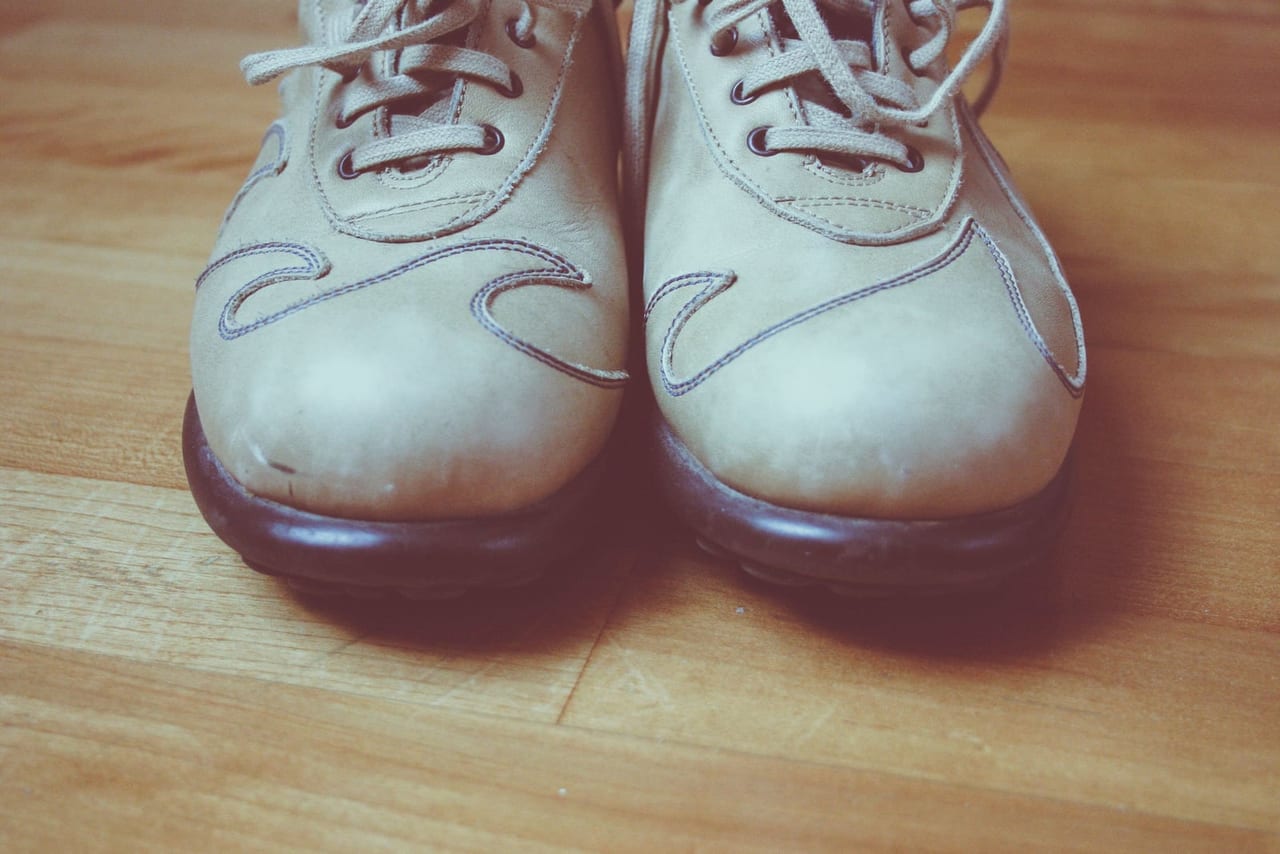
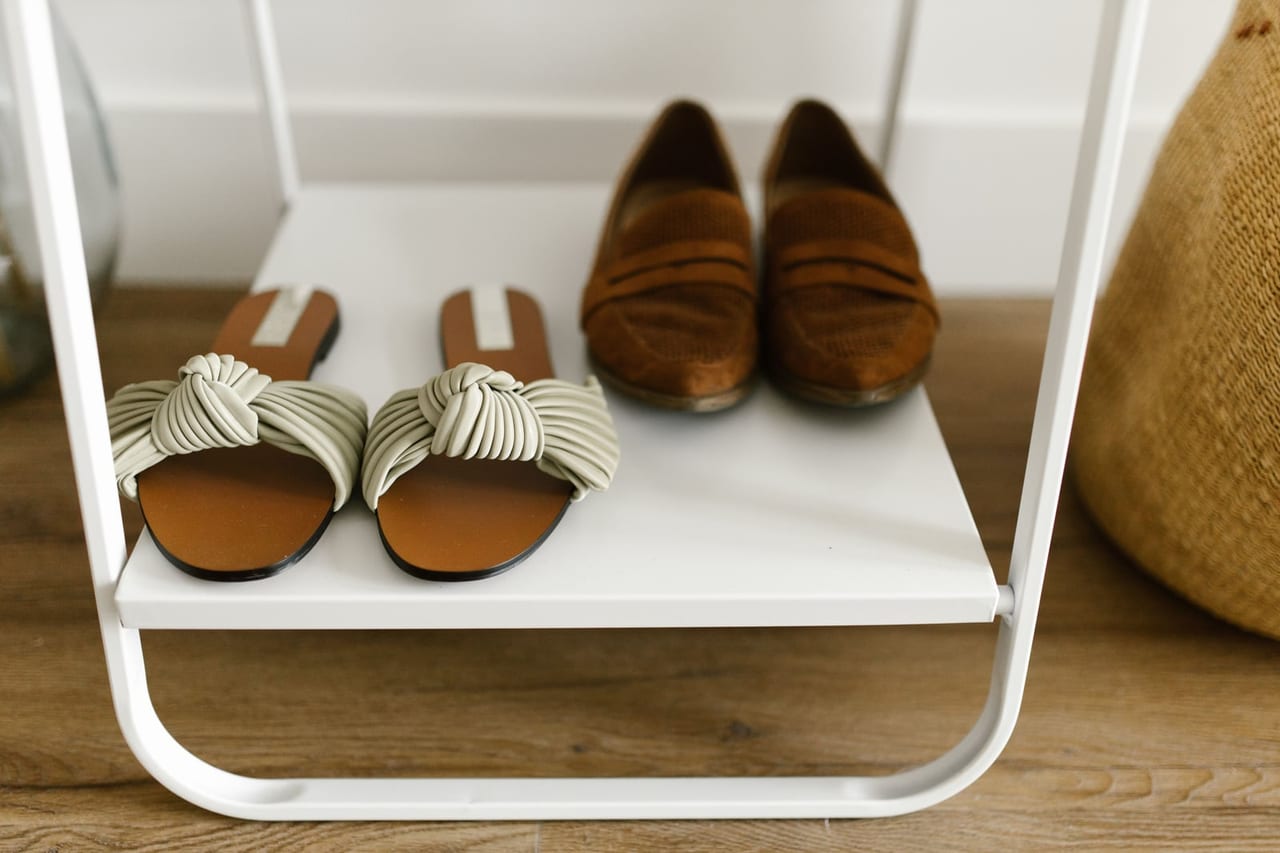
Shoes shape how long moisture stays around your feet. A shoe with a leather or canvas upper lets air move through, while vinyl, rubber and other plastics hold heat and sweat in, so light, well-ventilated shoes are the usual suggestion. Sandals leave feet open to the air on warm days, and so does slipping your shoes off at home.
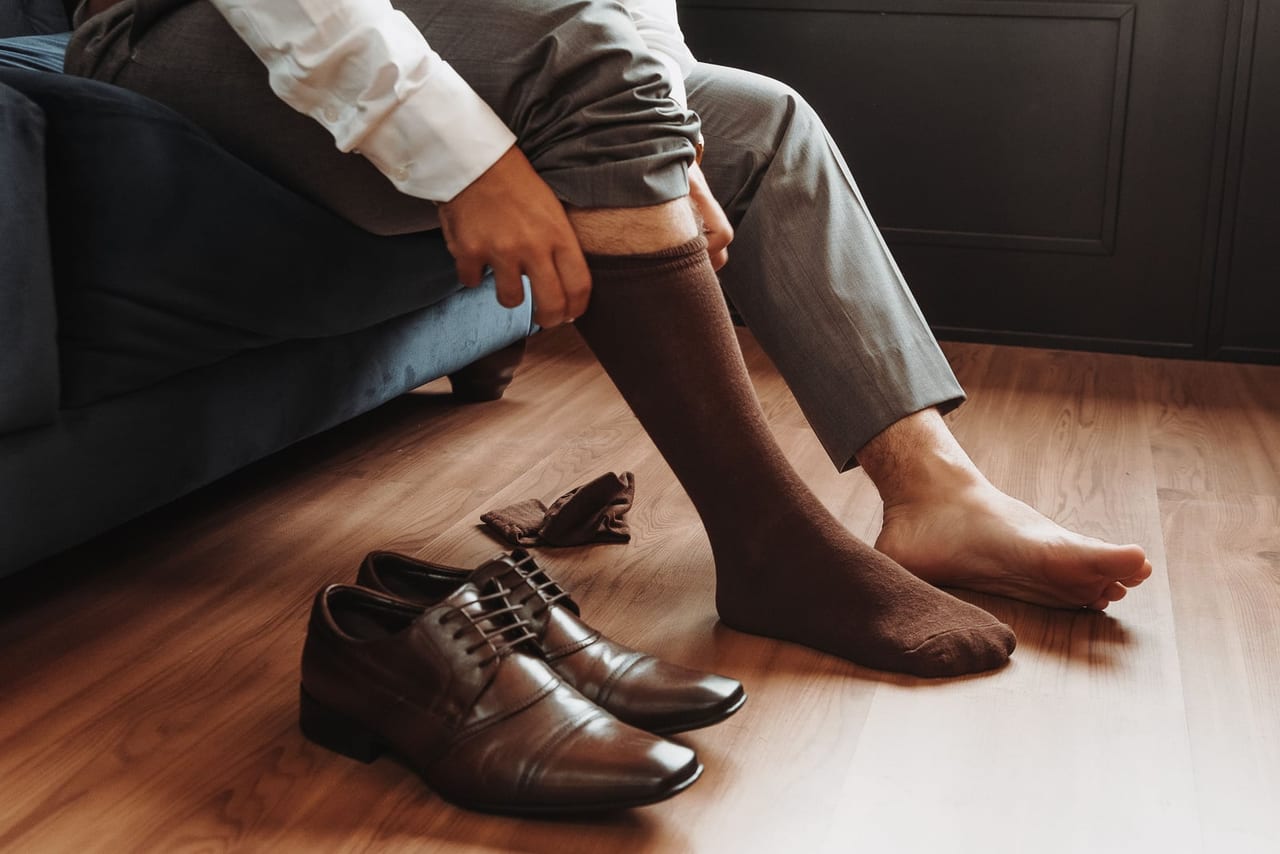
Socks take up much of what the skin gives off, and a damp pair is better swapped than worn on. Where shoes spend the night counts too: an open rack lets air move through a pair, while a closed locker or gym bag keeps it warm and damp. The rest of the shoe routine is covered in how to keep shoes and insoles fresh.
What a pharmacist or healthcare professional may do
The pharmacy is a common first stop, where creams, sprays and powders made for athlete's foot are sold without a prescription and a pharmacist can explain how to use one. Follow the label: it gives the directions, including how often to apply a product and for how long.
A healthcare professional may be able to tell what's going on by looking at the skin and asking a few questions. When the picture isn't clear, they may take a small skin sample to examine in a lab, which can confirm the fungi or point to something else. If a rash is stubborn, they may talk through other options, such as a stronger prescription cream or, for more serious cases, a medicine taken by mouth.
When athlete's foot may mean something more
A mild case is usually an itchy, flaky patch between the toes, on one foot or both. Rashes like that are common, and a pharmacist is a reasonable first person to ask about one. Noticing when it bothers you most, perhaps after long days in closed shoes, is worth mentioning.
Pay closer attention when the picture stops fitting that pattern. A rash that isn't getting better after about two weeks of home care, or that keeps coming back, is worth a conversation. So is one that spreads to the other foot, the hands or the groin. Cracks and open skin can let other microbes in, so skin that turns red, warm or swollen, drains pus or comes with a fever is a reason to see a healthcare professional.
Questions people ask
Is athlete's foot contagious?
Yes. The fungi spread through skin-to-skin contact and through damp surfaces such as towels, shower floors and pool decks. Sandals in shared wet areas, a towel of your own and not swapping shoes or socks are the usual ways people avoid passing it on or picking it up.
Is it athlete's foot or just dry skin?
It can be hard to tell. Dry skin, eczema and reactions to soaps, laundry products or shoe materials can all leave feet itchy and flaky, so looks alone aren't reliable. A healthcare professional can tell what's going on, sometimes with a small skin sample.
Can athlete's foot spread to other parts of the body?
It can. The same fungi can reach the hands, usually through scratching or sharing a towel between hands and feet, and the groin, where the rash is called jock itch. They can sometimes reach the toenails too. A rash that appears somewhere new is worth mentioning to a healthcare professional.
The bottom line
Athlete's foot comes down to fungi meeting skin that stays warm and damp, and an ordinary day can supply both. You can't steer clear of every wet floor, but how long your own feet stay wet is something you get a say in.