How Often Should You Change Your Socks?
Socks spend the whole day between your feet and your shoes, taking up sweat you never see. Changing them often is one of the simplest things you can do for your feet.
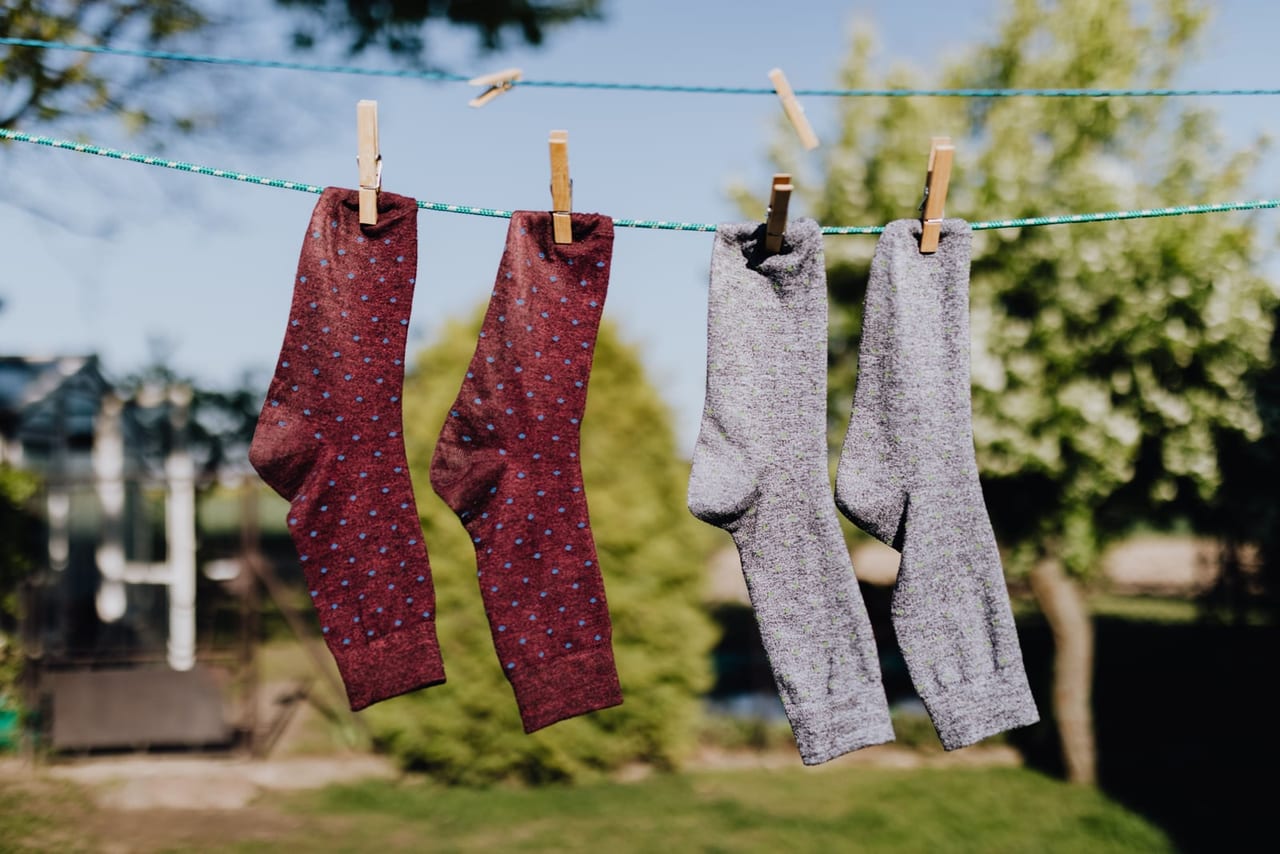
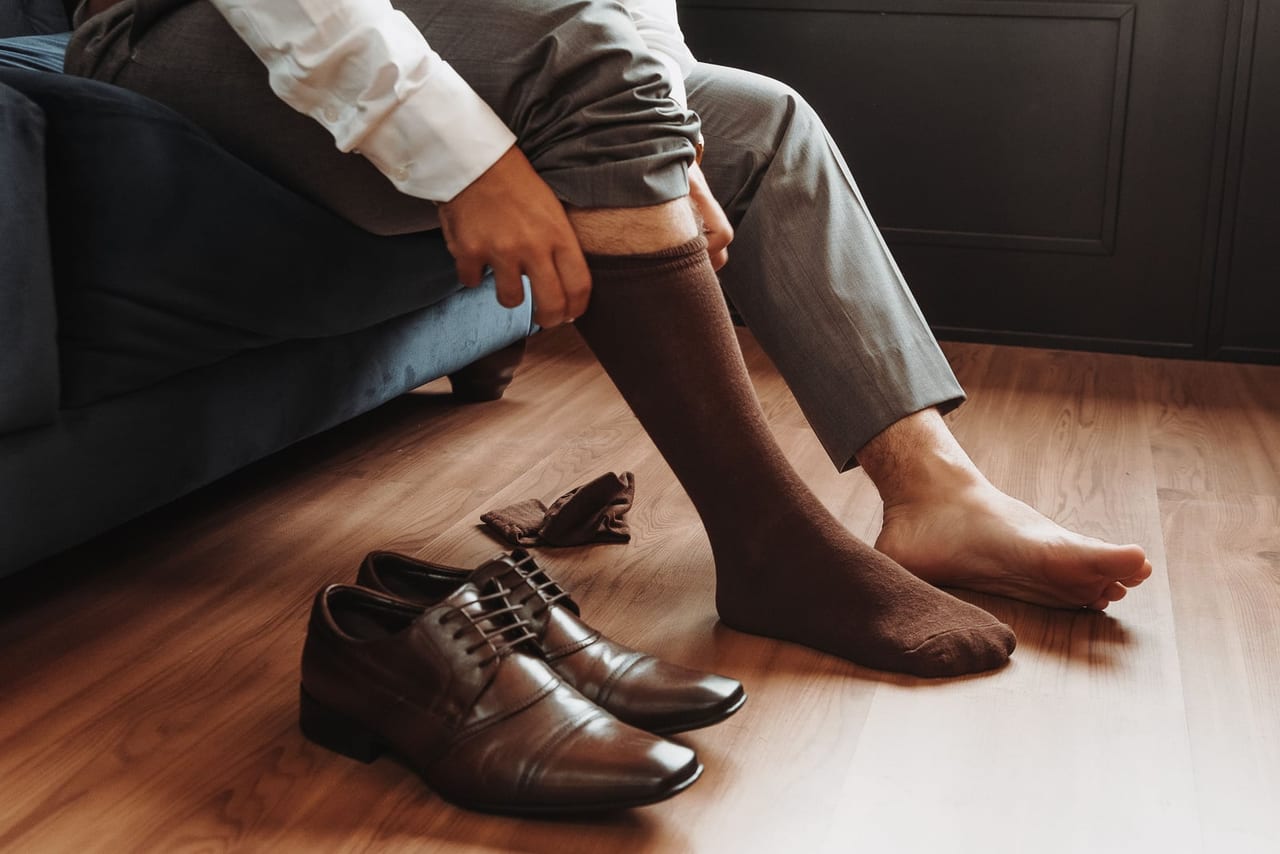
Peel off your socks at the end of a long day and they look much as they did that morning, perhaps a little stretched at the cuff. Nothing about them says they're ready for the wash. With the drawer running low and the same pair still on the chair, the temptation is to give them one more day.
The short answer
Put on a clean pair of socks every day, even if yesterday's pair looks fine. Change sooner whenever your socks feel damp: after exercise, halfway through a long or hot shift, or when your feet get wet. Avoid wearing the same pair two days in a row, putting damp socks back on, or pulling socks over feet that are still wet. If you have diabetes or reduced feeling in your feet, put on clean, dry socks every day and check your feet as you do.
Why a sock that looks clean is ready for the wash
The soles of your feet have some of the most tightly packed sweat glands in your body, and your socks take up much of that moisture. Heat, activity and stress can all make feet sweat more. Inside a closed shoe, a damp sock dries slowly, and damp skin rubs more easily than dry skin, so blisters and chafing become more likely as the hours go by.
Odor builds in the same slow way. Fresh sweat has little smell; the odor comes when microbes that live on your skin, and in your socks and shoes, break that sweat down. A sock worn for a second day starts with yesterday's sweat already in it, so odor has a head start.
Your shoes are part of the same system. Moisture in your socks moves into your shoes and insoles, which then need longer to dry, and a pair of shoes that never dries out is where lasting odor tends to settle. Changing socks is, in that sense, shoe care as well as foot care.
The days that call for a second pair
In the heat, a damp sock holds sweat against your skin and rubs. In the cold, it works against you in another way: wet cotton loses its ability to keep you warm, so damp feet get cold faster. Wool and most synthetic fibers keep much of their warmth even when damp, which is why they're a common choice for cold, wet days. Whatever the fiber, a dry spare pair is an easy way to finish the day more comfortably.
Some days simply put more moisture into your socks than others. A full shift in the same shoes is a long time for one pair, so change at the midpoint, on a break. Hot weather makes feet sweat more, and closed shoes hold that warmth, so a midday change can help your feet feel drier. Heavy, enclosed boots and safety shoes hold warmth and moisture too, and socks worn in them often need changing sooner.
Exercise and wet weather call for the same reflex. Change soon after a workout or a long walk rather than wearing the sweaty pair home, and let the damp pair air out before it goes in the laundry basket. In rain, snow or puddles, take wet socks off as soon as you can, dry your feet and put on a dry pair, which is far easier if a spare lives in your bag or car.
A simple daily sock routine
None of this takes more than a few minutes a day, and most of it comes down to having a clean, dry pair ready whenever you need one. You need a laundry basket, a clean pair for each day and a spare for long or hot days, and the daily change is also a good moment to look your feet over.
Start each day with a clean, dry pair
Socks take up sweat all day, so a pair worn once is ready for the wash, even if it still looks clean. Dry your feet well, including between your toes, before you pull them on.
Change when your socks feel damp
On a long shift, a hot day or a day in boots, change into a dry pair halfway through or whenever your socks feel damp. Keep the spare pair in a small clean bag.
Swap socks after exercise
Change out of sweaty socks soon after a workout or a long walk, rather than wearing them home. Dry your feet first.
Wash every pair after one wear
Turn socks inside out and wash them as the care label directs. Let them dry completely before they go back in the drawer.
Keep enough pairs in rotation
Have a clean pair for every day between laundry days, plus one or two spares for long, hot or wet days.
Retire pairs that have worn out
Replace socks with thin heels, holes, loose cuffs or fabric that stays stiff after washing. A worn sock can bunch, rub and hold on to moisture.
The routine becomes automatic once the spare pair has a home, whether that's a small clean bag in your work bag or a spot in the car. Notice how your socks feel when they come off, too: damp by the midpoint of a shift means keep that spare handy, and a heel gone thin means the pair is ready to retire.

Washing, drying and storing socks
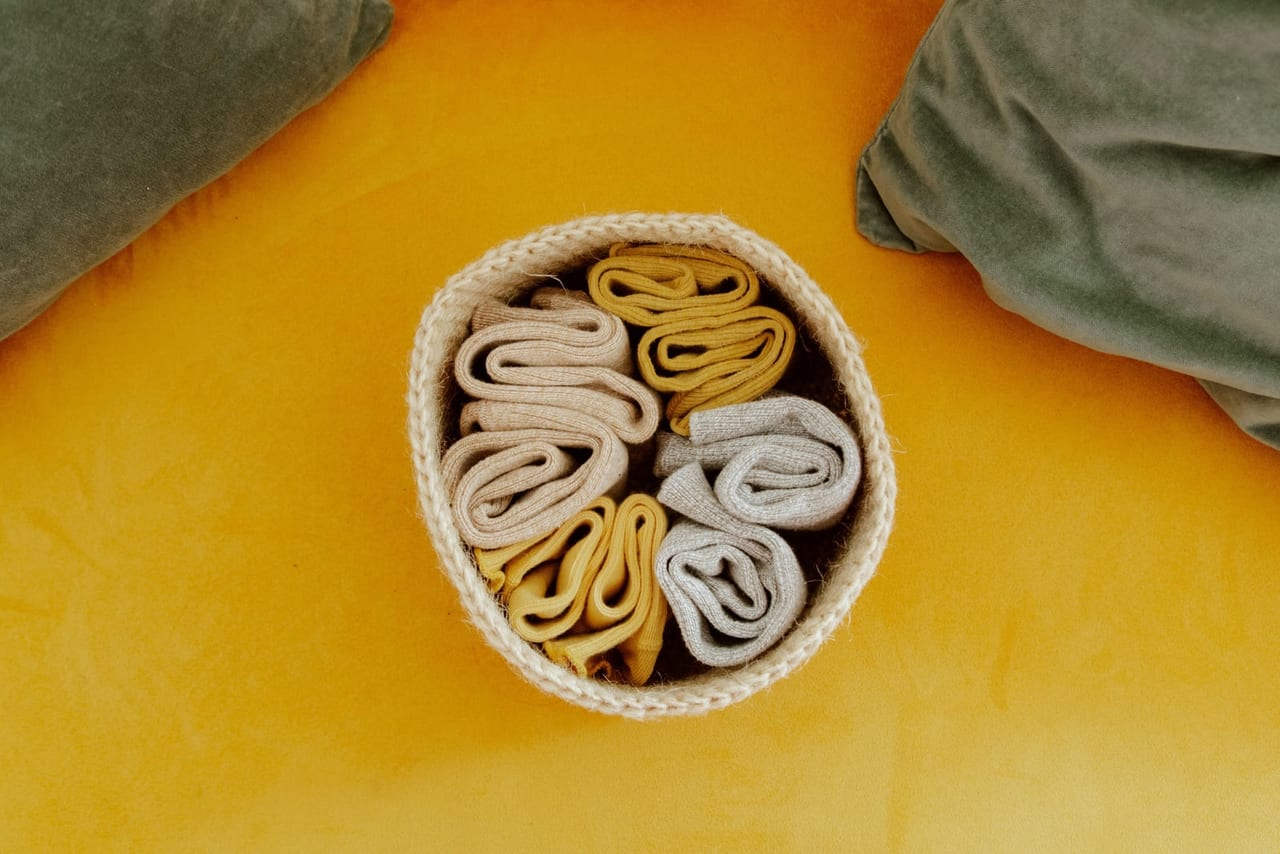
Clean socks only help if they go back on dry, and a few habits keep every pair ready. Turn socks inside out, which can help the wash reach the side that touched your skin, and follow the care label, since wool and other performance socks often call for a gentle cycle and air-drying. Thick heels and toes dry last, so check them before you put a pair away; socks that go into a drawer or bag while still damp can pick up a musty smell.
Your shoes need the same care, since the moisture that leaves your socks ends up in them. Fresh socks go further in shoes and insoles that also get a chance to dry between wears, and how to keep shoes and insoles fresh covers the other half of the routine. For choosing the sock itself, there's more in socks for long days on your feet.
When sock problems may mean something more
Some things are ordinary: warm, slightly damp feet at the end of a long day, or a mild smell from worn socks that washes out and doesn't return the next day. Feet that sweat more in the heat or through a hard shift are doing what feet do. A good routine is usually all they need.
Pay closer attention if the odor stays strong even with fresh socks and daily washing, or if the skin between your toes itches, peels or cracks. The same goes for sweat that soaks through your socks and gets in the way of daily life. It may not be serious, but it's worth getting checked.
Questions people ask
Is it OK to wear the same socks two days in a row?
It's better not to. A worn pair holds the previous day's sweat, so your feet start the day damp and odor has a head start, even if the pair looks and feels clean the next morning.
How many pairs of socks do I need?
Enough for a clean pair every day between laundry days, plus one or two spares for long, hot or wet days. If you do laundry once a week, that means about nine pairs, and the spares matter as much as the daily pairs on the days you change twice.
How often should socks be replaced?
Replace a pair when it wears thin at the heel or toe, gets holes, loses its stretch or stays stiff after washing. How long that takes depends on the fiber and how often you wear it, and a worn sock can bunch, rub and hold on to moisture.
The bottom line
How a sock looks says little about what it's holding, so the better question isn't whether it looks clean but how long the moisture has been sitting there. Feet will sweat, but you can decide how long that moisture stays against them and whether your shoes get time to dry before they go back on.