Why Rotating Your Shoes Helps Them and Your Feet
A favorite pair of shoes often goes back on before its lining and insole have finished drying from the day before. Alternating two pairs gives each one a rest, a simple habit with a sensible reason and some honest limits.
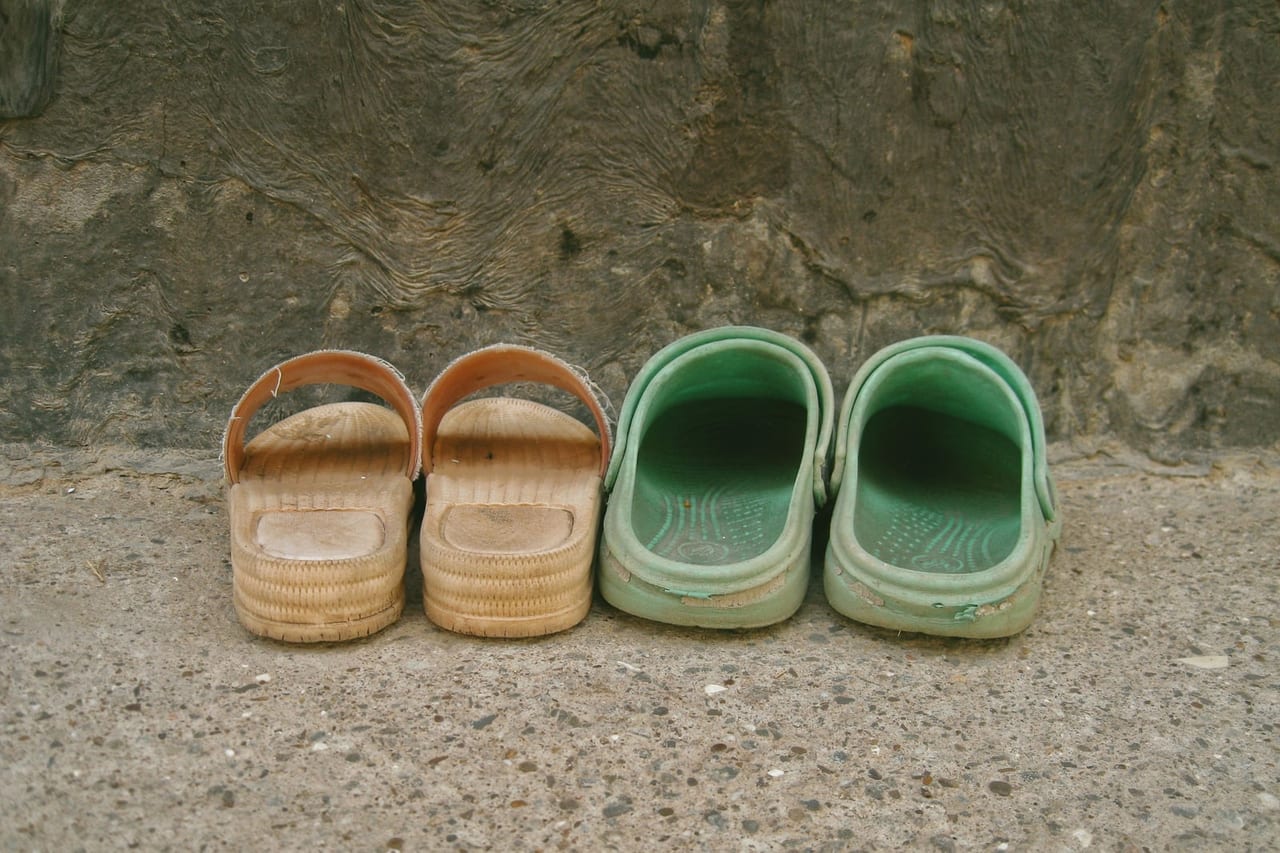
Line up the shoes by your door and a pattern tends to show. One pair is creased across the toe, its heel leaning, its insole worn smooth; the other, from the same season, looks almost new. The favorite does most of the work because it fits, goes with everything and is already out.
It's tempting to blame age, but the favorite has also never had a day off. Each morning it goes on with the lining and insole not quite dry from yesterday, and each evening it takes in another day of sweat. Whether a second pair is worth the room on the rack, and what it would change, is a fair question.
The short answer
Rotating shoes means wearing at least two pairs in turn, so each gets about a day to dry and rest before it goes back on. A closed shoe holds sweat in its lining and insole for hours, and two pairs also share the wear, so each lasts longer on the calendar. Avoid putting a damp pair straight back on, speeding up drying with a radiator or dryer, or expecting a second pair to bring back one that has worn out.
Most people simply alternate two everyday pairs, air the insoles at night and give a soaked pair extra time. It's common advice rather than a tested rule: the drying benefit is the one most widely backed, and the effects on cushioning and comfort are softer. If odor, itching, peeling skin or pain stays in every pair, a healthcare professional can tell what is going on.
Why a day off matters to a shoe
Feet sweat into shoes all day, and the moisture has to go somewhere. Most of it passes through the sock and settles in the lining and insole, which sit under the foot and dry slowly because a shoe is closed and warm. A pair can feel dry outside while the inside is still damp, so the next morning begins where yesterday ended.
Odor follows the same slow logic. Fresh sweat has little smell; the smell comes when microbes that live on your skin and in your shoes break it down, and a warm, damp shoe suits them well. A pair that dries between wears gives them less to work with, and letting shoes dry is among the habits commonly suggested to people who get athlete's foot.
How long is a day off? The figure most often given is about 24 hours, longer after a wet or very sweaty day. It's a rule of thumb: thick, padded or lined shoes and boots tend to dry more slowly than thin, airy ones, and uppers that don't breathe hold sweat in longer. Back-to-back days leave only the night to dry, and a closed shoe often needs longer.
What rest does, and doesn't do, for cushioning and wear
Moisture isn't the only reason people rotate. The foam in a midsole is squeezed with every step, and a common claim is that it needs a day or two to spring back. That part is less settled than it sounds: few formal tests have looked at it, and cushioning seems to wear down mostly with total steps, so a day off may not bring a tired midsole back.
The steadier benefit is simple arithmetic. Two pairs share the steps, so each is worn half as often and lasts longer on the calendar, though the total wear is the same. Constant damp and flexing can also wear on glue and foam, and sweat left in leather can leave it misshapen, so a pair that dries between wears may hold together a little longer.
There's a modest comfort angle too. No two pairs are cushioned, shaped or worn in quite the same way, so alternating them changes where pressure falls on your foot from day to day, and some people like that variety after long days on their feet. Whether it lowers anyone's chance of injury hasn't been settled, so it's a pleasant possibility, not a promise.
A simple shoe rotation routine
A rotation is less a system than a habit: a second pair, an open spot where shoes can air and a few seconds at the end of the day. You need an open rack or shelf and, for leather pairs, shoe trees; plain paper works for other shoes.
Add a second pair
Choose a second pair that suits the same kind of day, so swapping never feels like a step down. Two pairs is enough to begin with; a third suits very sweaty feet or shoes that get wet often.
Alternate your days
Wear one pair one day and the other the next, so each gets at least a full day off. A loose pattern is fine, as long as a pair isn't worn two days running.
Air them out after wear
Loosen the laces, pull the tongue forward and lift out any damp insoles to stand on their edge. Set the shoes on an open rack or shelf, not in a closed bag, locker or car trunk.
Hold the shape while they rest
Once the shoes have cooled a little, put shoe trees in leather pairs. Crumpled plain paper does a similar job in sneakers.
Give wet pairs extra time
A soaked pair needs more than a day. Take out the insoles, stuff the shoes loosely with plain paper, change it when it turns damp and let them dry at room temperature, away from heaters and direct sun.
Note the date each pair starts
Jot down when you start wearing each pair, on a calendar or in your phone, so you can see how long it has been in use.
The routine rarely needs more than that. Heat is the one shortcut to skip, since a radiator, dryer or hot sun can warp foam and loosen the glue that holds most soles on, and how to dry wet shoes without ruining them explains the slower way.
Making a rotation fit your week
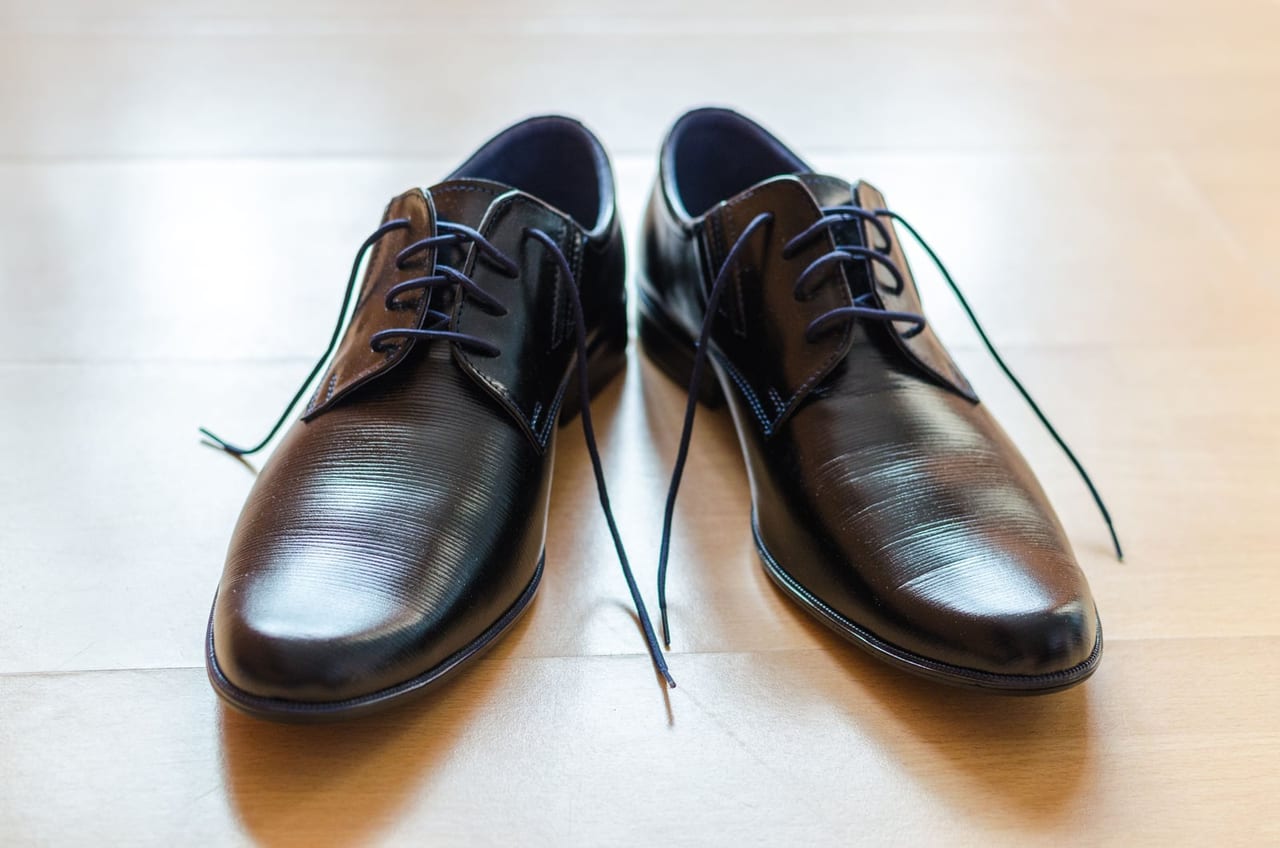
The easiest rotation uses shoes you already own: work shoes and casual shoes, or a walking pair and a pair kept for errands. The pairs needn't match, but they should suit the day, since a dress shoe swapped in for a long walk isn't a sensible trade. Two pairs is the usual starting point, and three begins to make sense for very sweaty feet, thick boots that dry slowly or a pair that gets wet often.
Insoles raise another question: some people leave one in each pair, and others move one between pairs. If you move them, check the fit each time, because the same insole can sit differently in a shoe of another shape or depth, and insole fit basics explains what to look for.
Rotation has plain limits. It won't bring back cushioning that has gone flat, firm up a softened heel or make a shoe fit that never did: a worn-out pair stays worn out, and how to tell when your shoes are worn out covers the signs. A day off won't lift odor that has soaked into an old insole either, which may need a wash or a replacement.
When shoe trouble may mean something more
Some things are ordinary even with a good rotation: a little smell after a hot day or a long shift, or a lining that feels faintly damp at midday. A pair that has had its day off and still smells usually needs a clean or fresh insoles, not a closer look at your feet.
Pay closer attention when the trouble follows you from pair to pair. Strong odor in every pair is one sign. So are itching, peeling or cracked skin between the toes, sweat that soaks through socks and shoes, and an ache or sore spot that stays after you switch to shoes that fit. These are signs about the foot rather than the shoe, and they're worth having looked at.
Questions people ask
Is it bad to wear the same shoes every day?
It isn't harmful in itself, and plenty of people do it for years. But the shoe never quite finishes drying, so odor tends to build and the materials age without a rest. With one pair, loosen the laces and pull the insoles out each night.
How do I know a pair is dry enough to wear again?
Take out the insole and press a hand into the toe and heel. The lining should feel as dry as the room, not cool or clammy. If it doesn't, give the pair more time in open air at room temperature; heat is not a good way to hurry it.
Do I need shoe trees to rotate shoes?
No, though they're a useful extra for leather. Shoe trees help a pair hold its shape while it rests, and unfinished cedar may take up a little moisture, but neither replaces the day off. Crumpled plain paper does a similar job in sneakers.
The bottom line
A pair of shoes is asked to do two things all day: carry your steps and take in your sweat. Resting it won't change how many steps it has in it, but it does give the sweat time to leave, and that's the part a day off can really change. It's most of what rotating shoes is about, and it asks for little more than a spare pair and a habit.