What a Cobbler Can Fix, and When Repair Is Worth It
A worn heel, a thinning sole or a seam that's come loose can make a favorite pair look finished long before it is. A good repair counter can often bring that pair back, though not every shoe is built to be saved.
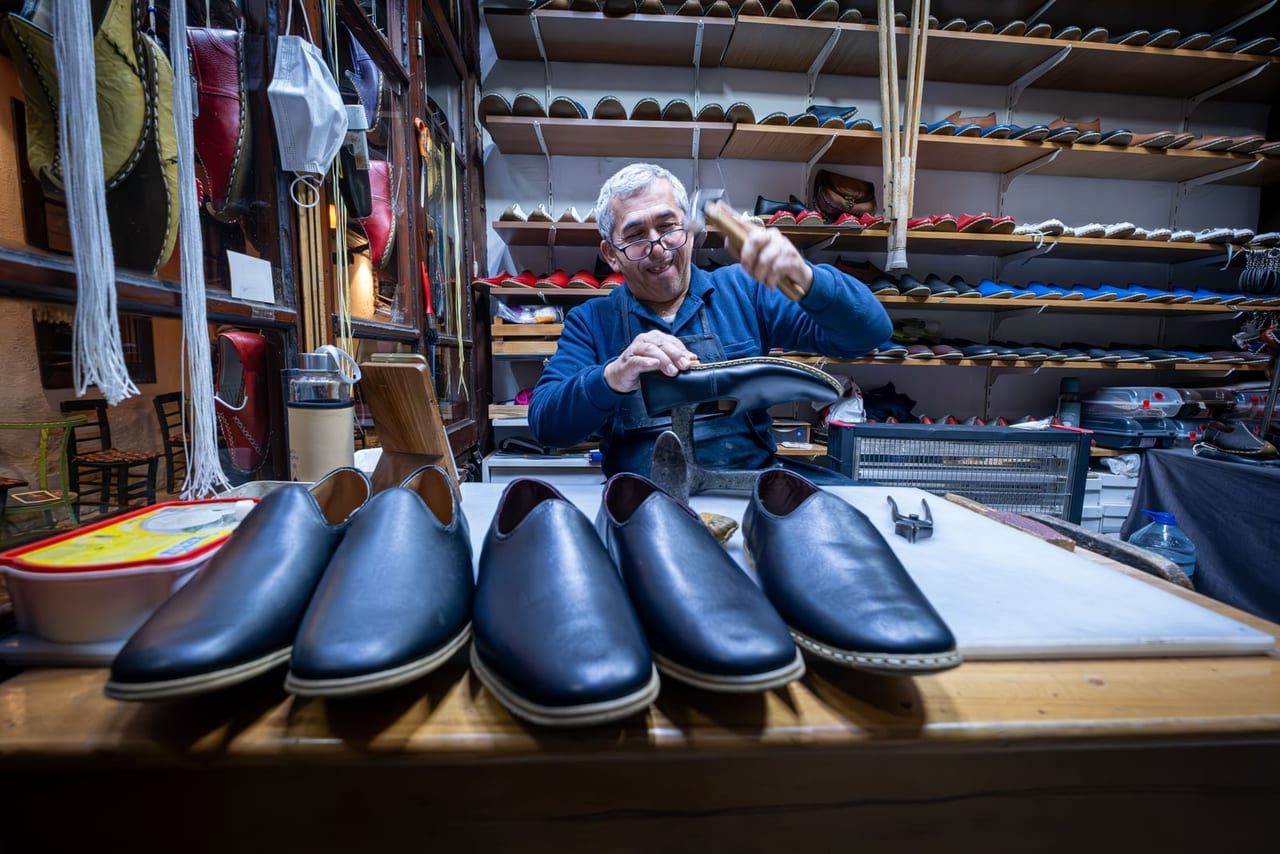
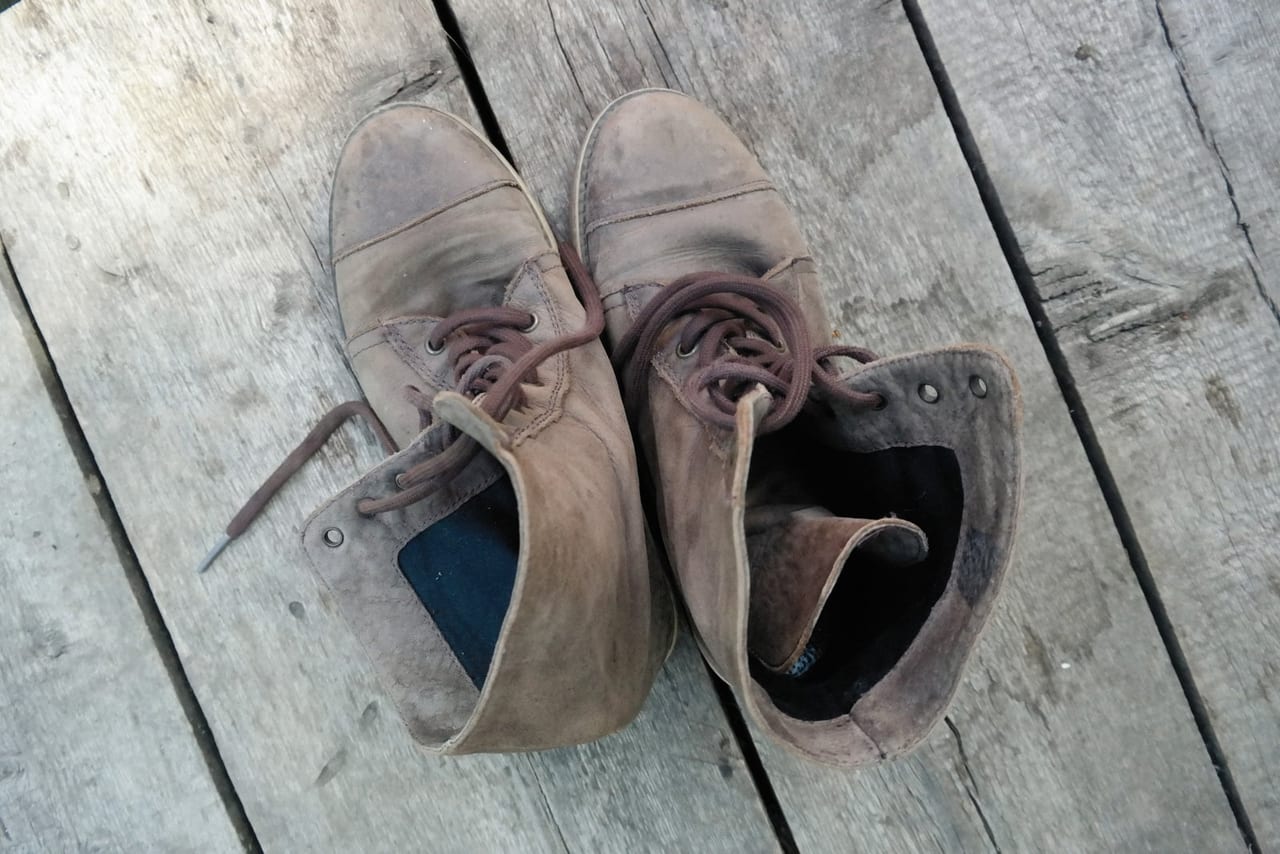
Turn over a pair of leather shoes after a few years of commuting and the wear is easy to read. The heel has gone down at the back corner and the sole has thinned under the ball of the foot. Up top, though, the leather has softened where your feet bend, and the pair feels better than it did on day one. That mix of worn out and just right makes the decision hard, since from the sidewalk it isn't obvious what a repair counter can do.
The short answer
A shoe repair shop can usually replace worn heels and soles, restitch seams and replace eyelets, and it can often fix zippers and straps. Many shops can also stretch leather shoes a little where they pinch, add rubber sole guards or heel grips, and clean, condition or re-dye leather.
Repair tends to be worth it when the upper is sound, the shoe fits well and the wear is in the parts that touch the ground, as in many stitched leather shoes and boots. Skip it when the cushioning has gone flat, the leather has cracked through or the pair never fit. If a shoe still presses or hurts after it's been stretched, or your toes go numb in it, have your feet checked.
The parts of a shoe that are made to be replaced
A shoe is built in layers that wear at different speeds. The upper wraps your foot, and beneath your foot sit the insole, the outsole that meets the ground and, in many leather shoes, a layer of cork filler between them. The heel, often a stack of layers, ends in a thin, tough piece called a heel tip or top lift. Every step grinds the outsole and heel against the pavement while the upper only flexes, so the bottom usually goes first.
Well-made shoes are designed around that. The heel tip is meant to be swapped before the wear reaches the heel itself, and a fresh one can set a shoe worn down at one corner back on level ground. A worn sole on a stitched shoe can be taken off and replaced, often over fresh cork filler, while the upper that has shaped itself to your foot stays as it is. A thin rubber sole guard can also add grip to a slick leather sole on wet floors.
Some parts of a shoe are beyond any repair. A sole can't be made longer, and a narrow toe can be eased but never reshaped. The foam in a sneaker's midsole compresses with every step and slowly loses its spring, even on the shelf, and no stitch or glue brings it back.
How a shoe's construction decides what can be fixed
Whether a sole can be replaced depends mostly on how it's attached. In a welted shoe, a narrow strip of leather called the welt runs around the edge, with the upper stitched to it and the sole stitched to it again. A repairer can open that lower row of stitching and stitch a new sole to the same welt without touching the upper. That's why welted shoes and boots often outlast more than one sole.
Most sneakers and many casual and dress shoes are glued instead. Heat, damp and constant flexing weaken the bond, so a glued sole tends to peel at the toe or heel. A lifting sole can often be glued back down, and some glued soles can be replaced outright, depending on the shoe and the shop. To see which kind you have, look where the upper meets the sole. A strip with stitching through it, often visible under the sole too, suggests a welt. A smooth seam with no stitching suggests glue, though a repairer can tell you for sure.
What stretching can and can't change
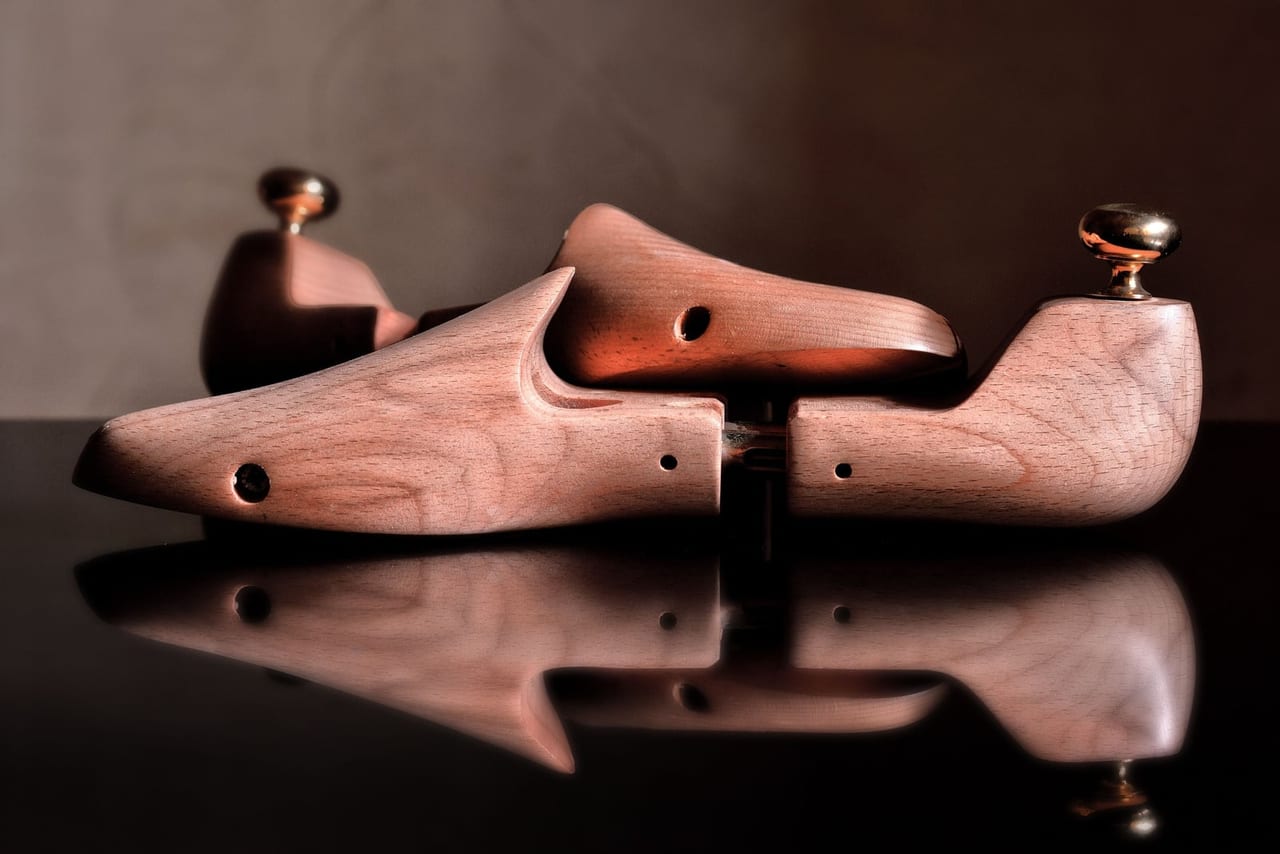
Stretching is a common request, and an easily misunderstood one. Leather can usually be eased a little, mostly in width and often by no more than about half a size. Many shops can also stretch a single spot that presses, such as over a toe joint. Synthetic materials often barely stretch, and length is the hard limit, because the sole sets it.
That limit matters for your feet, not just the shoe. A pair that fits should feel comfortable from the first wear, with about half an inch of room in front of your longest toe and a heel that stays put. A shoe that pinches in one place is a fair candidate for stretching; one whose toes reach the front is simply too short. If most shoes feel tight across your foot, how to find shoes that fit wide feet may help more than any stretch.
A tight spot is worth taking seriously rather than waiting for it to give. Pressure in one place, hour after hour, can rub a blister or build a patch of thick, hard skin, and a shoe that squeezes the toes can leave them numb. A spot that still presses after a stretch isn't likely to ease with wear.
When a repair is worth it, and when it isn't
Repair makes the most sense when the part you'd struggle to replace is still good. A well-made leather shoe or boot with a supple, uncracked upper is the classic case, since a new heel or sole keeps a fit you already know. Timing matters too: a heel tip replaced while it's merely worn is a small job, but one walked down into the heel can become a bigger repair.
The case is weaker when the wear is in the shoe itself. Sneakers and walking shoes usually give out in the foam, not the outsole, so a reglued sole won't bring back flattened cushioning; how to tell when your shoes are worn out covers the signs. A heel cup that has collapsed, leather cracked through where it bends and a pair that never fit are poor bets too.
Inexpensive glued shoes fall somewhere in between. A repair is worth it when it fixes the weakest part of the shoe. If the upper or the cushioning is close to giving out as well, the money is better spent on a new pair.
How to get a pair ready for repair
Getting a pair ready takes about 15 minutes at home, and it makes the conversation at the counter quicker and clearer. You'll need a soft brush, a damp cloth, the socks and insoles you wear with the pair, and a note of what's wrong.
Clean and dry the pair
Brush off dirt and wipe the shoes with a damp cloth so the repairer can see the leather, seams and wear. Let a wet pair dry at room temperature first.
Look over the heels and soles
Check the back edge of each heel, the sole under the ball of the foot and the seam where sole meets upper. Note loose stitching, holes or a sticking zipper.
Find the spot that pinches
If a pair feels tight, wear it for a few minutes in your usual socks and note exactly where it presses, so a stretch goes where it's needed.
Bring your socks and insoles
Take the socks and any insoles or custom-made inserts you wear with the pair, since both change how a shoe fits.
Ask before the work begins
Ask what the pair needs now, what can wait, how long it will take and what it will cost. It's fair to ask whether the shoes are worth fixing at all.
When you collect the pair, try it on before you leave and wear it around the house for an evening before a long day out. A spot that still presses or rubs won't wear itself away, so take it back while the work is fresh.
When a shoe that still hurts may mean something more
Some adjustment after a repair is ordinary. A new heel or sole can feel slightly different for the first few wears, and feet can feel tired after a long day in any pair. That kind of tiredness is even on both feet and fades after a night's rest.
Pay closer attention when the same spot keeps hurting after a pair has been stretched or refitted, when one foot feels far worse than the other, or when your toes go numb in shoes that should fit. These are reasons to have your feet checked, not just your shoes.
Questions people ask
Can a cobbler make shoes smaller?
Only a little. Heel grips or a slightly thicker insole can take up some room in a pair that's a touch loose, but nothing makes a clearly oversized pair fit. If your heel lifts out with every step, the shoe is too loose to hold your foot steady.
How many times can shoes be resoled?
There's no set number. A welted shoe can often take several new soles, since each one is stitched to the same welt, and a worn welt can sometimes be replaced too. The real limit is usually the upper, because once the leather cracks through, another sole stops making sense.
The bottom line
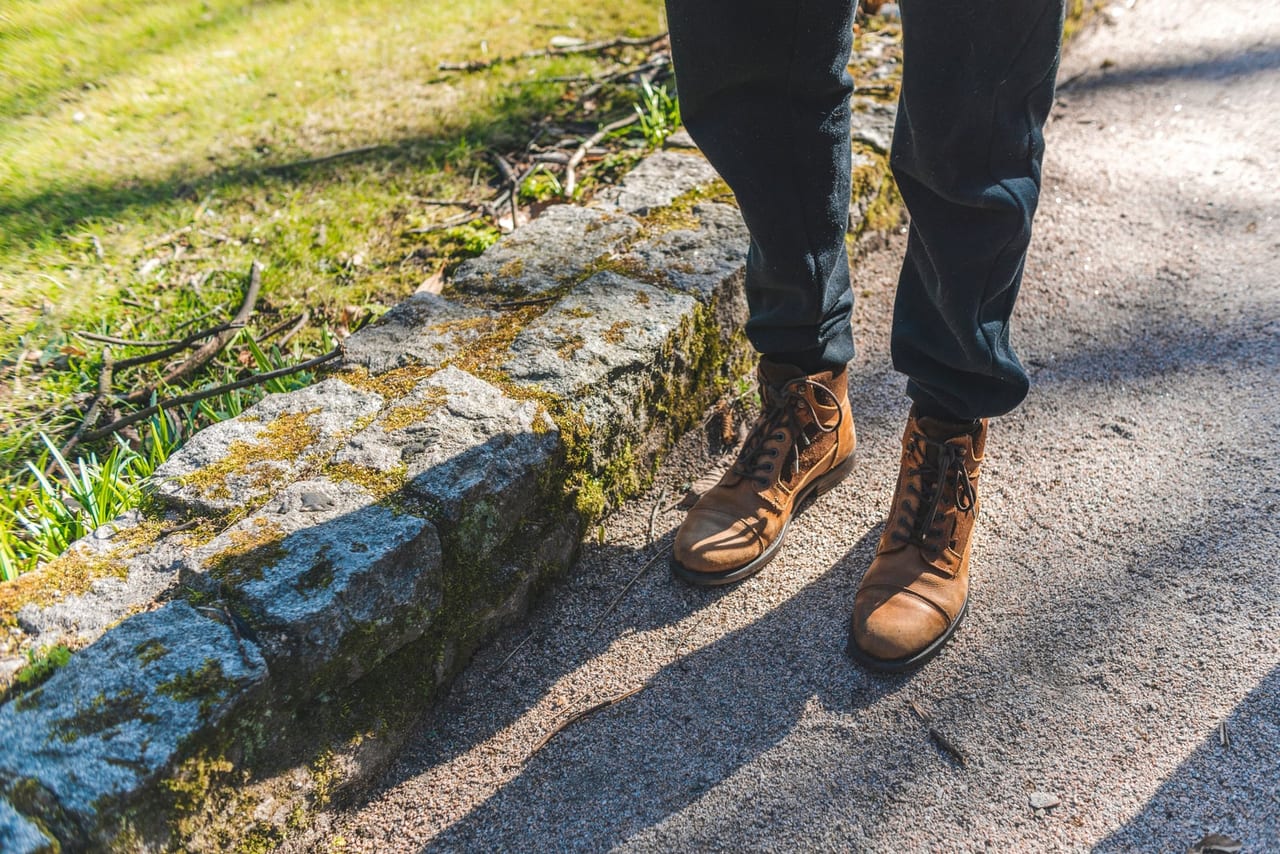
Shoes wear from the bottom up, but whether they're worth saving is decided from the top down. Heels and soles are made to be replaced; the upper, its shape and the fit it has settled into aren't, and once they go, no repair can bring them back. A pair whose top half you'd still choose again usually deserves a new bottom half.