How to Wash Slippers and House Shoes
Slippers spend more hours against bare skin than nearly anything else on your feet, yet they're often the last thing in the house to get washed. Fabric, wool, sheepskin and foam can all come clean at home with the right water, a light touch and time to dry.
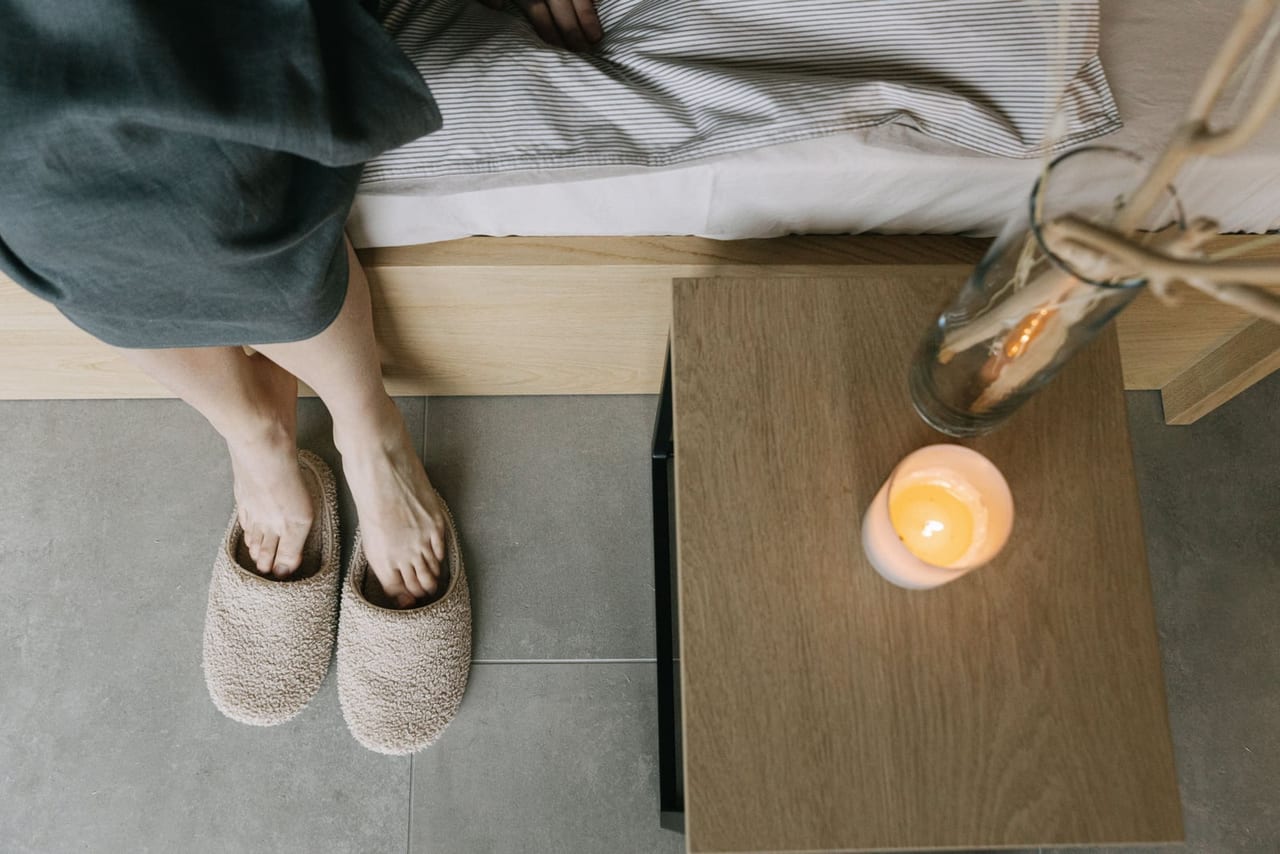
The slippers by the bed go on before the coffee and come off after the dishes, which adds up to more hours than most shoes ever see. Sheets and towels go through the wash on a regular rhythm, but slippers rarely do. Then one evening you notice that the footbed has darkened into the shape of your foot, the fleece has matted flat at the heel and the pair smells faintly stale.
The short answer
Most slippers can be washed at home if you check the care label and match the method to the material. Fabric, fleece and terry pairs can often go in the machine in a mesh bag on a cold, gentle cycle. Wool felt and sheepskin are washed by hand in cool water and pressed dry rather than wrung, and foam footbeds are wiped rather than soaked.
Avoid hot water, bleach, harsh detergents and the dryer, and let every pair air-dry completely before you wear it. Retire slippers whose soles have worn smooth, since slick soles can make a slip more likely, and talk with a healthcare professional about itchy, peeling skin between your toes that doesn't clear up.
Why slippers need more care than they seem to
Slippers are usually worn barefoot, so nothing sits between your skin and the lining. The soles of your feet have some of the most tightly packed sweat glands on your body, and without a sock to catch it, that sweat goes straight into the lining and the footbed underneath. Fresh sweat has little smell; the stale odor comes from microbes that live on your skin as they break it down. A thick lining that's worn every day rarely gets the chance to dry out, and warm, dark, damp places are where those microbes do well.
The materials that make slippers cozy also make them tricky to wash. Wool fibers are covered in tiny overlapping scales, and warm water combined with rubbing or tumbling can make them catch and lock together, so a wool pair can shrink and stiffen in one careless wash. Sheepskin is wool still attached to the hide it grew on, and heat can leave that hide stiff and cracked. Memory foam soaks up water and gives it back slowly, while heat can weaken the glue that holds many soles in place. Cool water, a gentle hand and a slow dry at room temperature suit every one of them.
How to wash slippers, step by step
Washing a pair takes about 20 minutes of hands-on time and a day or more of drying, so start in the morning or keep a second pair to wear meanwhile. You'll need a soft brush, a basin, two towels, plain paper towels and mild detergent or a gentle wool wash, plus a mesh laundry bag for machine-washable pairs. Skip any step that doesn't fit your slippers.
Check the care label
Look inside the slipper or under the footbed for a care label and follow it. If there's no label, assume the pair should be washed by hand.
Shake and brush out the dirt
Tap the slippers together outside and brush dust, hair and crumbs off the lining and sole. Lift out any removable footbeds to clean them separately.
Wash fabric and fleece pairs gently
If the label allows the machine, use a mesh laundry bag, a few towels, mild detergent, cold water and the gentle cycle. Otherwise, wash the pair by hand in cool, soapy water.
Hand wash wool and sheepskin in cool water
Stir a little gentle wool wash into cool water and test it on a hidden spot. Press the suds through with your fingers instead of rubbing, then rinse until no suds remain.
Wipe foam footbeds instead of soaking them
Unless the label says the pair can go in the machine, wipe the footbed with a cloth wrung out in soapy water, then with a clean, damp one.
Press, reshape and air-dry
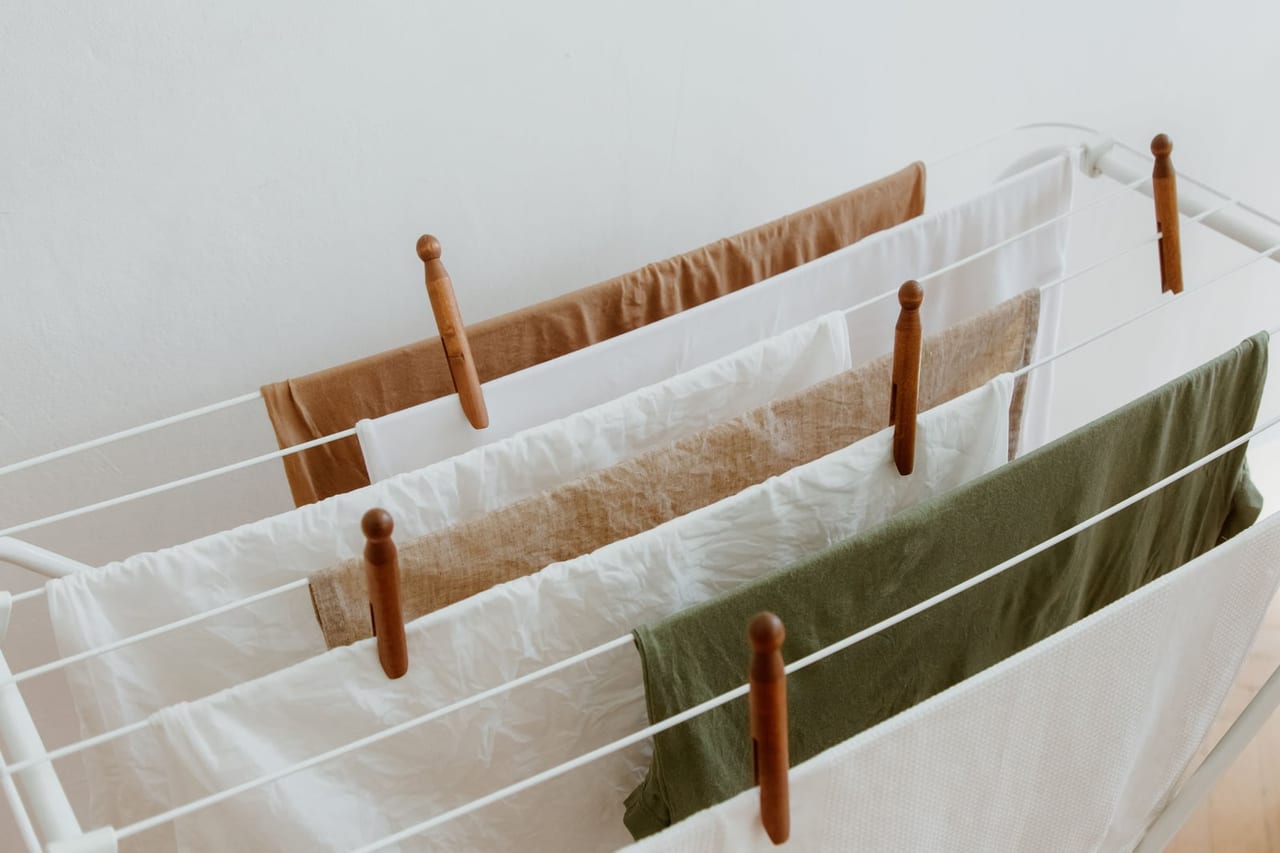
Roll each slipper in a towel and press the water out without wringing. Stuff it loosely with paper towels, shape it by hand and let it dry at room temperature, away from heat and direct sun, for a day or more.
Drying is where a wash succeeds or fails. A slipper can feel dry outside while the footbed and the lining at the toe are still damp, so press a hand inside before you wear it. Change the paper towels when they turn damp, and give the pair a few more hours if you're unsure, since a slipper worn damp soon smells again.
Match the method to the material
All-fabric slippers in cotton, polyester fleece or terry are usually the easiest. In the machine, a mesh bag and a few towels cushion them, and cold water on the gentle cycle is kind to the pile and any glue; keep zippers and hooks out of the load, since they can snag. A slipper with leather, suede, wool or a molded foam footbed is safer washed by hand, even when the upper looks like plain fabric.
Wool felt and sheepskin want cool water, a gentle wool wash and fingers rather than a brush, with no rubbing or twisting. Skip bleach and enzyme detergents, which can strip the natural oils from sheepskin. Shape a felted pair by hand while it's still damp so it dries close to its original size. Once sheepskin is dry, a soft brush or a wide-tooth comb lifts the flattened wool, and a small mark between washes often needs only a damp cloth.
Memory foam does better with a cloth than a soak, since soaked foam can take a long time to dry. Suede outsides need a dry suede brush instead of water, as how to clean suede and nubuck shoes explains, and smooth leather takes a soapy cloth, a damp one and a little conditioner once dry. Rubber soles on pairs worn out to the mailbox can handle a firmer brush and soapy water.
When a pair is past washing
A wash can bring back a pair's softness, but it can't restore a worn sole. Slippers wear out quietly: the footbed thins to a flat pad, the back gets crushed down by heels stepped into it, and a sole that once gripped polishes smooth on wood and tile. That last change matters most, because floppy slippers and slick soles can make you slip, stumble or fall at home. Socks alone carry the same risk on smooth floors and stairs.
Choose the next pair for grip as much as for softness: a nonskid sole such as textured rubber, a low heel and a snug fit that stays on as you walk, which a back around the heel can help with. Holes worn through the lining, wool matted flat and odor that survives a careful wash also mean a pair has done its job. Similar signs in outdoor shoes are covered in how to tell when your shoes are worn out.
When it may be more than the slippers
A pair worn barefoot every day will smell a little between washes, and that's ordinary; a thorough wash, a full dry and a night or two airing in an open spot usually bring it back. Likewise, a slipper that slides on a polished floor says more about its sole than about you.
Pay closer attention if the smell returns within days of a careful wash or follows your feet into every pair you own, since that points to your feet rather than the slippers, as what causes foot odor explains. Itchy, peeling or cracked skin between your toes is worth getting checked, as is a sore you find without knowing how it got there, especially with diabetes or reduced feeling. So is a fall at home that leaves pain or swelling.
Questions people ask
Can you put slippers in the washing machine?
Many all-fabric pairs can, if the care label says so, in a mesh bag with a few towels on a cold, gentle cycle. Wool felt, sheepskin, suede, leather and molded foam are safer washed by hand unless the maker says otherwise, and no pair belongs in the dryer.
How often should you wash slippers?
There's no fixed schedule. Wash a pair when it looks grubby or starts to smell, and more often if you wear it barefoot every day than over socks. Leaving slippers in the open after wear, not shut in a closet, helps them stay fresher between washes.
Should you wear socks with slippers?
That's down to comfort, but a sock takes in much of the sweat that would otherwise soak into the lining, and it's washed far more often than slippers are. If you go barefoot in them, wash your feet and dry them well first, including between your toes.
The bottom line
The softest shoes you own are also the ones that live closest to your skin, so they reward gentleness more than effort. Cool water, a light hand and the patience to let them dry do more for them than anything harsh, and the same unhurried look that keeps a lining fresh is what catches the day a sole stops gripping.