How to Waterproof Shoes and Boots
A new pair of boots, a forecast full of rain and a can of spray in the cupboard: it's tempting to coat everything and hope. The finish that suits smooth leather can mark suede, though, and no spray can close a seam that has already opened.
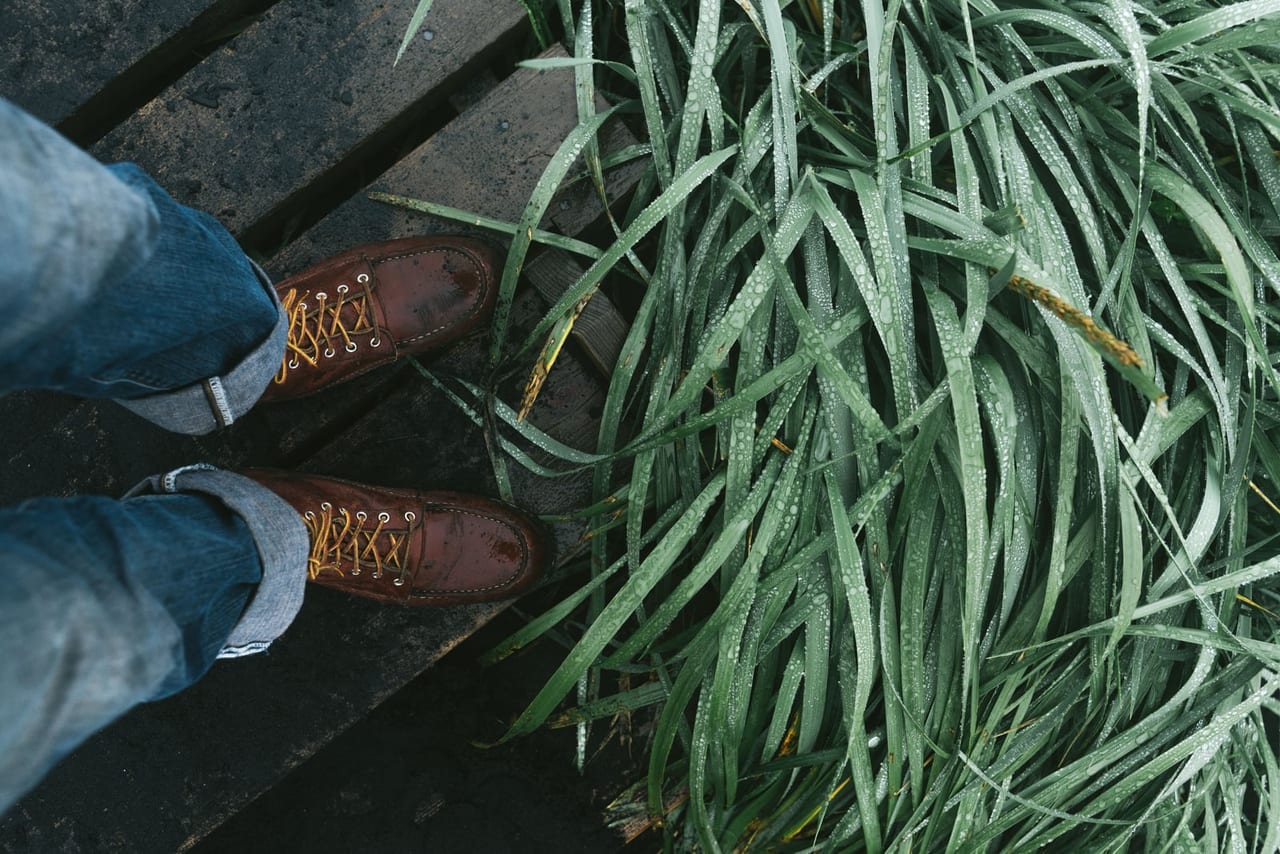
Water finds the weak spot in a pair of shoes. It shows up as a dark patch spreading across the toe of a canvas sneaker on the way to the bus, or as the cold dampness at the bend of a boot after an hour in wet grass. Somewhere at home there's usually a half-used can bought for exactly this moment, with a label nobody read.
Reading it only raises more questions. Is a spray the same as a wax, and does it matter which goes on which pair? Will it make a shoe waterproof or only slow the water down, and could it harm a boot with a waterproof lining? The wrong product on the wrong material can leave a pair darker, stiffer or no drier than before.
The short answer
Waterproofing a shoe usually means adding a water-repellent finish, not making it fully waterproof. Clean the pair and let it dry, test the product on a hidden spot, then apply it in thin, even coats in a ventilated space: a wax or cream made for smooth leather, a spray made for suede and nubuck, or a spray made for fabric. Repeat when water stops beading and starts to soak in.
Avoid wax on suede and nubuck, heavy wax or oil on a boot with a waterproof lining unless its maker allows it, heat to speed the drying, and sprays near a flame or around children. A coat can't close an open seam, a cracked upper or a sole coming away, and those belong with a repair shop.
What waterproof means for a shoe
On a shoe, "waterproof" and "water-repellent" describe two different things, and labels don't always keep them apart. Water-repellent means the surface sheds water: a tight weave, a coat of wax or a spray makes drops bead up and roll off instead of soaking in. Waterproof means a barrier sits between the outside and your sock, such as a rubber shell or a lining that blocks liquid water, usually with sealed seams. The can in the cupboard belongs to the first group, so a coated pair copes with drizzle and puddle splashes but not with standing in a stream.
A protective finish is also a thin layer that wears. Rain, scuffing, flexing and cleaning gradually take it off, which is why water that once beaded on a toe cap starts to darken it instead. That's how a surface finish behaves, and it's why the routine below ends with a check rather than a final coat.
Water doesn't only come through the material, either. It tends to find the places where a shoe is joined: the needle holes along a seam, the gap around the tongue, the line where the upper meets the sole and, in a tall boot, the opening at the top. A coat on the surface does little for any of these, which is worth knowing before blaming the product.
How to waterproof shoes and boots, step by step
The job takes about 30 minutes of work plus drying time, and a dry day before the wet season starts is the easiest moment for it. You'll need a soft brush, a damp cloth, a dry cloth, plain paper and a wax, cream or spray made for your shoe's material, along with a spot outdoors or by an open window.
Read both labels
Check the care label in the shoe and the directions on the product. Between them they say whether the product suits the material and how long it needs to dry.
Clean and dry the shoes
Brush off loose dirt, wipe the surface with a damp cloth and take out the insoles. Let the pair dry completely at room temperature, away from heaters, since most products need a clean, dry surface to hold on to.
Test a hidden spot
Put a little product inside the tongue or on the back of the heel and let it dry. If it darkens or stains, choose another product before coating the rest of the shoe.
Apply a thin, even coat
Work outdoors or by an open window. Spray from the distance the label gives, or rub cream or wax in with a soft cloth or brush, with a little extra along the seams, the tongue and the edge of the sole.
Let it dry fully
Leave the shoes somewhere airy, out of the sun and away from heat, for as long as the label says. Some products need hours and a few a day, so wait before wearing the pair in the rain.
Check with a few drops of water
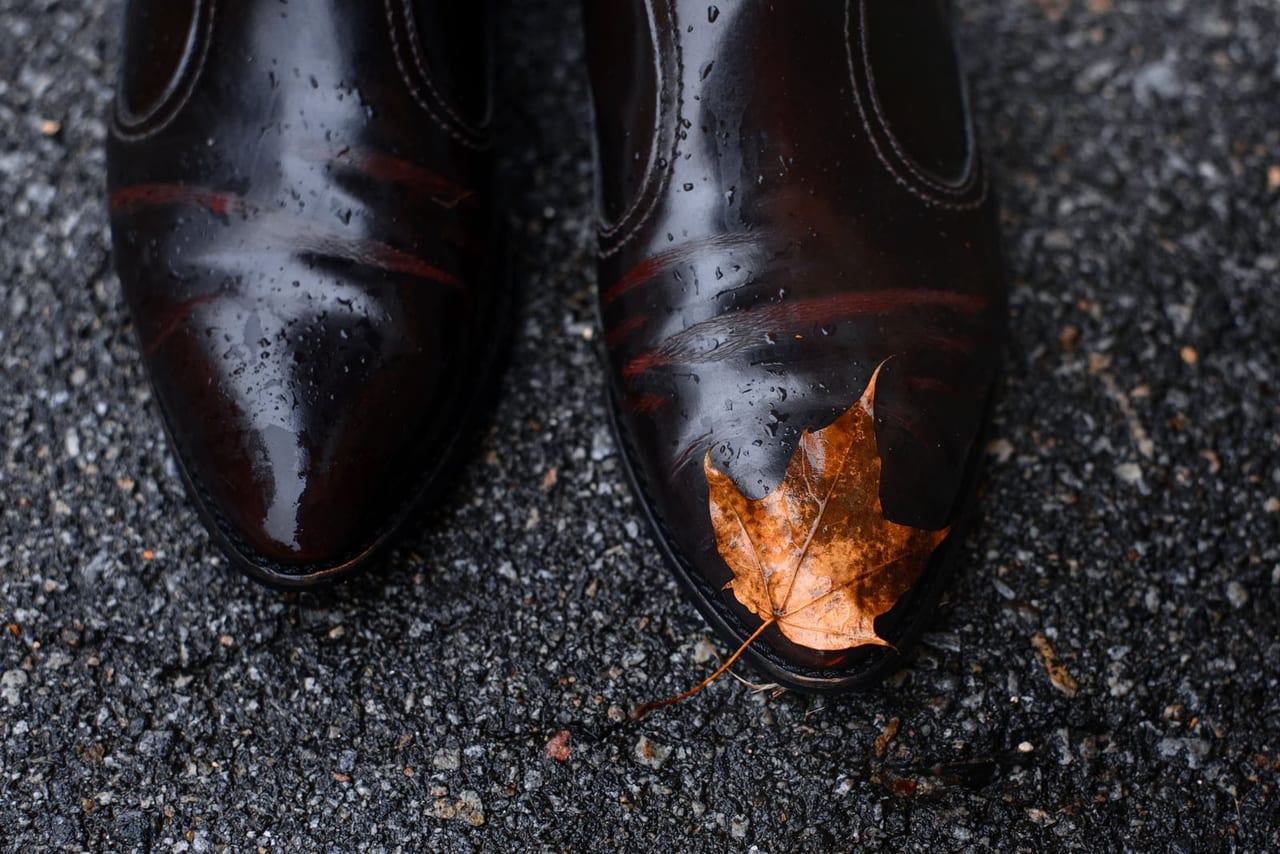
Flick a little water on the toe. If it beads and rolls off, the finish is working; if it soaks in and darkens the surface, add another thin coat once the first has dried.
Thin coats matter more than they seem to. A heavy layer of spray can leave fabric stiff or blotchy, and a thick layer of wax can leave leather looking cloudy. If a coat looks patchy once it's dry, a second thin one is kinder than a soaked-on one. Buff off any wax or cream that hasn't soaked in.
Match the finish to the material
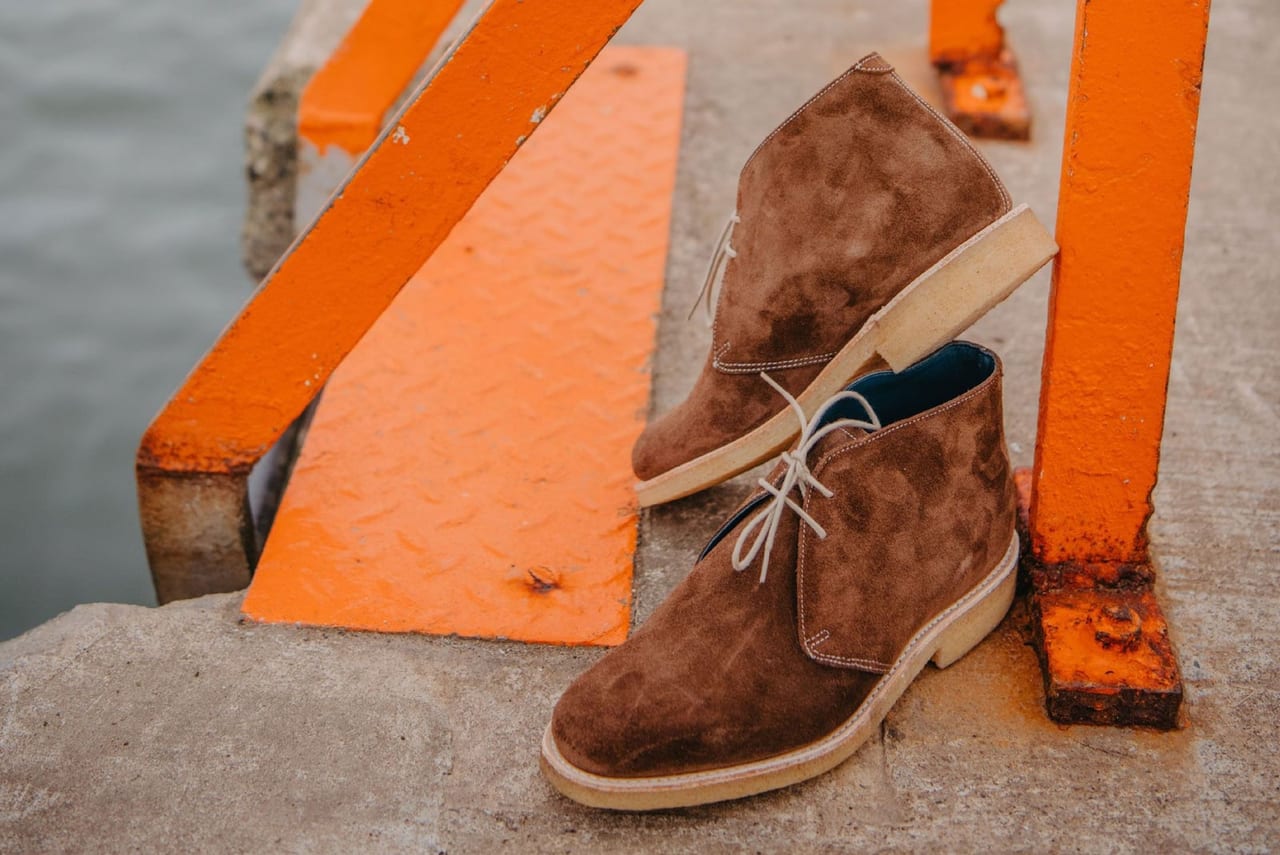
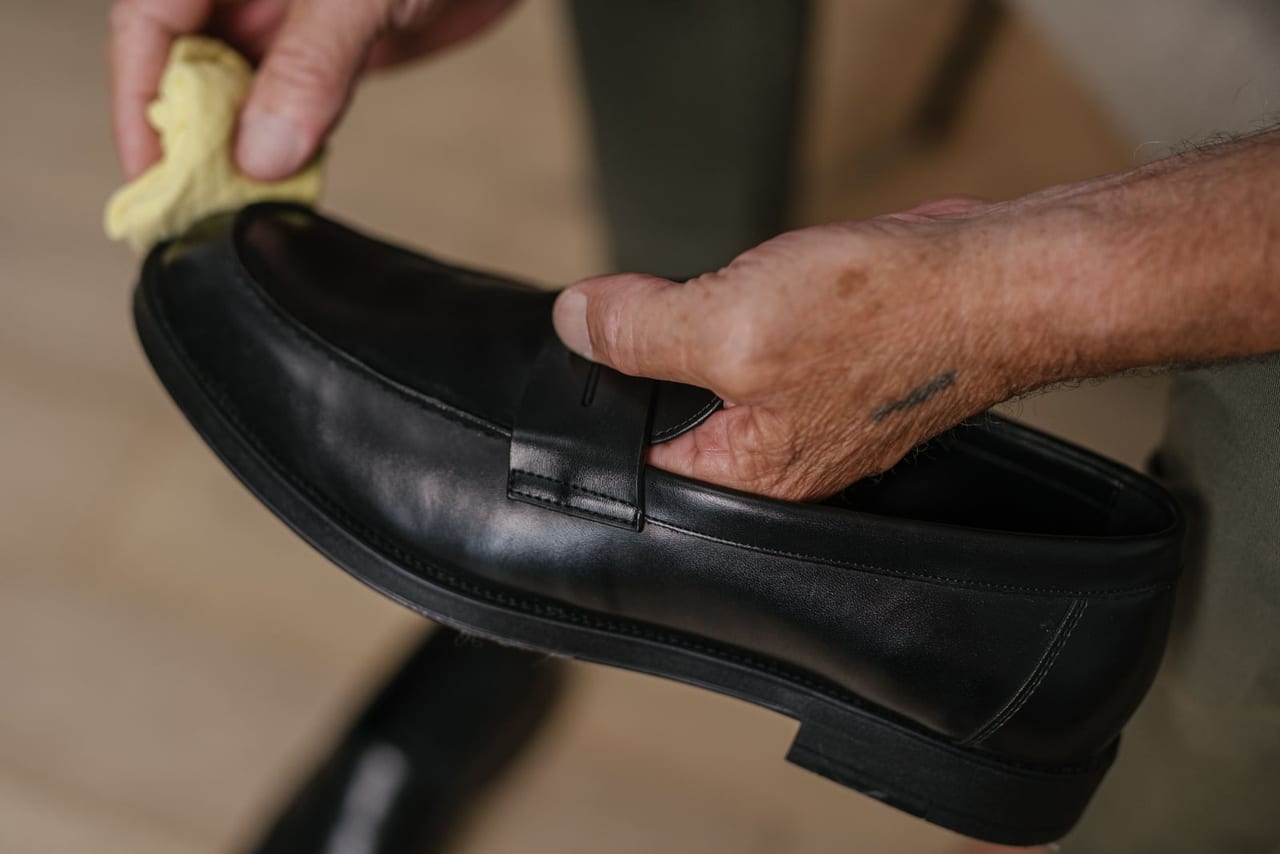
Smooth leather takes a wax or cream made for leather, worked in thinly, and many people condition it beforehand so it doesn't dry out under the wax. Some pairs darken a shade. Suede and nubuck are the exception to the wax rule: wax or oil can stain and flatten the soft nap, so these leathers take a spray made specifically for them, applied lightly to a clean, brushed surface. The cleaning side is covered in how to clean suede and nubuck shoes.
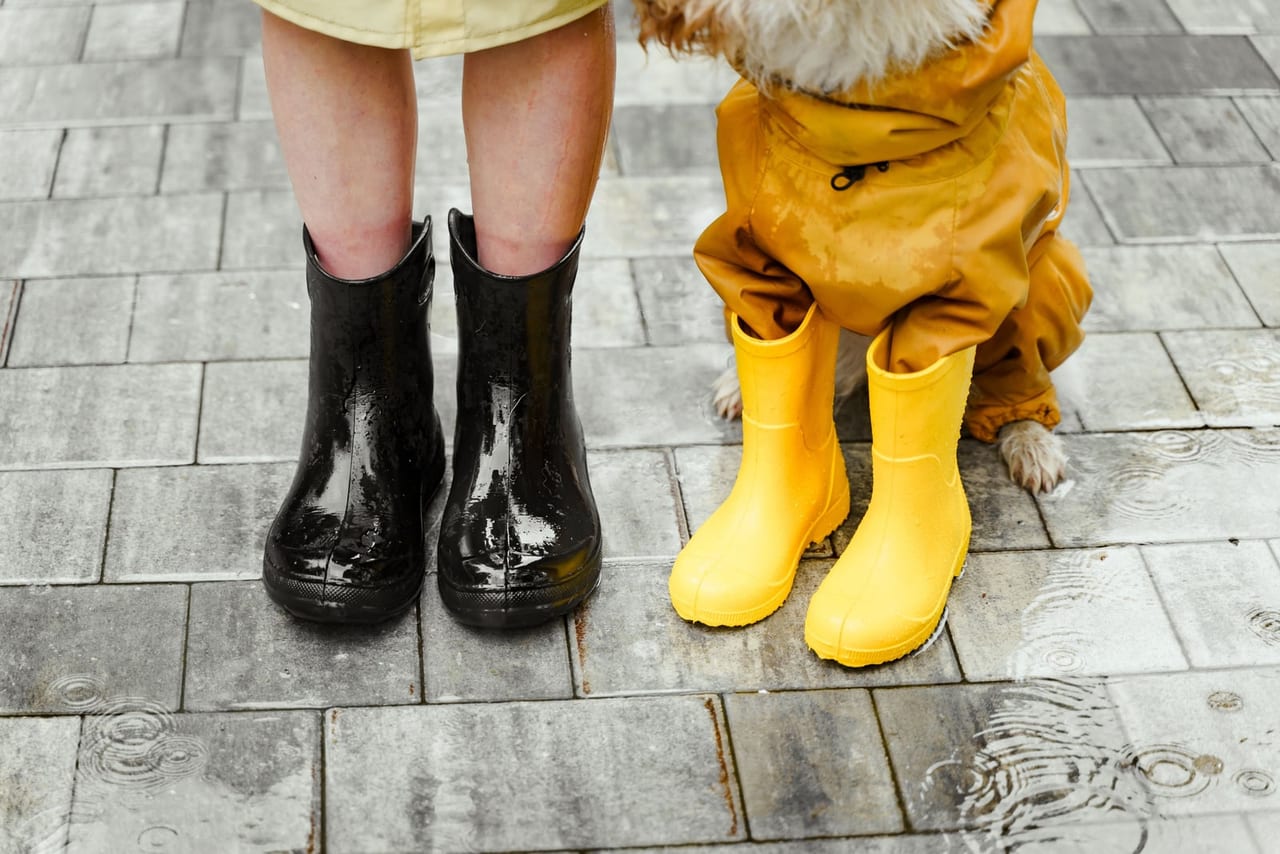
Canvas, knit and other fabric uppers are most often finished with a spray made for fabric, and some makers also sell a wax for canvas. Synthetic leather and patent finishes vary, and some products say not to use them on synthetic materials, so the label decides. Rubber and vinyl boots are waterproof in themselves and don't usually need a coat; what lets water in is a crack or a split seam, and a spray mends neither.
Boots with a waterproof, breathable lining are the careful case. The lining sits inside and does the sealing, and it relies on the outer material letting vapor through, so a heavy coat of wax or oil outside can block that and leave the boot damp from sweat. Makers of these boots commonly advise cleaning them and, once water stops beading, using a water-based finish made for breathable footwear, so the maker's care instructions are the word to follow. When the outer fabric soaks up water, the lining can still keep your sock dry, but the boot can turn heavy and stop breathing.
Using sprays safely and keeping the finish fresh
Aerosol protectors carry real warnings, worth reading before the can comes out. Labels commonly call the spray flammable and ask you to use it outdoors or in a well-ventilated space, away from flames, heat and anyone smoking. They also advise against breathing the mist, which can bring on dizziness or irritate the nose and throat. Children and pets are usually asked to stay clear until the shoes are completely dry, and the can belongs somewhere cool and out of the sun, never punctured or burned.
How long a finish lasts depends on the shoe, the product and the weather, and suggested intervals vary widely, so there's no reliable schedule. The water-drop check from the last step is a more honest guide than the calendar: when drops soak in and darken the surface, the finish has thinned. Cleaning can wear it down too, so many people coat a pair again after a thorough wash.
When a leak may mean more than a thin coat
Some dampness is ordinary, even in a well-protected pair. Leather looks darker while it's wet and lighter once it dries, a canvas toe can soak through in a downpour, and feet sweat inside any closed shoe, so a clammy sock isn't always a leak. If the finish has simply worn thin, a clean, dry pair and a fresh thin coat is usually the next step.
Look closer when water keeps getting in after a fresh coat, because the cause may be structural. An opened seam, a sole peeling from the upper, cracked leather where the shoe bends or a torn lining inside a waterproof boot will leak however much spray goes on. A coat over the top won't close any of them. Road salt does its own damage to leather, covered in how to protect your shoes from salt, slush and snow, and what a cobbler can fix explains which repairs are worth the money.
When to take your shoes to a repair shop
A shoe repair shop can help if you notice:
- Water getting in at a seam, even after a fresh coat
- A sole that's starting to peel away from the upper, often at the toe or heel
- Cracks in the leather where the shoe bends
- Stitching that has come loose or broken
- Dampness inside a waterproof boot that keeps returning while the outside still beads, which may point to a split in the lining
Questions people ask
How often should you waterproof shoes?
There's no fixed schedule, and suggested intervals vary widely. Reapply when water stops beading and starts to soak in, and again after a thorough cleaning, which can wear the finish away. A pair worn daily in wet weather needs it more often than one kept for the odd shower.
Can you waterproof boots that already have a waterproof lining?
Yes, but use only what the maker allows, usually a water-based finish made for breathable footwear. Heavy wax or oil can block the outer layer from letting vapor out, and the lining can't make up for that. Check the care label or the maker's instructions first.
The bottom line
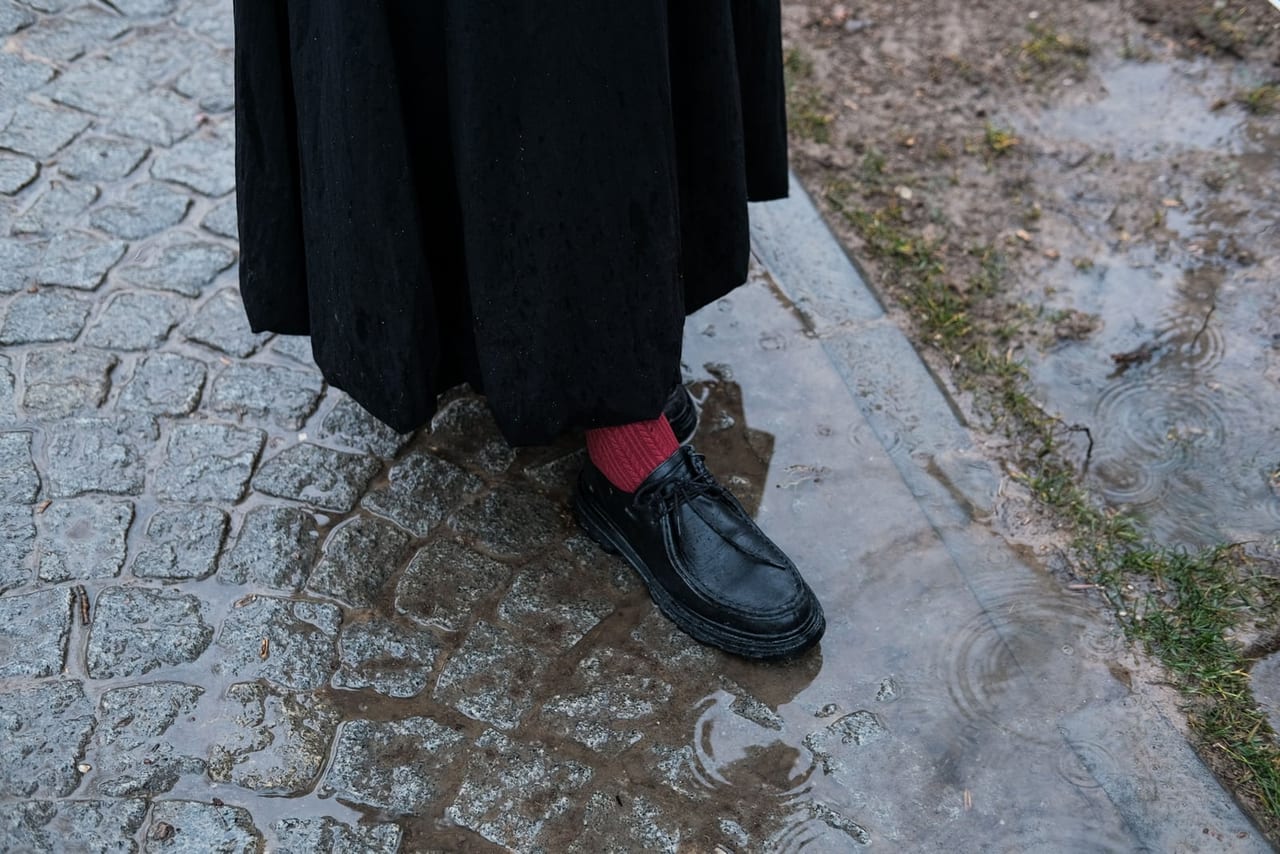
A protective coat doesn't make a shoe waterproof; it buys time. How much time depends on the material, the weather and the shape the pair is in, and the finish thins long before the shoe does. Renewing it now and then, rather than once, is how a good pair goes on shedding the rain it was made for.