How to Clean Sneakers Without Ruining Them
Muddy, scuffed or just a little gray, most sneakers clean up well at home with mild soap, water and a soft brush. Each material needs a slightly different touch, and all of them need time to dry.
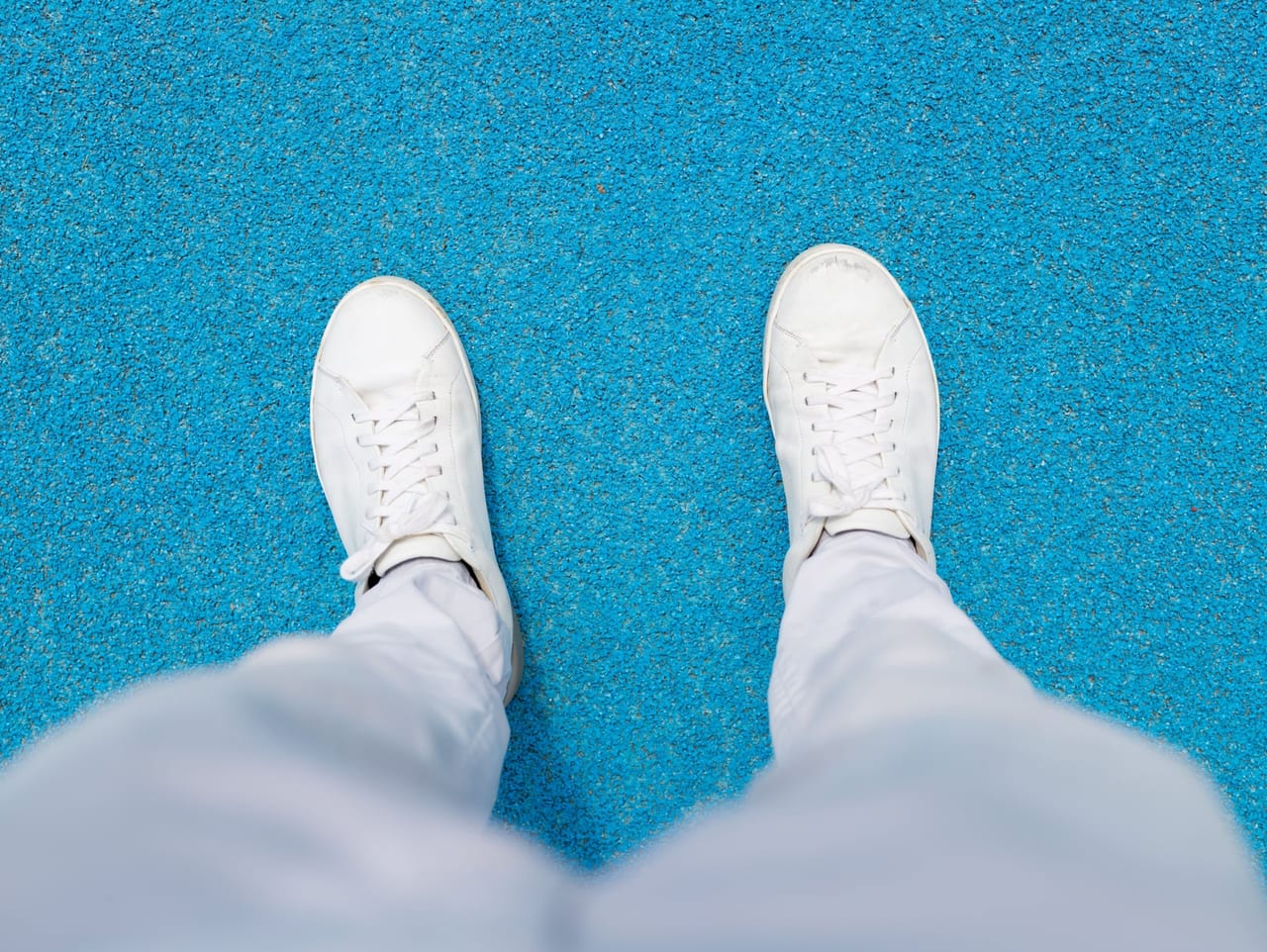
Look down at a pair of sneakers after a season of walks, commutes and the odd muddy field. The white has gone gray, the mesh has picked up dust and the soles carry a rim of dried dirt. It's fair to wonder whether a pair like that can be saved at home, and whether a scrub will make it better or worse.
The short answer
Clean sneakers by hand. Take out the laces and insoles, brush off the dry dirt, then scrub gently with a soft brush and a little mild soap in lukewarm water. Wipe away the soap, stuff the shoes with paper towels and let everything air-dry for about a day. Avoid hot water, bleach, soaking and heat: never put sneakers in the dryer or on a radiator, and use the washing machine only if the care label allows it. Leather needs less water than mesh or canvas, and suede and nubuck need a method of their own.
Why sneakers need a gentle touch
A sneaker is several materials held together, and each one reacts to water, heat and scrubbing in its own way. In most pairs the sole is glued on rather than stitched, with the upper, the foam midsole and the rubber outsole bonded together. Heat, moisture and constant flexing can weaken that bond over time, and the sole starts to peel, usually at the toe or heel, which is why the way you clean and dry a pair matters as much as the soap you use.
The fabrics complicate things further. Mesh, knit and fabric linings soak up water and let it go slowly, so a soaked shoe can take a long time to dry, and one that stays damp can start to smell. The lining and the insole are also absorbing sweat all day; microbes that live on your skin break that sweat down, and that's where the smell comes from.
Heat is the shortcut to avoid. A radiator, a hair dryer or a clothes dryer can warp foam, shrink materials and loosen glue, turning a damp shoe into a misshapen one. Room temperature and time do the same job more slowly and without the damage.
How to clean sneakers, step by step
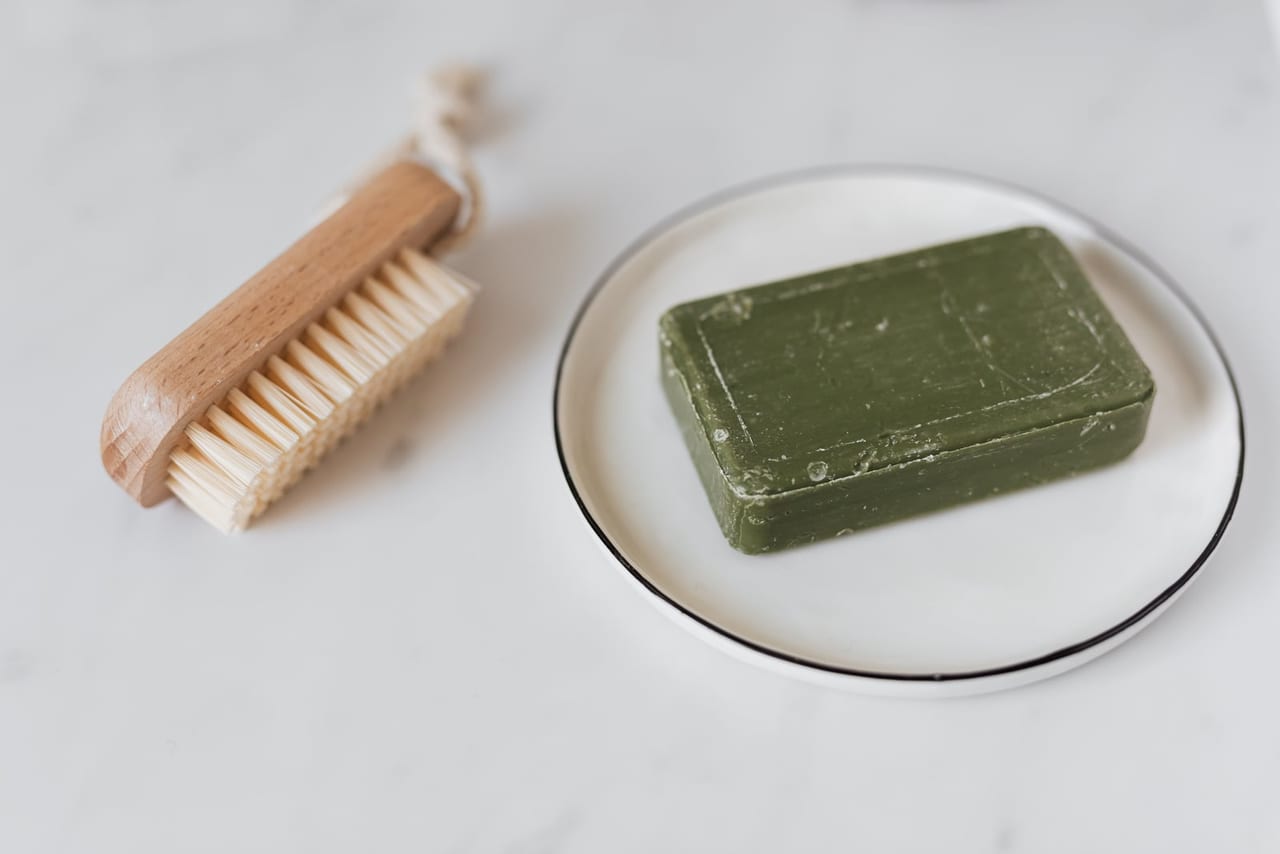
Set aside about 20 minutes, a bowl of soapy water and a spot where a little mess doesn't matter, along with a soft brush or an old toothbrush, a firmer brush for the soles, two cloths and some plain paper towels. The shoes then need about a day to dry. Check the care label inside the tongue before you start, since it may rule some methods out.
Take out the laces and insoles
Pull out the laces and lift out the insoles so you can reach every part of the shoe. Check the care label inside the tongue first.
Brush off the dry dirt
Knock the soles together outside, letting caked mud dry first. Brush dirt off the uppers with a soft brush and out of the tread with a firmer one.
Wash the uppers gently
Stir a few drops of mild dish soap into lukewarm water and test it on a hidden spot. Work over the uppers in small circles with a soft brush or cloth, keeping the shoe damp, not soaked.
Scrub the midsoles and soles
Use the firmer brush and the soapy water on the rubber and foam. On white soles, a paste of baking soda and a little water can lift stubborn grime; wipe it off afterward.
Clean the laces and insoles
Soak the laces in the soapy water, rub them together and rinse. Wipe the insoles with a soapy cloth rather than soaking them, then with a clean, damp one.
Air-dry with paper inside
Wipe off the last of the soap and stuff each shoe with plain paper towels, changing them when damp. Let everything dry at room temperature, away from heaters and direct sun, for about a day.
Many white pairs come out of a cleaning with a yellow tinge, and the cause is usually in the finish. Soap left in the fabric can discolor in light and heat, strong sun can yellow some rubbers and plastics on its own, and bleach can leave the same cast on mesh and canvas. So wipe with a clean, damp cloth until no soap remains, skip the bleach, and dry the pair in the shade.
Match the method to the material
Mesh and knit uppers need the lightest touch. A stiff brush can be too rough for them, so use a soft brush or a cloth and light pressure, and keep the fabric damp rather than wet, since knit holds water deep inside. Canvas handles soap and water well, but test a hidden spot, such as the edge of the tongue, to make sure the color holds.
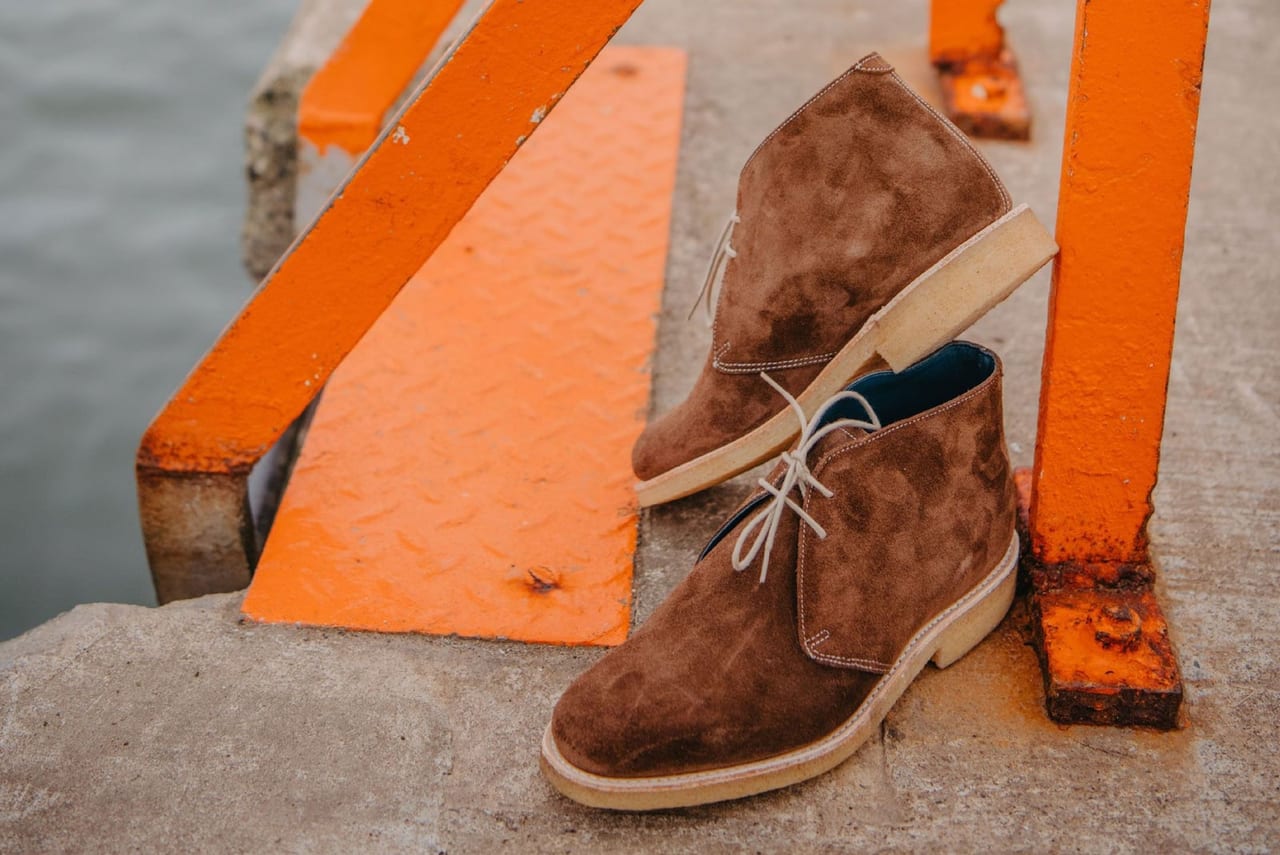
Smooth leather wants less water still: wipe it with a soapy cloth, then a clean, damp one, and never soak it. Once it's dry, a little leather conditioner helps keep it supple. Suede and nubuck are a different case altogether, so skip the soap and water; these napped leathers need their own method, described in how to clean suede and nubuck shoes.
Foam midsoles pick up scuffs. A damp melamine foam sponge can lift them, but it works like very fine sandpaper, so press lightly. The baking soda paste from the steps handles stubborn grime on white soles; wipe it off afterward, and wipe the soap out of everything before you set the shoes out to dry.
What to keep away from your sneakers
Heat tops the list: keep sneakers out of the dryer and away from radiators, heaters and hair dryers. Hot water belongs on the same list, because it can weaken glue and fade colors; use lukewarm water by hand and cold in a machine. Soaking belongs there too, since many shoe materials aren't meant to sit under water, and a soaked shoe dries slowly.
Two smaller points save a pair from avoidable marks. Printed newspaper can leave ink on a light lining, so stuff pale shoes with plain paper towels instead. And while some canvas and synthetic pairs can be machine washed, many makers advise hand cleaning only, and leather and suede should never go in.
When sneaker odor may mean something more
Some smell is normal in sneakers you wear often, especially for workouts. A thorough cleaning, a full drying and a day off between wears usually bring a pair back. Flattened foam or a smooth tread won't clean away, though, and that's a different question, covered in how to tell when your shoes are worn out. Insoles take in sweat and flatten with wear as well, so a clean pair of sneakers sometimes deserves a fresh one inside.
Pay closer attention if the odor returns soon after a thorough clean, or if your feet smell strongly right after you wash them. Odor with itchy, peeling or cracked skin between your toes, or with sweat that soaks your socks, is a reason to get your feet checked.
Questions people ask
Can you put sneakers in the washing machine?
Only if the care label or the maker says so, and never leather or suede. Use a mesh bag, a few old towels, mild detergent, cold water and the gentle cycle, then let the pair air-dry with paper towels inside rather than putting it in the dryer.
How do you get white soles white again?
Scrub them with a firm brush and a paste of baking soda and water, then wipe it off. A damp melamine foam sponge can lift scuffs with light pressure. Skip bleach, which can turn white materials yellow, and dry the pair in the shade for the same reason.
How do you get the smell out of sneakers?
Clean the insoles and the inside of the shoe, let everything dry completely, and give each pair a day off between wears. Odor that returns soon after a thorough clean is worth a closer look at your feet as well as your shoes. More in how to keep shoes and insoles fresh.
The bottom line
What ruins a pair of sneakers is rarely the dirt on it. It's more often the shortcuts used to get the dirt off: hot water, the dryer, a long soak. Cleaned gently and dried slowly, most pairs can look like themselves again, even the ones that looked past saving.