How to Tell When Your Shoes Are Worn Out
Most shoes stop doing their job well before they fall apart. The cushioning, the heel and the tread wear down long before a hole appears.

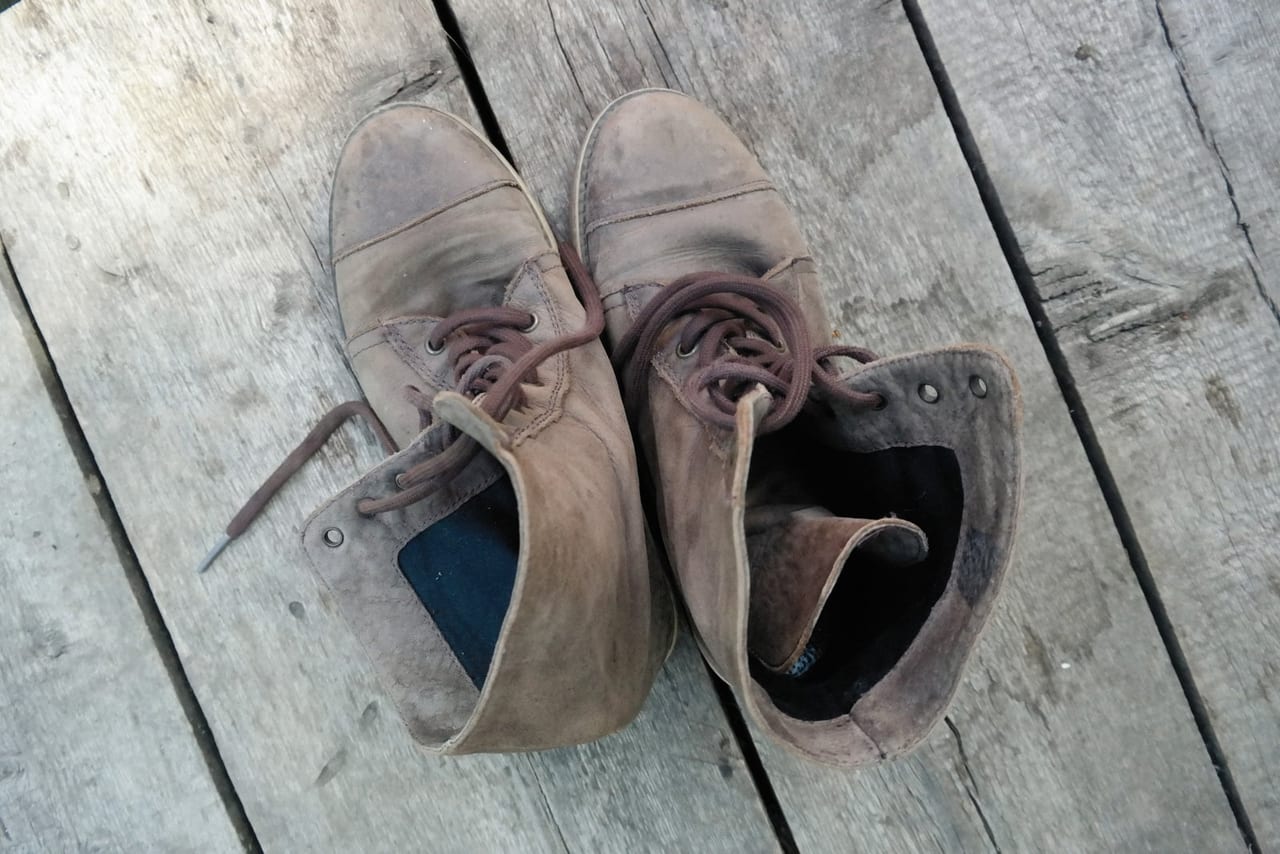
You pick up a favorite pair of shoes on your way out and give them a glance. The upper is clean, the laces are sound and nothing is coming apart, so they seem to have plenty of wear left. Yet the walk home has started to feel a little longer than it used to, and nothing about the shoes looks any different.
The short answer
Shoes are worn out when the tread is smooth, the midsole is deeply creased or feels flat, the heel no longer holds your foot steady, or the pair tilts on a table. For walking and running shoes, a common guideline is every 300 to 500 miles. Avoid judging by looks alone, since cushioning can wear out while the upper still looks new. Don't count on a new insole to rescue a shoe whose sole or heel has broken down. If foot pain continues after you change shoes, have it checked.
Signs your shoes are worn out
Most of these signs take a few seconds to check. Turn the shoe over first: bald patches under the heel and the ball of the foot mean the sole grips less, which matters most on wet, icy or smooth ground. If your days take you onto rain-slicked sidewalks or a smooth floor at work, bald tread is enough on its own to retire a pair, even one whose cushioning still feels fine. Holes, split seams or a sole that has started to peel away at the toe or heel are signs the shoe is near the end of its life.
Press and squeeze next. Deep creases in the foam between the tread and the upper, or foam that feels hard when you press it, mean the midsole has lost much of its spring. The firm cup at the back of the shoe, called the heel counter, keeps your heel steady. If it folds easily or leans to one side, it's worn out, and a heel that starts to slip in a pair that used to fit is another clue.
Set the shoes on a table and look from behind. A shoe that leans, rocks or is worn much more on one side no longer sits level under your foot. Your feet give a sign of their own, too: if they feel more tired or achy after walks or shifts that used to feel fine, worn shoes may be part of the reason.
It helps to know why a pair can look nearly new and still be worn out. The foam in the midsole compresses a little with every step and slowly loses its spring, while the tread and the upper can look fine long after that. How a shoe feels and behaves tells you more than how it looks.
A five-minute shoe check
The check takes about five minutes and needs only a flat table and the shoes you wear most. It works from the tread underneath to the lining inside and ends with a rough count of miles. Most of its steps look for one of the signs above.
Turn them over
Look at the tread under the heel and the ball of the foot. Smooth, bald patches mean the sole grips less, especially on wet or smooth floors.
Press the midsole
Press a thumb into the foam between the tread and the upper. Deep creases that stay, or foam that feels hard and flat, mean the cushioning is worn.
Squeeze the heel counter
Pinch the stiff back of the shoe just above the sole. If it folds easily or leans to one side, it no longer holds your heel steady.
Set them on a table
Put both shoes on a flat table and look from behind at eye level. A shoe that tilts, rocks or leans has worn unevenly.
Check the inside
Take out the insole and look for holes in the lining at the heel and a footbed that has gone flat. If only the insole is worn, it can be replaced on its own.
Keep a rough count of miles
For walking and running shoes, note the date a new pair starts and roughly how far you go. A common guideline is to replace them every 300 to 500 miles.
Do this every few months with the shoes you wear most, and whenever a favorite pair starts to feel different. One clear sign is reason enough to start looking for a new pair. The count of miles adds up quickly, since a daily walk of a few miles reaches 300 miles within a few months.
How long shoes last
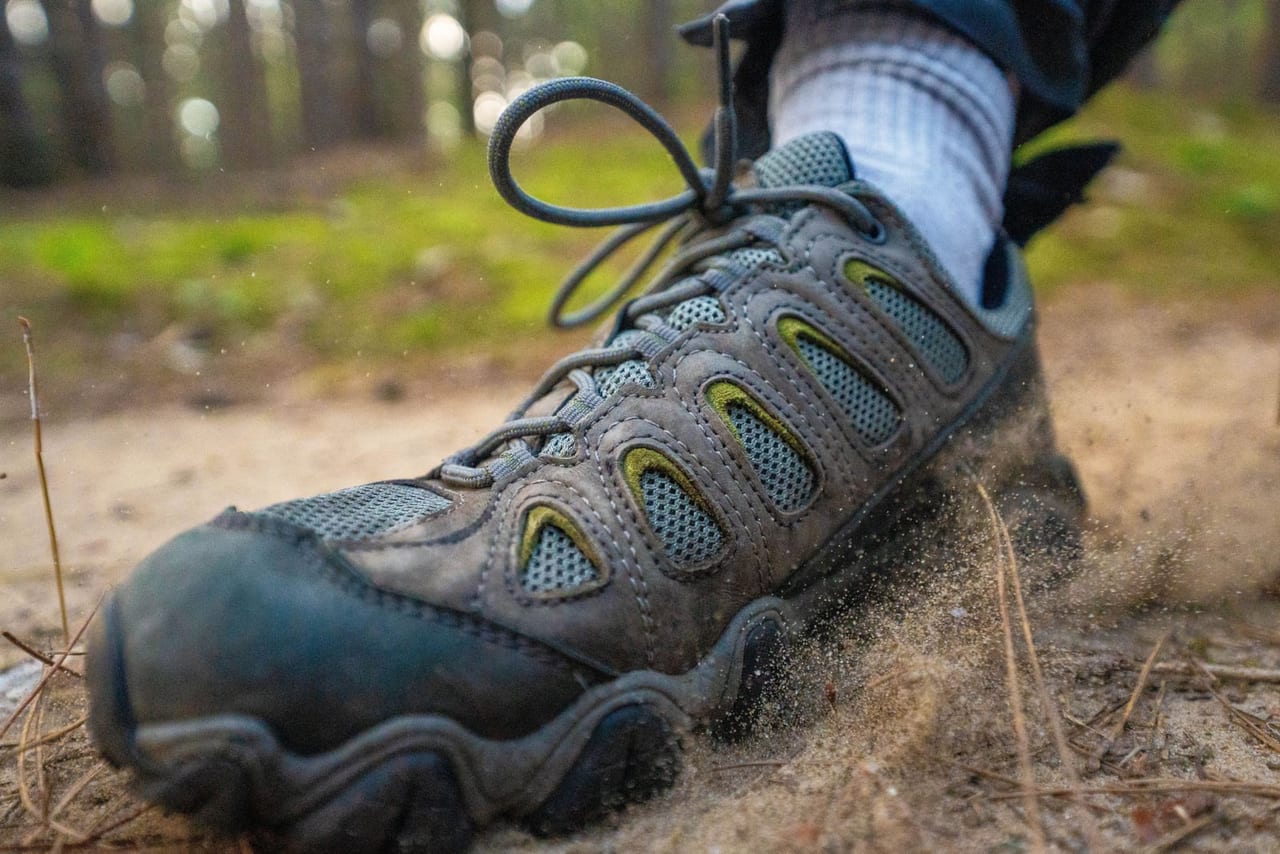
There's no fixed date, because how fast a pair wears depends on how you use it. For walking and running shoes, the 300-to-500-mile guideline works as a reminder to check, and a pair should be replaced sooner if the signs show up first. Work shoes are different: hours of standing wear them down without adding many miles, so judge them by the signs, not the calendar. For boots with a safety toe, follow the maker's guidance on replacement.
Load and conditions matter as well. Body weight and heavy carrying press harder on the midsole and can wear it out sooner. Heat can weaken glue and warp foam, and foam ages even in storage, so a pair kept for years may not feel like new; there's more in how to store shoes. Rotating helps too, since two pairs worn in turn each get a full day to dry out between wears and share the miles between them.
The shoe or the insole?
Sometimes only the insole is worn, and it's worth finding out before you give up on a pair that's otherwise sound. Take the insole out and look at the footbed and at the lining under it, then check the sole, the heel and the upper. A footbed that has gone flat over a midsole that still springs back when you press it is the clearest case: the tired part is the one you can lift out, and when to replace insoles covers the signs.
The answer changes when the wear is in the shoe itself. If the midsole is creased flat, the heel counter has gone soft or the pair tilts, a new insole won't fix it. That's the time for new shoes, and what to look for in walking shoes covers fit and features.
When sore feet may mean something more
Some discomfort is ordinary. Feet can feel more tired than usual in an old pair, which is one of the signs above. New shoes should feel comfortable from the start, though they may feel different from the pair you're used to.
Pay closer attention if discomfort stays after you switch to shoes that fit, or if one foot hurts far more than the other. The same goes for numbness or a sore that isn't getting better. These are reasons to have your feet checked, not just your shoes.
Questions people ask
How long do shoes usually last?
It depends on how you use them. For walking and running shoes, a common guideline is every 300 to 500 miles, while work shoes worn for long shifts are easier to judge by their condition than by a date. For boots with a safety toe, follow the maker's guidance.
Do shoes wear out if you do not wear them?
Yes, slowly. The foam in the sole ages over time and glue can weaken, so a pair kept in a closet for years may not feel or hold together like new. Heat can weaken glue and warp foam as well.
Is it OK to keep old shoes for yard work?
Many people do, and that's fine for short jobs. Keep worn-out pairs away from long days on your feet. Keep them off wet or slippery ground too, since bald patches under the heel and the ball of the foot mean the sole grips less.
The bottom line
A favorite pair rarely announces that it's finished. It gives a little less with every step, and the change shows up in how the end of the day feels long before it shows on the shoe. A five-minute check now and then asks the shoes the question your feet would otherwise have to answer.