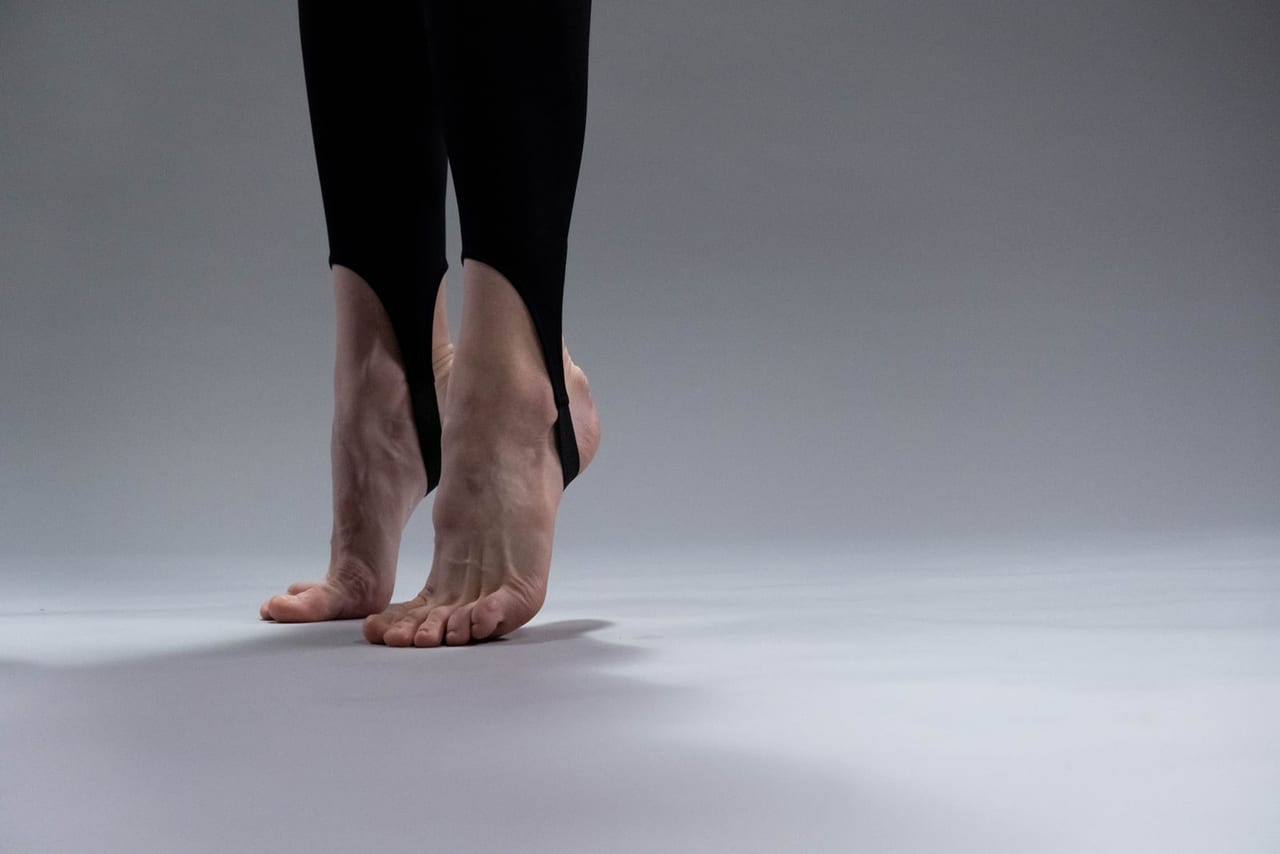
Stress Fractures in the Foot: Pain That Builds With Activity
A sore spot on the top of the foot can start so quietly that it's easy to blame new shoes or a long week. When the ache returns in the same place and sharpens the longer you're on your feet, there's a reason worth understanding.

It tends to follow a stretch of doing more than usual: a week of long shifts, a holiday of sightseeing on foot. By evening a small spot toward the front of the foot aches, and by morning it has gone quiet. A few days later it's back, sooner this time, and one point on the foot is tender when you press it.
Nothing happened that you can point to: no twist, no stumble, only a soreness that grows by degrees. That makes it hard to know whether to push on or rest, and it helps to know how a bone can be hurt by repetition alone.
The short answer
A stress fracture is a tiny crack in a bone, caused by repeated strain rather than a single fall or blow. In the foot it most often turns up in one of the metatarsals, the long bones between the middle of the foot and the toes. The pain tends to build gradually in one spot, worsens with activity and eases with rest at first, then arrives sooner and can linger when the foot is still. Sudden jumps in activity, worn shoes and thinner bones are among the things linked to it.
People commonly cut back on whatever brings the pain on, swap in lower-impact movement and ask a healthcare professional about a sore spot that keeps returning, since carrying on can let a crack grow. Pain at rest or at night, swelling, or trouble putting weight on the foot are reasons to be seen by a healthcare professional.
How a bone ends up with a crack
Bone is living tissue, and it's never finished. Older bone is broken down and replaced with new all the time. Add load gradually and the rebuilding generally keeps pace; add it faster than the rebuilding can follow, and the breakdown outruns the repair, leaving the bone weaker and open to tiny cracks. A stress fracture is that crack, or a cluster of them, built up by repetition rather than made in one moment.
In the foot, the metatarsals are the most common place for a stress fracture, and they carry much of your weight as you push off the ground, though other bones, including ones in the midfoot, can be affected too. It's an injury to bone, which sets it apart from soreness in a tendon or the tissue along the sole, and a healthcare professional can tell what is going on.
What the pain tends to do
The pattern people describe is a slow one. There may be pain toward the front of the foot during or after a long session that fades soon after you stop, faint enough to dismiss as tiredness and staying in one small place. With each outing the ache tends to arrive earlier, and in time it may linger at rest or wake you at night.
Press along the foot and the sore spot is often tender to a fingertip. Some people notice swelling on top of the foot, or bruising. None of this belongs to a stress fracture alone, since plenty of other things cause foot pain, so the pattern is a reason to ask rather than a conclusion.
Why it happens, and to whom
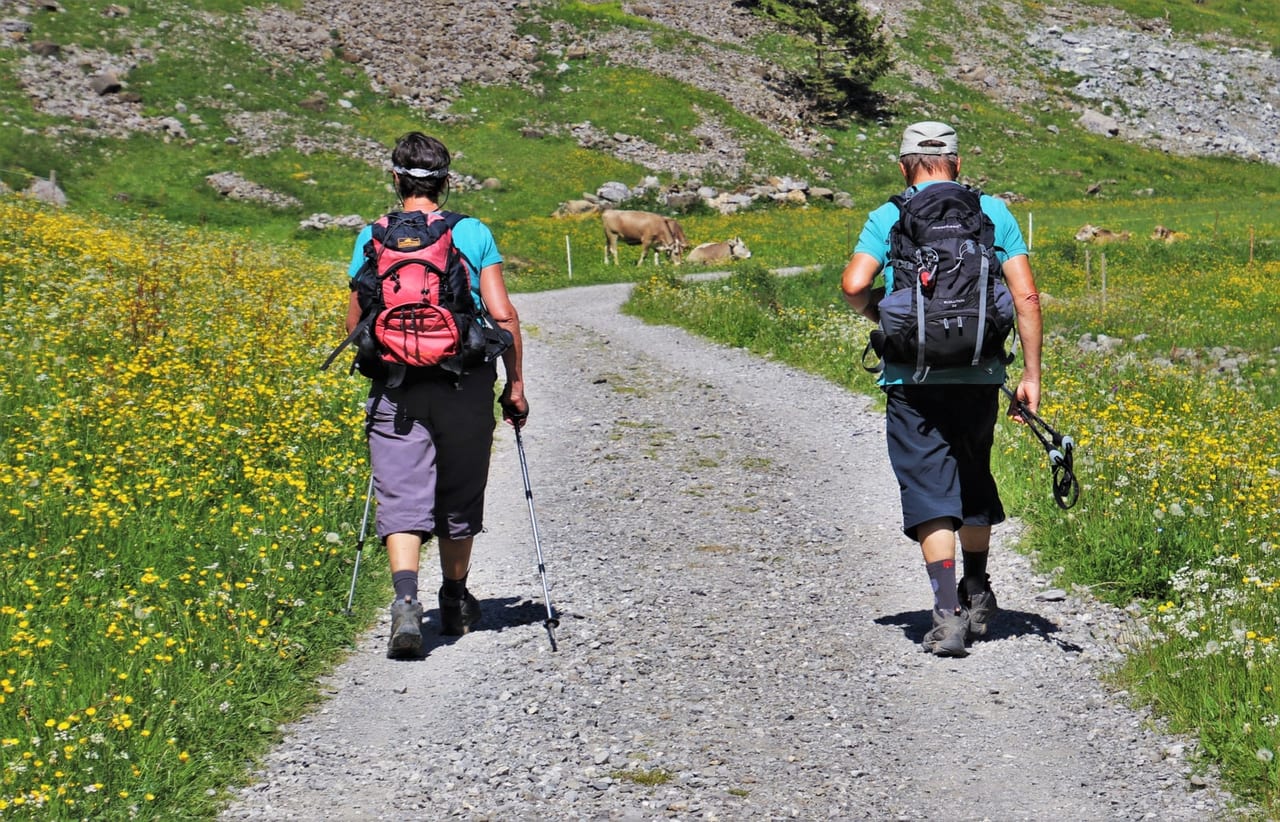
The classic setup is a sudden change in what the foot is asked to do: a new exercise, a sharp step up in distance or intensity, or a switch of surface. The same logic reaches beyond sport, since a long hike after a quiet few weeks or a new job on your feet can add up the same way. Runners, dancers and military recruits come up often, but anyone can get one.
Footwear and foot shape come into it. Shoes that have lost their cushioning or support are linked to a higher chance of stress fractures, and a high arch is listed as a risk factor. Worn shoes are the easiest part to look at, and how to tell when your shoes are worn out covers the signs.
Bone strength matters as well. Bones thinned by osteoporosis, other conditions or some medicines can crack under everyday activity, and women and girls tend to develop stress fractures more often than men and boys. In some athletes, eating too little for the energy that training uses is linked to weaker bone, and low vitamin D and calcium are linked too, though the evidence is mixed. Eating for strong feet shows how a varied diet supplies both.
Everyday habits for the bones of your feet
These five habits are among those people commonly use to lower the chance of overuse injuries in the foot, and none of them can rule one out. You need only a way to track your time on your feet, shoes you already own and ordinary meals. If you're recovering from an injury or surgery, check with a healthcare professional first.
Build up a little at a time
When you add distance, speed, hills or hours on your feet, raise one at a time and let the new level settle before adding more.
Leave easier days between hard ones
Follow a long or demanding day with a lighter one, and include some days off from impact, so the bones have time to rebuild.
Vary surfaces and activities
Moving between pavement, paths and softer ground, and between walking, cycling and swimming, can spread the load around.
Check your shoes
Look for cushioning that has gone flat and soles worn down on one side, and replace shoes that no longer feel supportive.
Eat enough through the day
Regular meals with a variety of foods, including ones that supply calcium and vitamin D, are the usual advice for bone. A healthcare professional or dietitian can say how much is right for you.
The common thread is time. Bone rebuilds slowly, and a plan that feels easy can still move faster than the bone does. The same goes for a single outing, and a warm-up for your feet before a walk or run shows one gentle way to start.
What a healthcare professional may do
A visit usually starts with questions about recent changes in activity, your shoes, your eating and any medicines. A healthcare professional may press along the foot to find the tender spot, watch you walk and move the foot gently. Imaging may follow, such as an X-ray, an MRI or a bone scan.
From there, a professional may talk through options, which depend on the bone involved. These can include taking weight and impact off the foot, a stiff-soled shoe or walking boot, crutches or sometimes a cast, and lower-impact activity such as swimming or cycling. A few bones with a thinner blood supply, such as one on the outer edge of the foot and one at the top of the arch, tend to mend more slowly, and surgery is sometimes discussed for them. Going back too soon can raise the chance of a complete break, so a return is usually paced by the bone, not the calendar.
When foot pain may mean something more
Plenty of foot aches are ordinary. A long day on your feet, new shoes or a hard week can leave the soles tired and sore all over, and that kind of ache often loosens with an evening off. It tends to be spread out instead of pinned to one spot.
Pay closer attention when the pattern narrows. Pain that stays in one small spot, grows with activity, returns after a rest and is tender to the touch deserves a closer look, as does pain at rest or at night. It may still turn out to be minor, but it's worth having a healthcare professional take a look.
Questions people ask
Should I keep walking if one spot on my foot keeps hurting?
Pushing through a pain that builds with activity isn't what's usually suggested, because carrying on with a cracked bone can let the crack grow. Many people lighten the load and see whether the spot settles. If it keeps coming back, a healthcare professional can say how much walking suits you.
Will a stress fracture show up on an X-ray?
Not always. An early X-ray can look normal, because the changes in the bone may not show for a while. If a stress fracture is still suspected, a healthcare professional may use a later X-ray or a different kind of scan, such as an MRI.
How long does a stress fracture last?
It varies with the bone involved and how serious the crack is, and it often takes weeks to months. A few bones, such as those on the outer edge of the foot or at the top of the arch, can take longer.

The bottom line
A bone is always rebuilding itself, and it keeps up with what you ask of it as long as the demands grow slowly enough. Often the story behind a stress fracture is one of timing: more steps, miles or hours than the bone had time to prepare for. You can't always slow a busy season, but you can decide how quickly the load climbs.