Eating for Strong Feet: Foods for Bones, Tendons and Skin
The bones, tendons and skin of your feet are made from what you eat, a meal at a time. No single food does that work alone, so the plate you eat from most days matters more than any one ingredient on it.
Somewhere in the middle of a long day on your feet there's often a meal eaten standing up: half a sandwich at the counter, crackers between tasks, a coffee standing in for lunch. By evening your feet ache. It's natural to wonder whether the food had anything to do with it.
Search for an answer and you'll meet a food for every ache and a powder for every tendon. The truth is plainer. Bones, tendons and skin are made from nutrients that arrive through food, and they're made slowly, so the pattern of an ordinary week counts for more than any one meal.
The short answer
Eating for strong feet mostly means eating well overall, because the bones, tendons and skin of your feet draw on the same nutrients as the rest of you. Calcium and vitamin D play a part in how bones are built and kept, and protein and vitamin C play a part in how tendons and skin are made. People commonly get them from dairy or a fortified alternative, fish and eggs, beans and nuts, and fruit and vegetables with vitamin C.
Food is one piece of foot health, alongside shoes, activity, age and genes, and no food or drink takes the place of care. Tingling, numbness, cramps that keep returning and swelling are reasons to see a healthcare professional. A dietitian can also say what's right for you, including before you add a supplement.
Calcium and vitamin D: the foods behind bone
Each foot is built from many small bones, which need a steady supply of materials. Calcium is one of the main minerals it's made from, and vitamin D helps the body absorb calcium from food. Milk, yogurt and cheese are the main calcium sources for most people in the United States, and many soy and almond drinks, some tofu and some cereals have calcium added.
Without dairy, the label does much of the work. Canned sardines and salmon supply calcium when you eat the soft bones, and kale, bok choy and broccoli supply some in smaller amounts that the body absorbs well. Spinach is the usual surprise: it lists plenty of calcium, but its oxalate binds the calcium and leaves little for the body to use.
Vitamin D is the harder one, because few foods carry much of it naturally. Fatty fish such as salmon and trout lead, egg yolks have some, and mushrooms exposed to ultraviolet light have some too, while fortified milk, plant drinks and cereals supply much of what people get from food. Skin makes vitamin D in sunlight as well, so food is only part of the picture, and only a blood test ordered by a healthcare professional can show whether your own level is low.
Protein and vitamin C: what tendons and skin are made from
Tendons and the skin of your soles are made largely of proteins, and collagen is the one you hear about most: a tough, fibrous protein that is a major part of bone, skin, tendons and cartilage. The body uses the protein you eat to build and repair all of these, and muscle too. Eggs, fish, poultry, meat and dairy supply every building block it needs, while beans, lentils, nuts and seeds each supply a different mix, so variety across the day matters more than any one food.
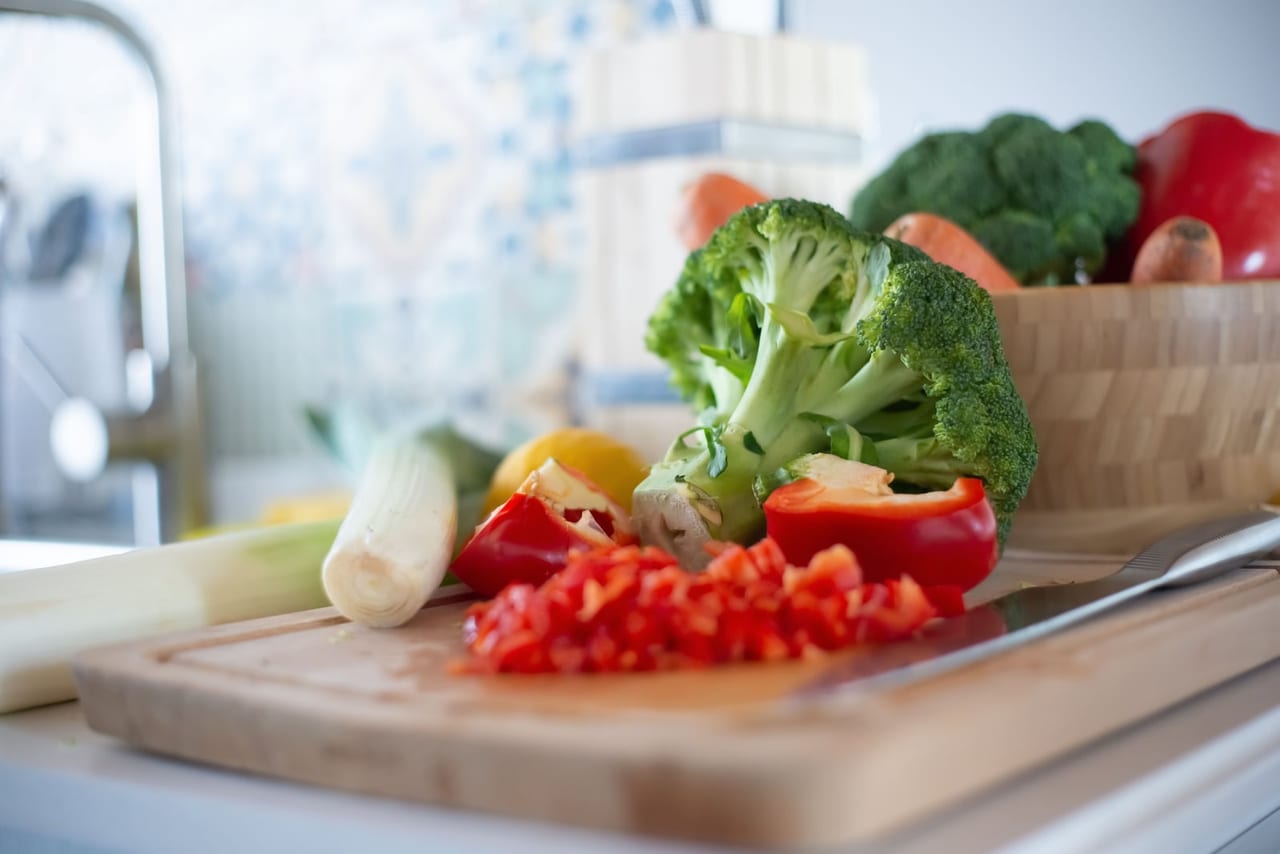
Vitamin C is protein's partner, because the body needs it to make collagen. Citrus fruit, peppers, strawberries, kiwi and broccoli are rich in it, tomatoes add some, and raw or lightly cooked foods keep more of it. It also helps the body absorb the iron in plant foods such as lentils and beans, so peppers with beans or tomatoes with eggs make a natural pair.
The rest of the plate, and where food stops
The same everyday foods keep turning up beyond the headline nutrients. Beans, nuts, seeds and whole grains supply magnesium, and bananas, potatoes, yogurt and leafy greens supply potassium; what each does in the body is covered in vitamins and minerals for your feet.
Fatty fish such as salmon, sardines and trout, and walnuts, add omega-3 fats. General eating advice often suggests fish a couple of times a week, mostly for the heart, so it's one part of an overall pattern rather than a food chosen for the feet. People who are pregnant can ask a healthcare professional which fish suit them, since some are higher in mercury.
Eating enough overall matters too. For people who are very active or on their feet all day, eating too little has been linked to bone stress injuries in the foot, though the picture is mixed. Salt is easiest to watch on the label of packaged food, and fluids have their own page in what to drink for your feet. Even then, a tendon doesn't respond to lunch the way a plant responds to water: it's built slowly, and eating more of a food that's already part of your day doesn't mean more benefit.
If you eat plant-based, skip dairy or have an allergy
Plant-based eating spreads protein across beans, lentils, soy foods, nuts and grains. It pairs the iron in those foods with a vitamin C food. Calcium comes from the fortified drinks and tofu described earlier, which makes the label worth reading.
Vitamin B12 is the one that stands apart: plant foods don't contain it unless it has been added, so people who eat no animal foods commonly rely on fortified foods or a supplement. Allergies and intolerances change the list but not the idea. Someone who avoids nuts, soy, fish or dairy needs other routes to the same nutrients, and a dietitian can help plan the swaps.
A day on your feet, plate by plate
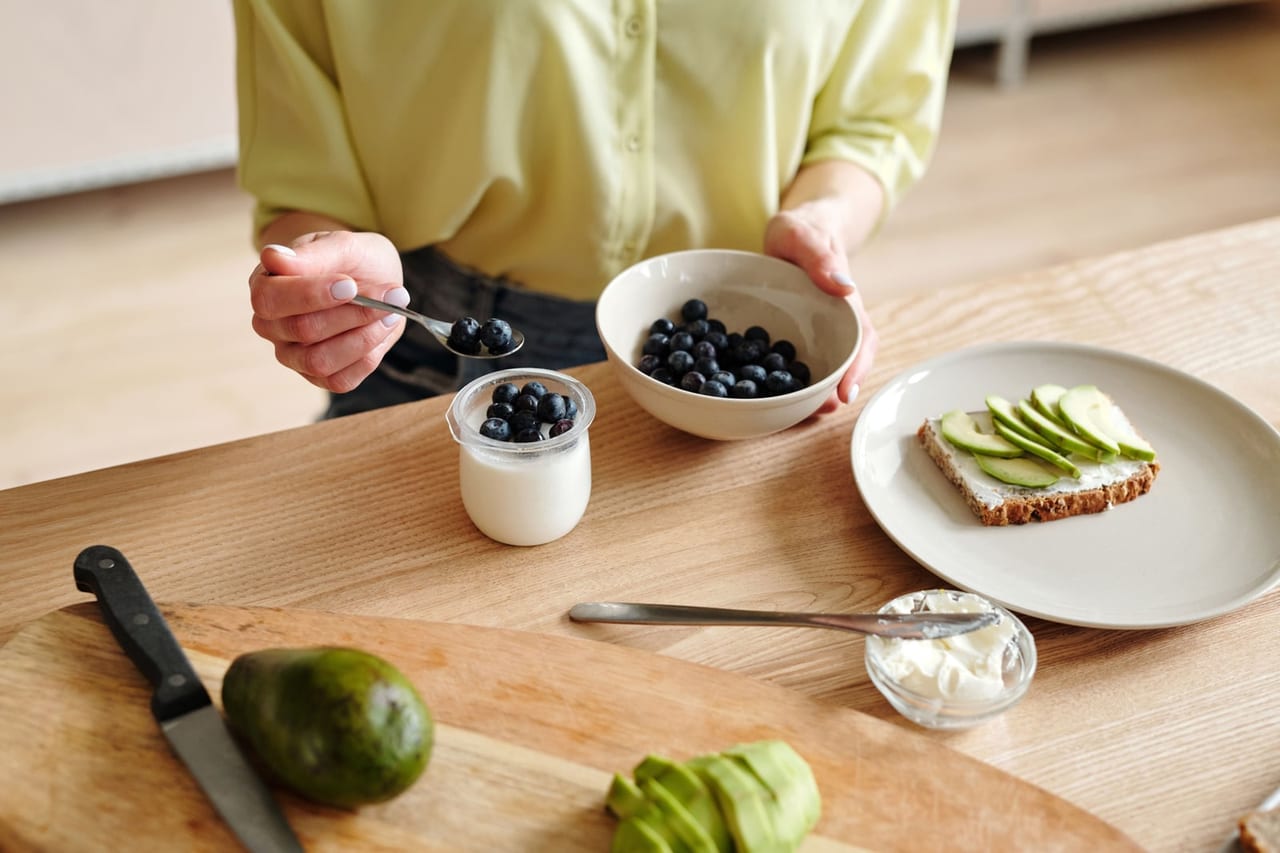
A day on your feet might start with yogurt and fruit, carry nuts and an apple into the mid-shift break, and end with a dinner that has a vitamin C food beside the protein. Those are examples, not a prescription, and the six habits below are how people commonly put such a day together. You need a notebook, a lunch container and the food you already have.
Put a calcium food in your first meal
Yogurt or milk with fruit, a fortified plant drink on cereal, or tofu made with calcium in a scramble all count.
Pair a vitamin C food with protein
Set peppers, tomatoes, broccoli, citrus fruit or strawberries beside the beans, eggs or fish on your plate.
Choose fish a couple of times a week
If you eat fish, general advice often suggests a couple of meals a week, fatty fish such as salmon or sardines among them, baked or grilled rather than fried.
Pack a snack with protein
A handful of nuts, a boiled egg or a piece of cheese carries a long shift better than crackers alone.
Read the label on packaged food
Look for calcium and vitamin D on plant drinks and cereals, and glance at the salt on soups and ready meals.
Keep a short food note for appointments
Jot down what you usually eat for a few days, plus any supplements you take, so a healthcare professional or dietitian can work from your real week.
Adding is easier than removing, and most of these habits ask only that one more thing join a meal you were having anyway. A snack that lives in your bag tends to get eaten.
When foot changes may mean more than food
Tired feet at the end of a long day, an occasional cramp after a hard walk or a little puffiness in hot weather are ordinary, and they usually say more about the day than about the plate. A varied diet usually supplies what the body needs.
Pay closer attention when changes don't fit the day. Tingling or numbness that spreads or stays, cramps that come often, swelling in one leg, sores that don't close over and tiredness that doesn't lift are signs to get checked, not signs of a missing nutrient. Guessing with a shopping list can delay finding the real cause.
Questions people ask
Do I need a supplement if I eat a varied diet?
Many people who eat a varied diet get what they need from food, and a supplement is a separate decision. A blood test ordered by a healthcare professional can show whether a level is low, which guessing from how your feet feel can't. More in foot health supplements.
Can what I eat change foot swelling or cramps?
Food and drink are often mentioned, but swelling and cramps have many causes, from a long day on your feet to conditions that need care, and no food is known to stop either one. If they keep coming back, a healthcare professional can look for the cause.
The bottom line
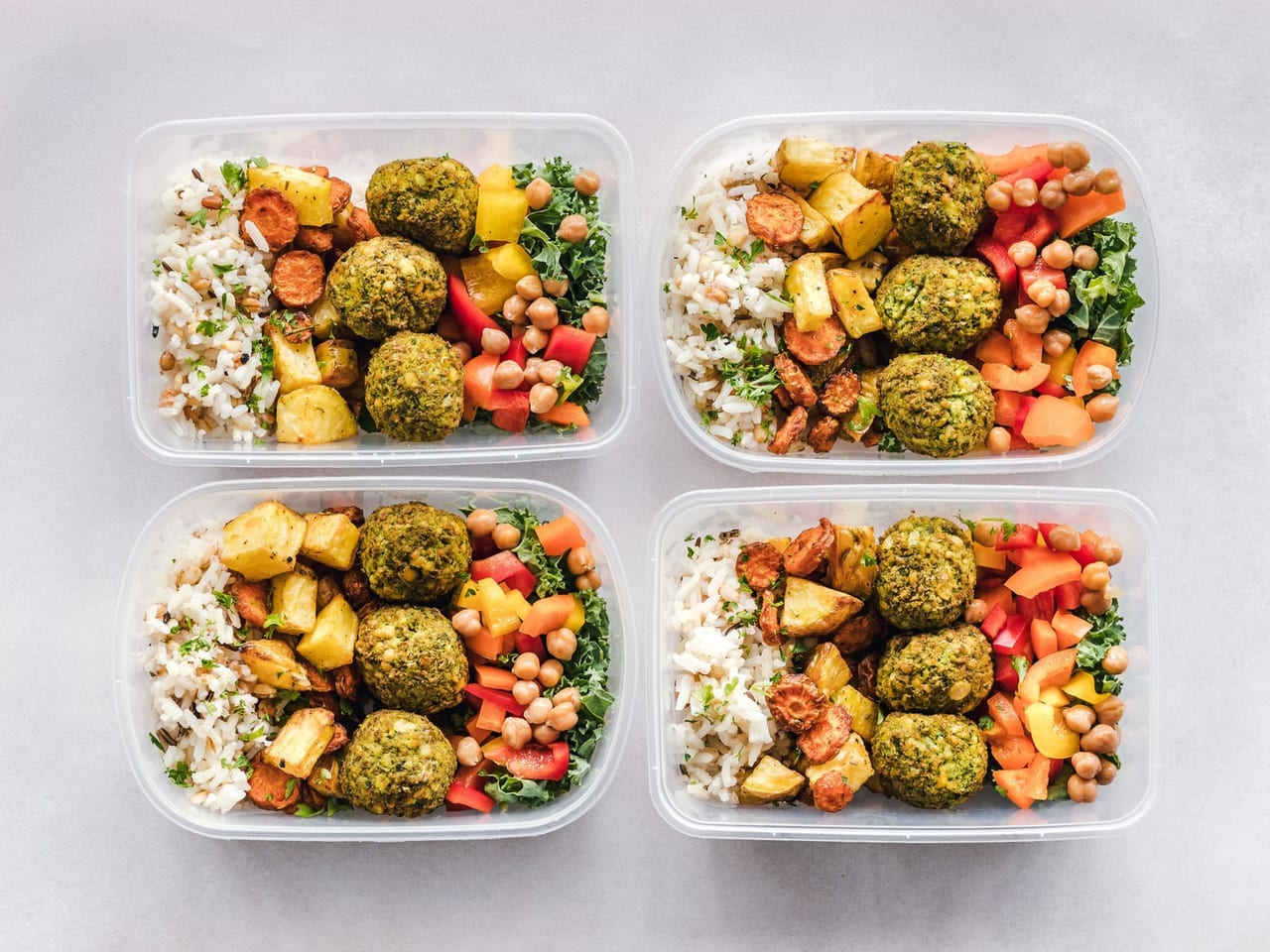
Your feet are built from the same ordinary materials as the rest of you, and they get them the same way: from a plate with some variety on it, day after day. No single food does anything dramatic for a tendon or a toe bone, and that takes some pressure off. A good-enough plate doesn't ask for perfect choices, only that the next meal carry a little of what the last one missed.