Simple Habits for Healthier Feet
Most foot care happens in small moments: after a shower, while pulling on socks, when you choose a pair of shoes. A few simple habits in those moments help keep your feet comfortable.
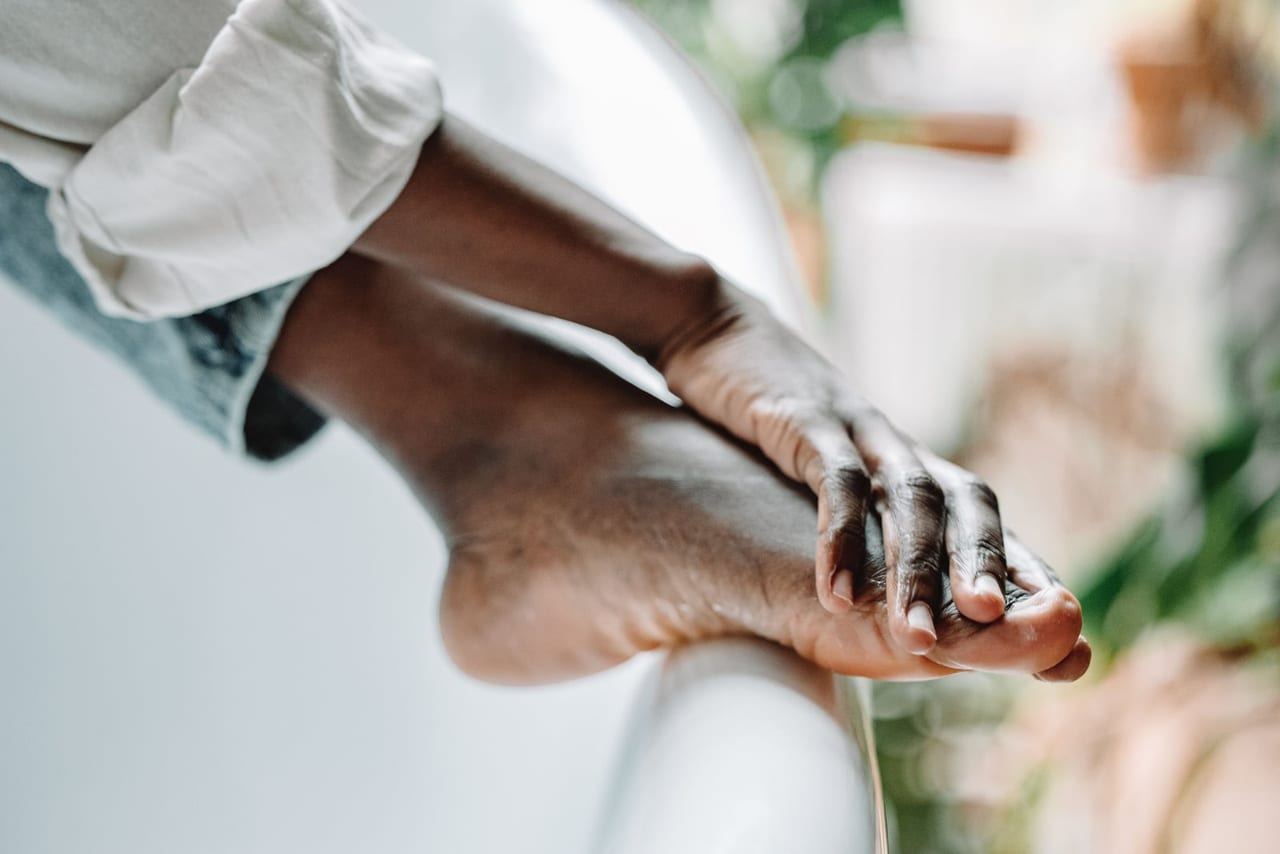
Most days your feet get about as much attention as the floor beneath them: a rinse in the shower, a sock pulled on in a hurry, a shoe stepped into without a thought. They tend to speak up only when something hurts or a shoe stops fitting. Then one evening the socks come off and there's a sore spot, a dry patch or a nail overdue for trimming, and no telling how long it's been there.
The short answer
Healthier feet come from small habits you repeat, not from anything complicated. Wash and dry your feet every day, keep the skin and nails in good shape, wear socks and shoes that fit your day, and keep your feet moving. Take a regular look at your feet so you notice changes early. If a sore isn't getting better, or you notice numbness, lasting pain or a change in your skin or nails, talk with a healthcare professional, and if you have diabetes, check your feet every day.
Why small habits make a difference
Each foot has 26 bones and 33 joints, worked by more than 100 muscles, tendons and ligaments. Every time you stand or take a step, those feet carry your full body weight, with much of the pressure on the heel and the ball of the foot. Small habits that look after the skin, the nails and the shoes help keep all of that comfortable.
Moisture is one of the quieter troubles. Sweat trapped in socks and shoes keeps skin damp, and damp skin rubs more easily; it also feeds the microbes that live on your skin, which is where foot odor comes from. The narrow gaps between your toes are warm and closed off inside a sock, so moisture can linger there after the rest of your foot is dry, which is one reason itching and peeling so often start between the toes.
Skin, nails and the problems you can miss
Heels and soles can dry out and roughen, and nails keep growing whether you notice them or not, so both benefit from a little upkeep. A few minutes now and then keeps them from becoming a bother, and there's more on rough heels in how to keep your heels soft. Two small habits matter more than they seem: dry carefully between each toe after washing, and keep moisturizer on your heels and soles, not in the gaps, where moisture already tends to linger.
Small problems are easy to miss. A small cut, blister or change in a nail rarely announces itself under a sock, and if your feet have less feeling than they used to, you may not notice a problem at all until you look. That's why a regular look at the tops, soles, heels, nails and the spaces between your toes earns a place in the routine: it takes only seconds and helps you catch changes early.
A simple foot care routine
Most of these habits fit into what you already do. The daily ones take a few minutes, and the rest come up every so often. You'll need a towel, mild soap, a moisturizing cream or lotion, clean socks, nail clippers and a nail file, and a hand mirror. If your feet have less feeling than they used to, test the water temperature first.
Wash and dry your feet every day
Use warm, not hot, water and mild soap, then dry well, especially between the toes. If your feet have less feeling than they used to, test the water temperature first.
Moisturize dry skin, not between the toes
After washing, rub a little cream or lotion into dry heels and soles. Skip the spaces between your toes, which are better kept dry.
Trim your toenails straight across
Cut straight across and not too short, then smooth any sharp corners with a nail file. Nails are usually easier to trim after a bath or shower.
Take a regular look at your feet
Check the tops, soles, heels, nails and the skin between your toes, using a mirror if you need one. Look for cuts, sores, redness, swelling, dry cracks or anything new.
Wear clean socks and shoes that fit
Put on a fresh pair of socks every day and choose shoes with room for your toes and a heel that does not slip. Give each pair of shoes a day off to dry.
Keep your feet moving
Walk when you can, and break up long spells of sitting or standing. When you sit for a while, slowly circle each ankle a few times. Move gently and stop anything that hurts.
The daily steps fit naturally around a bath or shower. The regular look and the trimming come up less often, so it can help to tie them to something you already do, such as the end of a shower. A quick, regular look tends to be more useful than an occasional thorough one, because what you're watching for is change, and change is easiest to spot when you know what your feet usually look like.

What you wear and walk on
Your shoes and socks are with your feet for most of the day, so they shape how every habit above works out. Look for about half an inch of room in front of your longest toe and a heel that stays put when you walk. Feet are larger later in the day, and many people have one foot larger than the other, so try shoes on in the afternoon and fit the larger foot.
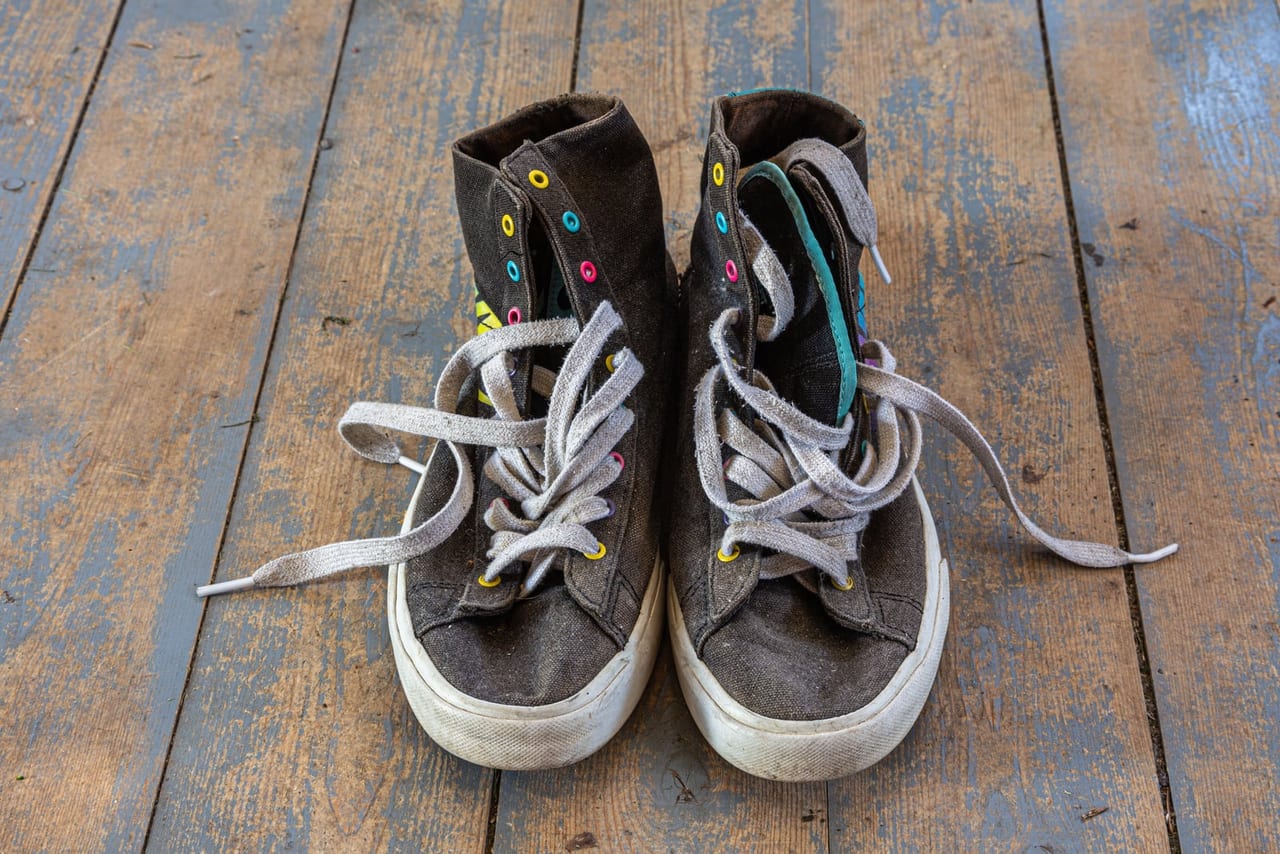
Shoes also wear out quietly. The foam compresses with wear and slowly loses its spring, often before the pair looks old, and a shoe that's too tight, too loose or worn flat adds strain to every step. The pair you reach for every day is the one most likely to wear out unnoticed, simply because it feels familiar. Uneven wear, creased or flattened foam and a heel that no longer holds you are signs a pair is ready to retire, and how to tell when your shoes are worn out has more.
Socks and insoles belong to the same picture. Wool or synthetic socks that wick moisture keep feet drier than thick cotton, and a clean pair every day helps. A supportive insole can add cushioning and arch support that a thin factory footbed lacks, as long as the shoe still fits with it inside.
When foot changes may mean something more
Some things are part of ordinary life on your feet. A little dry skin on the heels, feet that feel tired after a long day and a mild smell after a warm one are all common. These usually ease with rest and the routine above.
Pay closer attention to anything new that doesn't settle, especially a change in only one foot, a sore that lingers, or a change in how your feet feel. It may not be serious. Even so, it's worth having your feet checked.
Questions people ask
Should toenails be cut straight across?
That's the usual advice: cut straight across and not too short, then smooth any sharp corners with a nail file. Nails are usually easier to trim after a bath or shower. Nails that become thick, discolored or crumbly are worth mentioning to a healthcare professional.
Is it OK to walk barefoot at home?
Many people enjoy it on clean floors that don't slip. Socks can slip on smooth floors, so slippers or flat shoes with a sole that grips are steadier, and if you have diabetes or reduced feeling in your feet, wear shoes or slippers at all times, even indoors.
What exercises are good for my feet?
Gentle ankle circles, calf stretches and simple toe moves such as spreading your toes are easy places to start, and slow ankle circles are a good way to break up a long spell of sitting. Move gently, stop anything that hurts, and see simple toe exercises for more ideas.
The bottom line
Good foot care is mostly a matter of paying attention before your feet demand it. Washing, a little upkeep, shoes that fit and a habit of looking are all ordinary, and together they turn the surprise at the end of a long day into something you found early.