High Arches: What They Are and What They Mean
A high arch is easy to spot and harder to read. For some people it's simply how their feet are built, and for others it comes with sore spots, rolled ankles or a question about what's behind it.
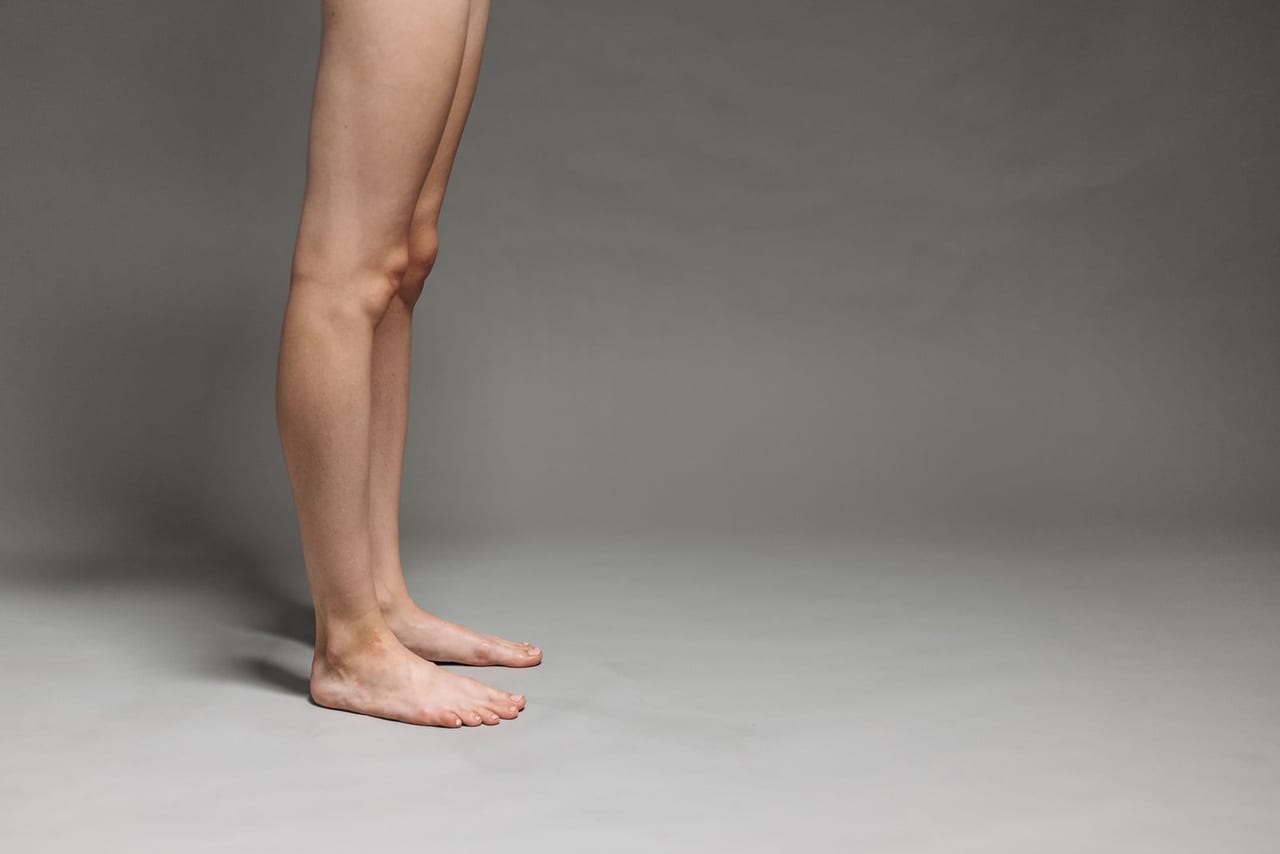
Stand barefoot on a hard floor and look at the inside of one foot. For some people the arch lifts so far that a clear gap shows beneath it, and the gap stays however much weight goes onto the foot. It may be a shape they've always had, or something noticed only after a callus appears under the ball of the foot or an ankle rolls on a curb. It's natural to wonder whether it's just how the foot is made or something more.
The short answer
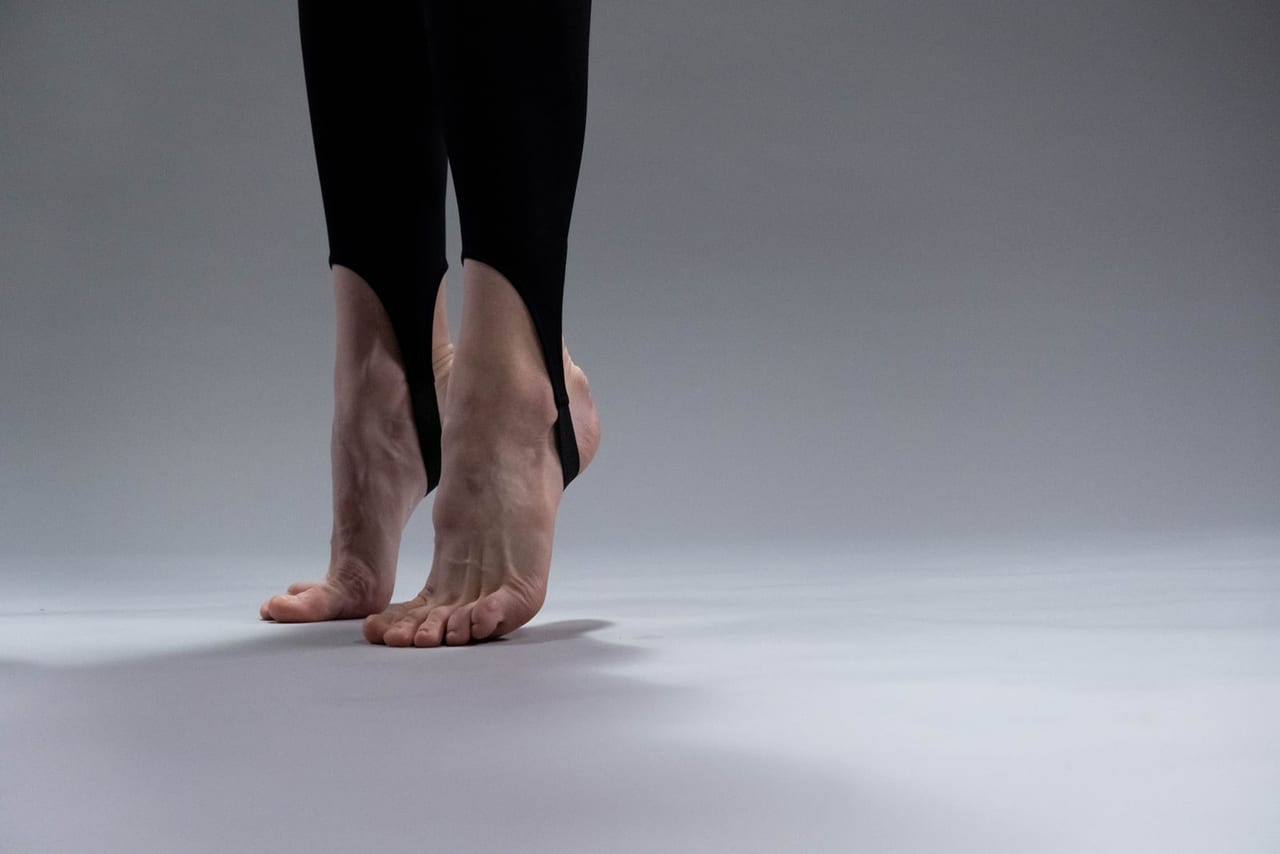
A high arch, also called pes cavus, is an arch that stays lifted when you stand, so more of your weight lands on the heel and the ball of the foot. It doesn't always cause trouble, but some people notice calluses, soreness in the ball of the foot, curled toes or ankles that roll easily. It can be inherited, and sometimes it's linked to a nerve or muscle condition. Everyday choices include cushioned shoes with room for the toes, gentle calf stretches and balance practice. A healthcare professional can tell what is going on, so ask about an arch that's new or changing, higher in one foot, or paired with weakness, numbness or lasting pain.
What a high arch is, and how it carries your weight
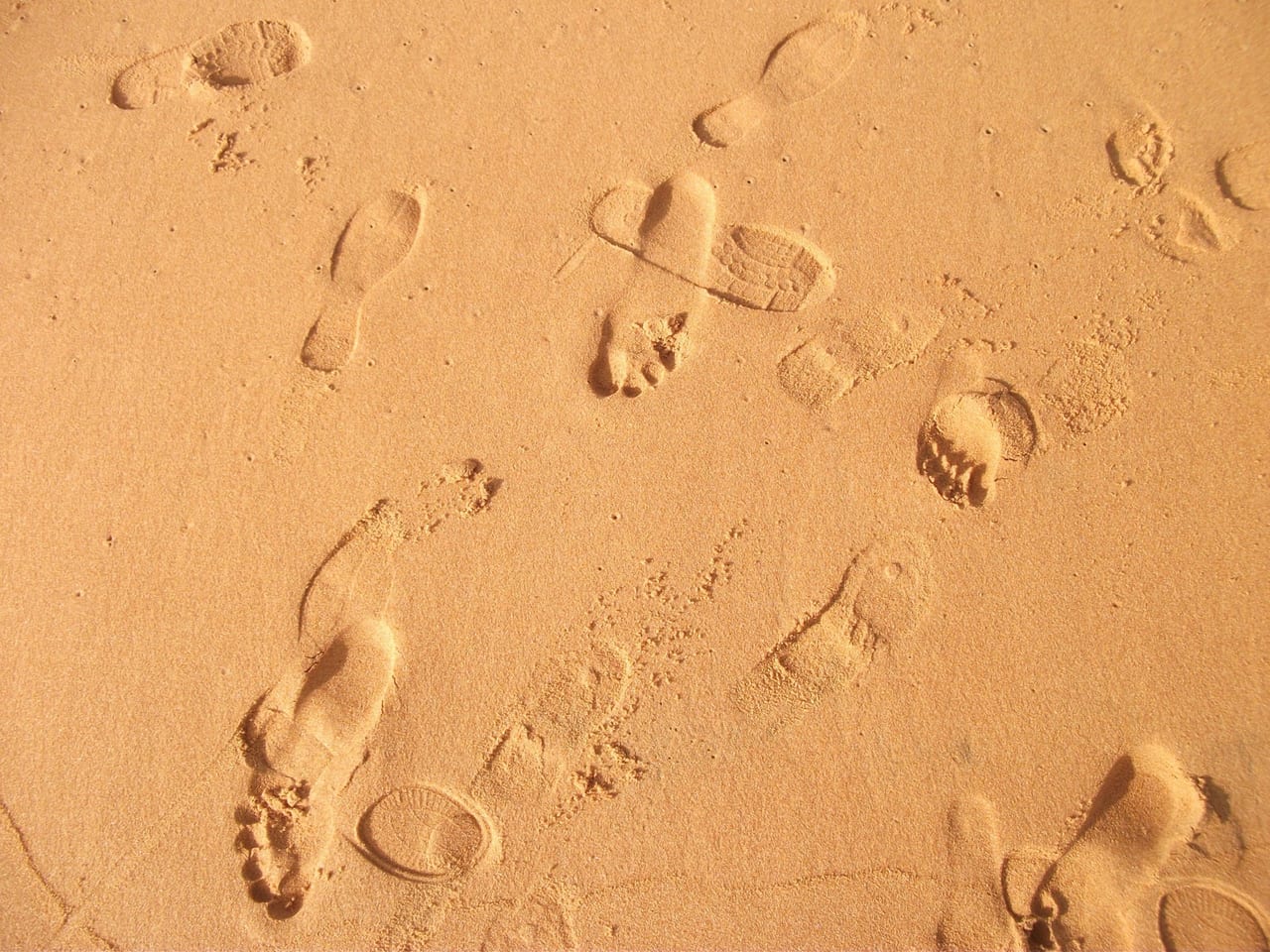
Most arches flatten a little when you stand on them and spring back as you step. A high arch flattens little, if at all, so less of the sole meets the ground and the heel and the ball of the foot carry most of the load. It's the opposite of flat feet, and a wet footprint shows it: little or nothing joins the heel to the ball. A print is only a first look, as how to find your arch type explains.
A foot built this way also tends to be stiffer, and the heel may tilt slightly inward, which can shift weight toward the outer edge. None of this makes a high arch a problem on its own. A mild one may never be noticed, while another brings sore spots, and how much trouble it causes varies from person to person.
What people with high arches may notice
With less of the sole in contact with the floor, pressure gathers at the heel and the ball of the foot, so soreness in those two places is among the first things people notice. Calluses, the thickened patches that form where skin takes repeated pressure, tend to build under the ball, along the outer edge and on the heel. Some people also feel tired or achy in the arch after long hours on their feet.
The ankle and toes can be affected too. When the heel tilts inward the foot is less steady, and some people find an ankle rolls outward on a curb or uneven ground. The toes may bend under or clench like a fist, as in hammertoes or claw toes. Others have trouble lifting the front of the foot, so the toes catch or drag as they walk.
Why some feet have high arches
The arch is held up by bones, ligaments and a band of tissue along the sole, and muscles in the lower leg and foot keep it balanced. When those muscles pull evenly, the arch keeps its usual height. A nerve condition that weakens some of them more than others can tip the balance and raise the arch.
Sometimes a high arch is an inherited shape that runs in the family and comes with no other condition. Other times a nerve or muscle condition is behind it, such as Charcot-Marie-Tooth disease or cerebral palsy, and a stroke can change the arch in one foot. A past injury can also play a part.
Everyday habits for high-arched feet
These are everyday habits rather than a program, and together they take about ten minutes. You'll need the shoes you wear most, a wall and a sturdy counter or chair. Move slowly and gently, stop anything that doesn't feel right, and if you're recovering from an injury or surgery, check with a healthcare professional first.
Check the fit of your shoes
Look for about half an inch of room in front of your longest toe, some cushioning underfoot and a stable base, such as a heel that's a little wider at the bottom.
Try a cushioned, supportive insole
If your shoes have removable insoles, some people swap in a cushioned one that fills the space under the arch. Try it in the shoes you'll wear it in.
Stretch your calves at a wall
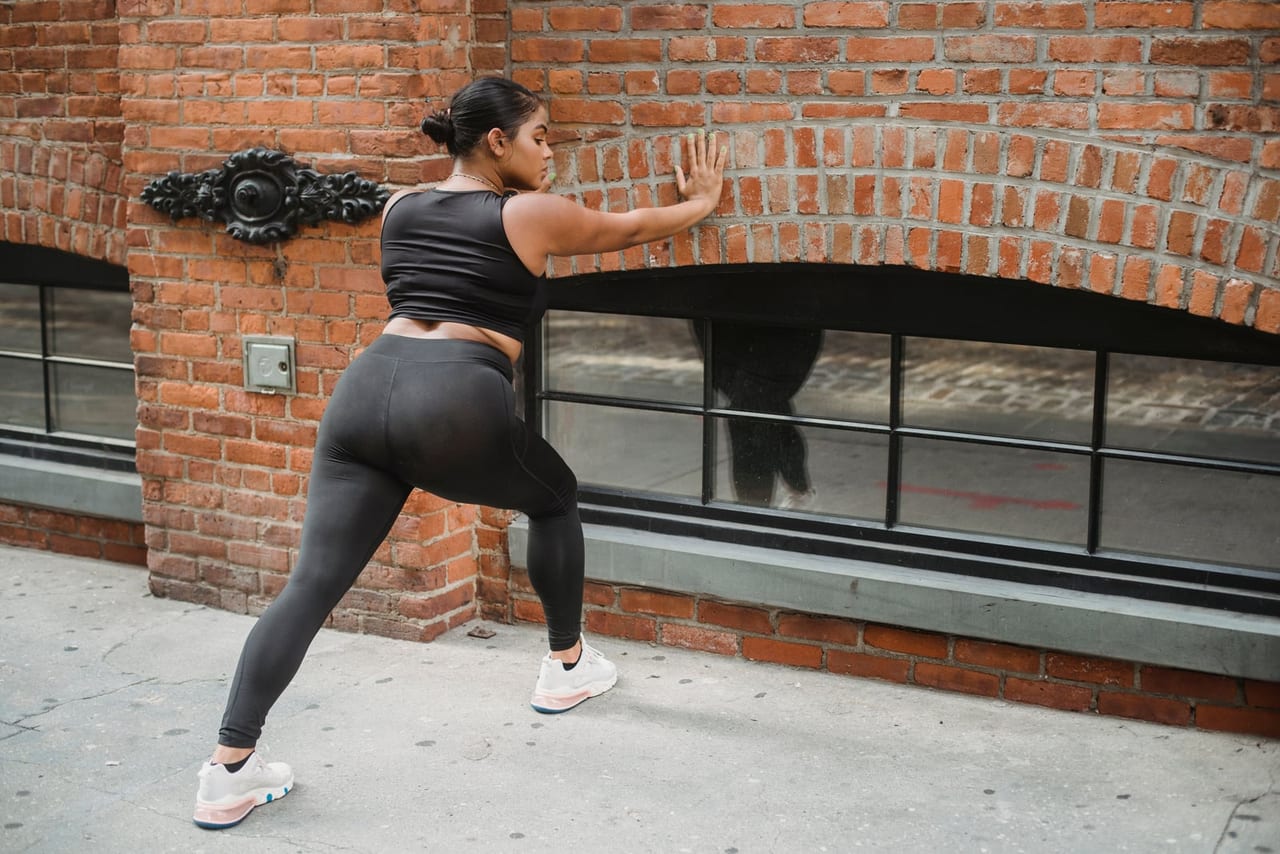
Face a wall, step one foot back with the knee straight and the heel down, and lean in until you feel a gentle pull in the calf. Hold for about 30 seconds, then switch legs.
Stand on one foot by a counter
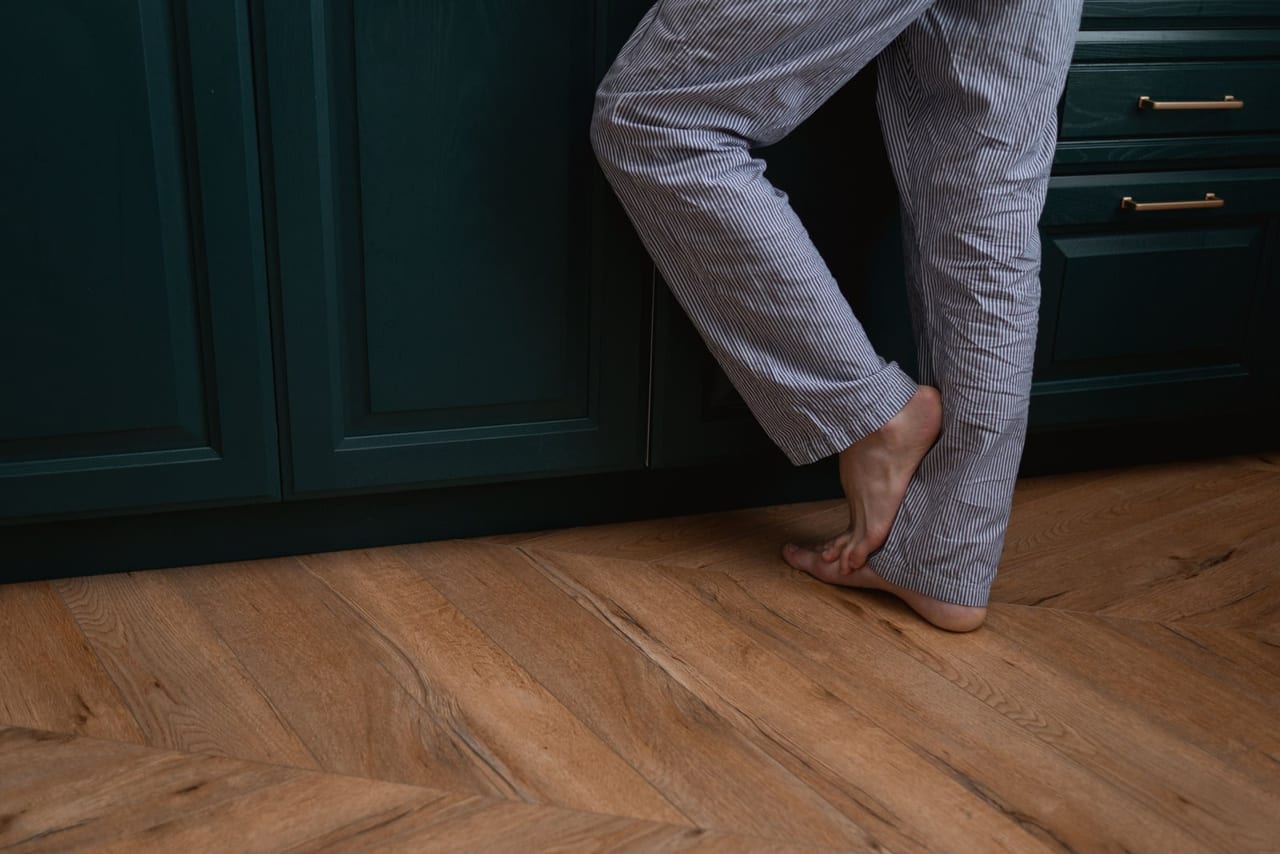
Rest your fingertips on a sturdy counter, lift one foot a little and hold for up to ten seconds, then switch. Hold on more firmly whenever you feel unsteady.
Look over your feet and shoes
Now and then, check the ball, outer edge and heel of each foot for hard patches, cracks or sore spots. Don't cut or shave calluses, and replace shoes whose cushioning has gone flat.
Tight shoes and shoes with little cushioning are among the footwear linked to soreness in the ball of the foot, so the shoe check and the insole are about where pressure lands. The stretch and the one-foot stand are about movement. Gentle stretching and balance practice are among the habits commonly suggested for stiff feet and ankles that roll, and there's more in balance exercises for your feet and ankles. None of this changes the shape of the arch, and an insole doesn't either.
What a healthcare professional may do
A healthcare professional, such as a foot and ankle specialist, may ask about your feet and your health and look at your feet and ankles. Watching you stand and walk, and checking how the muscles and nerves in your legs and feet are working, can add to the picture. Imaging may follow, and nerve tests or further scans are sometimes used when a nerve or muscle condition is possible. The aim is to learn whether the arch is simply a shape or part of something broader.
What comes next depends on the cause and on how much the arch bothers you, and an arch that causes no trouble may need nothing at all. A healthcare professional may talk through options such as a stretching and strengthening routine, supportive shoes with a wider heel or ankle support, custom-made inserts or a brace for an unsteady ankle. Surgery may be discussed for some people, and a nerve or muscle condition may bring other specialists into the plan.
When a high arch may mean something more
The ordinary picture is a high arch that has looked the same for as long as you can remember, looks much alike in both feet and doesn't get in your way. Sore feet after a long day on hard floors are common with any arch.
Pay closer attention if the arch looks higher than it used to, is high in only one foot, or first appeared in adulthood. An arch tied to a nerve or muscle condition may keep changing, and one in a single foot can follow an injury, so a healthcare professional may look further when no injury explains it. Weakness, numbness, a foot that drags and ankles that keep rolling belong on the same list. It may still turn out to be minor, but these are reasons to get checked.
Questions people ask
Do high arches need special shoes or insoles?
Not always. A mild high arch may cause no trouble in ordinary shoes, and comfort is the guide. If the heel or the ball of the foot gets sore, some people find cushioning, room for the toes and an insole that fills the space under the arch more comfortable, though an insole won't change the shape of the foot.
Are high arches genetic?
They can be. A high arch sometimes runs in families, and when it's simply an inherited shape it usually changes little over the years. Because some nerve and muscle conditions are inherited as well, an arch that changes, or one that comes with weakness or numbness, is worth mentioning to a healthcare professional.
Can high arches lead to plantar fasciitis?
A high arch is one of the foot shapes linked to plantar fasciitis, a common cause of heel pain, but it's only one factor among several, and plenty of people with high arches never get it. The plantar fasciitis guide explains the condition and what a healthcare professional may suggest, and heel pain that lingers is worth asking about.
The bottom line
A high arch describes how a foot is shaped; it isn't a verdict on it. It tells you where your weight tends to land, which is useful when you choose shoes or notice a sore spot, but by itself it says little about how your feet will feel. What counts more is whether the arch stays the same over the years and how your feet are doing by evening.