How Your Feet Work: The Arches, the Heel and the Toes
Your feet carry you all day, yet few people think about the structures doing the work. A single step asks the heel, the arches, the toes and the calf to work as one.
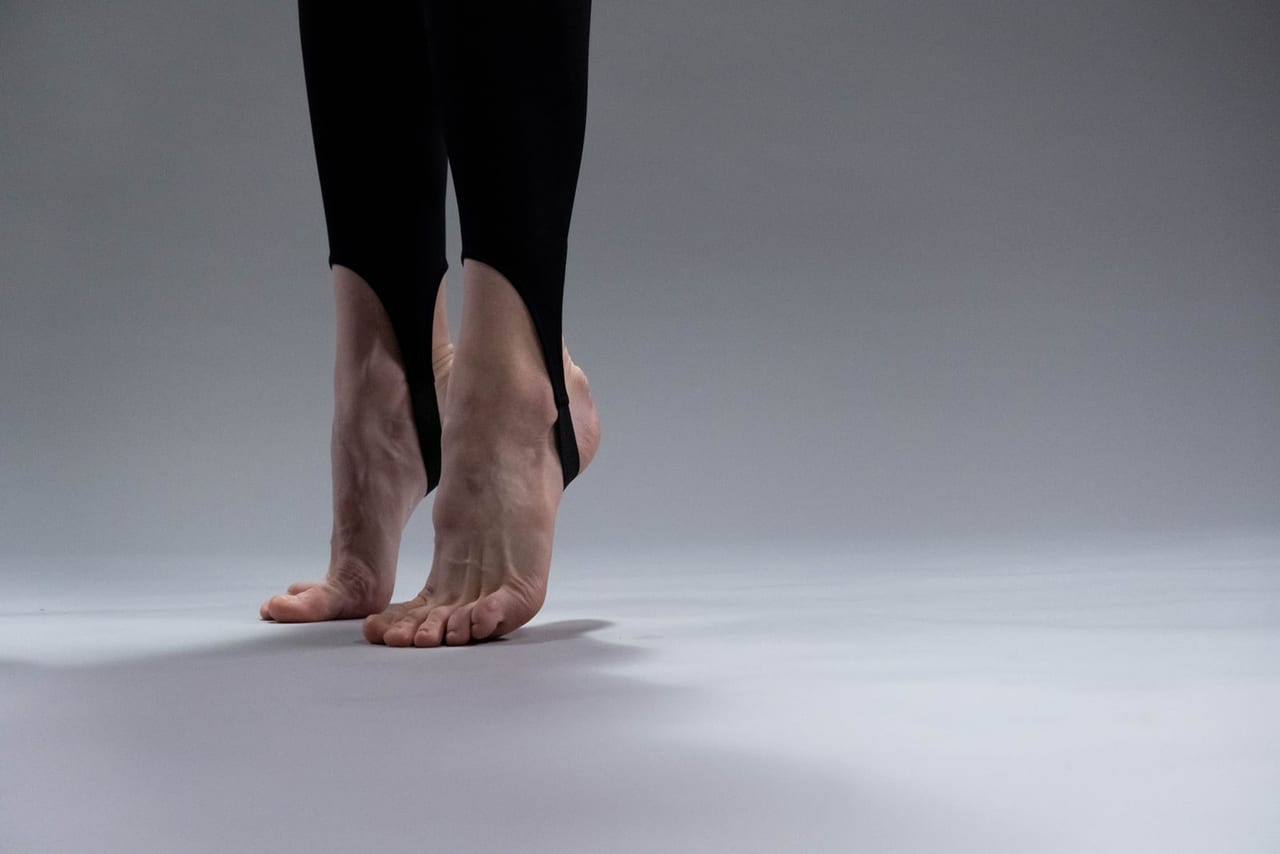
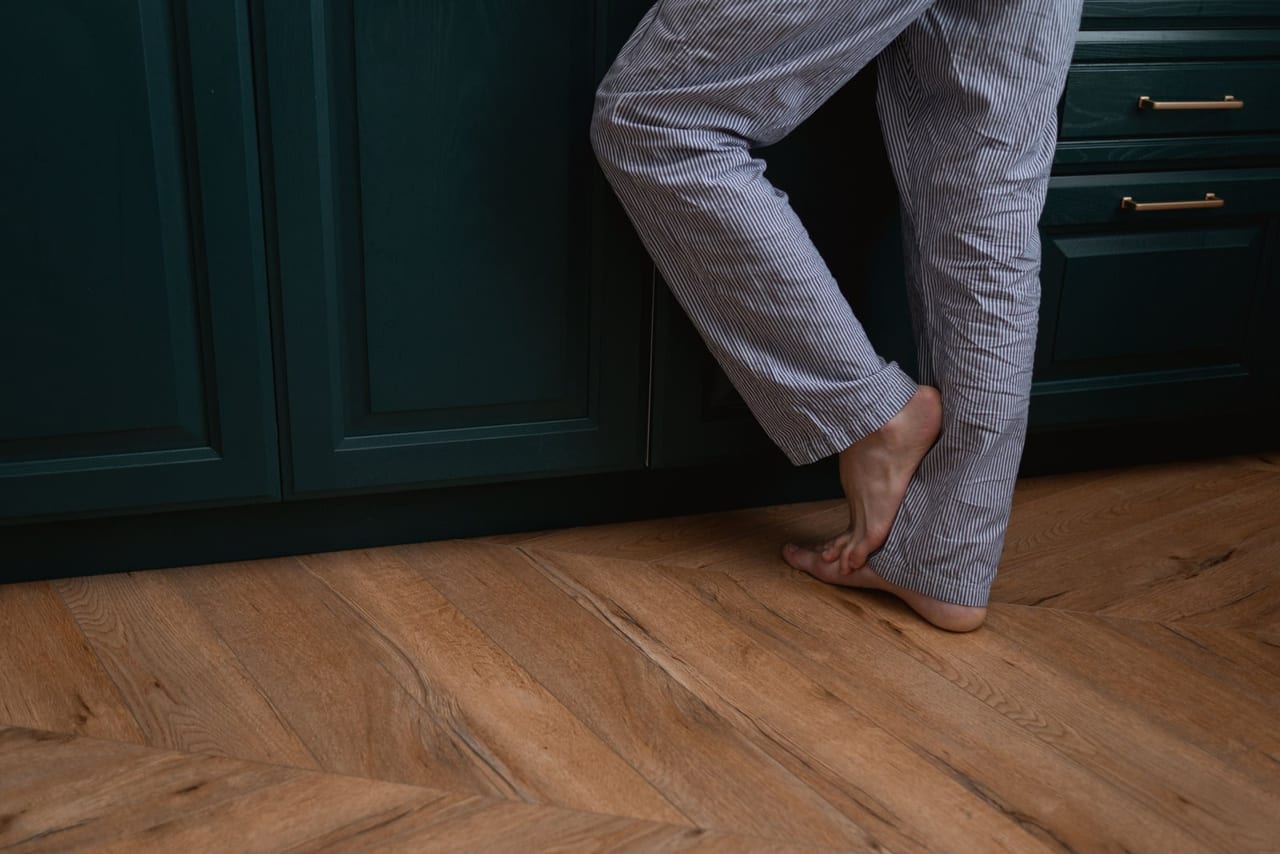
Stand up for a moment and rise onto your toes. Your heels lift, your calves tighten, and your weight settles onto the balls of your feet, a movement made thousands of times without a thought. It's also a small demonstration of what your feet do on every step: change their job from moment to moment.
In the fraction of a second that a step lasts, several structures hand the work along, one to the next, so smoothly that you rarely feel it happen. It's only when a heel rubs or a shoe pinches across the toes that the foot announces itself.
The short answer
Each foot has 26 bones and 33 joints, moved and held together by more than 100 muscles, tendons and ligaments, because a step isn't one job but several. The heel lands on a pad of fat that softens the contact, and the arches give a little to share the load as your weight moves forward. Then the foot firms up so the calf and the big toe can push you into the next step. The foot is built to change, and a good shoe lets it.
How your foot works as a system
The heel bone is the largest of the 26, and on most steps it meets the ground first. Beneath it sits a thick pad of fat packed into small chambers, which softens the contact so the bone never takes the full force of a landing. From there the load travels into the middle of the foot, where a cluster of smaller bones forms the arches and the joints between them let the foot bend, twist and settle onto uneven ground.
The foot has three arches: the long inner arch, a lower outer arch and one across the foot behind the ball. The inner arch is the one that moves, flattening a little under your weight and springing back, while the firmer outer arch gives you a stable edge. The plantar fascia, a thick band from the heel bone to the base of the toes, holds the long arch up from below, and as the heel lifts and the toes bend back it draws tight and helps the arch rise. The foot has to be both flexible and stable, and the arches are where those two demands meet.
When you rise onto your toes, the lifting comes not from the foot but from the calf muscles, which reach the heel through the Achilles tendon; as the calf tightens, the tendon pulls the heel up and the body moves forward over the ball of the foot. The toes finish the job: as the heel lifts, the joint at the base of the big toe bends back and the big toe is the last part of the foot to leave the ground, while all five press into the floor and help you balance. Your toes are part of the movement system, not simply the end of your foot.
None of this works alone. Your foot is designed to adapt as your weight moves forward, then become more stable as you push into the next step.
What happens in a single step
Follow one ordinary step. The heel touches down and the fat pad softens the contact, then the rest of the foot follows, the inner arch gives a little, and your weight spreads across the sole. This is the foot at its most adaptable.
Then the body moves on. The heel lifts, the toes bend back, and the band under the sole draws tight, helping raise the arch as the calf tightens. For a moment the foot is firm enough to push against, and the calf drives you forward through the ball and the big toe. As the toe leaves the ground, the foot relaxes.
Imagine standing up after a long day and noticing that your feet feel different from the morning. Nothing is necessarily wrong. After hours of responding to your weight, the surface and the shoes, feet swell a little by evening and the small arch muscles can tire, so the foot you take home isn't quite the foot you left with.

Get to know your own feet in five minutes
With a counter to hold, a pair of shoes you wear often and a paper bag, you can notice most of this in a few minutes. The point is to notice, not to test. After an injury or surgery, check with a healthcare professional before trying the standing steps below.
Make a wet footprint
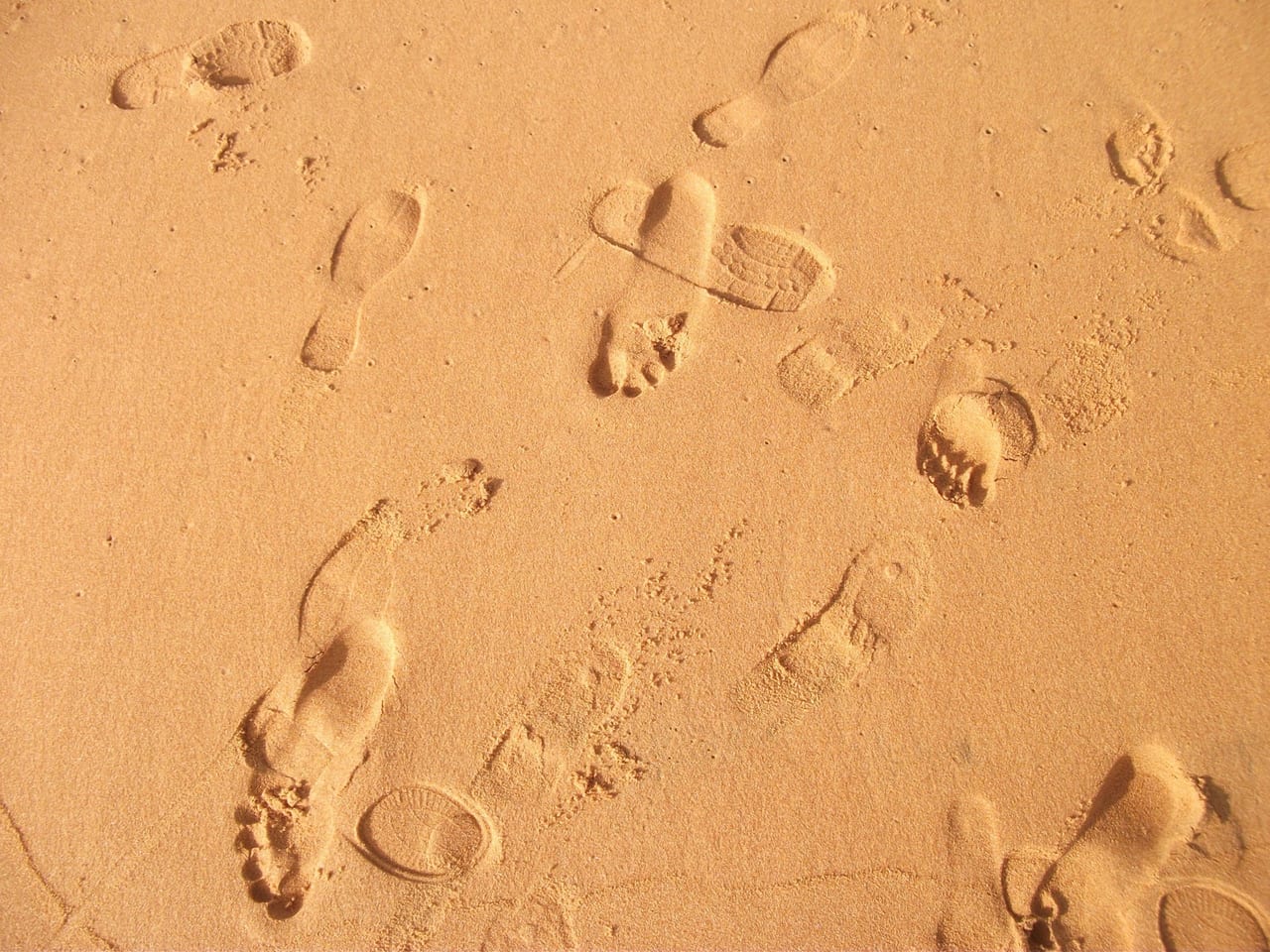
Wet your soles, stand on a brown paper bag for a few seconds, then step off. Notice how much of the inside edge of each print is filled in: a rough sense of arch height, not a test.
Check the wear on your shoes
Turn over a pair you wear often and look at the tread under the heel and the ball. Uneven wear can mean the pair is losing its support; it says little about your feet.
Rise slowly onto your toes
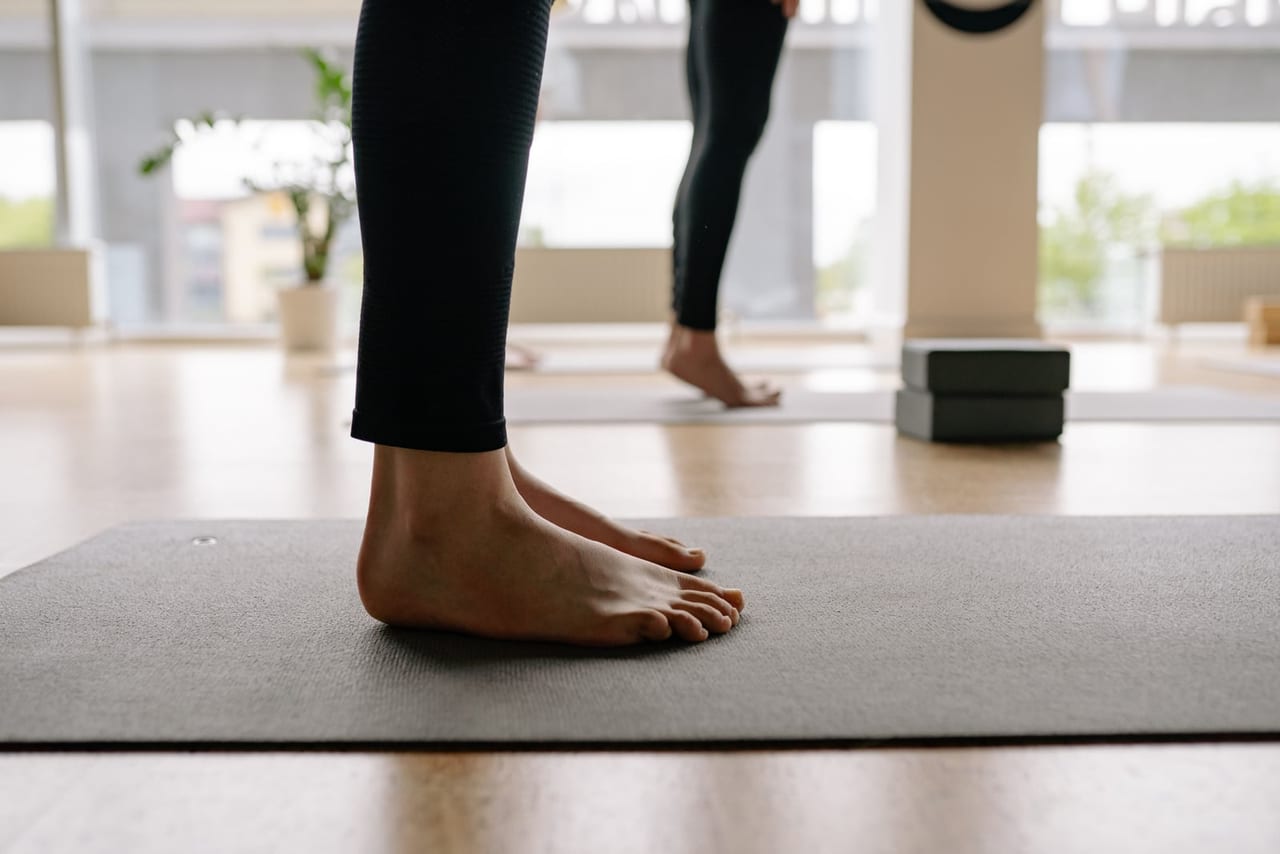
Hold the counter, lift both heels, then lower them slowly, five times. Notice your calves doing the lifting while the balls of your feet take the weight.
Spread and lift your toes
Sitting down, spread your toes wide for five seconds, then try lifting only your big toe. Notice how much control you have, and how much harder the big-toe lift is.
Balance on one foot
Stand beside the counter, holding on if needed, and lift one foot for up to 10 seconds, then switch. Notice your toes pressing into the floor and your ankle adjusting.
What you notice will differ from foot to foot and from day to day, which is normal. There's more on reading a footprint in how to find your arch type.
What this means for your shoes
Once you understand what your foot does in a step, shoe fit makes more sense. A shoe doesn't need to change how your foot works; it needs to give each part enough room and stability to do its job. The heel lands first and is the first to lift, so it needs to stay put in between. Holding it there is the job of the heel counter, the stiff cup at the back of the shoe, and a heel that slides as you walk means the shoe is too loose there.
Under the arch, support is a matter of degree. A shape that meets the inner arch spreads pressure across more of the foot, but how much feels right varies with arch height and movement, and comfort is a better guide than any label. The toes need space to bend and spread: about half an inch in front of the longest toe, in a toe box wide enough for them to spread.
One foot is often slightly larger than the other, so measure both later in the day and fit the larger one; there's more in how to measure your feet. For long days standing or walking, an insole can be one more part of the fit in a shoe with a removable footbed, though not everyone needs one. If you add one, try the shoe on again with it in place, since the heel still has to stay put and the toes still need their room.
When changes in your feet may mean something more
Feet vary from person to person and often from left to right, and most of what you notice in a self-check is simply the shape you have. Tired feet that recover overnight, or a little swelling by evening, are ordinary. So is one foot that is a little larger than the other, or an arch unlike the drawing on a shoe box.
Changes deserve more attention when they persist or get in the way of normal activity. Persistent pain or numbness is a different matter from end-of-day tiredness, and discomfort that lingers into the morning or builds over weeks deserves a proper look.
Questions people ask
Does everyone need arch support?
No. Arches differ in height and in how much they move, and many people with low or high arches are comfortable in ordinary shoes. Support tends to feel steadier on long days and is worth trying if your feet tire, but comfort is the guide.
Why does the heel hurt after a long day?
Most of your weight lands on the heel and the ball of the foot, so after hours on hard floors the heel is often the first place you feel it, and that soreness eases with rest. Heel pain that is sharpest with your first steps in the morning, or lasts for weeks, is worth having checked.

The bottom line
A foot that's working well is one you barely notice, because the handoff from heel to arch to calf to toes happens too quickly to feel. Most of what you can do for it comes down to leaving each part room to do its job, and to paying attention when one of them begins to complain.