How Your Feet Change With Age, and What to Do About It
Feet change slowly over the years, and shoes that fit well a decade ago may not fit now. Knowing what changes makes it easier to stay comfortable as it happens.

You pull on a favorite pair of shoes, the same size you've always worn, and something feels different: a little tight across the ball of the foot, or harder underfoot than you remember. It's easy to blame the shoes, and sometimes that's fair. But shoes aren't the only thing that has changed since you bought them, and the other change is so gradual that it rarely gets noticed until a shoe stops feeling right.
The short answer
Feet change gradually with age. Many adults find their feet get a little longer and wider, the fat pad that cushions the heel can thin, skin tends to get drier, and the small muscles that move the toes can lose strength. Measuring your feet, choosing shoes with room, cushioning and grip, caring for skin and nails, and staying active can all help. Pain that doesn't ease, numbness, sores that are slow to get better, or nails that turn thick and discolored are reasons to talk with a healthcare professional.
What changes in your feet over the years
None of this happens overnight, and not everyone notices every change. Many adults find their feet get a little longer and wider over the years, often as the arches settle slightly lower, so a shoe size you've worn for decades may no longer be the right one. Under the heel, a thick pad of fat cushions each step, and with age this pad can thin, so hard floors may feel harder than they used to.
Skin on the feet tends to get drier with age, and dry skin on the heels can crack. Toenails often grow more slowly and can get thicker and harder to trim. Joints may also feel stiffer after sleep or a long sit; that kind of stiffness is common and usually eases once you get moving.
The small muscles that keep you steady
The small muscles that move your toes can lose strength over the years. That matters because your toes do more for your balance than most people realize. As you stand and walk, they press into the ground and help keep you steady, and weaker toe muscles can make walking and balance harder.
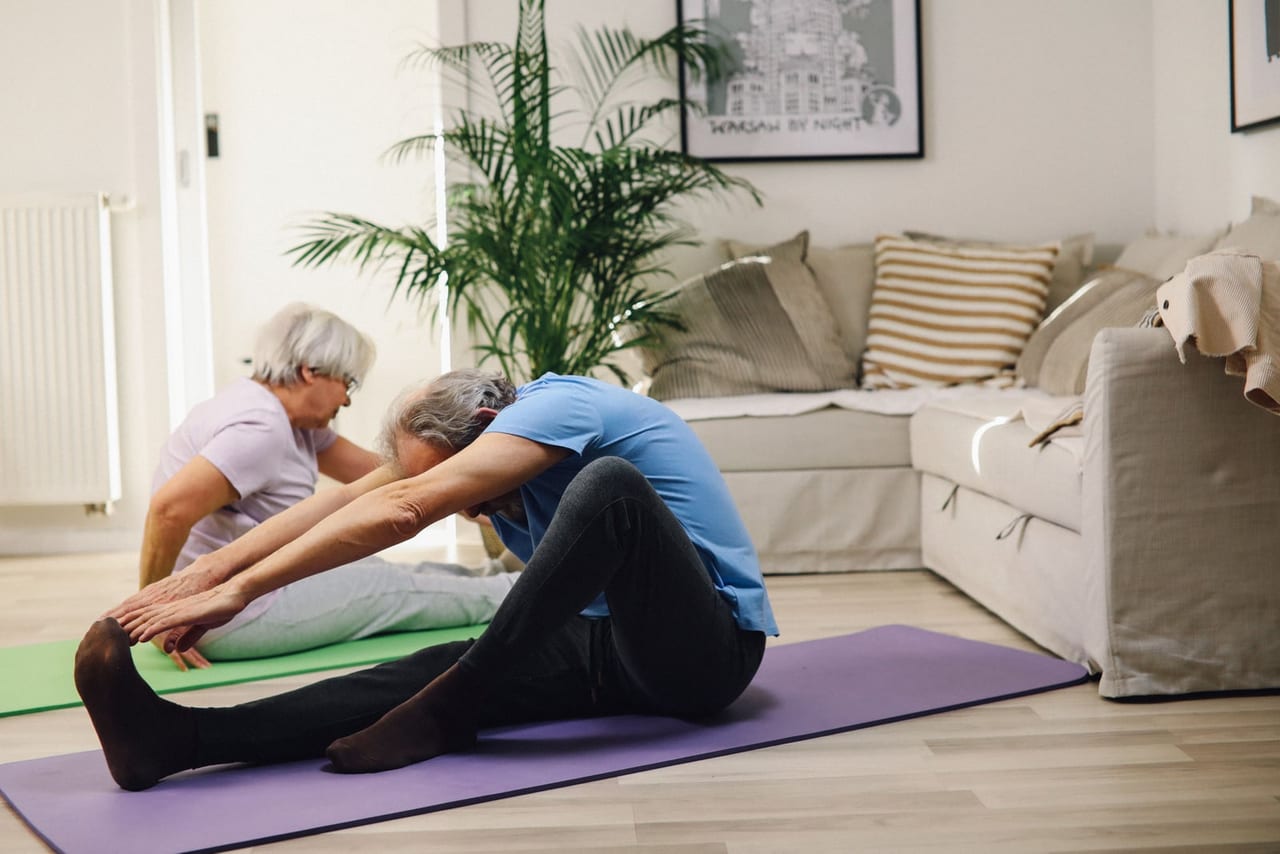
Balance practice, such as standing on one foot beside a counter, is part of the usual activity advice for older adults, along with strength work. Simple toe exercises work the small muscles underneath too. The steps below include a balance move and a heel raise, which works the calf muscles that lift your heel with every step.
Exercise is only part of the picture, because your toes also need room and traction to do their job. A shoe that squeezes them together leaves them little space to spread and press into the ground, and on a smooth floor a sock can slide under them instead of giving them something to grip. The shoes and slippers you choose shape how much of that job your toes can actually do.
What you can do as your feet change
These habits take a few minutes each. For the balance and toe moves, keep a counter within reach, move slowly, and stop anything that doesn't feel right. If you're recovering from an injury or surgery, check with a healthcare professional first. Measuring is covered step by step in how to measure your feet.
Measure both feet
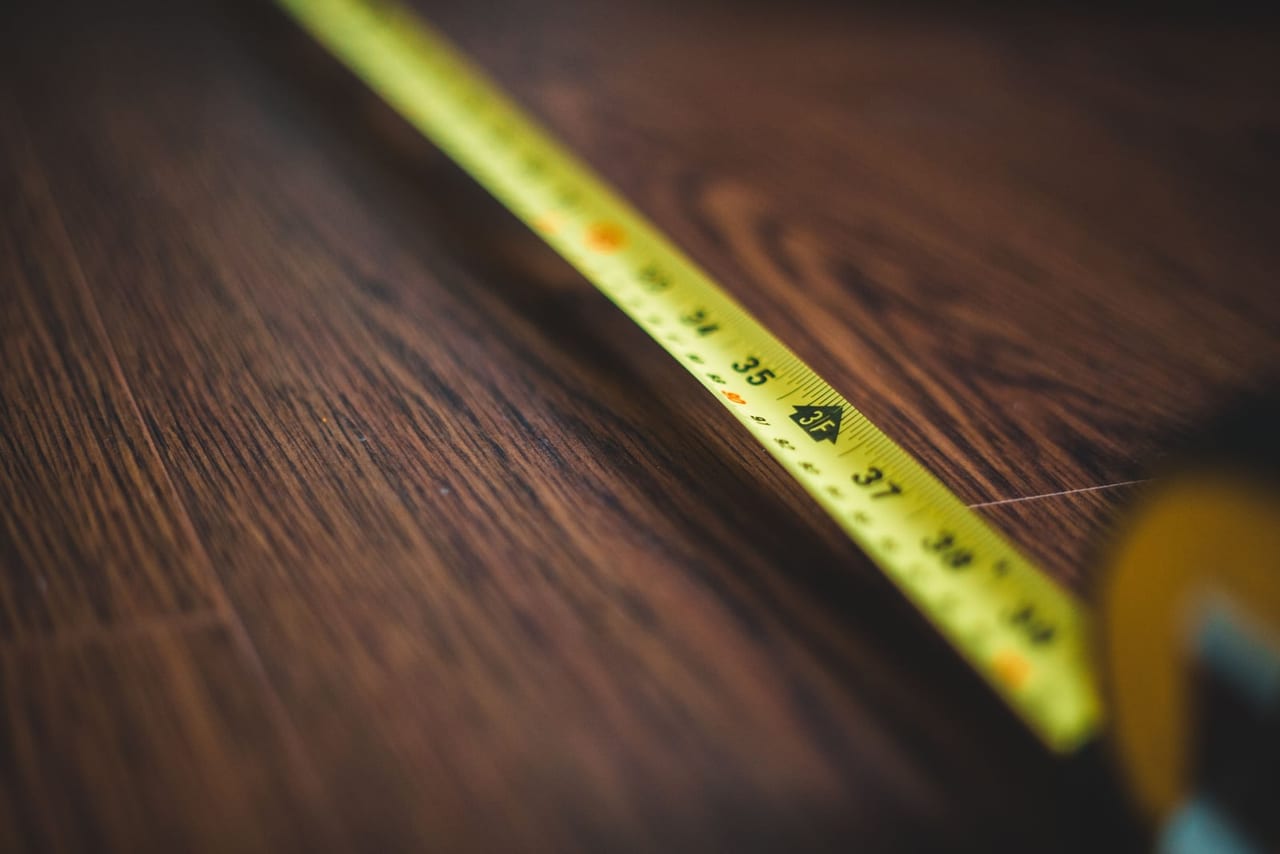
Measure your feet later in the day, standing, in the socks you usually wear. Fit shoes to the larger foot, and measure again whenever you choose a new pair.
Check the fit of your shoes
Look for about half an inch in front of your longest toe and a heel that does not slip. If shoes feel tight across the ball of the foot, try a wider fit rather than a longer size.
Choose cushioning and grip
Cushioning under the heel and the ball of the foot can make hard floors more comfortable. Low heels and nonskid rubber soles give a steadier base than socks or smooth soles.
Care for your skin and nails
After washing, dry well between your toes, then rub a little moisturizer into dry heels but not between the toes. Trim toenails straight across and not too short.
Practice balance at a counter
Stand beside a kitchen counter, hold on, and lift one foot for up to 10 seconds, then switch. As it gets easier, hold on more lightly.
Rise onto your toes
Holding the counter, rise slowly onto your toes and lower your heels again, a few times. It works the calf muscles that lift your heel with every step.
As you work through them, notice which of the changes above you recognize in your own feet, because they show where the steps matter most for you. Shoes that feel tight across the ball of the foot point to the tape measure and a wider fit, floors that feel harder than they used to make cushioning worth a closer look, and dry heels put the moisturizer first. The counter moves fit into time you already spend in the kitchen, such as while the coffee brews. What you notice can shift over the years, so it's worth looking again every so often.
Shoes and socks for changing feet
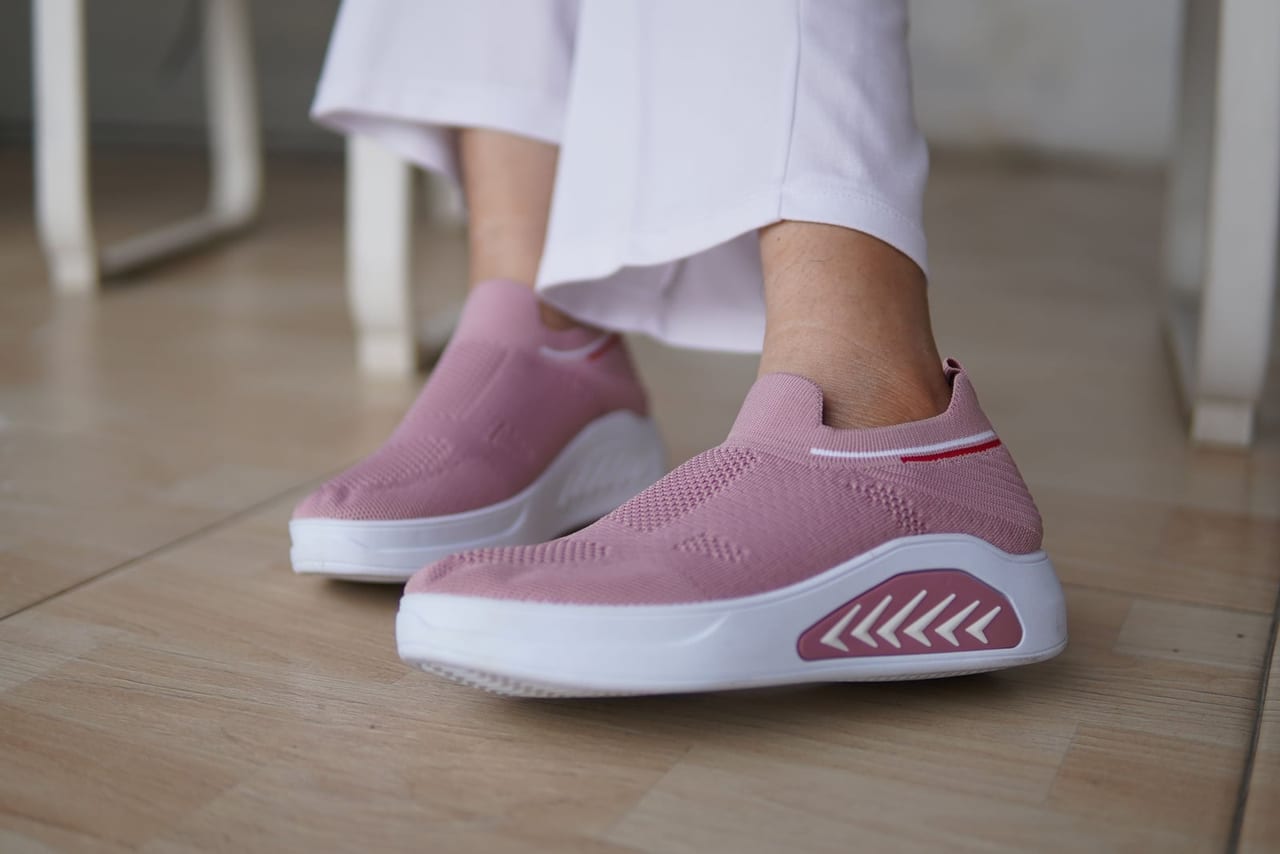
The shoe that suits your feet today may not be the one that suited them years ago, and a few features matter more than style; there's more detail in what to look for in walking shoes. Leave enough length and width for your toes to spread, with about half an inch in front of the longest toe, and if shoes feel tight, remember that a wider fit is often a better answer than a longer size. A firm heel counter, with laces or straps, holds your foot in place so it doesn't slide.
Underfoot, cushioning counts for more than it once did. Because the heel pad can thin, a cushioned sole, or an insole with a cupped heel, can add some of what the pad no longer gives, and cushioning under the ball of the foot can make hard floors more comfortable too.
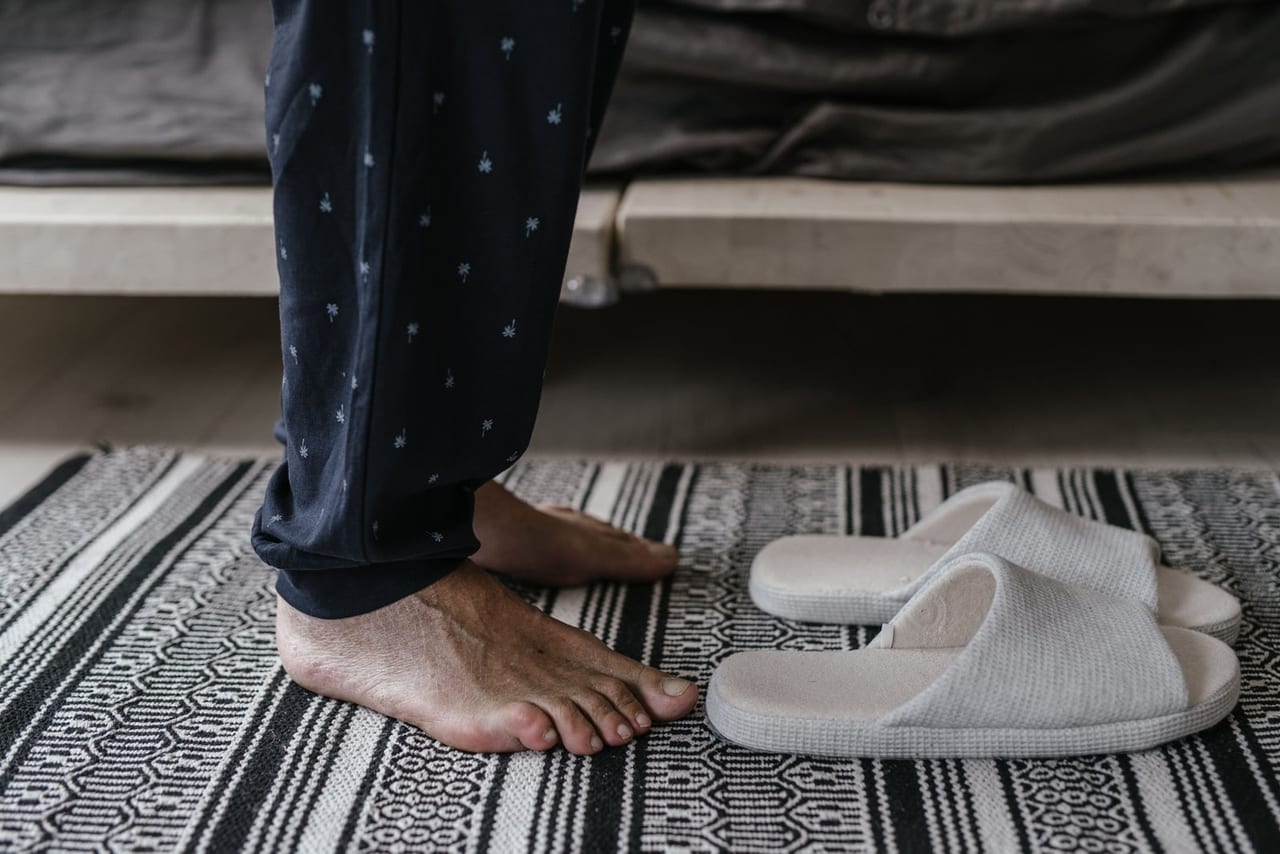
Grip matters as well. Low heels and nonskid rubber soles give a steadier base, and at home, shoes or slippers with grippy soles are steadier than socks on smooth floors. Choose smooth socks that stay up without a tight band, in wool or synthetic blends that draw sweat away.
When changes in your feet may mean something more
Slow changes over many years are common. A slightly larger shoe size, drier heels or a little stiffness after rest that eases once you move are typical examples. Shoes that feel snugger across the ball of the foot, or floors that feel harder underfoot, fit the same pattern.
Pay closer attention if a change affects one foot far more than the other, or if discomfort lingers or builds over several weeks. Numbness, and sores that are slow to get better, deserve attention too. It may not be serious, but it's a reason to get your feet checked.
Questions people ask
Do your feet get bigger as you age?
They can. Many adults find their feet get a little longer or wider over the years, so measure both feet whenever you choose new shoes and fit the larger one. If shoes feel tight across the ball of the foot, try a wider fit rather than a longer size.
Is it normal for toenails to get thicker with age?
Toenails often grow more slowly and can get thicker and harder to trim over the years. Trim them straight across and not too short. Nails that become thick and discolored, or crumbly, are worth having checked by a healthcare professional.
How can I keep my balance as I get older?
Stay active, and practice simple moves such as standing on one foot beside a counter for up to 10 seconds, holding on at first and more lightly as it gets easier. Wearing shoes with nonskid soles helps too, especially at home, where socks can slip on smooth floors.
The bottom line
The feet in your favorite shoes aren't quite the feet you had when you bought them, and that's an ordinary part of the years, not a flaw in the shoes or in you. You can't stop the years, but you can keep pace with them by checking the fit again instead of trusting a size you settled on long ago.