Supportive House Shoes: Do You Need Them at Home?
Going barefoot at home suits plenty of people, but hard floors, sore heels, slippery socks and steep stairs can make a good case for something on your feet. The right pair is less about softness than about a heel that stays put and a sole that grips.
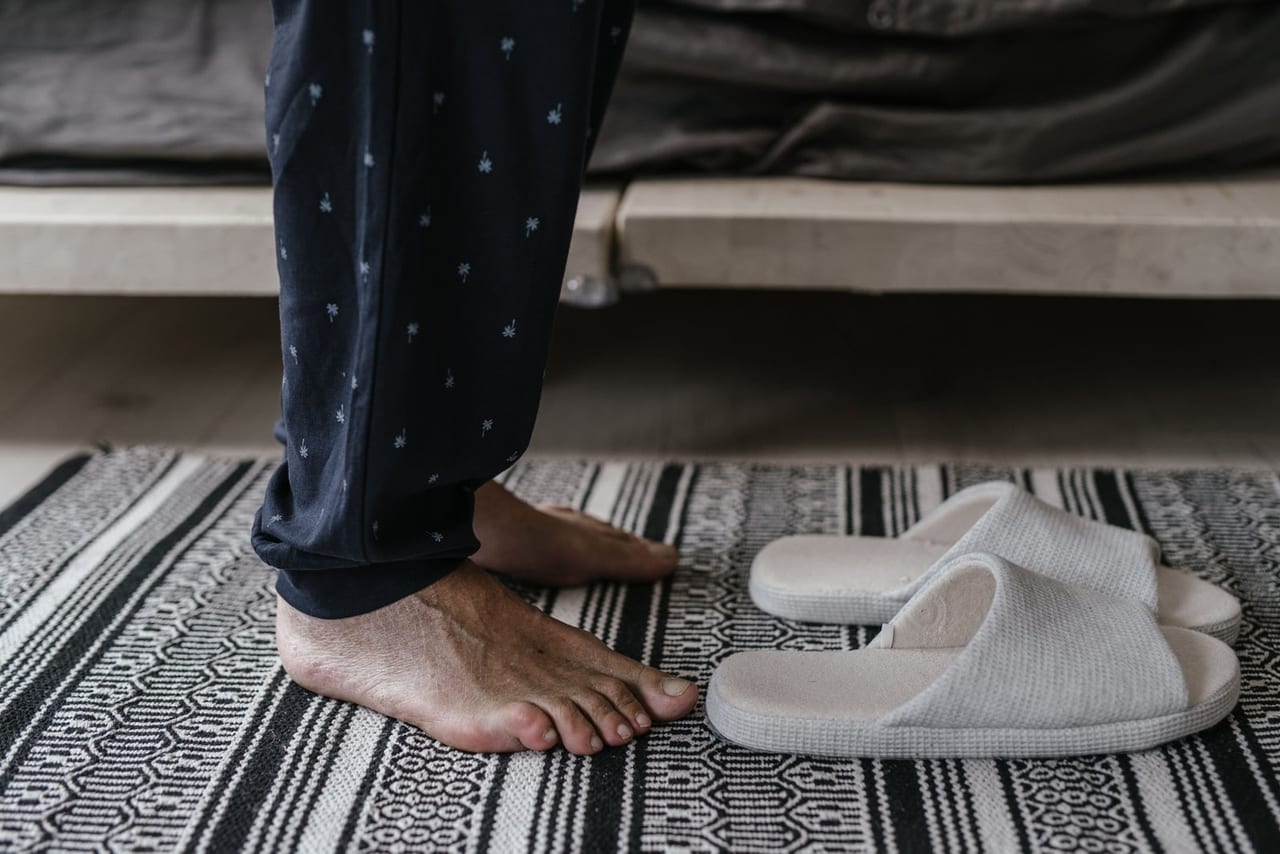
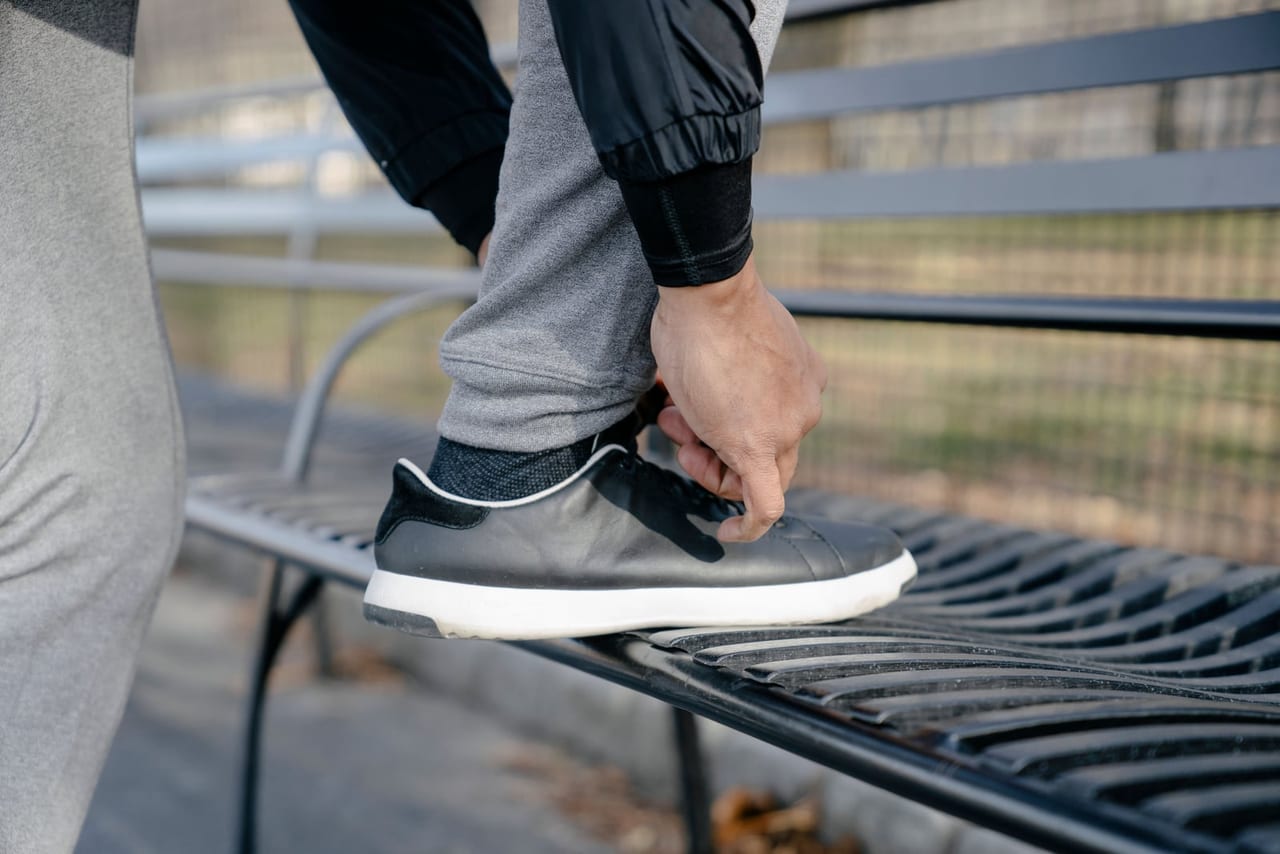
Shoes come off at the door, and for most people that's where the thinking stops. The hours that follow are spent in whatever is on the feet: bare skin on cold kitchen tile, thin socks on the hallway hardwood, an old pair of slippers flattened at the heel. For years it seems to make no difference.
Then small things add up. The kitchen floor feels harder by the time dinner is cooked, a sock skids on the way to the stairs, or a slipper catches on the edge of a rug. It's a fair moment to ask whether home deserves the attention the rest of your footwear gets.
The short answer
Going barefoot at home is fine for many people, and no rule says every adult needs shoes indoors. A supportive house shoe makes more sense when your floors are hard, when your heels or arches ache after time on them, or when balance or the feeling in your feet isn't what it was. Look for a back that holds the heel, a firm non-slip sole, some cushioning and room for your toes.
Fall advice for older adults often points to shoes at home, since going barefoot, in socks or in loose slippers is linked to more falls indoors. People with diabetes or reduced feeling in their feet are usually advised to wear shoes and socks indoors too. A fall, numbness or heel pain that lingers is a reason to talk with a healthcare professional.
Is it fine to go barefoot at home?
For many people it is. Bare feet are an ordinary way to be at home, and plenty of adults spend years that way without trouble. If yours feel fine at day's end and you're steady on them, comfort is a reasonable guide.
Hard floors are where the picture changes for some. Tile and hardwood don't give, so the only cushioning under your heel is its pad of fat, and that pad can thin with age, as how your feet change with age explains. Hours on hard floors are linked to heel pain, and many people who get heel pain with their first steps of the day put on a supportive shoe or sandal before they stand.
Standing at a counter or sink through a meal puts a long stretch of weight on one patch of floor, and some people find a cushioned house shoe more comfortable there than bare feet. Cold floors count too, and warmth alone is a fine reason to wear slippers.
Socks, loose slippers and the risk of a slip
The more serious worry is a fall. For older adults, going barefoot, in socks or in slippers indoors is linked to more falls at home than wearing shoes is, and fall-prevention advice often suggests shoes indoors for that reason. It's an association rather than proof, and the evidence isn't settled.
A thin sock on polished wood or tile has almost no grip. A slipper that's too big can slide off at the heel or fold under the foot, a backless scuff is easy to step out of on the wrong stair, and a sole worn smooth behaves much like a sock. These can catch out anyone, though falls tend to matter more with age, and reduced feeling in the feet adds a second concern, covered below.
What to look for in a house shoe
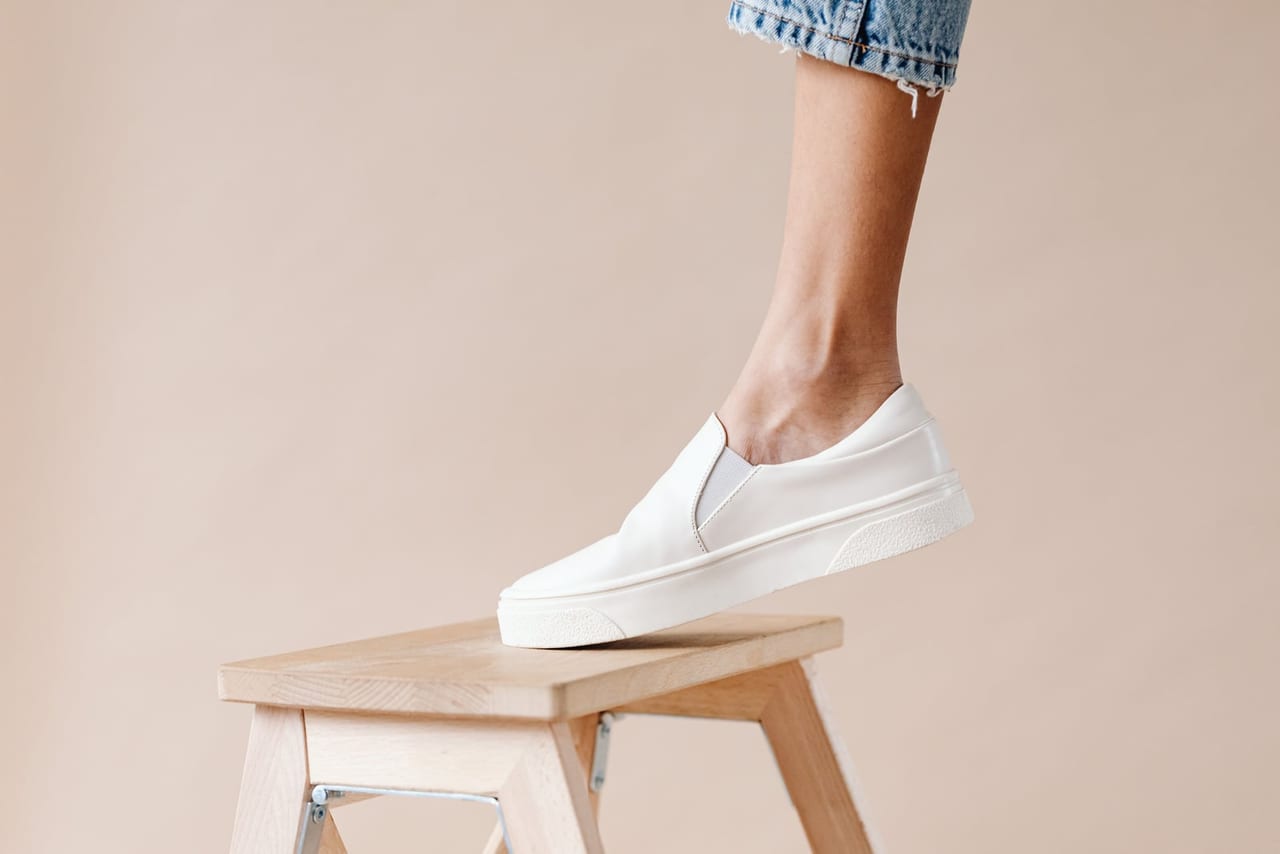
A house shoe doesn't need to look like a walking shoe, but the same few features matter. The back should hold your heel, closed or with a firm strap, so the shoe stays on as you step. The sole should be firm enough that you can't fold it in half, with a textured rubber bottom that grips your floors and a low heel. Many people find that some cushioning and a gentle arch contour make a hard floor more comfortable, and a roomy toe box leaves space for your toes to spread.
A lightweight sole is easier to lift on a stair, as long as it stays stable. An upper in cotton, wool or knit tends to let heat escape, while a thick fleece lining can feel cozy and run hot. Some styles ask more than they give back: a floppy backless scuff that slides off the heel, a sole worn smooth, anything slick underneath on tile. On stairs, where a slip does the most harm, leave the backless pair by the bed.
House shoes work with socks and insoles, as long as there's room. A removable footbed lets you slide in an insole of your own if you use one. A sock that fits smoothly stays put better than a bulky one that bunches at the toe.
How to check a pair of house shoes
The check takes about 10 minutes and works on a pair you own or one you're trying on. Wear your home socks, bring your insoles if you use them, and try the shoes on the floors you walk on most. Nothing here is a workout.
Think about your floors
Notice which floors you stand on longest and which are slickest, such as kitchen tile, polished wood or stairs.
Try them on with home socks
Put the shoes on over your home socks and stand up. You should be able to wiggle your toes, and nothing should rub or pinch.
Check the back and the heel
Walk across the room and up one stair, holding the rail. The shoe should stay on without you gripping it, and the back should hold its shape.
Bend and press the sole
Hold the heel and push the toe up. The shoe should bend at the ball of the foot, not the middle, and the footbed should give a little under your thumb.
Test the grip
Check for a textured pattern underneath, then take a few careful steps on your smoothest floor, near a wall or counter.
Keep them for indoors
Leave the pair by the door and put it on when your outdoor shoes come off. Look at the sole and back every few weeks for wear.
A pair that passes on the first day isn't done passing, since soles wear smooth and backs collapse gradually. There's no set number of months; the signs matter more, such as a smooth sole, a back that no longer holds the heel or a flat footbed. Keeping a pair clean, and knowing when it's past washing, is covered in how to wash slippers and house shoes.
Indoor-only pairs and the shoes-off habit
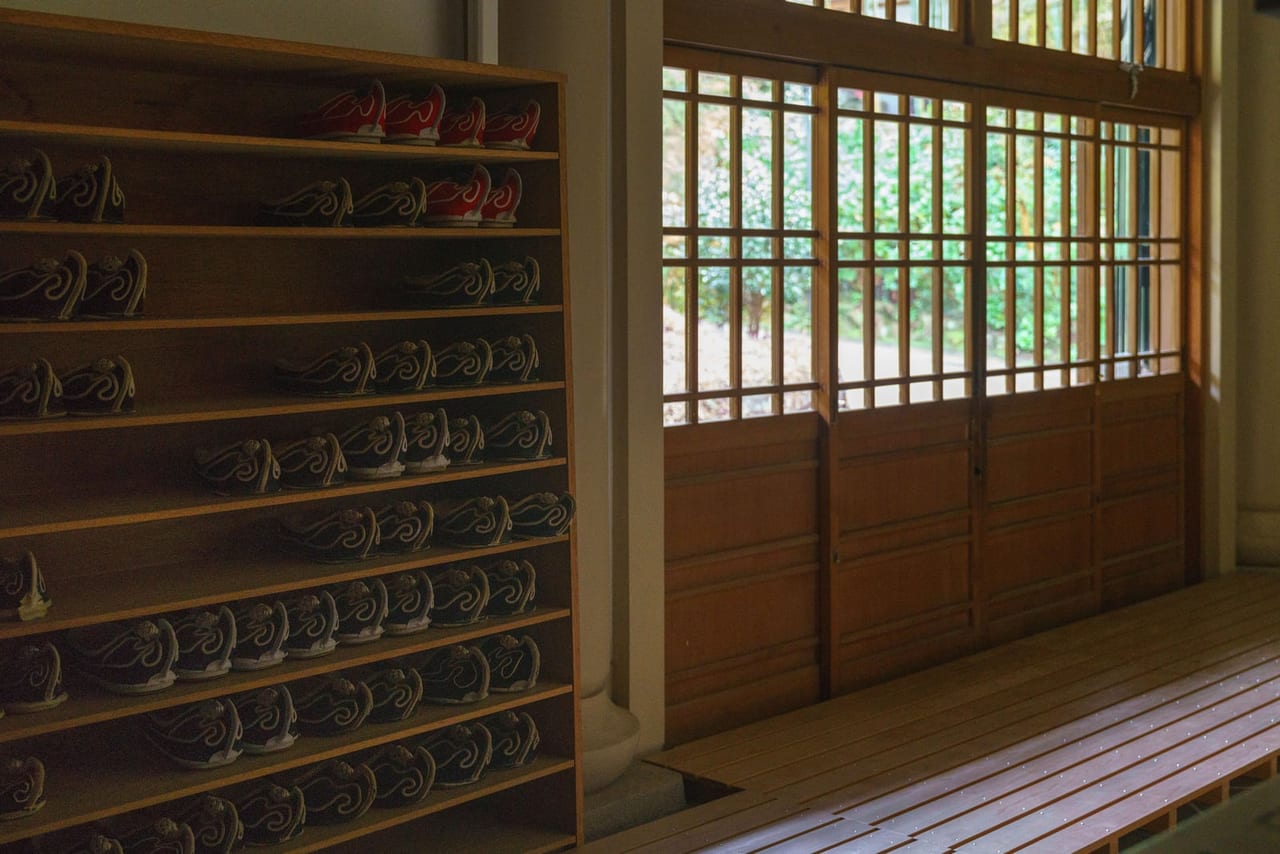
Leaving outdoor shoes at the door is a habit in many homes, and the reasoning is plain: soles carry dirt, grit and water from the pavement across the floor. Whether that dirt matters for health is debated, and for most adults the risk seems small. Mostly it's a matter of keeping floors clean.
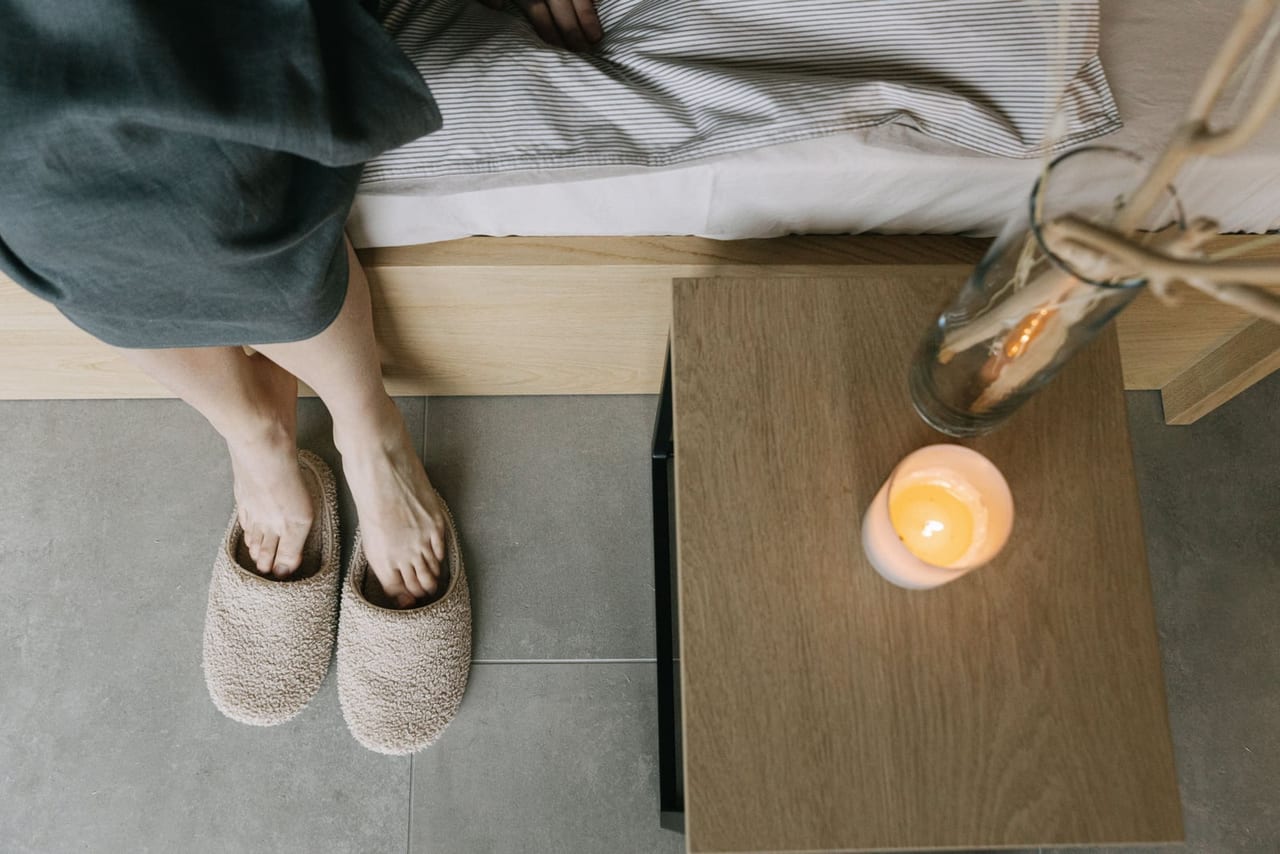
That habit is where an indoor-only pair earns its place, because it gives your feet something to stand in once the outdoor shoes are off. A pair that never leaves the house keeps clean soles and unworn tread. It also avoids a damp sole from the rain, which can be slippery on tile.
When trouble at home may mean more than the shoes
Tired feet after an evening of cooking, cold toes on a tile floor and a favorite pair that has gone flat are all ordinary. A new pair is a reasonable answer to the last one. So is a different size or a firmer sole when a house shoe isn't quite right.
Pay closer attention if you've fallen at home, or nearly did more than once, if you feel unsteady or dizzy when you stand or turn, or if your feet feel numb, tingly or burning. Those point away from the shoes and toward something a healthcare professional can look into. Heel pain that stays sharp with the first steps of the day for weeks deserves a closer look too.
Questions people ask
Is it bad to walk barefoot on hard floors all day?
Not necessarily, since bare feet suit many people. Those with sore heels or tired arches often change it by wearing a cushioned shoe. How your feet feel at night is a reasonable guide, and pain that lingers for weeks is worth having looked at.
Are socks enough at home?
Socks keep feet warm and clean, but ordinary ones have little grip on smooth floors and stairs, which is where slips happen. Socks with a gripping pattern add some traction. How they compare with a shoe that has a real sole isn't settled.
Do house shoes need arch support?
Not everyone wants it, and fit, a secure heel and grip come first. Many people find a gentle arch contour more comfortable on hard floors than a flat slab. A removable footbed leaves room to add an insole of your own.
The bottom line
Home is where nobody is watching what's on your feet, which is why the choice is so often made by accident: whatever was nearest the bed that morning. It doesn't take a special shoe, only a deliberate choice made once, so that the floors you cross a hundred times a day stop being something your feet have to manage on their own.