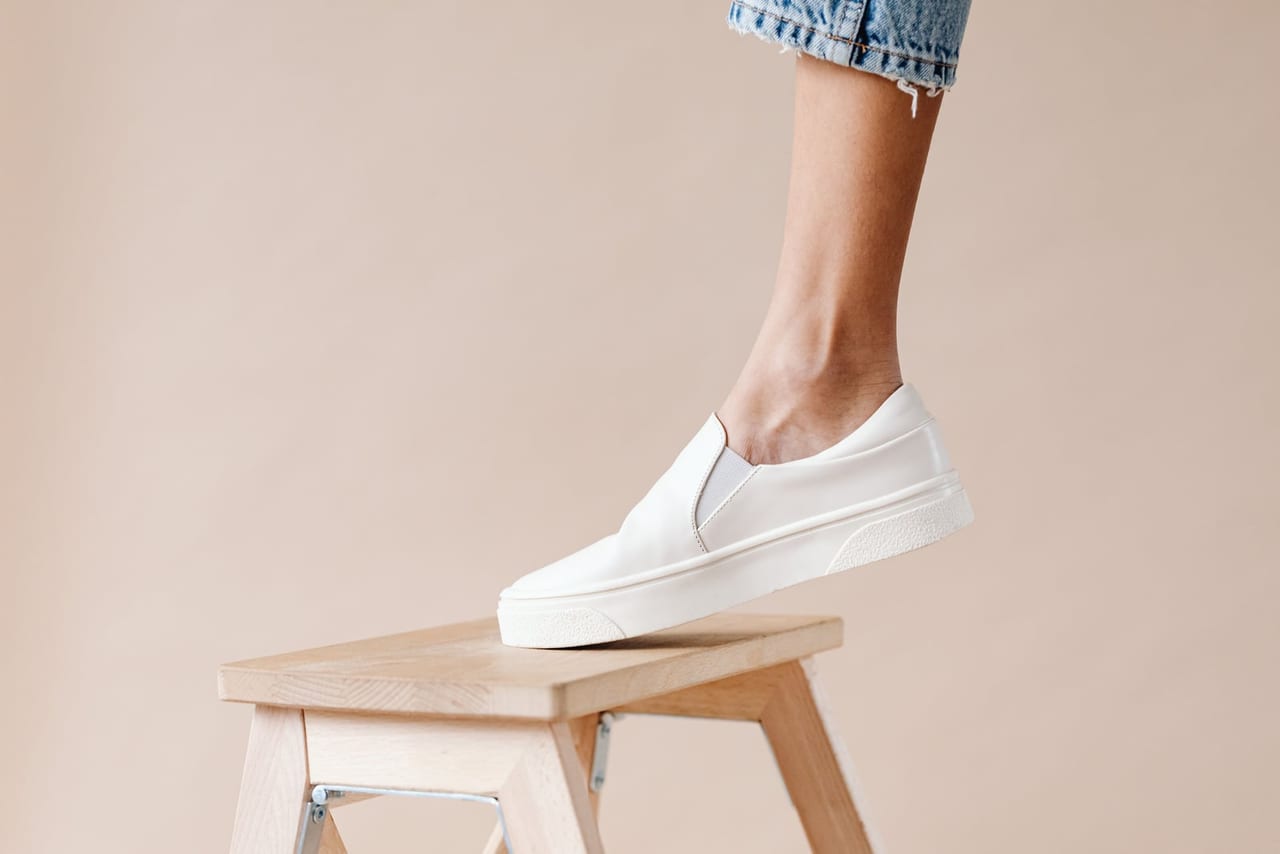
Dress Shoes and Heels: Making Them Easier on Your Feet
A dress code can call for a raised heel, a narrow toe or a stiff leather sole that feet wouldn't pick for themselves. How much of that you feel depends on the shape of the shoe and the length of the day.
Somewhere in the third hour of a long dinner or an afternoon of meetings, a foot slips out of its shoe under the table. The toes spread on the carpet, the arch lets go, and for the first time in hours the foot isn't being held in a shape. Anyone who dresses up knows the moment, and most keep a private ranking of the pairs they can get through a whole evening.
A dress shoe is designed to look a certain way before it's designed to feel a certain way. A raised heel tilts the foot, a narrow toe box sets the toes side by side and a leather sole stays flat when the foot wants to bend. None of that matters for an hour; it's the long stretch that asks the foot to hold the shape.
The short answer
Many people find dress shoes and heels easier on the feet when the heel is lower with a wide base, the toe box is round or square rather than pointed, and the heel stays put as they walk. Try pairs on late in the day, leave about half an inch in front of the longest toe and choose a pair that's comfortable from the first walk.
Higher heels put more weight on the ball of the foot, so people commonly alternate heights, keep the tallest pairs for shorter stretches and carry flats. Pain that doesn't settle, numbness or burning in the toes, or a toe that stays bent are good reasons to ask a healthcare professional.
What a heel changes under your foot
On a flat sole, your weight is shared between the heel and the ball of the foot, the padded area just behind the toes. Raise the heel and the foot tilts forward, so more weight lands on the ball of the foot, and the taller the heel, the more it carries. A raised heel can also slide the foot toward the front of the shoe, pressing the toes into whatever room the toe box leaves.
The ball of the foot is also where small nerves run between the toe bones, and narrow, high-heeled shoes are linked to burning or tingling there, including a thickened nerve between the toes. Over the years, tight shoes are also linked to corns, bunions and toes that curl. These are patterns, not promises: plenty of people wear heels for years without any of them, and family history and foot shape play a part too.
What to look for in a dress shoe or heel
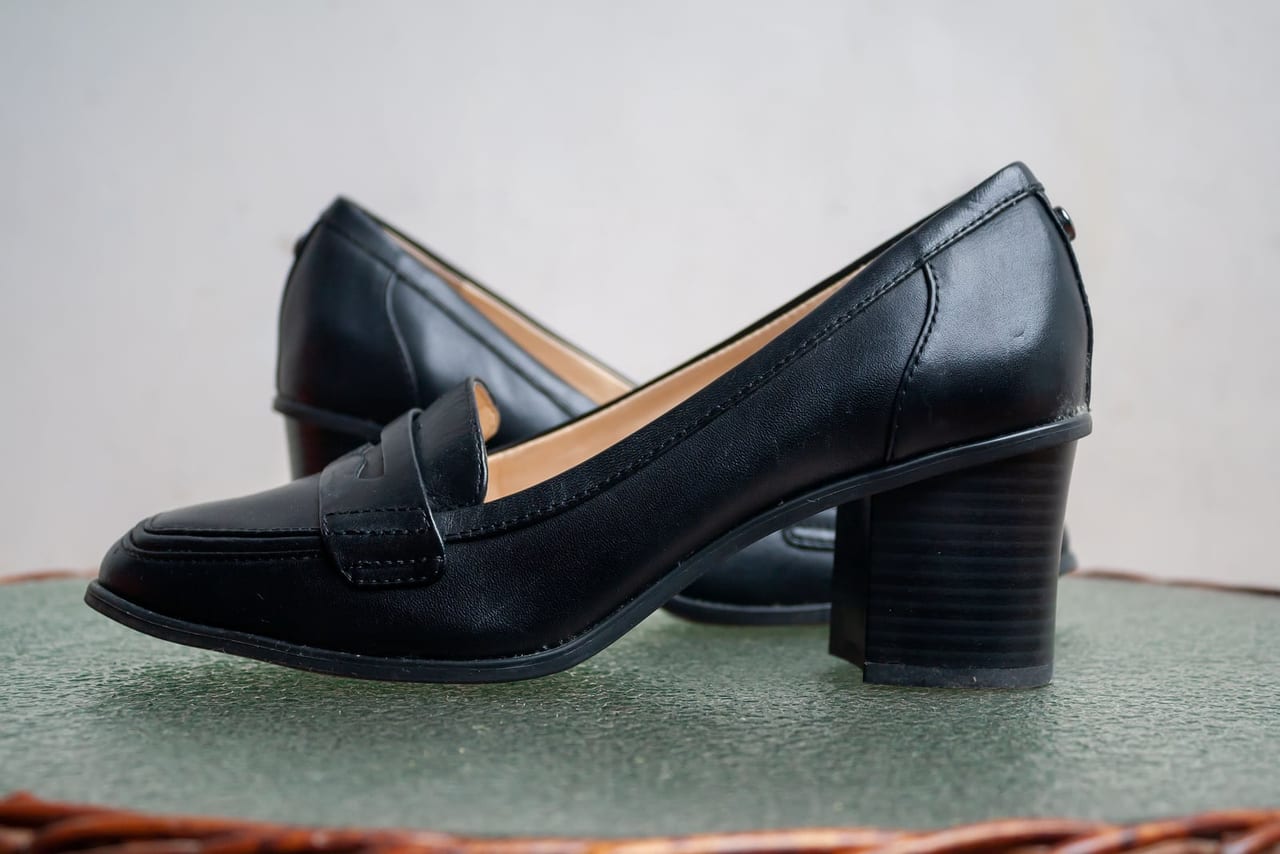
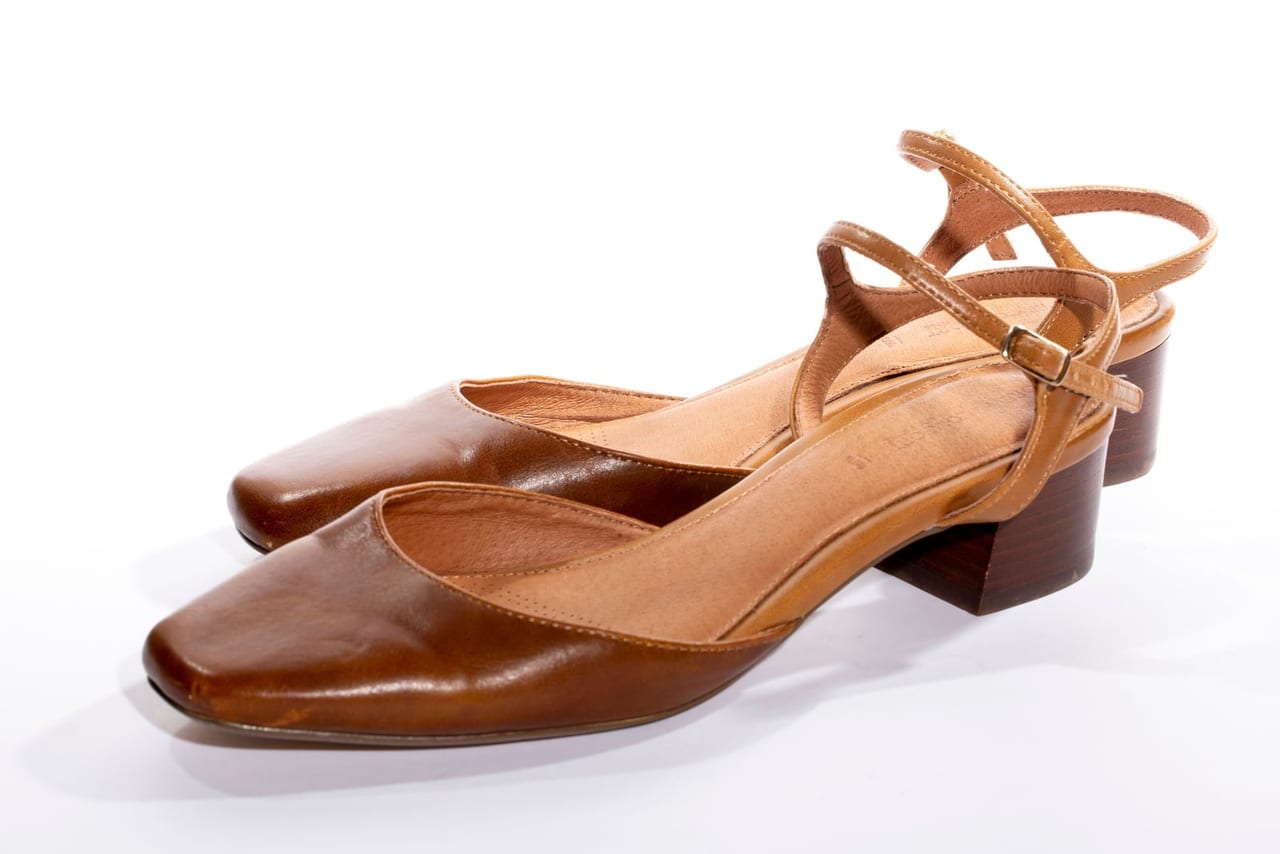
No single heel height suits everyone, so many people judge a pair by how it feels after an hour of standing and walking. A wide, solid heel such as a block heel tends to feel steadier than a thin one, though it doesn't lower the weight on the ball of the foot. A thin platform under the front can make the slope from heel to toes gentler. A heel that stays put, held by a firm back, a strap or laces, keeps the foot from sliding forward.
Toe room comes next. A round or square toe box lets the toes lie flat and spread a little with each step, while a pointed one narrows exactly where they need space. Leave about half an inch in front of the longest toe, and look for depth as well as width, since a toe box that's wide but low can still press down on the toes. If the whole shoe runs narrow on you, there's more in how to find shoes that fit wide feet.
Men's dress shoes have pinch points of their own
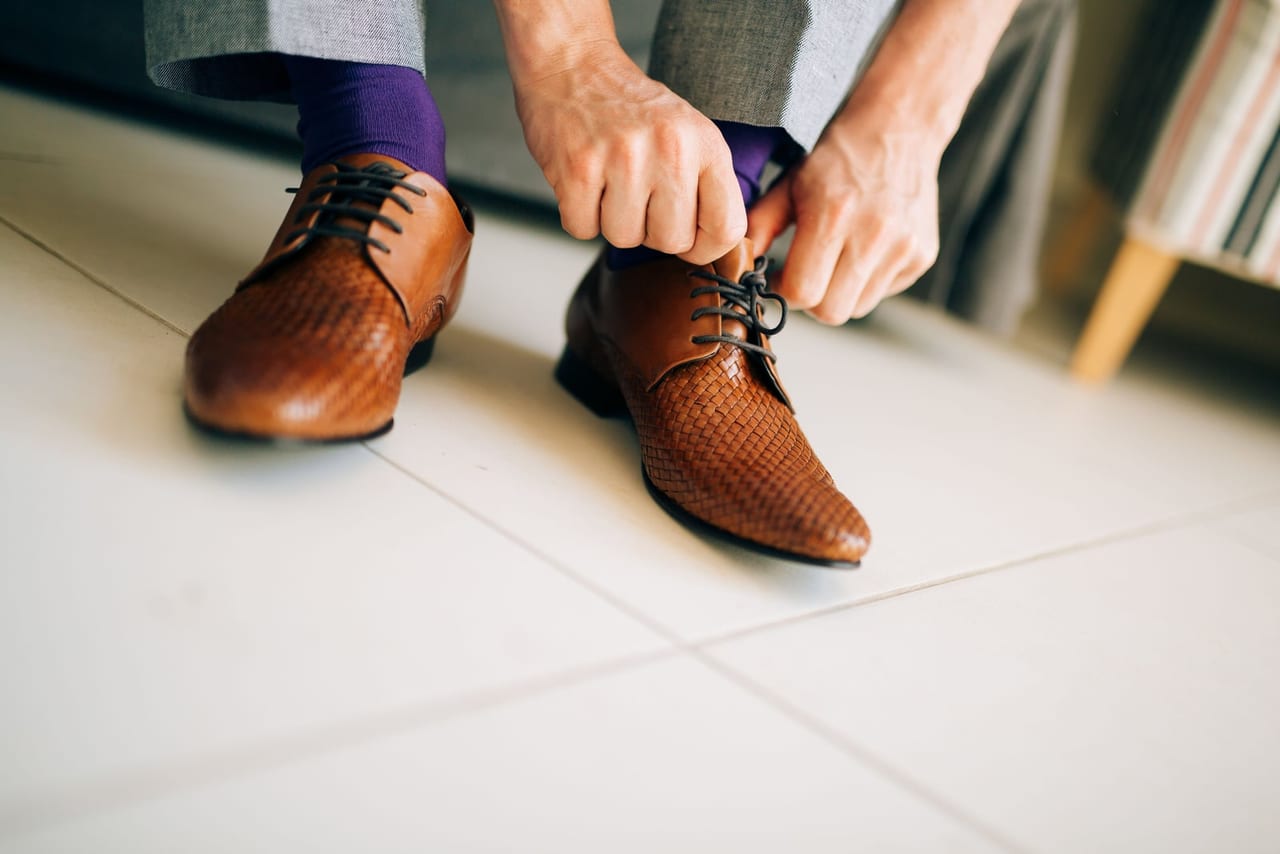
Men's dress shoes usually sit on a low heel, but they bring their own squeezes. Some are built on a narrow last, the foot-shaped form a shoe is made around, which sets how much room there is for the toes, across the ball of the foot and over the instep. A pair that looks right can still pinch where your foot is widest, and a leather sole can feel stiff when it's new.
Laces are the adjustable part: they hold the heel back so the foot doesn't slide forward, and they can be loosened over the instep if the top of the foot feels pressed. A sole that's firm but still bends a little at the ball of the foot tends to be more comfortable than a rigid one.
A routine for choosing and wearing a pair
The routine runs from the fitting to the long day itself. You need the socks or tights you'll wear, a hard floor to walk on and, for long days, a pair of flat shoes in your bag. The last step includes a quick stretch, so move slowly and gently, stop anything that doesn't feel right, and check with a healthcare professional first if you're recovering from an injury or surgery.
Try them on late in the day
Fit shoes in the afternoon or evening, when feet are at their largest, in the socks or tights you'll wear. If your feet differ in size, fit the larger one.
Check the toe room and shape
Stand and leave about half an inch in front of your longest toe, with room to wiggle all your toes. The toe box should follow the outline of your foot.
Walk and test the heel hold
Walk across a hard floor for a few minutes. Your heel should stay put without slipping, and the ball of your foot shouldn't feel squeezed.
Test them at home first
Wear a new pair indoors for an hour or two at a time, on a clean floor so they can still go back, and notice any pinch or rub.
Alternate your heel heights
Rotate heights across the week instead of wearing the same tall pair every day, and keep the tallest pair for shorter occasions.
Carry flats and take breaks
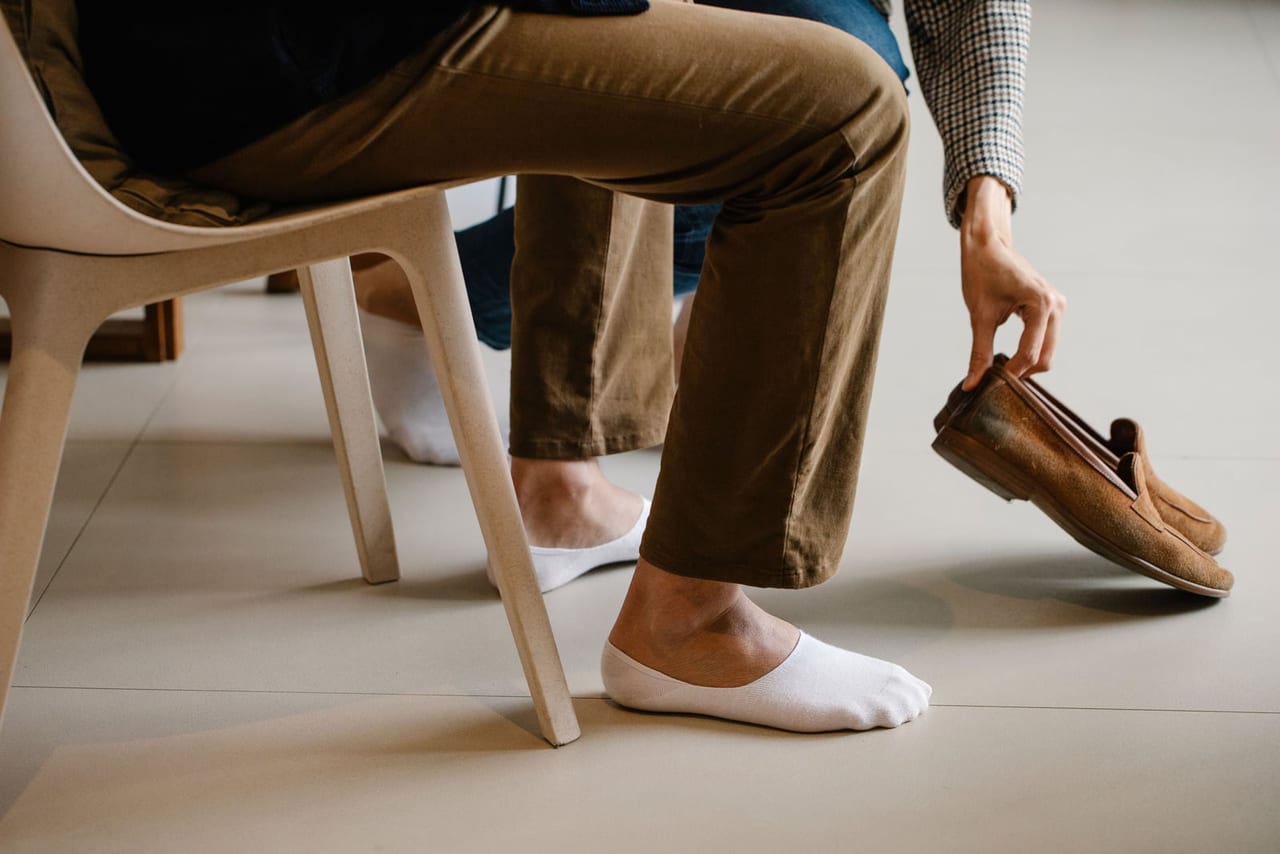
Keep flat, roomy shoes in your bag. When you can, slip the shoes off under a desk or table, spread your toes and gently stretch your feet and calves for a minute.
The fitting does most of the work, because the habits that follow only manage a shoe that already fits. A pair that pinches in the store rarely stops pinching at home. Across the day, even a well-fitted heel loads the ball of the foot hour after hour, and a break changes that.
Small fixes for a pair that's nearly right
Padding comes in a few types, sold at pharmacies and online. A soft gel or foam pad under the ball of the foot adds cushioning where heels put the most weight, and people commonly use a stick-on heel grip when the heel slips a little. Each takes up room, though, and a heel that slips badly usually means the pair is the wrong size or shape.
A tight spot is a job for a cobbler. A cobbler can often stretch leather a little at the one place that presses, such as over a toe joint, as what a cobbler can fix explains. Stretching can't lengthen a shoe, and synthetic materials often barely give, so a pair that's too short or narrow all over is better returned.
When sore feet in dress shoes may mean something more
Aching feet at the end of a day in heels, a red mark where a strap sat, tight calves and a pair that's snugger at six o'clock than at eight in the morning are all ordinary. So is soreness after a night in tall shoes that settles with rest.
Pay closer attention when the feeling stays after the shoes come off or returns in the same place. These say more than the shoe does: burning, tingling or numbness in the toes, pain in the ball of the foot that returns with the same pair, a toe that stays bent, or a growing bump at the base of the big toe. Changing pairs is a reasonable first step, and a healthcare professional can tell what is going on.
Questions people ask
Can you break in dress shoes that pinch?
New leather may soften a little, but a pinch across the toes or the ball of the foot rarely goes away on its own, and a pair should feel comfortable from the first try. If the whole shoe is too short or too narrow, it's the wrong size, and wearing it won't change that.
Can you put an insole in dress shoes or heels?
Often, if the shoe has room. A removable footbed can come out and a thin cushioned insole can go in, and trying the pair on with the insole in place shows whether the toes and heel still fit. Many dress shoes are cut close, so a thick insole can lift the foot and crowd the toes.
The bottom line
A dress code can decide what a shoe looks like, but it has no say in what a foot needs. The closer a pair stays to the shape of the foot inside it, and the more often it comes off during the day, the longer it can be worn before anyone notices it.