How to Find Shoes That Fit Wide Feet
Shoes that pinch across the ball of the foot, or leave a red mark on the little toe by afternoon, are often the right length and the wrong width. Wide feet have more options than they're usually offered, and a careful fitting shows which ones work.
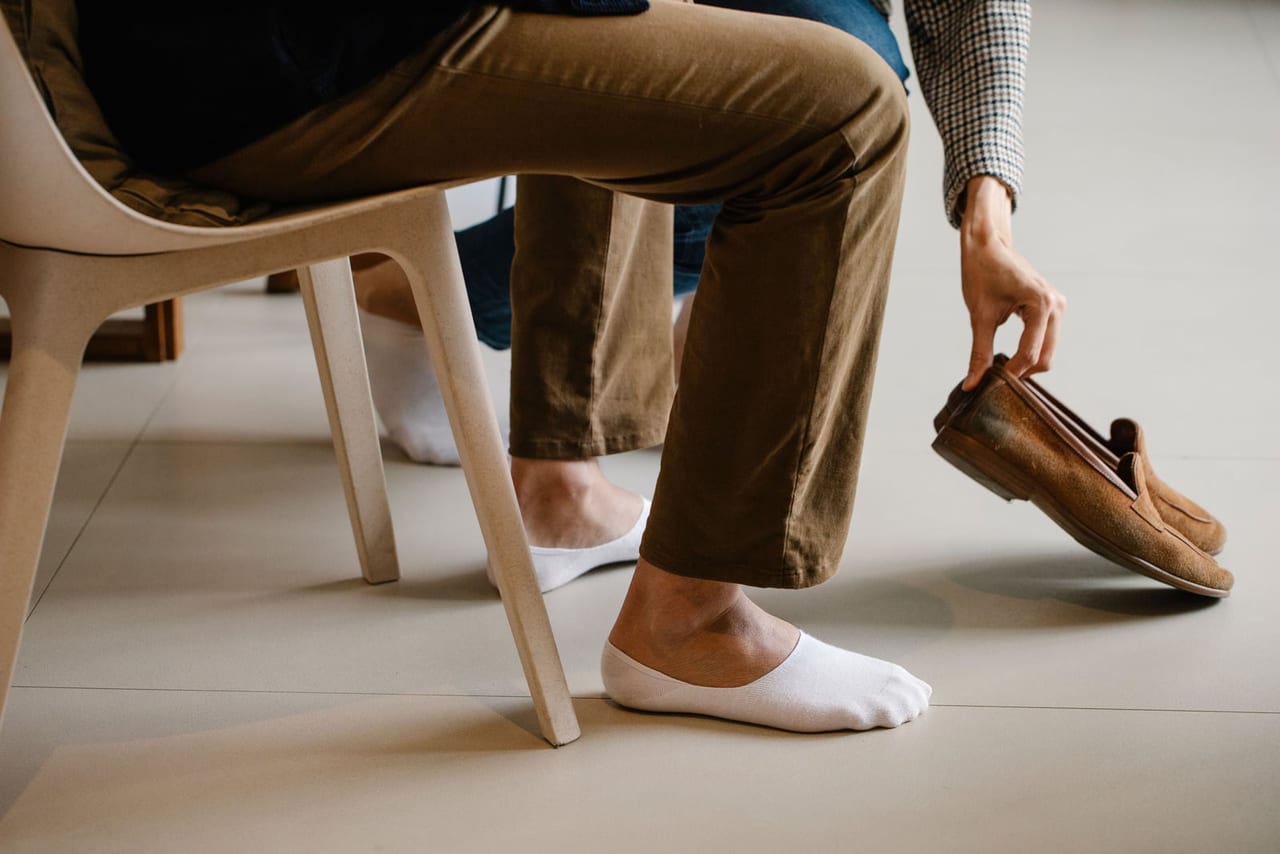
The trouble often shows on the shoe before it shows on the foot. After a few months of wear, the upper bulges past the edge of the sole beside the little toe, and the material is creased and stretched across the widest part of the foot. The shoe has been trying to take the shape of the foot inside it, and it hasn't quite managed.
In the store, the usual fix is the next size up. The pinch eases a little, the heel starts to slip, and the toe of the shoe now runs well past the end of your toes. It's easy to conclude that shoes just aren't made for your feet, when the real mismatch may be that a question about width keeps getting answered with more length.
The short answer
Shoes that fit wide feet start with the right width, not a longer size. Measure across the widest part of each foot while you stand. Then look for a wide width in your usual length, with a rounded or square toe box deep enough for your toes. Try shoes on later in the day in the socks you'll wear with them, and choose a pair that's comfortable right away rather than one you hope will stretch. If tight shoes have left you with corns, sores, numbness or a growing bump at the base of your big toe, talk with a healthcare professional.
What a narrow shoe does to a wide foot
The widest part of your foot is the ball, just behind the toes, and it isn't a fixed size. Standing spreads it a little under your weight, and feet tend to swell over a long day on them, so a shoe that's snug in the morning can press by evening. Over the years, weight gain or wear on the ligaments and tendons that support the arch can let a foot settle a little longer and wider. That's how a size that fit for decades starts to pinch.
With every step the foot bends at the ball, and the toes press into the ground to steady you and push off. A toe box that's too narrow crowds them, squeezing the smaller toes together and into a bent position where they rub against the shoe. Over time, that rubbing and pressure can lead to corns and calluses where the toes meet the shoe, and a toe box that pushes down on the toes can leave them sore or numb.
The next size up so often disappoints because a larger size mainly adds length. Your heel still sits at the back, so the shoe's widest part and its bend can end up a little ahead of the ball of your foot. The pinch may barely change while the heel starts to slip. For a foot that's wide for its length, a wider fit in your own length usually does more, so save the bigger size for toes that run out of room at the front.
Reading width sizes and toe-box shapes
In US sizing, width usually appears as a letter beside the length. The standard width is generally D for men and B for women, and wider fits move up the alphabet, so a women's D is already a wide. Men's wide and extra-wide fits are usually 2E and 4E, also written EE and EEEE, and some makers simply say wide or extra wide. None of it is fully standard, because makers shape their shoes differently. The width on the box, like the size, is a place to start.
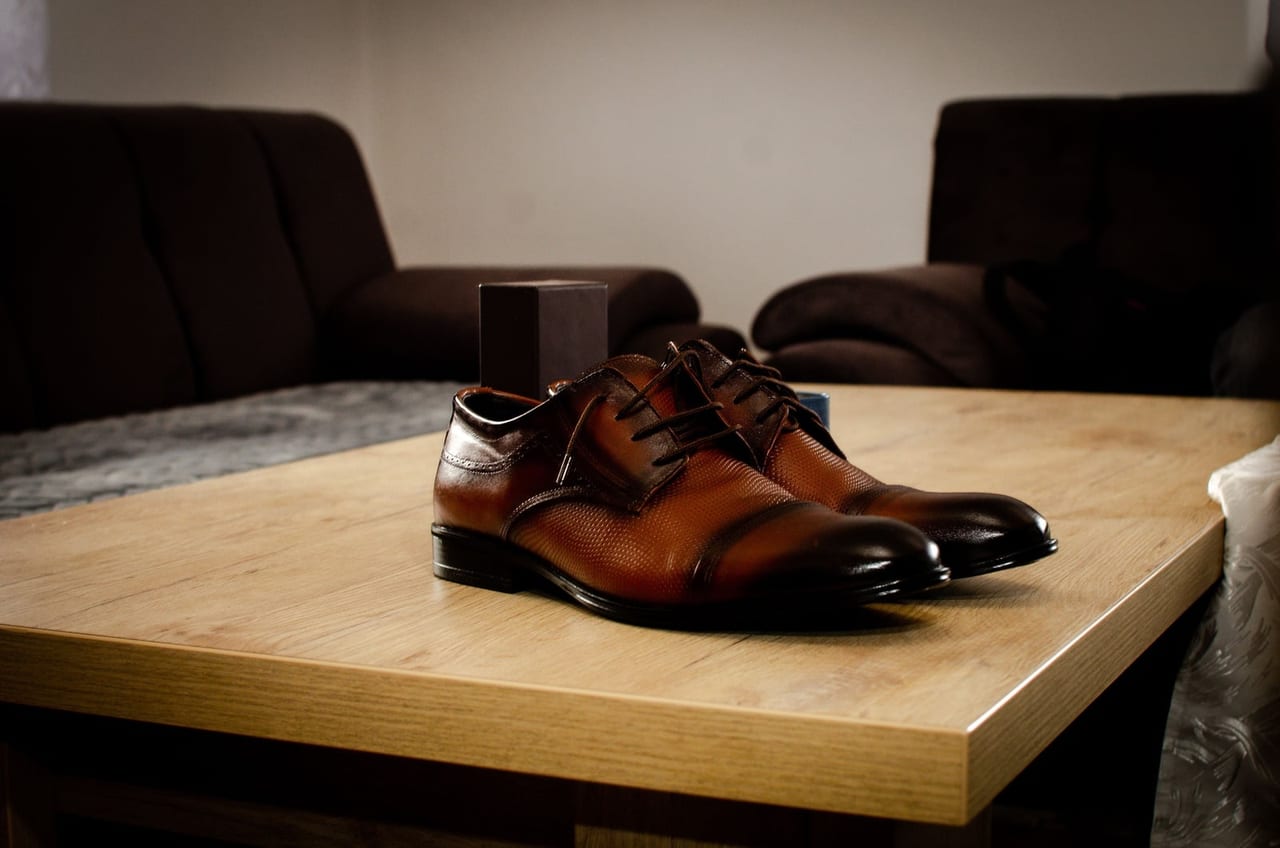
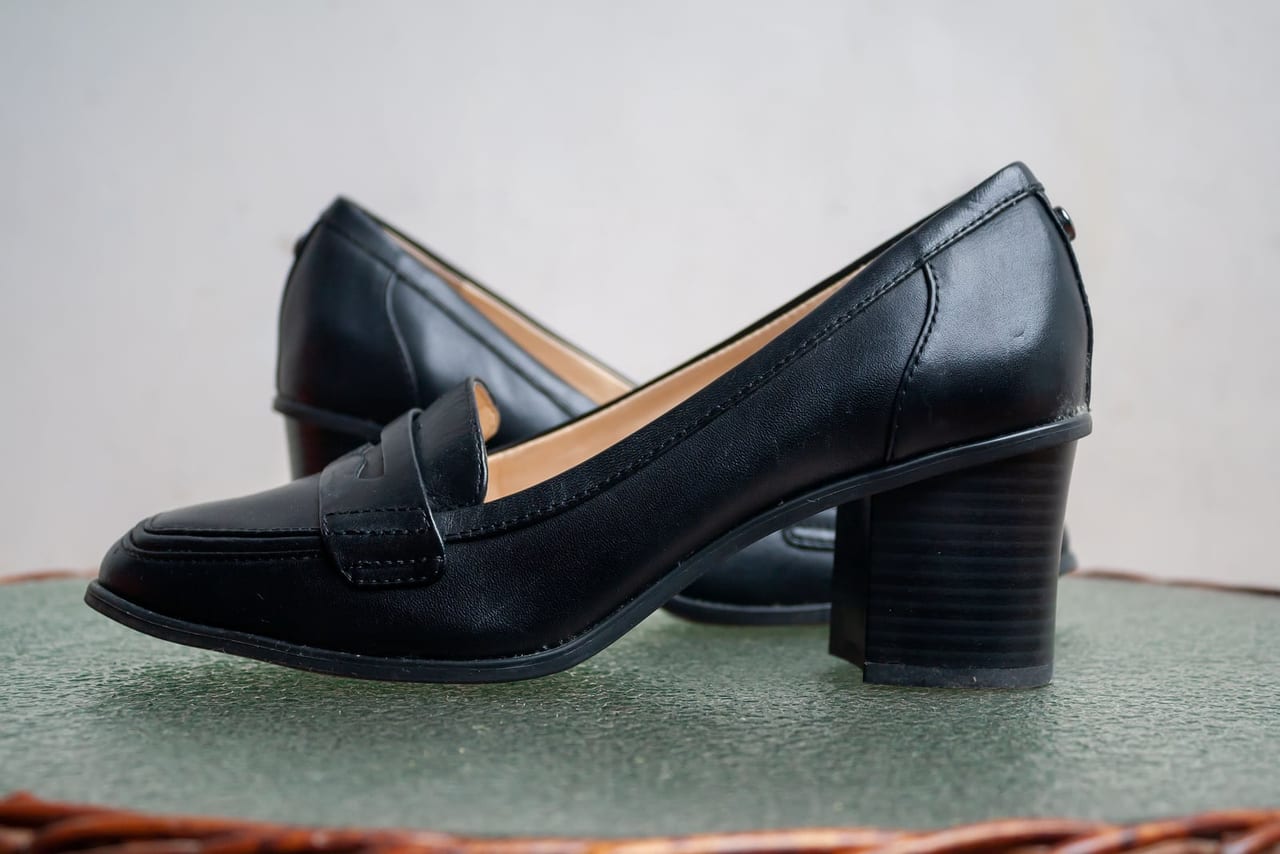
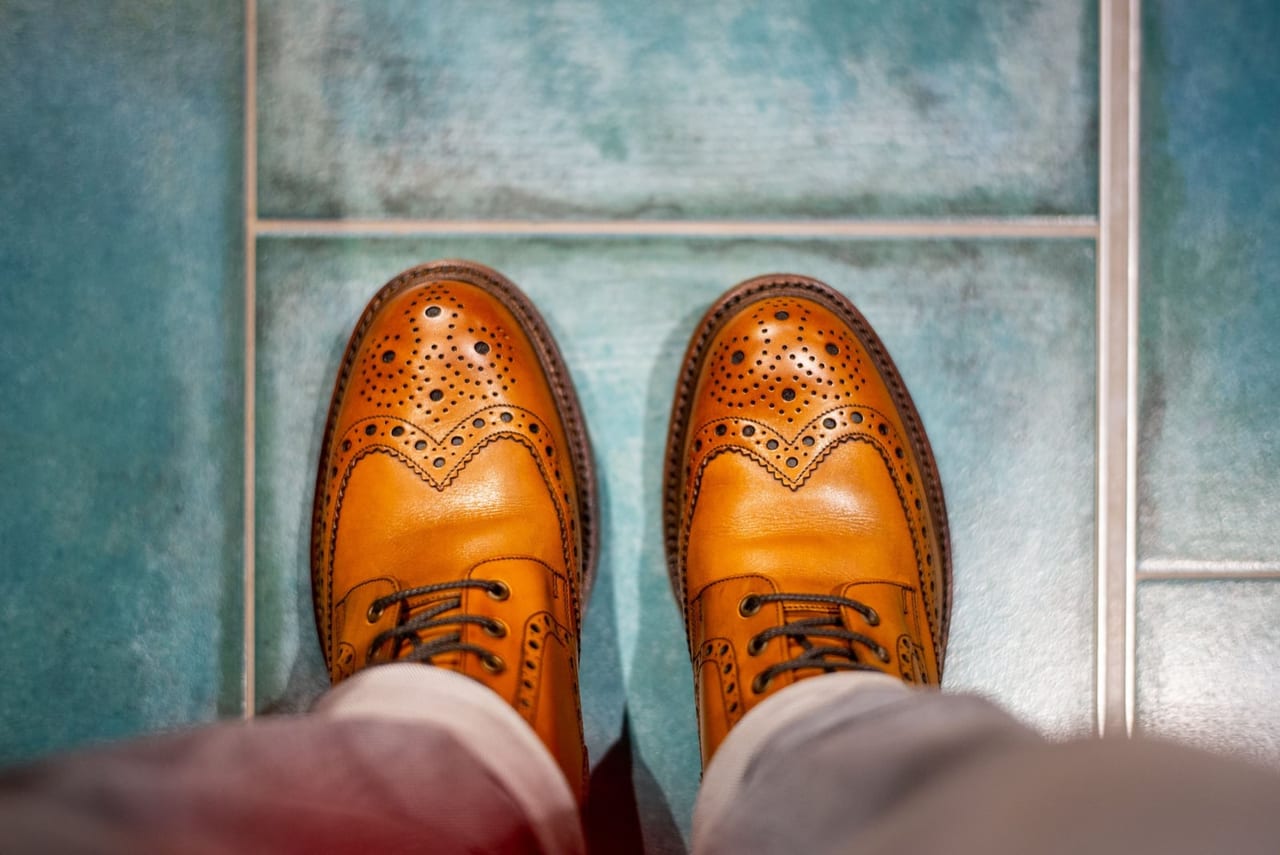
The letter covers the ball of the foot, but the toe box decides what happens to your toes, and its outline should look like the outline of your foot. A pointed toe narrows just where the toes need room, while a rounded or squared-off toe box lets them lie flat and spread a little as you step. Depth matters too, since a toe box that's wide but shallow can still press down on the toes. For a quick comparison, set the shoe's sole on a tracing of your foot: if the tracing reaches well past the sole around the ball, that shoe is narrower than you are.
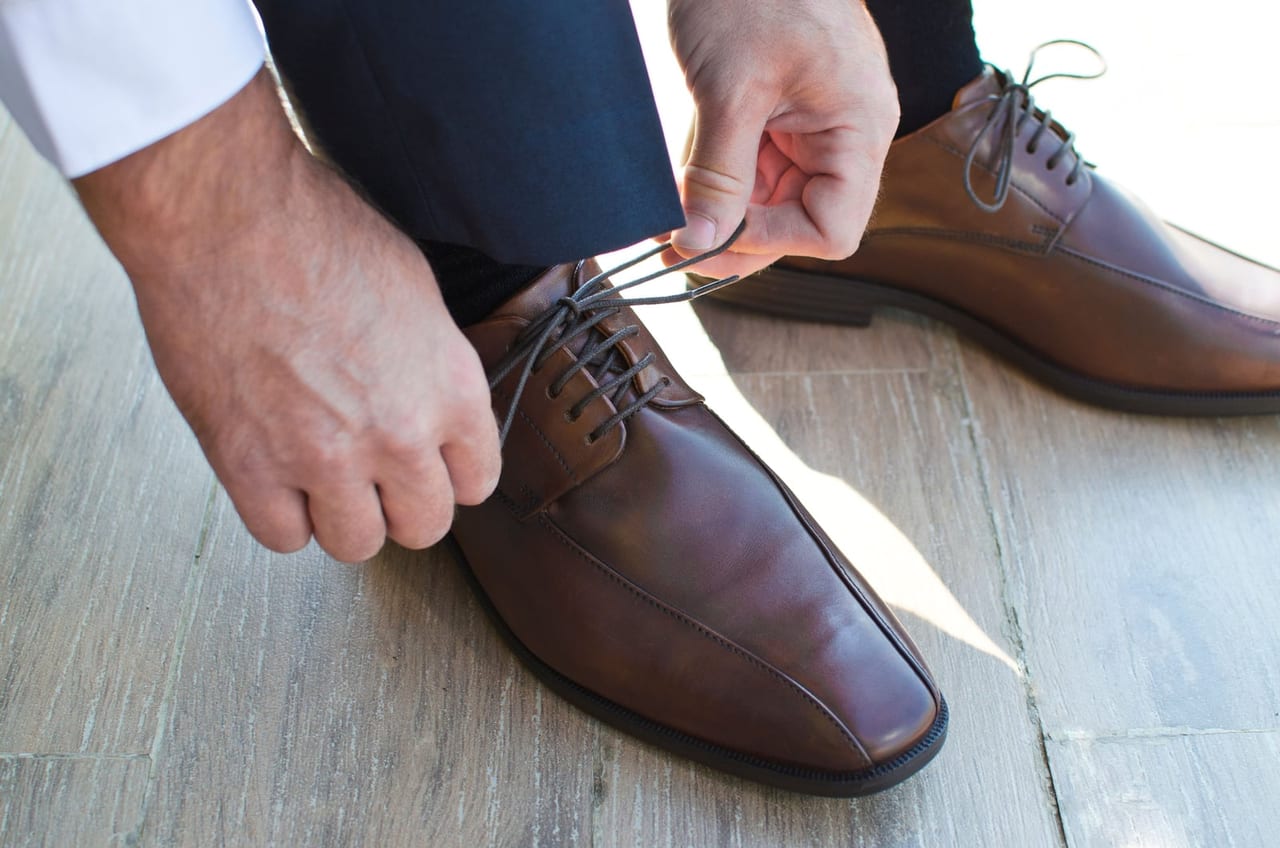
The upper changes how a near fit feels. Soft materials such as knit, mesh or supple leather tend to give a little where the foot presses. Stiff synthetics, patent finishes and seams across the widest part of the foot hold their shape and can rub in one spot. Laces or adjustable straps let you ease the fit across the top as the day goes on, which a slip-on can't do.
How to try on shoes for wide feet
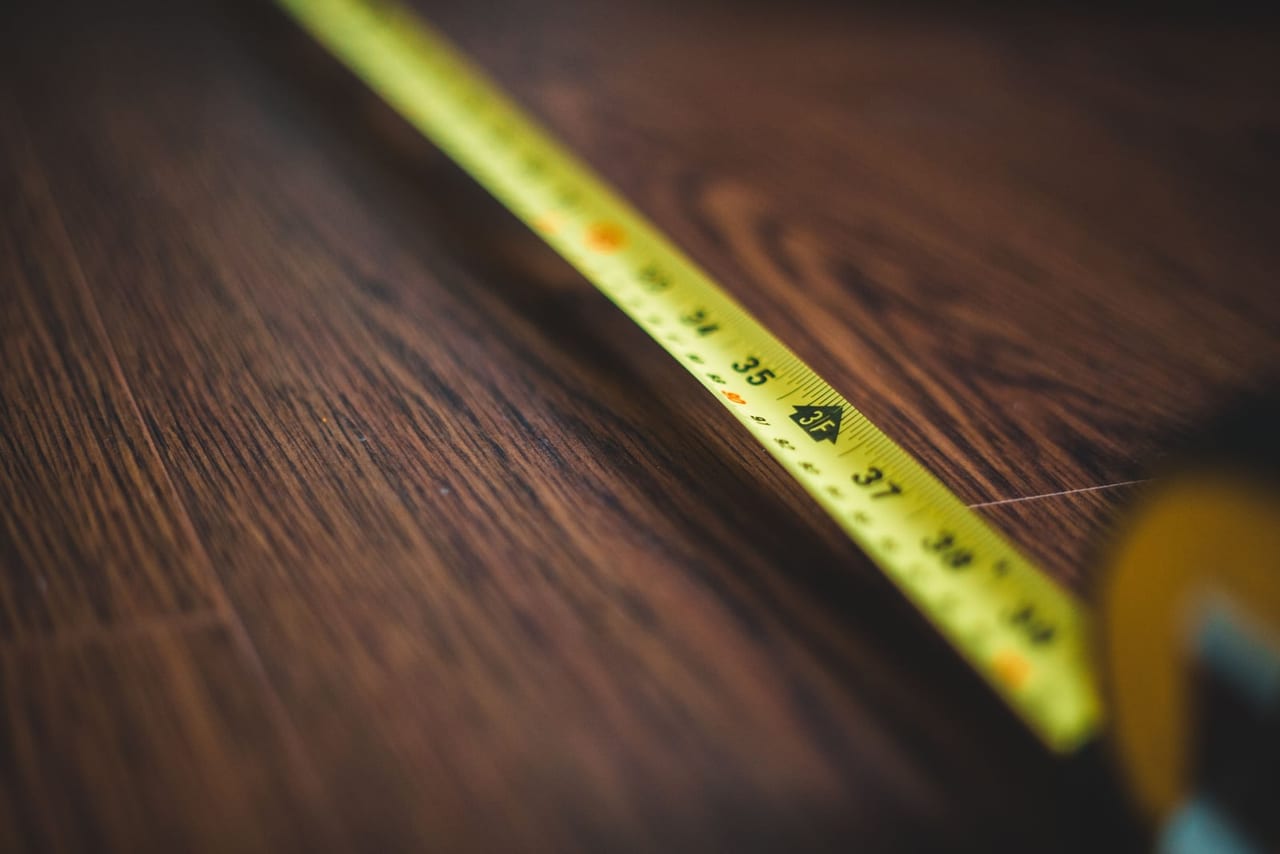
A careful fitting takes about 20 minutes, whatever the style of shoe. Bring your measurements, the socks you plan to wear and any insoles you use, since both take up room, and go later in the day, when your feet are at their largest. If your numbers are a few years old, start with how to measure your feet.
Try both shoes on standing
Put on both shoes in the socks you plan to wear and stand up, since your foot spreads under your weight. Fit the larger foot.
Start with a wide in your length
Ask for a wide width in your usual length first. Go up in length only if your toes reach the front of the shoe.
Find the widest part
The ball of your foot should rest in the widest part of the shoe, held by the sides without the upper bulging past the sole.
Check the room for your toes
Your toes should wiggle freely and lie flat without rubbing the top. Look for about half an inch between your longest toe and the end.
Walk and watch the heel
Walk for a few minutes on a hard floor. Your heel should stay put while the front stays roomy, with no pressure point anywhere.
Choose the pair that fits today
Go by how the shoes feel, not the label, and pick the pair that's comfortable now. Don't count on a tight pair stretching.
If no pair passes, the trouble may be the way that maker shapes its shoes rather than your feet, so try another maker before a longer size. Shoes ordered online deserve the same test at home, indoors and later in the day. A little snugness that eases when you loosen the laces is normal in a new pair, but pressure in one spot rarely goes away with wear.
Making room with laces, insoles and socks
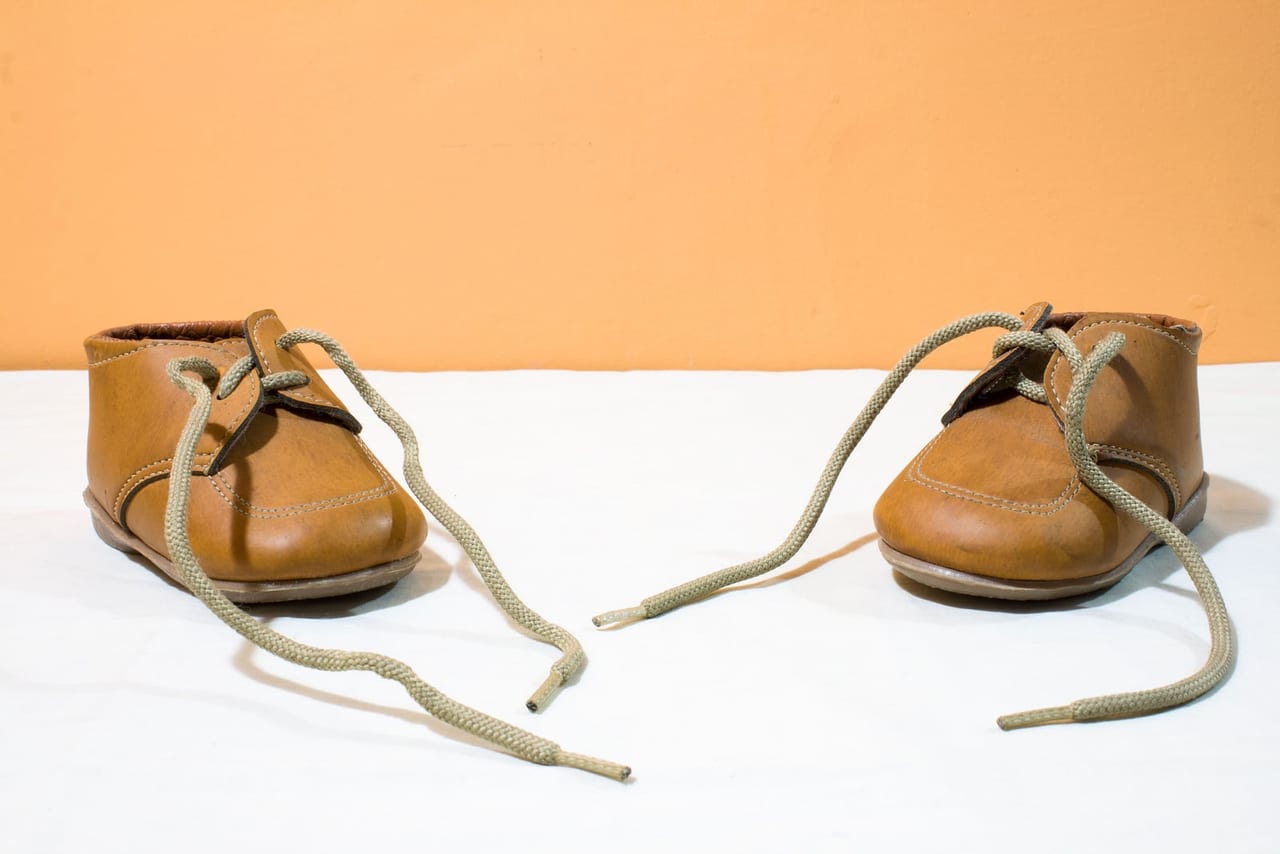
Once a pair fits, the laces can fine-tune it. The lowest crossings sit over the forefoot, so leaving them looser, or skipping one or two, lets the forefoot spread while the upper laces hold the shoe on. On shoes with two rows of eyelets, the row nearer the tongue can leave more room. If a wider pair lets your heel lift, a heel lock at the top eyelets can snug the back without tightening the front, as how to lace shoes for long shifts shows.
Underneath, the insole and your socks share the space your foot needs. An insole laid on top of the original lifts your foot toward the top of the toe box, and a thick one can make a roomy shoe feel tight across the toes. Take the original out before adding your own, as insole fit basics explains. Thick or bunched socks take up room as well.
When tight shoes may mean something more
Some of what wide feet go through is ordinary. Shoes that feel a little snugger by evening, faint marks that fade soon after they come off and a size that has crept up over the years are common. None is a reason for concern on its own. A pair that pinches is mostly a reason to change pairs.
Pay closer attention when the signs outlast the shoes. A sore spot that returns in every pair or numbness that lingers after your shoes are off deserves more than a new pair of shoes. So does a change in the foot itself, such as a growing bump at the base of the big toe. Feet that seem to widen quickly, or one foot that swells when the other doesn't, may be showing swelling rather than shape.
Questions people ask
Can you stretch shoes to fit wide feet?
Only a little, and not reliably. Soft leather and knit uppers may give slightly with wear, but no stretching changes a toe box that's the wrong shape or a sole narrower than your foot. If a pair is close but presses in one spot, looser lacing there is a safer first step than waiting for the shoe to change.
Can women with wide feet wear men's shoes?
Many can. A men's standard width is generally wider than a women's, so a men's shoe can work when a women's wide is hard to find. Sizes don't carry over number for number, though, so check the maker's chart and give the pair the same standing, walking test as any other shoe.
The bottom line
A wide foot rarely needs a bigger shoe; it needs one shaped like the foot going into it. Length is the number most people remember, but width and the outline of the toe box are what decide whether you forget about a pair by noon or feel it all day.