Do Insoles Make Shoes Tighter? Insole Fit Basics
A new pair of insoles can make favorite shoes feel suddenly snug. An insole takes up room, so the fit changes, and a few minutes of checking will tell you whether the pair still works.
You slip new insoles into a favorite pair of sneakers, lace up and head out, and by the afternoon the shoes feel snug in a way they never did before. The toes have less room, the laces press on the top of your foot, and your heel isn't sitting quite where it used to. Nothing about the shoe has changed, yet the fit has.
It's natural to wonder whether the shoes have shrunk, whether the insoles were a mistake or whether a bigger size is now the only way out. The cause is usually simpler than any of those, and it's worth finding before you change anything else.
The short answer
Yes, insoles can make shoes tighter, because they take up space. Shoes with a removable insole are made for a swap: a new insole takes the place of the original without using extra room, while one left on top lifts your foot and crowds your toes. So take the original out first, then check for about half an inch in front of your longest toe, a heel that stays put and no pressure on top of your foot. If a shoe still pinches, change the fit rather than wait for it to ease, and talk with a healthcare professional about numbness, tingling or sore spots that last.
Why an insole changes the way a shoe fits
Every shoe has a fixed length, width and height over your foot. Your foot fills most of that space and an insole claims part of what's left, so something has to give, usually your toes or the top of your foot. A shoe with a removable insole was designed with that insole inside it: swap it for one of similar thickness and the room stays much the same, but stack a new insole on top and you add a layer the shoe was never cut for.
The thickness isn't spread evenly, either. Supportive insoles are often thicker under the heel and the arch than at the toes, which raises your heel so that less of it sits inside the heel counter, the firm cup at the back of the shoe. The same lift moves the top of your foot toward the laces, so a pair that once closed easily can feel tight across the top.
Why a bigger size is not always the answer
Going up a size seems like the obvious fix, but a larger size mainly adds length. If the squeeze is across the width or over the top of your foot, a longer shoe can leave your heel loose while doing little for the pressure. It can also move the shoe's bend away from the ball of your foot, where your foot bends as you push off.
It helps to match the fix to the problem. Toes that touch the front may call for a half size up, pressure across the width calls for a wider fit, and pressure on top calls for a thinner insole or looser laces. A bigger shoe answers only the first of those. If you're unsure of your size, start with how to measure your feet.
How to check the fit, step by step
This check takes about ten minutes, and it's worth doing before a long day in new insoles rather than during one. Do it later in the day if you can, since feet tend to swell a little as the day goes on, and in the socks you usually wear with the shoes, because thicker socks take up room too. If the new insoles are longer than the old ones, see how to trim insoles first.
Take out the original insole
Pull out the insole that came with the shoe. A full-length insole should take its place rather than sit on top of it.
Compare the old and new insoles
Lay the old insole on the new one, heels lined up. If the new one is longer or wider, trim it to match.
Seat the new insole heel first
Press the heel into the back of the shoe, then smooth the insole flat toward the toe. It should not curl or buckle at the front.
Lace up in your usual socks
Wear the socks you usually wear with these shoes, later in the day if you can, when feet tend to be larger. Lace from the toe up with even tension.
Stand, walk and check three spots
Walk around for a few minutes. Look for about half an inch of room in front of your longest toe, a heel that does not slip and no pressure across the top of your foot.
Adjust the laces, then the shoe
If your heel slips, try a heel lock through the top eyelet. If the top of your foot feels squeezed, loosen the laces there. If your toes still touch the front, the shoe may be too small for a full-length insole.
Once a pair passes the check, notice how it feels at the end of the first full day too, when your feet are at their largest. If your toes still touch the front with the original insole out, the shoe may be too small for a full-length insole, and a thinner or three-quarter insole is the next thing to try.
Which shoes make room for an insole
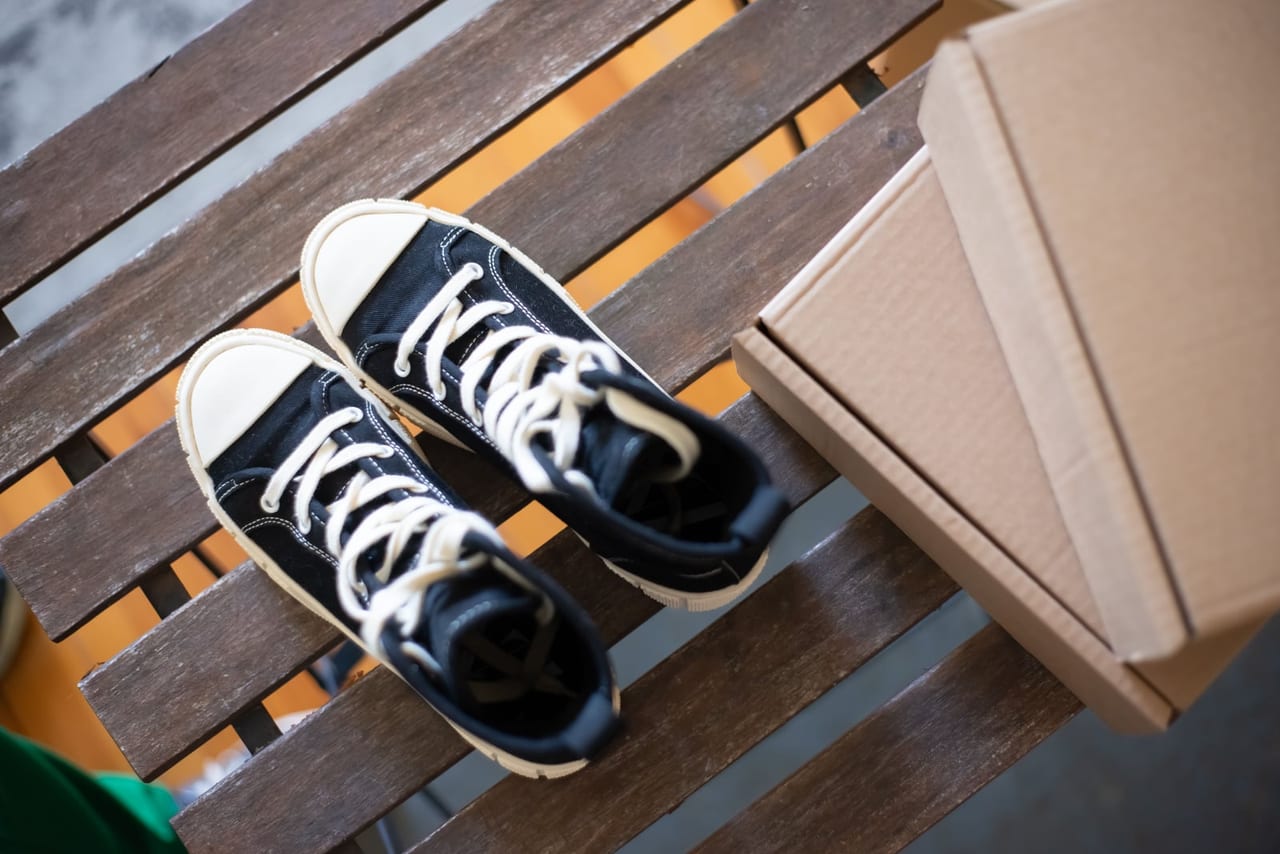
Some shoes take an insole more easily than others, and whatever the shoe, a good fit starts with an original insole that comes out, so check that first. Sneakers, walking shoes and running shoes are often the easiest fit: the insole usually lifts out and the laces let you adjust the room on top. Work boots are often roomy too, with an insole that comes out; check the toe room after the swap.
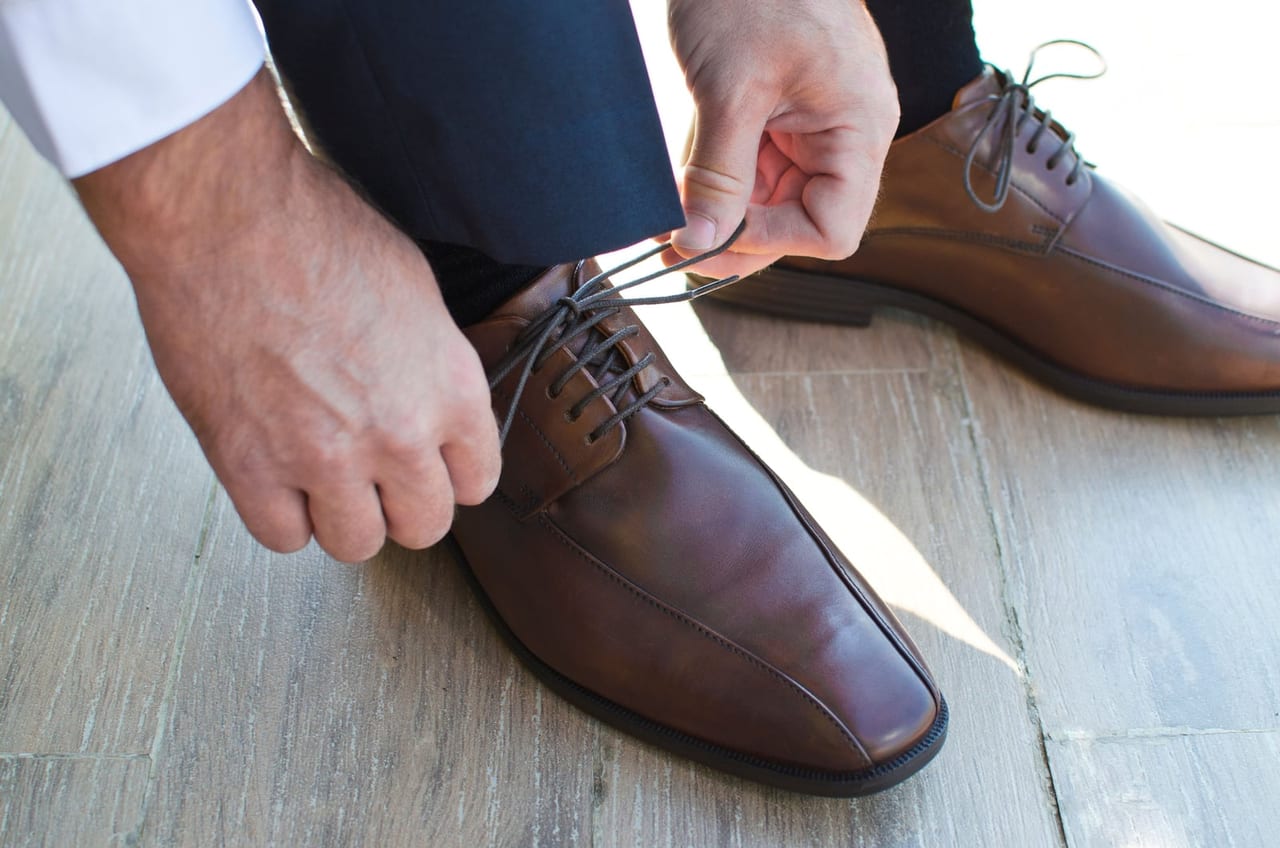
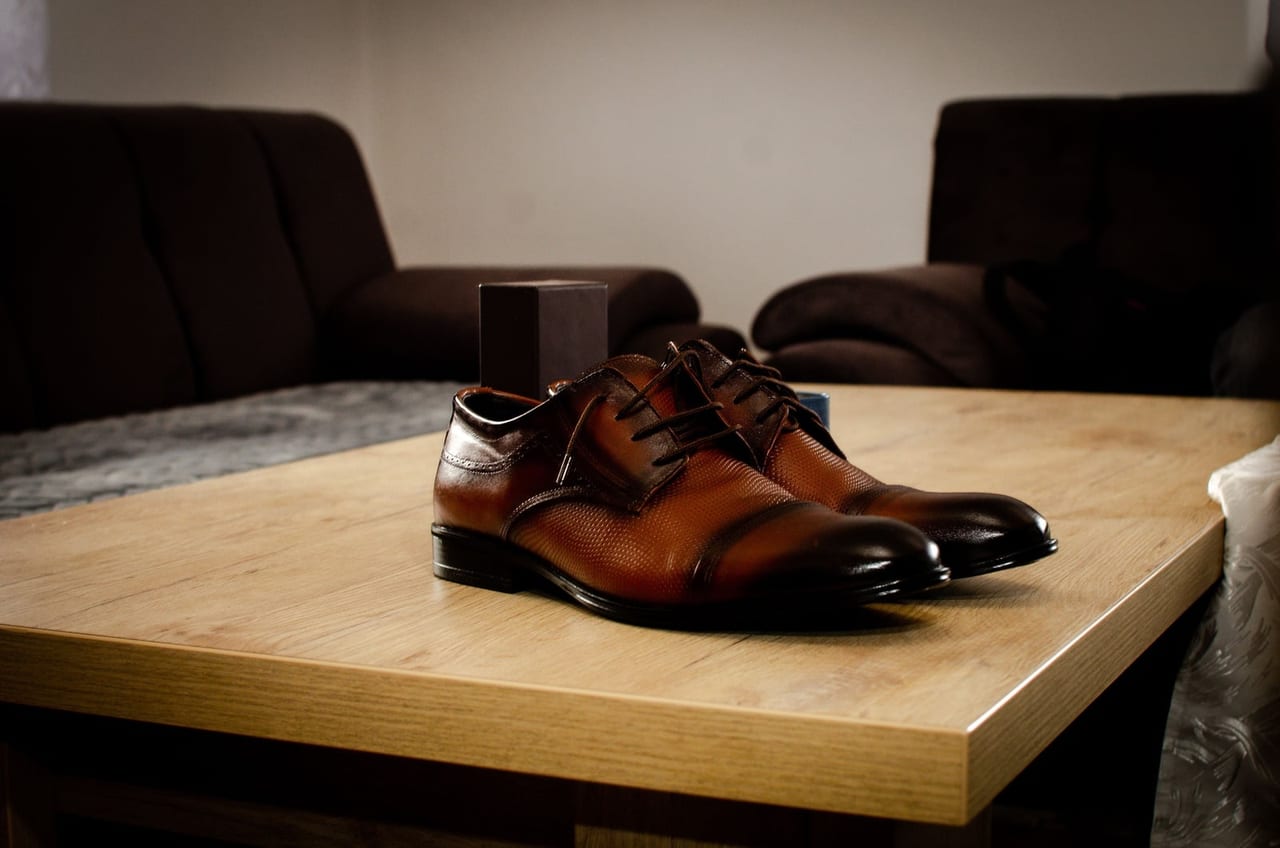
Dress shoes often have a thin, glued-in insole and little spare height, so a thin full-length insole, or a three-quarter insole that stops short of the toes, usually fits better than a thick one. Slip-ons, flats and sandals are the hardest to fit, with no laces to adjust for the added height.
In a laced shoe, the laces are the quickest adjustment once a new insole is in, and more patterns are in how to lace shoes for long shifts. If your heel slips, use the extra eyelet many athletic shoes have at the top: thread each lace through it on the same side, then cross the laces through the loops. If your heel still lifts after that, the shoe may be too long. If one spot on top of your foot feels pressure, run the laces straight past that eyelet.
When a tight fit may mean something more
Ordinary snugness is easy to spot. It eases when you loosen the laces or take out the original insole, and your feet feel fine once the shoes come off. A pair that feels a little close at the end of a long day and normal again the next morning is doing what most shoes do as feet swell.
Pay closer attention to numbness or tingling, to blisters, or to a sore spot that returns every time you wear the pair. Those are signs of pressure that loosening the laces hasn't solved, not something to push through. Stop wearing that pair until the fit is fixed, and have your feet checked if the signs stay.
Questions people ask
Should I take out the original insole before adding a new one?
Yes, if the new insole is full length and the original lifts out. Shoes with a removable insole are made to take a replacement without losing room, so the swap keeps the fit close to what it was. If the original is glued in, try a thinner or three-quarter insole instead.
Should I go up a size to fit insoles?
Sometimes, but try the insoles in your shoes first, with the original insole out. If your toes still touch the front after that, a half size up may help. If the squeeze is across the width, a wider fit is the better choice, since a longer shoe adds length rather than width.
The bottom line
A shoe holds only so much, and an insole takes up some of that room, so a snug fit after a new insole is usually a matter of space rather than a defect in the shoe or in your feet. Giving the foot its room back is mostly a question of what goes in and how it sits, and pressure that stays after that is a fit problem to solve, not something to wait out.