How to Break In New Insoles: The First Week
New insoles can feel strange at first, especially if your old ones were thin and flat. A slow first week gives your feet time to adjust, and makes a real fit problem easier to spot.
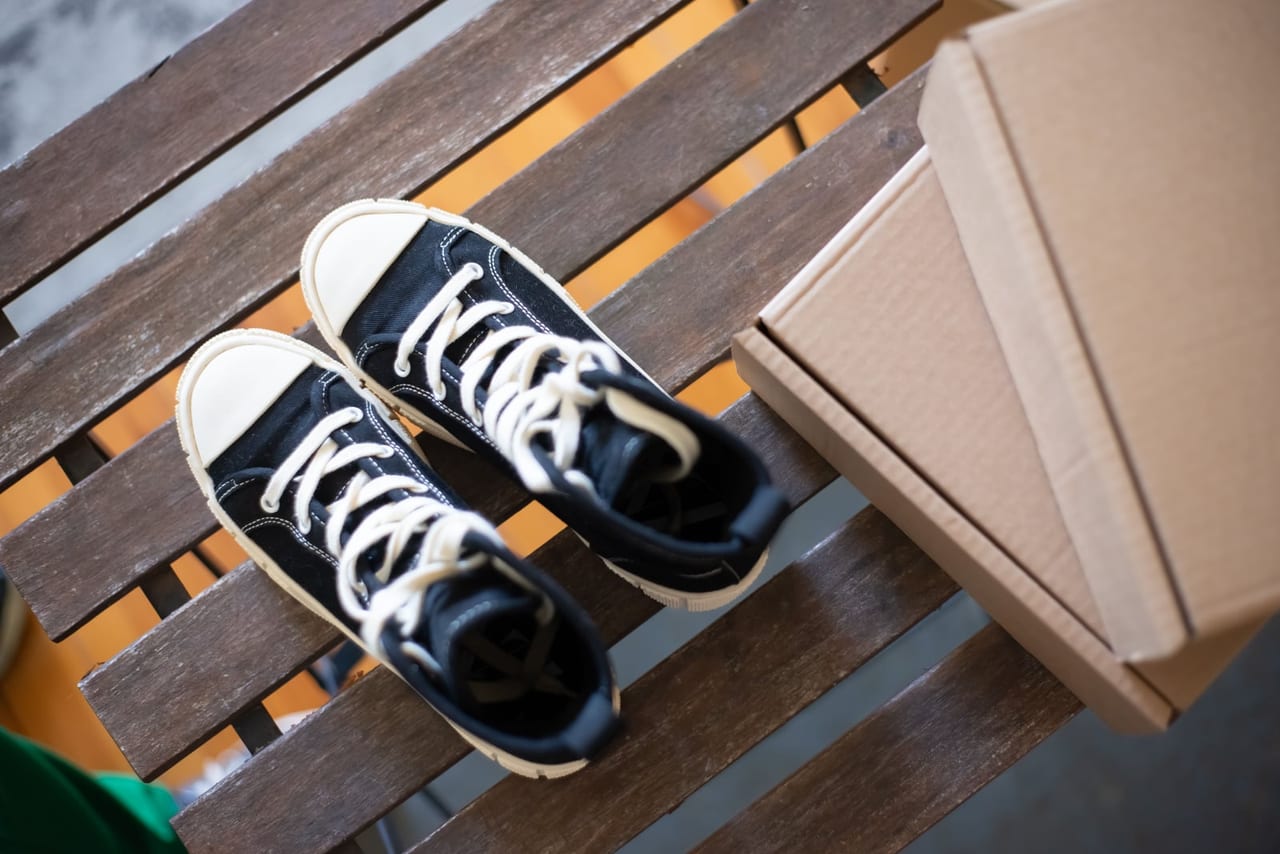
The new insoles go in on a Sunday evening, and the first walk across the kitchen feels odd. There's something under your arch that was never there before, and the laces that were comfortable yesterday seem to press. It's tempting either to pull the insoles straight back out or to wear them through a full day and hope, and neither gives them a fair trial.
The short answer
Break in new insoles gradually. Wear them for an hour or two on the first day, add time as long as your feet feel fine, and make the first full day an ordinary one. Many people notice the arch or a firmer heel at first, and that awareness often fades with regular wear.
Sharp pain, numbness, tingling, blisters or a sore spot in the same place each day aren't part of breaking in. Stop wearing the insoles, check the fit and the trim, and talk with a healthcare professional if the signs don't settle. If you have diabetes or reduced feeling in your feet, check with your care team before you start.
Why new insoles feel different at first
A new insole changes several things inside your shoe at once. Many factory insoles are thin and fairly flat, so a contoured insole fills the space under your arch and your foot meets support where it used to meet very little. A deeper heel cup does something similar at the back, cradling your heel and helping to keep it centered, and after a flat insole that hold can feel snug at first.
Fresh cushioning adds to the effect. Foam compresses with wear, so your old insoles may be flatter than you realize, and next to them new cushioning can feel firm, with every contour noticeable underfoot. A new insole can also take up slightly more space than the one it replaces, which changes how the laces, the heel and the toe box feel even when the size is right.
Why a slow start makes sense
Because so much changes at once, short wears make it easier to tell what's going on. An hour or two lets you notice the new shape, and it lets you catch a rub or a pressure spot early, while it's still a small thing. A full day in untested insoles works the other way: a small spot that presses all day can turn into a blister, and by then it's hard to know whether the insole, the trim or the shoe is to blame.
Going slowly also keeps the variables down. A break-in has several moving parts, the insole, the trim, the laces and the socks among them, and short wears let you change one thing at a time. That's why the plan keeps the insoles in the same shoes for the first week.
A simple plan for the first week
There's no fixed timetable. This plan spreads the change over about a week; slow it down if your feet ask for it. You need only the shoes you'll wear the insoles in, the new insoles trimmed to fit, and the socks you usually wear with those shoes. If you have diabetes or reduced feeling in your feet, check with your care team before you begin.
Fit the insoles before you start
Take out the original insoles, trim the new ones to match and seat them heel first. A buckled toe or an insole stacked on the old one can feel wrong from the first step, and wearing it longer will not fix that.
Start with an hour or two
On the first day or two, wear them for an hour or two at home or on a short errand, then change into another pair. Take them out sooner if anything rubs or presses.
Add time a little each day
If your feet feel fine afterward, add an hour or two each day. Keep the insoles in the same shoes for now, so you know what you are adjusting to.
Check your feet after each wear
Look for red marks, blisters or sore spots, and notice anything that ached. Feeling the arch at first is common; a sore spot in the same place every day is a sign to check the fit.
Save long days for later
Make the first full day an ordinary one, not a double shift, a long hike or a race. Keep another pair of shoes nearby, just in case.
Start each day dry
Pull the insoles out after wearing so they and the shoes can dry overnight. Damp skin rubs more easily, so begin each day with dry insoles and dry socks.
What you're watching is the direction of travel. Awareness that fades from one day to the next is the pattern you want; a sore spot that returns in the same place is a reason to stop and look at the fit before you add more time.
Real weeks don't always make room for a plan like this. If you work on your feet, a shift can't be split into an hour here and an hour there, so the early wears belong on days off, evenings and errands, while your usual shoes carry you through work. That may stretch the plan past a week, and that's fine. A rub you notice on an errand can be fixed the same evening; the same rub two hours into a shift may have to wait until the shift ends.
Socks, laces and shoes matter too
A break-in goes more smoothly when everything around the insole is right, and socks come first. Moisture-wicking wool or synthetic blends keep skin drier than all-cotton, and drier skin rubs less. Laces come next: a new insole can lift your foot a little, so relace until the laces close without pressing on top and stay snug at the heel.
The trim deserves a second look as well. If the toe curls or an edge rubs, take off a sliver more; the steps are in how to trim insoles. What an insole can't do is make a small or worn-out shoe fit. If your toes touch the front or your heel slips, the shoe itself is the question, and insole fit basics is the place to start.
When break-in discomfort may mean something more
Ordinary break-in feels like awareness rather than pain. You notice the arch or the heel cup, the feeling fades as the days go on, and your feet feel fine once the shoes come off. A day that feels a little more familiar than the one before is the sign that the plan is working.
Pay closer attention to sharp or burning pain, numbness or tingling, blisters, or a sore spot in the same place each day. None of these is part of breaking in, and more hours in the shoes won't change that. Stop wearing the insoles, recheck the trim and the size, and have your feet checked if the signs stay.
Questions people ask
How long does it take to break in new insoles?
It varies from person to person and from insole to insole, and a firmer, more structured insole may take longer to feel normal. A gradual first week is a sensible start, with short wears at the beginning and longer ones as your feet allow. Discomfort in the same spot that doesn't fade is a fit question, not a matter of time.
Can I break in insoles faster?
Not by pushing through discomfort. Getting the fit right first, with the original insole out, the toe trimmed and the laces adjusted, gives your feet less to get used to. Short wears then let you catch a rub before it turns into a blister, which is why an hour or two at first is usually the wiser route.
Can I run or hike in new insoles right away?
Wait until they feel comfortable on ordinary days. A long run or hike in untested insoles can turn a small rub into a blister with no easy way to change shoes. Save the long days for later, once a full ordinary day has passed without trouble.
The bottom line
The odd feeling of that first walk across the kitchen is not a verdict on a pair of insoles. It's what a change under the foot feels like, and a change is easier to read in small doses than all at once. What matters isn't how new insoles feel in the first hour, but which way that feeling goes over the days that follow.