When to Replace Insoles: Six Signs and How Long They Last
Insoles wear out slowly and out of sight, so many people keep a pair long after it stops doing its job. A quick check, with the insoles out of the shoes, takes only a few minutes.
Some evenings your feet feel more tired than the day seems to deserve. The shoes look the same, the routine is the same and nothing obvious has changed, so it's easy to blame a busy week or a hard floor. It rarely occurs to you to slide the insoles out and look at them, yet they've taken your weight on every step since the day they went in.
The short answer
Replace your insoles when the cushioning stays flat, the top layer is worn through or the heel cup has lost its shape. Cracks, a smell that won't clean out, or feet that feel worse after ordinary days are signs too. How long that takes depends on the insole and how hard you use it. Avoid going by the calendar alone, stacking a new insole on top of an old one, or putting new insoles into shoes that are worn out themselves. If foot discomfort continues after you replace worn insoles and shoes, have your feet checked.
Six signs your insoles are worn out
Take your insoles out and check them in good light; one clear sign is enough, and several together make the decision easy. The first two signs are in the foam and the top layer. Press a thumb into the heel and the ball of the foot, then let go: fresh foam springs back, while worn foam stays dented or feels thin and firm. Bald, shiny or torn patches under the heel and the ball of the foot show that the top layer has worn away, and the foam underneath is then exposed and can wear faster.
The next two are about shape and structure. Set the insole on a table: the raised edge around the heel should still be clearly shaped, and if it has spread and flattened, it no longer cradles your heel. Cracks in the foam or in a support shell, or layers that have started to separate, mean the insole is breaking down, and a crack can also leave a ridge you feel underfoot.
The last two are ones you notice yourself. Insoles take in sweat every day, so a pair that still smells after a gentle clean, a full dry and a day off is probably ready to be replaced. And if your feet start to feel tired or achy after days that used to feel fine, worn insoles or shoes may be part of the reason.
Wear like this is easy to miss. Insoles rarely fail all at once: foam compresses a little with every step and recovers a little less over time, so a pair can go flat while its top still looks new. The change is too gradual to notice from one day to the next, and many people only realize how worn a pair was when a new one goes into the same shoe. That's why a quick check every few months is more reliable than waiting for your feet to tell you.
How to replace insoles the right way
A new pair only helps if it goes into shoes that still support you and fits the way the old pair did. The routine takes about fifteen minutes and needs little: the new pair, a pen and, if the new insoles need trimming, scissors. For a closer look at cutting a new pair to size, see how to trim insoles.
Check the insoles and the shoes
Take both insoles out and look at them side by side, then look inside and under the shoes. If the shoes are worn out too, replace them first.
Replace both insoles together
Change the pair at the same time, even if one insole looks better than the other. They have done the same work.
Take the old insole out
A new full-length insole replaces the old one rather than sitting on top of it. Two layers raise your heel and crowd your toes.
Trim the new pair to fit
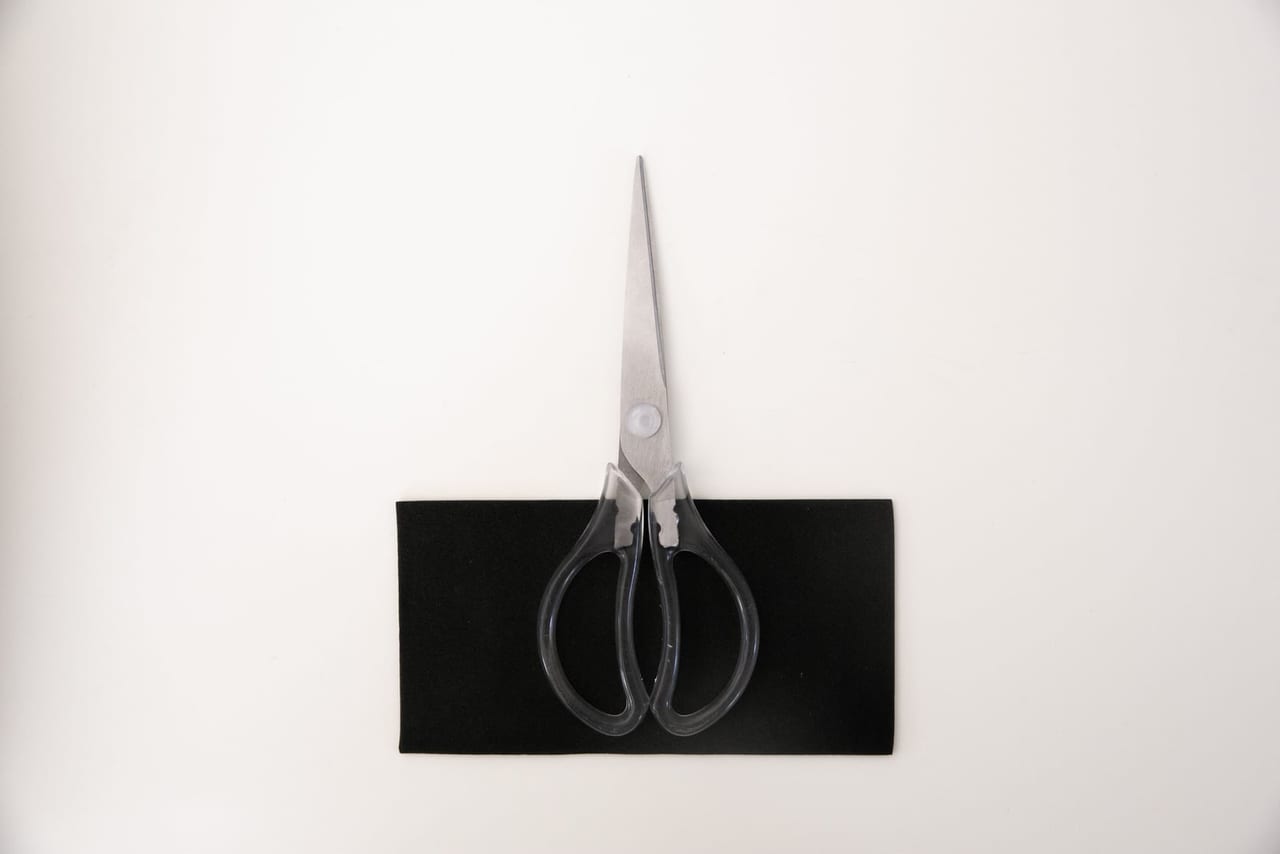
If the new insoles are trim-to-fit, lay the old insole on top as a guide and cut a little at a time. Each new insole should lie flat, with no curling at the edges.
Ease into the new pair
Wear new insoles for part of the day at first, then longer as they feel comfortable. A pressure spot that does not fade is a reason to check the fit.
Date the pair and check again
Write the date on the underside of the new insoles. Check them every few months, and sooner if you spend all day on your feet.
The insole is only half the picture, so look at the shoe as well while the old pair is out. Deep creases in the sole, a heel that folds easily or uneven wear mean the shoe itself is worn, and a new insole won't change that.
How long insoles last
There's no single answer, because a few things decide how quickly a pair wears out. Thin foam footbeds tend to flatten sooner than thicker insoles with a firm heel cup or arch support, and a pair worn through long shifts every day wears much faster than one worn now and then. Body weight and anything you carry press on the foam with every step, so heavier loads can wear it out sooner. Hours on concrete and other hard floors can also ask more of the cushioning than softer surfaces.
Care makes a difference too. Heat can warp foam and weaken the glue between layers, so insoles that dry at room temperature between wears tend to hold up better. Two pairs of shoes used in rotation also give each pair of insoles a day to dry out, and how to keep shoes and insoles fresh covers that routine. Habits like these won't stop an insole from wearing down, but they can slow it.
Put together, these factors mean two pairs of the same insole, started on the same day, can wear out at very different times. That's why the date you write on the underside isn't a deadline. It tells you how long a pair has been working, which gives the thumb test some context: a pair that has gone soft sooner than you expected says something about how hard your days are, and the next pair may need checking sooner too.
When foot discomfort may mean something more
Some change is ordinary when insoles wear out or are replaced. Worn insoles can leave your feet more tired at the end of a long day. A new pair may also feel different for the first few days while you get used to it.
Pay closer attention if the discomfort stays after you replace worn insoles and shoes, or if a pressure spot doesn't fade. The same goes for numbness or a sore that isn't getting better. A new insole isn't the answer to every foot problem.
Questions people ask
How long do insoles usually last?
There's no set date. It depends on the insole, how many hours you wear it, your weight and the surfaces you stand on, so the calendar is a poor guide. Check them every few months, and sooner if you spend all day on your feet, and replace them when they show wear.
Can I put a new insole on top of the old one?
It's better to take the old one out. Stacking two layers raises your heel, crowds your toes and can let the top insole slide. If the new pair needs trimming, the old insole makes a handy guide to lay on top and cut around.
Should I replace insoles when I get new shoes?
Not necessarily. If your current insoles still pass a quick check, with springy cushioning, an intact top layer and heel cup, no cracks and no lasting smell, they can move to the new shoes, trimmed if needed. If they're worn, start the new shoes with a new pair.
The bottom line
The next time your feet feel more tired than the day deserves, the insoles are a fair place to look. They do their work out of sight, so a pair that's gone flat is easy to spot once you check, and easy to miss until you do.