What Insoles Are Made Of: A Layer-by-Layer Guide
Many insoles are a stack of thin layers, and each one does a different job. Knowing the layers makes it easier to choose a pair and to care for it.
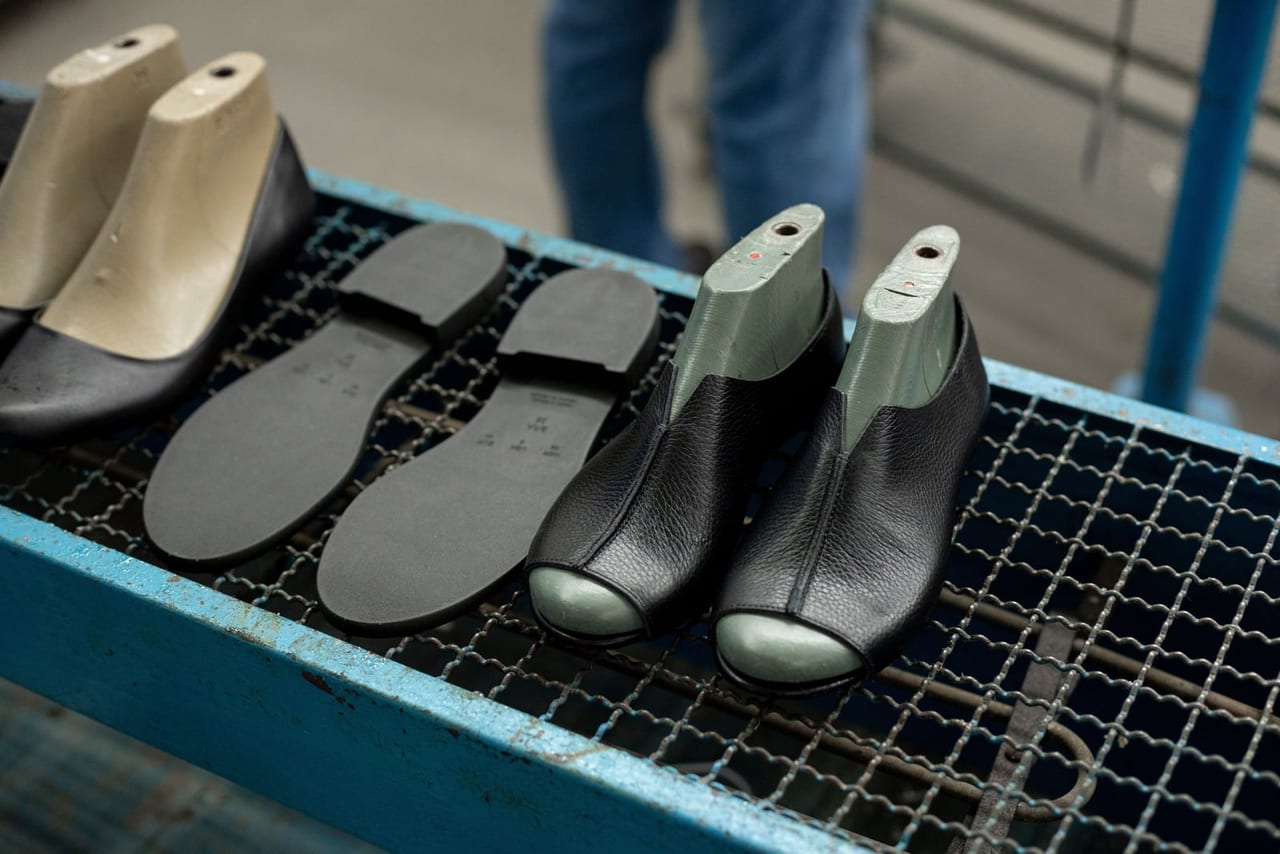
Pull the insole out of a shoe you've worn for a year and look at it edge-on. What seemed like a single slab is usually several thin layers: one showing through where the top has worn, another flattened under the heel, a firmer piece still holding its curve under the arch. All of them have spent the same year under the same foot, and they haven't aged at the same rate.
Shopping for a new pair doesn't make the layers any easier to tell apart. Foam, gel, memory foam, charcoal, a firm shell: the words on the box read like a list of ingredients, and they say little about which layer is doing what.
The short answer
Most insoles are built in layers: a fabric or foam top cover that touches your sock, a cushioning layer of foam or gel, and, on supportive insoles, a firmer shell under the arch and heel. Some add extras, such as an activated charcoal layer or a separate heel pad. Judge an insole by how its layers suit your shoes and your day, not by thickness alone. Air insoles out after each wear, clean them gently and keep them away from heat, which can warp foam and loosen glue. If skin that touches the insole turns itchy or sore and doesn't settle, or discomfort continues, talk with a healthcare professional.
Why an insole is built in layers
No single material is soft, firm, breathable and long-lasting at once, so insoles stack materials that each handle part of the job. The top cover is what your sock touches: usually a smooth fabric or a thin open-cell foam, whose connected pores let air and moisture move, though some insoles use leather. A breathable top can help feet feel less damp over a long day.
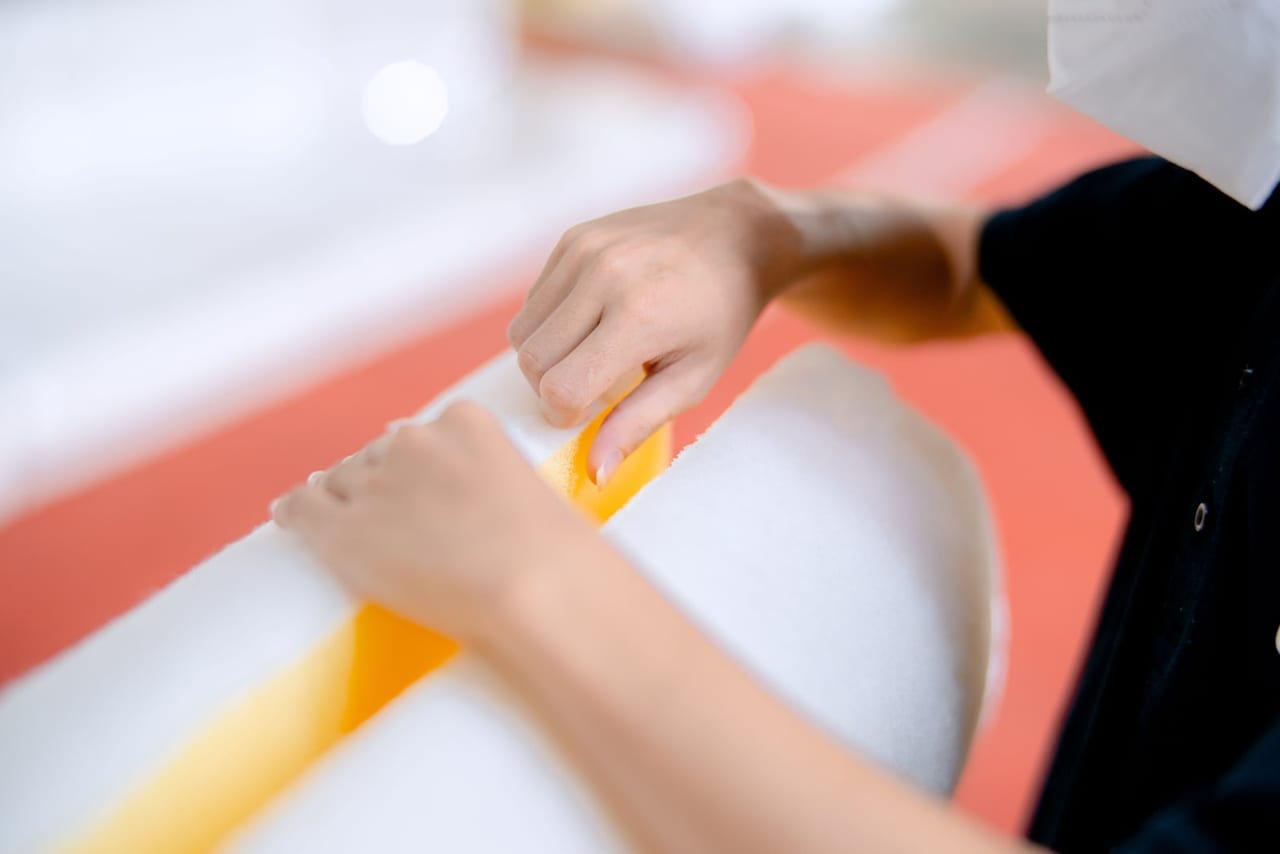
Beneath it sits the cushioning, and most cushioning is foam. EVA, the light, springy foam used in many shoe soles, comes in softer and firmer versions; polyurethane foam is usually denser and heavier and tends to hold its thickness longer; memory foam molds to your foot and feels plush, but it springs back slowly. Gel pads, often under the heel or the ball of the foot, feel soft and dense, though they add weight and don't breathe, so some people find them warm. Whatever the material, cushioning compresses with wear and recovers less over time.
Your heel takes the first contact of most steps and much of your weight when you stand, so many insoles add a denser pad of foam or gel there, and a cupped heel that helps keep your heel centered. Supportive insoles add a firmer piece under the arch and heel, often plastic, nylon or carbon fiber, or sometimes firm cork, which can mold to your foot with wear; a firmer shell tends to hold its shape better, but a very rigid arch can feel uncomfortable. Some insoles also slip a thin activated charcoal layer under the top cover. Activated charcoal is a very porous form of carbon whose large surface can hold on to some odor molecules, and it works alongside airing and drying, not instead of them.
Why soft is not the same as supportive
In a store, the softest insole often feels the most comfortable. But very soft foam can compress quickly under hours of weight, and once it flattens, it has little cushioning left to give. An insole that pairs a firmer base with a cushioned top may hold up better through a long day.
Thickness is a poor guide for the same reason. A thick insole takes up room in the shoe and says little about support, while a thin insole with a firm shell can hold its shape better than a thick slab of soft foam. Two insoles that look alike from the top can be built quite differently underneath, which is why the layers are the more useful way to compare them. What matters is how the layers suit your shoes and your day.
How to read an insole, step by step
The box, label or product page usually lists the layers, and five minutes with the insole in good light tells you the rest. No tools are needed, just your hands. If you have diabetes or reduced feeling in your feet, check with your care team before you try new insoles.
Start with the top layer
Look at the surface your sock touches: fabric, a thin foam or leather. Note whether it feels smooth and looks breathable.
Look for an odor layer
Some insoles add a thin layer, such as activated charcoal, under the top cover. The box or label usually names it.
Identify the cushioning
Most cushioning is foam, such as EVA, polyurethane or memory foam, sometimes with gel pads. Press it with your thumb: cushioning in good shape springs back.
Find the firm parts
Bend the insole and press under the arch and the heel. A firm shell of plastic, nylon or carbon fiber gives it structure; without one, the insole is mainly a cushion.
Check the heel
Look for a cupped heel that wraps up around the sides, and for a separate pad under the heel, often a denser foam or gel.
Read the care label
Check whether the insole can be washed and how it should dry. Many need wiping rather than soaking, and air-drying away from heat.
The check is worth repeating after a few months of wear, because the layers age at different rates. A heel that stays flat, a heel cup that has lost its shape or a top worn through are the signs of wear; see when to replace insoles.
How to care for each material
Whatever the material, let insoles dry between wears by taking them out after a long day. Foam can be wiped with a cloth and mild soapy water rather than soaked, then left to dry fully at room temperature, and a charcoal layer is cared for the same way, with a look at the label before any washing. Gel should be wiped clean and dried.
Cork and leather ask for a lighter touch. Keep cork as dry as you can and wipe it rather than wash it, and wipe leather tops with a barely damp cloth, never soaking them. For every material, skip dryers, radiators and hair dryers, because heat can warp foam and weaken the glue that holds the layers together. More on airing and cleaning is in how to keep shoes and insoles fresh.
When an insole may mean something more
An insole that feels firmer or different at first is common, and so is some wear on the top cover after months of use. Both are the ordinary life of a layered object that takes your weight every day, and the care above is usually all they call for.
Pay closer attention if skin where the insole touches turns itchy, red or sore, or if pressure or pain doesn't ease after you adjust the fit. Switch back to your old insoles for now, and have your feet checked if the skin doesn't settle.
Questions people ask
Is gel or foam better for insoles?
Neither suits everyone. Gel feels soft and dense but adds weight and doesn't breathe, while foam is lighter and comes in many levels of firmness. Try both in your own shoes if you can, and judge them after a few hours rather than a few steps.
Is memory foam good for insoles?
It feels plush and molds to your foot, which many people enjoy. It springs back slowly, though, and can flatten sooner under long days of standing. That makes it a better match for lighter use than for a day spent on your feet.
Can you wash insoles?
Many can be wiped clean with mild soapy water, but check the label before soaking or machine washing, since the answer differs by material. Let them dry fully at room temperature, away from heaters and direct sun. Cork and leather in particular should be wiped rather than washed.
The bottom line
An insole is a stack of compromises. Softer layers tend to give up staying power, firmer ones give up some plushness, and every material in between trades one thing for another. Once you can see which layer is making which trade, the words on a box stop reading like a list of ingredients and start telling you how the insole will feel and wear.