Insoles for Work Boots: Fit, Room and Trimming
Work boots are a tight home for an insole: less room, a stiff toe and long, sweaty shifts. An insole that works there has to suit all three.

You lace up your boots at the start of a shift with a new insole inside, and within an hour something is off. The laces won't close the way they did, your toes brush the front when you crouch, and by lunch your heel has started to lift at the back. The boots are the same ones that fit well last week; only the insole has changed.
It probably felt fine when you first stood in the boots. The trouble showed up only once you moved the way the job makes you move, which is why an insole that seems right standing still can feel wrong once the shift is under way.
The short answer
If your boots have a removable footbed, take it out and use it as a pattern: a full-length insole is made to replace it, not to sit on top of it. Trim the new insole to the old outline, then check that your heel stays down, the laces close easily and your toes stay clear of the front and of any safety cap. Keep boots and insoles dry between shifts, and if your boots carry an electrical-hazard or static-dissipative rating, check the boot maker's guidance before swapping the insole. Numbness, or sores that aren't getting better, are reasons to talk with a healthcare professional.
Why a work boot is a hard fit for an insole
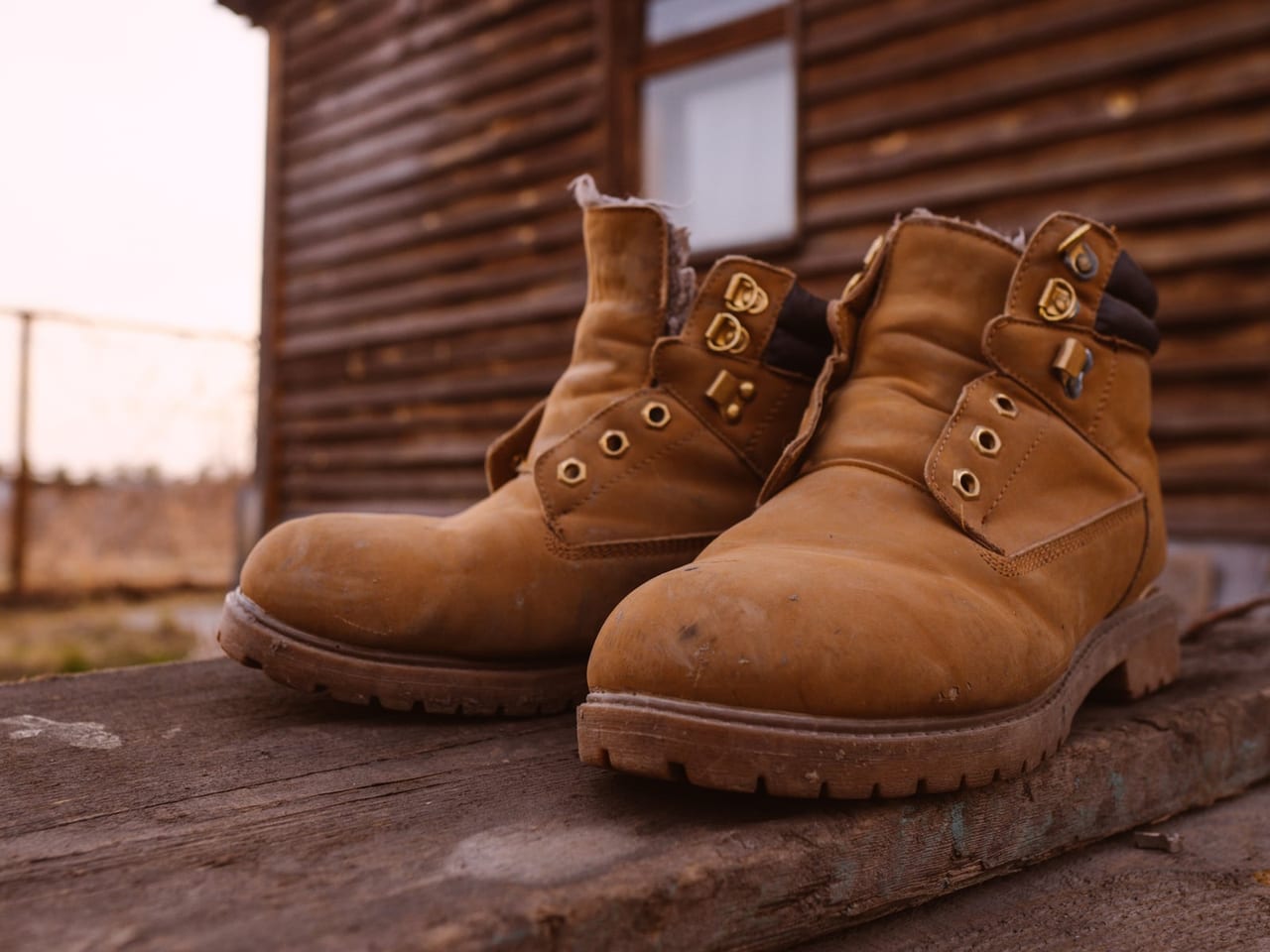
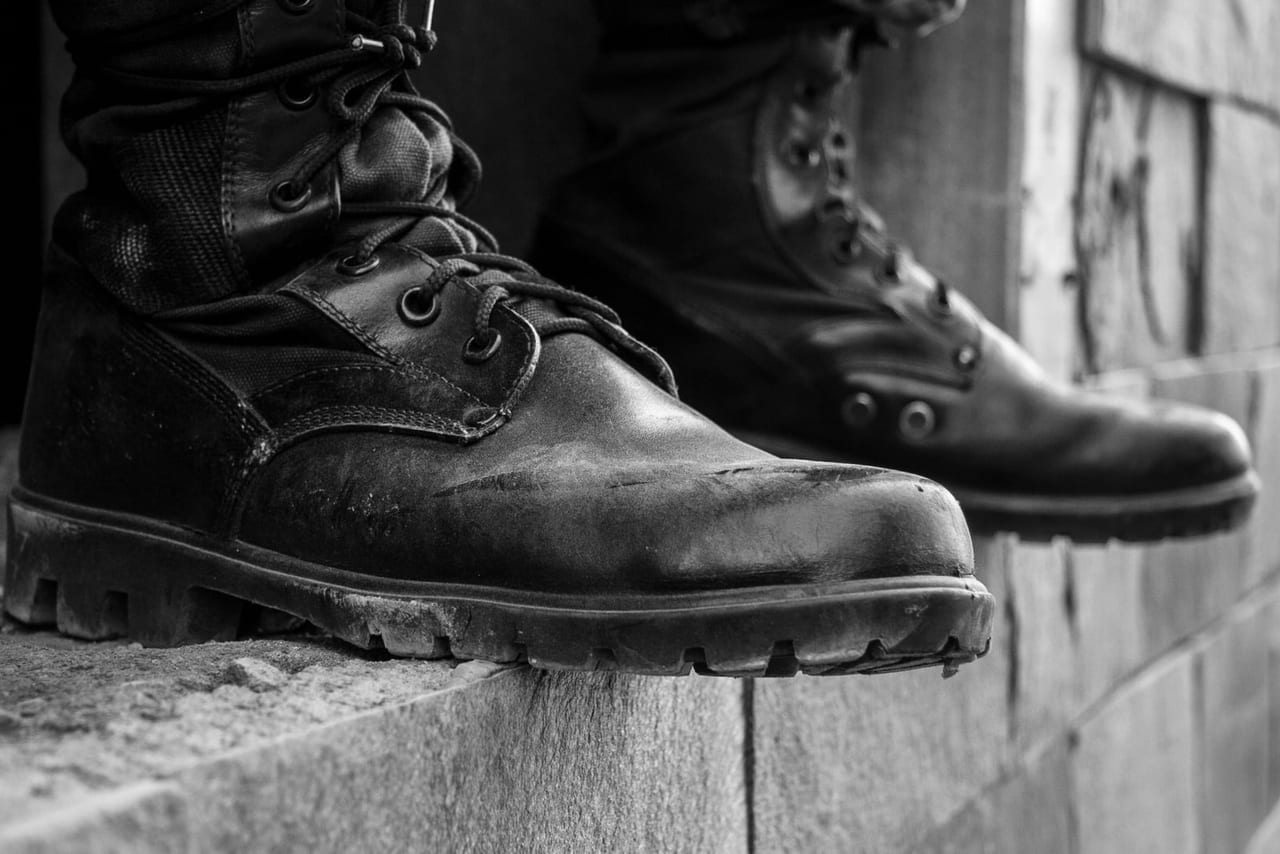
A boot has a set amount of room, so whatever an insole adds under your foot comes out of the space above it and around your toes. A thicker insole raises your foot toward the laces and the roof of the toe box, and a steel or composite toe cap makes that worse, because it's rigid by design and can't stretch to make room. Lift your toes even a little with a thicker insole and they sit that much closer to the cap.
The footbed that came with your boots answers most of this, because it's a map of the inside of the boot. Its outline shows how long and wide the new insole should be, and its thickness shows how much room the boot was built to leave under your foot. Lay the two side by side before you cut anything: if the new insole is much thicker at the heel, your heel will sit higher and can slip at the back, and if it's thicker under the toes, the front will feel tighter.
What to look for in a work boot insole
Start with what the boot can take, and with what its maker says about it. If your boots carry an electrical-hazard or static-dissipative rating, check the boot maker's guidance before you swap the insole, whatever you choose. After that, choose for comfort: a full-length insole cut to the old footbed's outline cushions the whole foot, whereas a three-quarter insole ends behind the ball of the foot and you may feel its edge. Thickness matters just as much: snug or low-volume boots need a thinner insole, while roomier boots can take more cushioning.
Under the foot, look for a deep heel cup and arch support: a cupped heel helps keep your heel centered, and an arch that follows your foot lets the middle of the foot share the load. Press the heel with a thumb, since cushioning that springs back rather than staying dented is the kind that holds up over a long shift. A fabric top layer that lets moisture escape can help your feet feel less damp late in a shift.
How to fit insoles in work boots
Allow about 20 minutes, and fit the insoles to the boots you wear most, with the socks you work in, a pen and sharp scissors. If you have diabetes or reduced feeling in your feet, ask your healthcare professional before changing insoles. The cutting is covered in more detail in how to trim insoles.
Take out the factory footbed
Pull it out from the heel end. If it is glued in, only a thin insole is likely to fit on top of it; a thick one will crowd the boot.
Compare the old and the new
Lay the old footbed on the new insole, heels lined up. Check the length, and feel how much thicker the new one is at the heel and under the toes.
Trace and trim the toe
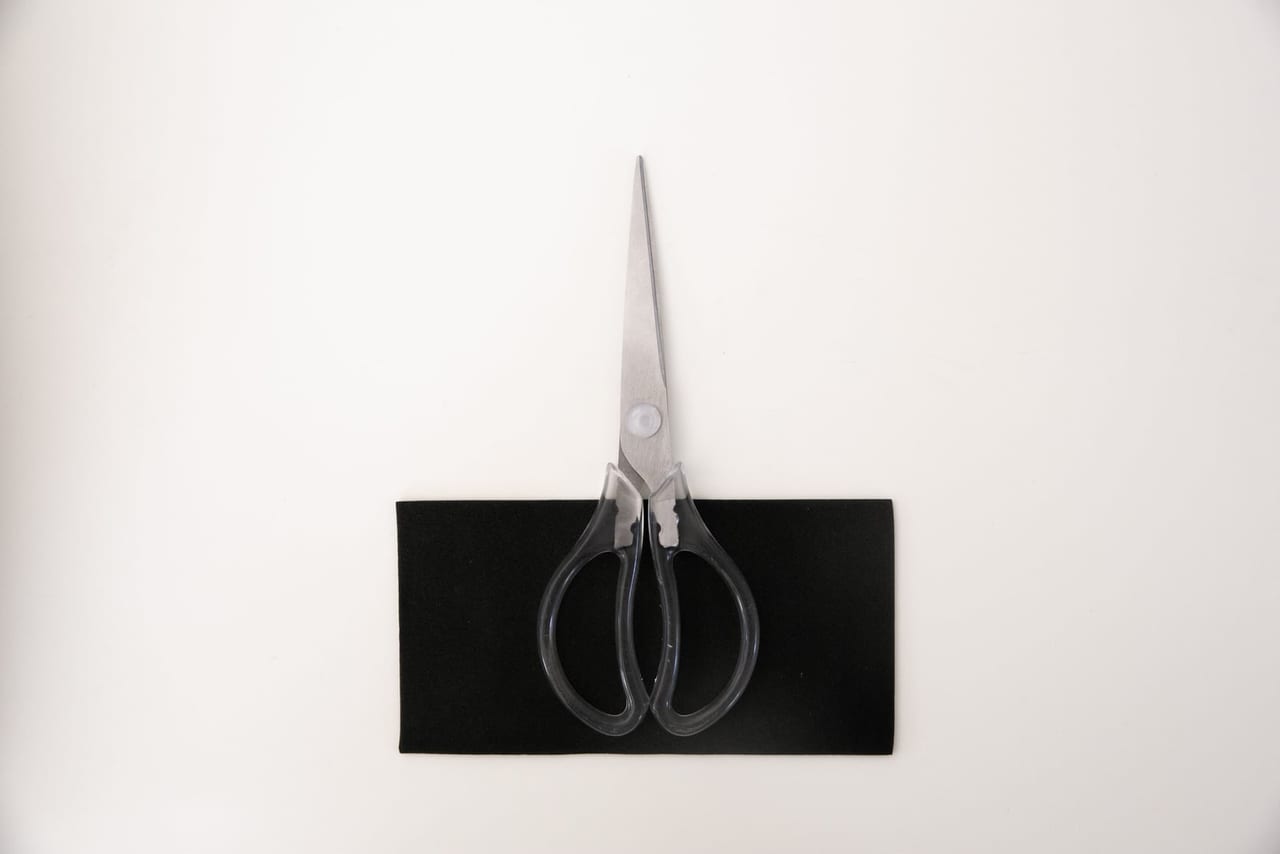
Trace the toe of the old footbed onto the new insole and cut just outside the line, a little at a time. Trim the second insole to match the first.
Seat it heel first
Slide the insole in heel first, press it down into the back of the boot, then lay the toe flat. It should lie flat, with no curling at the edges.
Stand, walk and crouch
Lace up in your work socks and move the way you do on the job. Your heel should stay down, the laces should close without strain and your toes should stay clear of the front.
Dry them after every shift
Take the insoles out and open the boots wide so both can dry at room temperature, away from heaters. If you have two pairs of boots, alternate them.
The first shift in a new insole is the real test, so notice how the boots feel at the end of it rather than the start. A heel that lifts at the back, laces that won't close without strain or toes that touch the cap when you crouch are all fit problems, and each has a fix: push the insole fully back, relace, or choose a thinner insole. An insole that crowds the front is one to swap rather than wait out.
Socks, lacing and drying
The insole is only part of the fit. Socks take up room too, so choose synthetic or wool-blend socks, which draw sweat away from your skin, over all-cotton socks, which hold it. A new insole can also change how the laces feel over the top of your foot, so relace after fitting; the patterns are in how to lace shoes for long shifts.
Drying is the habit that keeps both boot and insole working. Take the insoles out after every shift and open the boots wide so both can dry slowly at room temperature, never on a heater. Leather boots need care of their own, covered in how to care for leather work boots.
When boot trouble may mean something more
New boots or new insoles can feel different at first, and tired feet after a long shift on hard ground are common. If the feeling fades with rest and the boots feel normal again by the next morning, that's the ordinary pattern.
A spot that rubs in the same place every shift often points to fit, so check the trim, the lacing and the boot size before anything else. Numbness, pain that builds over weeks, or a sore that isn't getting better is a different matter, and a reason to have your feet checked rather than to try another insole.
Questions people ask
Can I use insoles in steel-toe boots?
Often, if the boot has a removable footbed and some room to spare. Check that your toes stay clear of the cap when you stand and when you crouch, since a thicker insole lifts them toward it. Check the boot maker's guidance first as well, especially for boots with an electrical-hazard or static-dissipative rating.
Can insoles make work boots too tight?
They can, if the new insole is much thicker than the footbed it replaces. Take the original out first rather than stacking the two, since two layers raise your heel, crowd your toes and can let the top one slide. If the boot still feels tight over the top of your foot, loosen the laces there or choose a thinner insole.
How often should I replace insoles in work boots?
Replace them when they wear out, not on a set date. The signs are a heel that stays flat after you press it, a heel cup that has lost its shape or a top that has worn through. Long shifts, hard ground and heavy loads bring that day sooner than you might expect.

The bottom line
When a pair of boots that fit well last week stops fitting, the insole is the one thing that changed, and it's the first place to look. A boot has only so much room to give, so the right insole is the one that fits inside it and still feels right at the end of a shift, not the thickest or softest one available.