Slip-Resistant Work Shoes: What to Look For
On a wet kitchen floor or a newly mopped corridor, much of your footing comes down to your soles. Whether a pair grips or skates depends on a few details in the rubber and the tread, all of them easy to check.

It takes about half a second. A heel lands on a patch of floor that looked dry, keeps going, and your whole body jerks to catch itself, one hand already reaching for the counter. In a kitchen, a hospital hallway or a stockroom, it passes so fast that it's easy to shrug off.
The floor usually gets the blame, and often it deserves it. Yet the same wet tile can feel solid in one pair of shoes and like ice in another, and much of the difference sits in the sole: its rubber, the pattern pressed into it and how much of that pattern is left.
The short answer
Look for soft rubber soles with a tread of many small, closely spaced shapes and channels that let water and grease escape. The pattern should reach right under the heel, where a slip usually starts, and the pair should fit well from the start, with closed toes and any safety features your job requires.
Don't rely on the word "slip-resistant" alone, since it isn't tied to one single test. Keep the tread clean and replace the shoes once it wears smooth. Talk with a healthcare professional about pain or swelling after a fall that isn't easing, an ankle you can't put weight on, or numbness or sore spots from your work shoes.
Why shoes slip on wet and greasy floors
Most steps begin with the heel touching down while it's still moving forward a little, so for a split second the floor has to stop it. On a dry floor, friction does that job without your noticing. Add a film of water, oil or grease, and the sole can ride on the liquid instead of gripping the floor, much as a car tire hydroplanes on a flooded road. That's why a slip so often begins in the instant a step lands.
Grip comes back once the liquid is pushed aside. The channels in a tread give it somewhere to go, so the raised parts of the pattern can reach the floor itself. Soft rubber also gives a little, molding itself to the fine texture of the floor and keeping more of the sole in contact. A sole worn smooth can do neither, which is how an old pair can feel fine on a dry floor and treacherous on a wet one.
Grease makes all of this harder, since it's thicker than water and slower to squeeze out from under a sole. Sealed concrete, glazed tile and vinyl can turn slick under a thin film, too. Shoes are one part of the picture, alongside spills wiped up quickly, mats where water collects and shorter steps on a floor you know is wet.
What to look for in a slip-resistant sole
The label tells you less than it seems to. "Slip-resistant" isn't tied to one single test that every maker uses, so two pairs that both carry it can behave differently on the same floor. A description that names the surfaces a sole was tested on, such as wet tile or an oily floor, is more useful. "Oil-resistant" usually means the rubber holds up against oil without breaking down, not that it grips on it.
The rubber tells you more. Soles made for wet and greasy floors are usually a softer rubber that gives slightly under your thumb, unlike hard plastic or leather. Softer compounds tend to grip better on smooth, wet floors but wear down faster, so a soft-soled pair needs checking more often. Hard soles can last longer, yet they're more likely to skate when grease is underfoot.
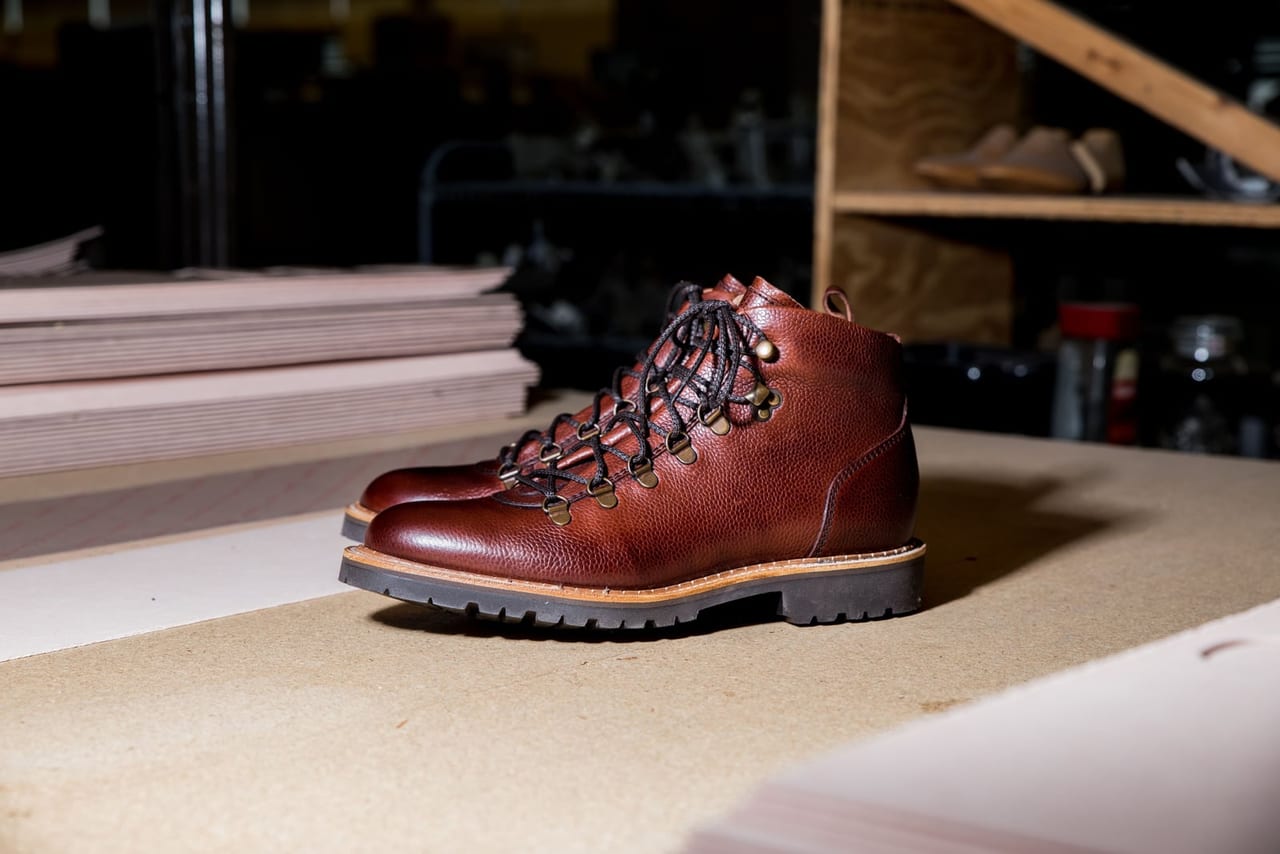
The pattern pressed into that rubber matters as much. For indoor floors, the tread that tends to work well has many small, closely spaced shapes separated by channels, some running out to the edge. It should cover the whole sole, heel included, and a broad, low heel puts more rubber on the floor as a step lands. Deep, widely spaced lugs like those on hiking boots shed mud well but can leave little rubber touching a smooth, wet floor.
Beyond the sole: workplace rules, uppers and fit
Workplace rules come before any of this. Many kitchens and hospitals require closed-toe shoes, and some jobs call for a protective toe cap, a puncture-resistant sole or a particular style, so grip is chosen within those rules. If your employer supplies or approves work shoes, ask which ones suit your floors, since a sole that works in a bakery may not suit a loading dock.
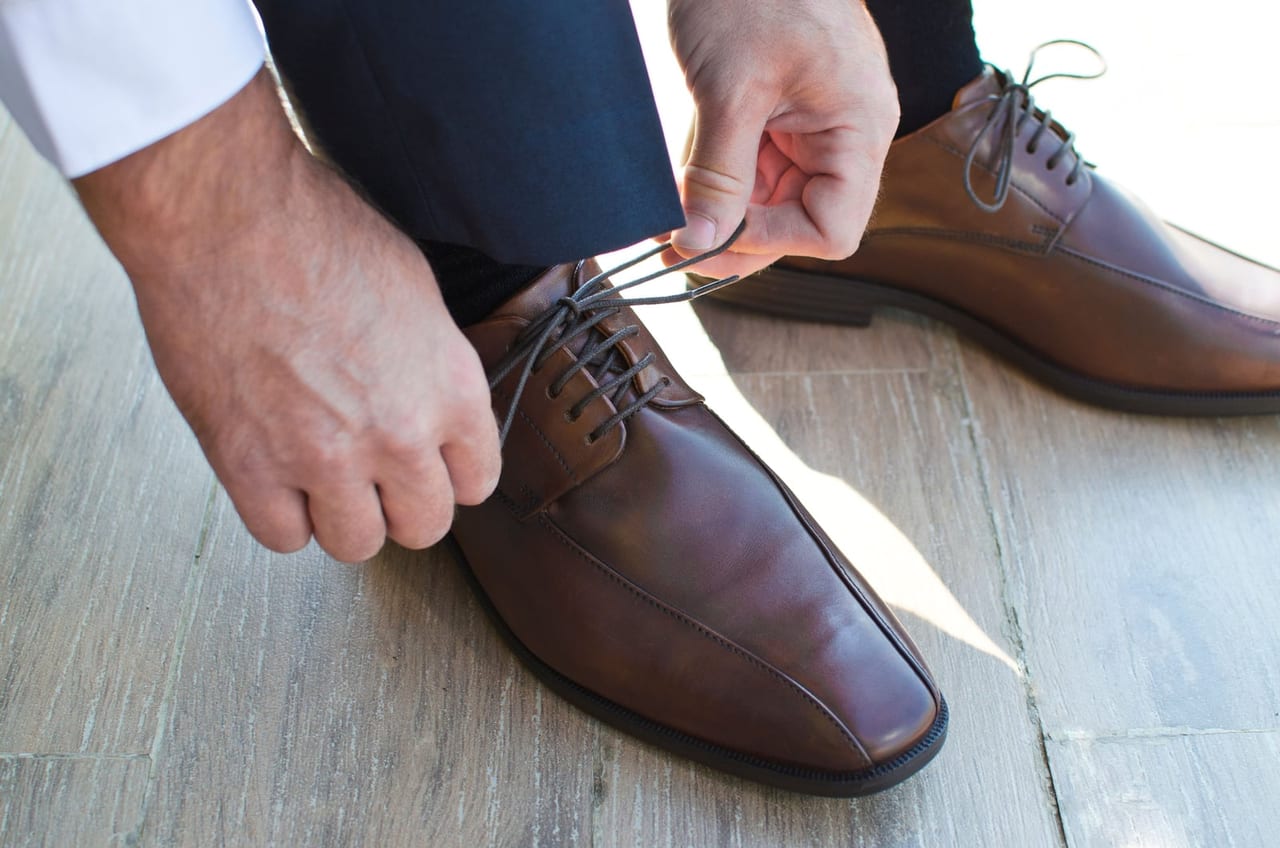
Above the sole, look for an upper you can wipe clean. Smooth leather or a coated synthetic sheds spills and cleaning liquids, while mesh lets a splash soak straight through to your sock. A closed toe and a firm back that holds your heel keep the shoe in place as you pivot. Laces or a strap let you adjust the fit, since feet tend to be a little larger by the end of a shift.
Fit matters as much as tread, because a foot that slides around inside a shoe is harder to keep steady. Try work shoes on later in the day with your work socks, and look for about half an inch of room in front of your longest toe and a heel that stays put as you walk. Cushioning for hard floors and a removable footbed, if you use insoles, make long shifts easier, and the pair should feel comfortable from the start. If your heel still lifts, the patterns in how to lace shoes for long shifts can help.
How to check a pair of work shoes for grip
This check takes about ten minutes, and the early steps work on a new pair in the store. For a pair you already wear, add a stiff brush and a bowl of lukewarm water with a few drops of dish soap, and work over a sink.
Turn the shoe over
Hold the sole up to good light and press the rubber with your thumb. Soles made for wet floors usually give a little, unlike hard plastic.
Look for small shapes and channels
Check for many small, closely spaced tread shapes with channels between them, some running out to the edge. The pattern should reach under the heel too.
Check the heel and the ball
On a pair you've worn, look under the heel and the ball of the foot. If the pattern there has worn flat or its edges have rounded off, that part grips less.
Brush the tread clean
Scrub grease, food and grit out of the channels with the brush and the soapy water, keeping it off leather uppers. Rinse, then let the shoes dry at room temperature, away from heaters.
Repeat the check every few weeks
Look again every few weeks and after any slip or near miss, since tread wears too gradually to notice from one shift to the next.
The cleaning step earns its place because grease doesn't stay on the floor. It works its way into the channels of a tread, and a sole packed with it can behave much like a worn one, with nowhere for liquid to go. Dish soap cuts grease well, but if you're unsure how an upper will take it, test the soapy water on a small hidden spot first.
When a slip may mean something more
Many near misses end with nothing worse than a jolt and a racing heart. Catching yourself hard can leave your back or legs sore the next day, and a small bruise that fades over a few days usually needs nothing more than time.
Pay closer attention when something breaks that pattern: pain that builds instead of fading, swelling that hasn't started to go down after a few days, or an ankle that feels unsteady after a twist. Any fall in which you hit your head deserves a closer look, and so do sore spots, blisters or numbness that keep showing up after shifts.
Questions people ask
How often should you replace slip-resistant work shoes?
There's no set number of months, since it depends on your hours, your floors and how soft the rubber is. Judge by the tread instead: when the pattern where you land and push off has worn flat, much of the grip has gone with it, even if the uppers look new. Other signs of a worn pair are in how to tell when your shoes are worn out.
Are clogs a good choice for slippery floors?
They can be, if the sole is made for wet floors and the back is closed. A closed back holds your heel as you turn, while an open-back style lets the heel lift and slide, which is one reason some workplaces don't allow them. Check the tread as you would on any other work shoe.
The bottom line
On a wet floor, staying upright is settled in the half second after your heel lands, long before there's time to think. You can't control every spill or wet patch, but you can choose what meets the floor. Soft rubber with a clean, unworn tread gives that half second a much better chance of ending with you still on your feet.