How to Lace Shoes for Long Shifts
Laces are the part of a shoe's fit you can change in seconds. Laced with a little thought, they can hold your heel in place and still leave the top of your foot room through a long shift.
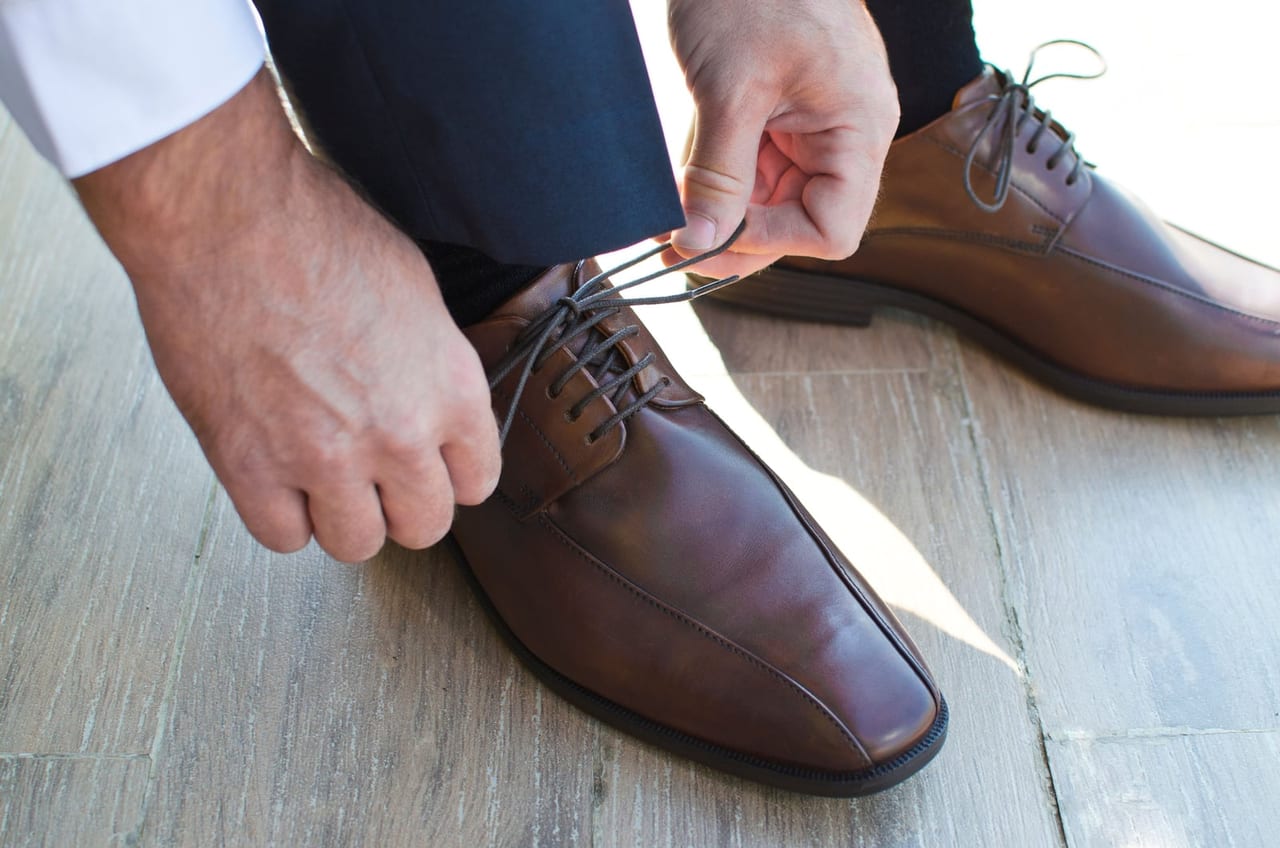
Somewhere in the second half of a long shift, a pair of shoes that felt fine in the morning starts to feel different. The heel slides a little with each step, or the laces begin to press across the top of your foot, and it's easy to assume the shoes themselves are the problem. Before blaming them, it's worth looking at the laces, because the same pair can hold your foot well or badly depending on how they run.
The two complaints seem to pull in opposite directions. A sliding heel suggests tighter laces, while pressure across the top of the foot suggests looser ones, so it looks as if the shoe can't do both. The trouble may be that one pull of the laces is being asked to do two different jobs.
The short answer
Lace from the toes up with even tension, so your heel is held without the laces squeezing the top of your foot. If your heel slips, add a heel lock at the top eyelets, and if the laces press on one spot, skip a crossing there. As your feet swell later in the day, loosen the laces over the top. Lacing can't make a shoe the right size, since toes that touch the front usually mean the shoe is too small. If numbness or tingling doesn't settle after you loosen your laces, or pain on the top of your foot lasts for weeks, talk with a healthcare professional.
Why lacing matters on a long shift
Over a long shift, small problems add up. If your heel rises a little with each step, it rubs against the back of the shoe and your foot slides forward, and a slipping heel is a sign that the shoe is too loose where it matters most. The reflex is to pull every lace tighter, yet the heel can still slip, because the hold that matters is around the ankle.
What tightening does do is press harder on the top of your foot, and over a long shift that pressure lasts for hours: a shoe that's too tight over the top can leave the foot sore, numb or tingly. Feet that aren't average add to the trouble: wide or narrow feet, or a high instep, may not suit the way a shoe was laced in the box, and a few changes to the lacing can adjust the fit where you need it. Insoles change this picture too, as insole fit basics explains.
How to lace for a long shift
A heel lock is aimed at a slipping heel: it uses the extra eyelet that many athletic shoes have at the top, often left empty, and snugs the collar around your ankle so the rest of the laces can stay comfortable. The steps below suit most lace-up work shoes and sneakers, and boots with hooks are covered in the next section. Allow ten minutes the first time, and do it in the socks you work in.
Loosen the laces and seat your heel
Loosen the laces all the way down and slide your foot in. Tap your heel against the back of the shoe so it sits in the heel cup.
Tighten evenly from the toes up
Snug each crossing in turn, starting at the eyelets nearest your toes, so the pressure is even along your foot.
Add a heel lock if your heel slips
At the top, run each lace up into the last eyelet on the same side to make a small loop. Cross the laces, thread each through the opposite loop and pull down to snug your ankle.
Leave a window over a pressure spot
Where the laces press on the top of your foot, skip the crossing: run each lace straight up the same side to the next eyelet, then cross again above it.
Walk, then adjust
Walk for a minute. Heel lifting: snug the lock. A line pressing on the top of your foot: move the window there. Toes touching the front when you stand: the shoe is likely too small, and lacing will not change that.
Loosen over the top later on
If your shoes feel tight by afternoon, loosen the laces over the top of your foot but keep them snug at the heel.
Plan to check the laces again later in the day. Feet swell a little over hours of standing and walking, so laces that felt right in the morning can press by afternoon, and if your shoes feel tight then, loosen them over the top and keep the heel snug. This is where the heel lock earns its place: because it holds the heel on its own, you can ease the laces over the top of your foot on a break without giving up the hold at the back.

Lacing for your feet and your footwear
Shoes with two rows of eyelets give you more options, and the adjustments follow the shape of your foot. For a high instep, leave a window where the top of your foot is highest, or skip two crossings there, so the laces run up the sides instead of across the top. A wide forefoot does better with the lowest crossings kept loose, while a narrow foot can use eyelets farther from the tongue, which draw the sides of the shoe in closer, along with a heel lock to hold the heel.
Boots with hooks need a slightly different approach. Where the laces cross at the ankle, one extra twist can hold the lower laces snug, and the top hooks can be laced a little looser so the boot can bend when you crouch. Fitting insoles in boots is covered in insoles for work boots. Whatever the footwear, replace laces that are frayed or stretched, and choose a length with enough spare for a heel lock and a double knot.
Underfoot, the insole matters too. A heel lock keeps your heel down, and the insole decides what it rests on, so a thick insole can lift a heel that the laces are otherwise holding. That's worth remembering if a pair that laced well starts to slip after the insoles change.
When foot discomfort may mean more than lacing
Some of what you notice at the end of a long shift is ordinary. Faint lace marks that fade after you take your shoes off are common, as is a foot that feels better across the top once the laces are loosened. Tiredness that eases with rest is simply part of a long shift.
Pay closer attention if numbness or tingling stays after you loosen your laces. The same goes for pain on the top of your foot that builds over several weeks, or one foot that swells far more than the other. If your toes touch the front, the shoe is usually too small, and how to measure your feet shows how to check your size.
Questions people ask
How tight should shoelaces be?
Snug enough at the heel and ankle that your heel stays down when you walk. Over the top of your foot, they should be easy enough that you don't feel them pressing. If your shoes feel tighter by afternoon, loosen the laces over the top and keep the heel snug.
How do I stop my heel from slipping out of my shoes?
Try a heel lock, which uses the top eyelet to snug the ankle without tightening the rest of the shoe. If your heel still slips, the shoe may be too big, or a thick insole may be lifting your heel.
How should I lace shoes for wide feet?
Keep the lower laces loose and skip a crossing near the toes if the forefoot feels squeezed. If the shoe has two rows of eyelets, the ones nearer the tongue can leave more room. If it still pinches, a wider fit is likely to help more than lacing.
The bottom line
The foot inside a shoe isn't the same at the end of a shift as at the start, and laces are the one part of the fit that can change along with it. Holding the heel and sparing the top of the foot sound like opposite demands, but they belong to different parts of the shoe, and lacing can give each its own tension.