What to Look For in Walking Shoes
A good walking shoe doesn't need to be complicated. Most of what matters comes down to fit, flex and a heel that stays put.

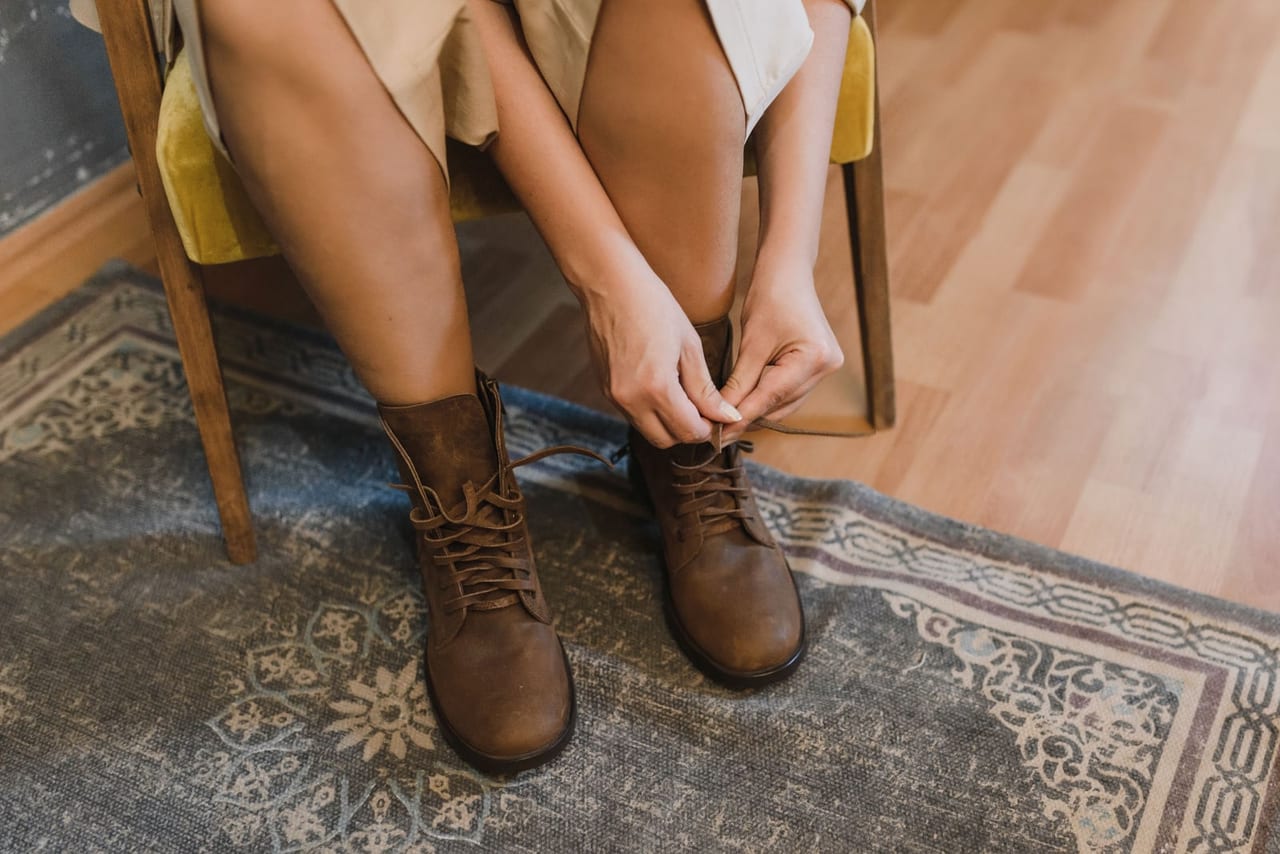
Somewhere in the second mile of a long walk, a shoe starts to tell you about itself. A heel that lifts a little on each step, a toe that touches the front, a sole that seems to fold in the wrong place: none of it was obvious in the store, and all of it is obvious now. The shoe hasn't changed since you tried it on; the walk has simply asked more of it.
In the store a shoe is judged by a few steps down an aisle, which says little about mile after mile of them. On the road it has to roll forward with you, bend at the ball of the foot and keep your heel in place.
The short answer
Look for about half an inch of room in front of your longest toe and a firm heel that holds your foot, with cushioning under the heel and the ball of the foot and a sole that bends where your foot bends. A breathable upper and a removable footbed are worth having too. Try shoes on later in the day with the socks you walk in, choose a pair that feels right from the start and replace them as the cushioning wears out. If foot pain lasts for weeks, or you notice numbness or tingling, talk with a healthcare professional.
What your feet do on a walk, and what a shoe has to match
Most walking steps begin with the heel touching down. Cushioning under the heel softens that landing, and a firm heel counter, the stiff back of the shoe, keeps the heel from sliding around as your weight arrives on it. As the heel lifts, your foot rolls forward and bends at the base of the toes, mainly at the joints across the ball of the foot, which is the hinge you push off from on every step.
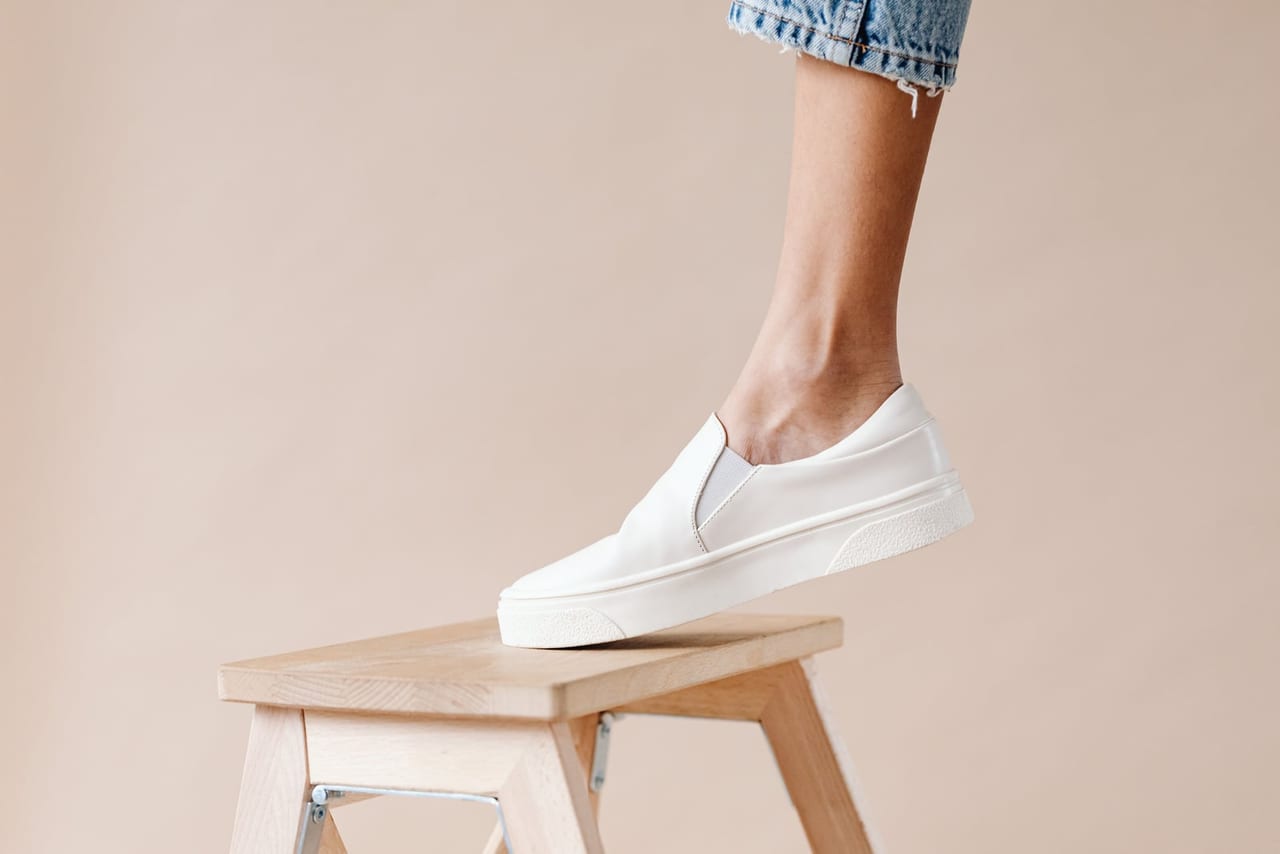
A shoe that bends in the same place works with that hinge and moves with you instead of against you. One that folds under the arch may give the middle of your foot little to rest on, and one that barely bends at all can make each step feel stiff. The bend test in the store, holding the heel and pushing the toe up, checks exactly this.
Feet sweat on a walk, and they're larger later in the day, so room at the toe and an upper that lets heat escape help keep a shoe comfortable over a long walk. The shoe changes too, more slowly: foam in the midsole compresses with every mile and also ages over time, and a pair can look fine long after it has stopped springing back. That's why fit and cushioning both belong on the list.
What to look for, feature by feature
Fit matters most, because a shoe with every feature below will still let you down if it's the wrong size. Look for about half an inch in front of your longest toe and room to wiggle your toes, with the ball of your foot sitting in the widest part of the shoe. If you're unsure of your size, start with how to measure your feet.
Underneath, you want enough cushioning under the heel and the ball of the foot to soften pavement, though very soft foam with little structure can leave your feet working harder to stay steady. The sole should bend easily at the ball of the foot, and a low heel and a sole that grips help give you secure footing on smooth or wet ground. At the back, a firm heel counter should hold your heel so it doesn't slip as you walk.
Above the foot, leather, canvas and mesh uppers tend to let heat and sweat escape better than plastic or patent ones. Last on the list is a removable footbed, which lets you swap in an insole of your own for extra cushioning or support under the arch on long walks.
How to check walking shoes in the store
These checks take a few minutes and work for any pair, from walking shoes to running shoes worn for walking. Bring the socks you walk in and your insoles, if you use them, since both take up room. Go in the afternoon if you can, when your feet are a little larger than in the morning.
Try them on late in the day
Try shoes on in the afternoon, when your feet are a little larger, wearing the socks you walk in and any insoles you use.
Check the room at the toe
Stand up and feel for about half an inch between your longest toe and the end of the shoe. You should be able to wiggle all your toes.
Squeeze the heel
Press the back of the shoe above the heel. A firm heel counter holds your heel in place; one that folds flat lets it slide.
Bend the shoe
Hold the heel and push the toe up. The shoe should bend at the ball of the foot, where your foot bends, not in the middle.
Twist it gently
Hold both ends and twist. A little give is normal; a shoe that wrings out like a towel may give your foot little to rest on.
Walk before you decide
Walk for a few minutes on a hard floor. The shoes should feel comfortable now, snug at the heel and roomy at the toes; do not count on breaking them in.
The last step is the one people skip, and it matters most. A pair that feels right on a hard floor in the store, snug at the heel and roomy at the toes, is the pair to take home; don't count on a tight pair breaking in. The first few walks tell you the rest, so keep them short at first.
Keeping your walking shoes in shape
Walking and running shoes are often replaced every 300 to 500 miles, but the signs matter more than the number: cushioning that no longer springs back, creased or flattened foam, uneven wear on the sole and a heel counter that has gone soft. Foam also ages, so even a pair that has sat in the closet can wear out. There's more in how to tell when your shoes are worn out.
Between walks, a few habits help. Wear moisture-wicking synthetic or wool-blend socks rather than all-cotton ones, which hold sweat, and if you walk most days, alternate two pairs so each gets a day to dry, away from heaters. Try new shoes on with the socks you plan to walk in, since thicker socks take up room.
When foot trouble may mean more than the wrong shoes
New shoes can feel a little different when you first put them on, and tired feet after a long walk are normal if they feel better after rest. Those aren't reasons for concern on their own, and neither is a shoe that feels a little snugger at the end of an afternoon walk than at the start, since feet are larger later in the day.
Pay closer attention if pain builds over several weeks, even in shoes that fit. The same goes for heel or arch pain that's sharpest with your first steps in the morning, or one foot that hurts far more than the other. Those are reasons to have your feet checked, not just to change shoes.
Questions people ask
Can I walk in running shoes?
Yes, many people do. Use the same checks: room at the toe, a firm heel, a sole that bends at the ball of the foot and cushioning that springs back. A pair that passes them is a walking shoe in everything but the name.
Should new walking shoes feel tight?
No. They should feel comfortable from the first try, snug at the heel and roomy at the toes. Don't count on a tight pair stretching; if it pinches in the store, it's the wrong size or the wrong shape for your foot.
Do walking shoes need arch support?
Support under the arch spreads pressure across more of the foot, and many people find it more comfortable on long walks. If the shoe has a removable footbed, you can take it out and add an insole without losing room inside the shoe. How it feels after a few miles is the guide.
The bottom line
Most of what makes a walking shoe good only shows in the second mile, which is why nearly everything worth looking for is a way of finding out early how a pair will behave there. A shoe that stays quiet for the whole walk is usually one that matched what your feet were doing.