A Warm-Up for Your Feet Before a Walk or Run
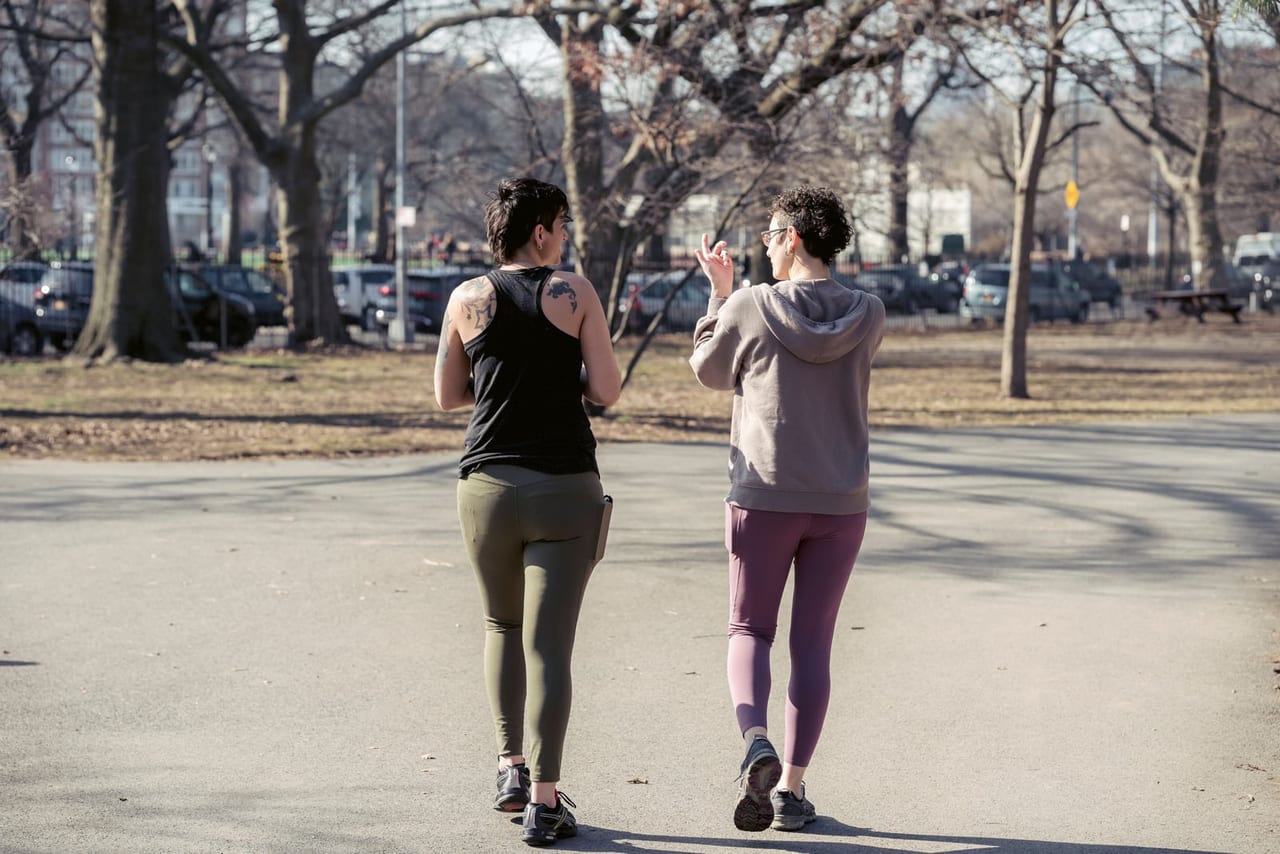
The first few minutes of a walk or run often feel stiff, especially first thing in the morning or after a day at a desk. A short warm-up gives your feet, ankles and legs a gentler way into the pace.

You climb out of the car or up from the couch, set off at a brisk pace, and your legs answer a little late. A chilly morning or shoes that pinch can make it worse, and going from sitting still to moving briskly is a big jump for the body to make all at once. It's tempting to push through, or to stop and stretch against a wall, and hard to know which is the better way to begin.
The short answer
A good warm-up is gentle movement, not long held stretches. A few minutes of easy walking, then ankle circles, heel and toe walks, leg swings and calf raises, gets your joints moving and your blood flowing before you pick up the pace. Move slowly and gently, and stop any exercise that doesn't feel right. If you're recovering from an injury or surgery, or are unsure whether a new routine suits you, check with a healthcare professional first. Save longer stretches for the end, and get checked if pain starts during a walk and doesn't ease.
Why a warm-up helps your body get ready
Joints often feel stiff after sleep or a long sit, which is why the first minutes can feel clumsy. That kind of stiffness is common and usually eases soon after you start moving. Easy movement also lets your heart rate and breathing rise little by little instead of all at once, and many people find the rest of the walk or run feels smoother for it.
Each step squeezes your calf muscles, which helps push blood from your lower legs back toward your heart. Walking is part of the warm-up, not just the main event. That's why the routine below begins with a couple of minutes of easy walking.
Why a warm-up is movement, not a long stretch
Many people start a walk with a long calf stretch against a wall. Gentle moving stretches, such as leg swings and ankle circles, suit the start better: they help get blood flowing and joints moving before activity. That fits what the first minutes need, since the stiffness you feel at the door eases with movement rather than with standing still. Keep them controlled, within an easy range, rather than flinging a leg as far as it will go.
Held stretches still have a place, and it's at the end. Holding a stretch for about 30 seconds, without bouncing, helps keep muscles flexible. It fits well when your muscles are warm and you're winding down, which is why longer stretches wait until after the walk or run.
A five-minute warm-up for your feet
You can do this routine outside your front door, in your walking or running shoes. Find a wall, fence or post to hold, keep every movement smooth and comfortable, and stop any move that doesn't feel right. The routine runs from easy walking through ankle circles, heel and toe walks and leg swings to a few slow calf raises, and it ends with easing into your pace.
Start with easy walking
Walk at a relaxed pace for a couple of minutes, or march in place, swinging your arms. Keep it easy enough that you could chat.
Circle your ankles
Hold a wall or post, or sit on a bench, and lift one foot. Circle the ankle slowly, about ten times each way, or fewer if that is enough, then switch feet.
Walk on your heels, then your toes
Take about ten small steps on your heels, then about ten on your toes, with a hand near a wall or rail if you need it.
Swing each leg
Hold a wall or fence and swing one leg gently forward and back, about ten times, keeping the swing small and controlled. Switch legs.
Add a few slow calf raises
Rise onto the balls of both feet, pause, then lower your heels slowly. About ten is plenty before a walk.
Ease into your pace
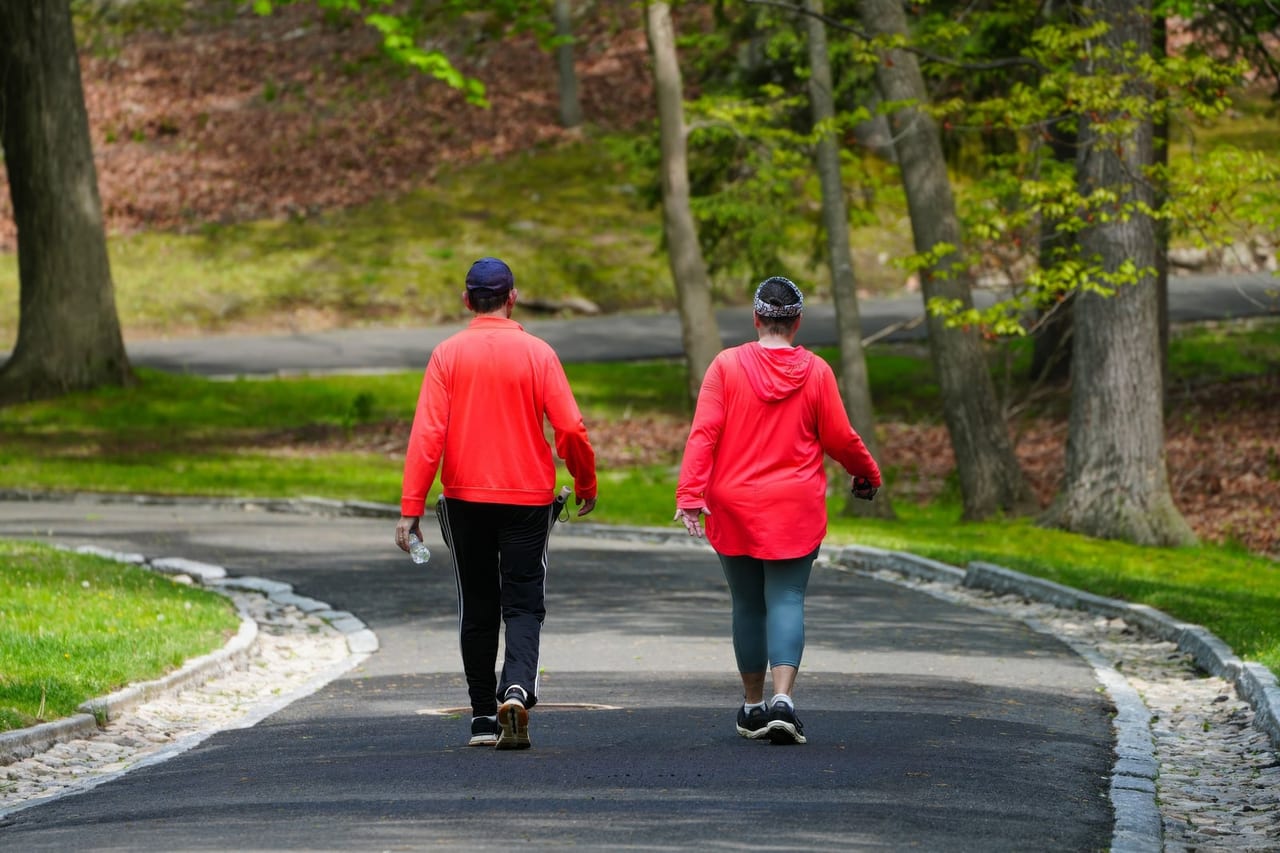
Set off slowly for the first few minutes, then build up to your usual speed once your legs feel loose.
A few minutes is enough before an easy walk. A faster walk or a run may call for a little longer. Either way, start slowly and build up, setting off gently for the first few minutes and reaching your usual speed once your legs feel loose. On a morning when time is short, keep the easy walking at the start and the gradual build at the end, and trim the moves in between to a few of each.

What you walk in matters
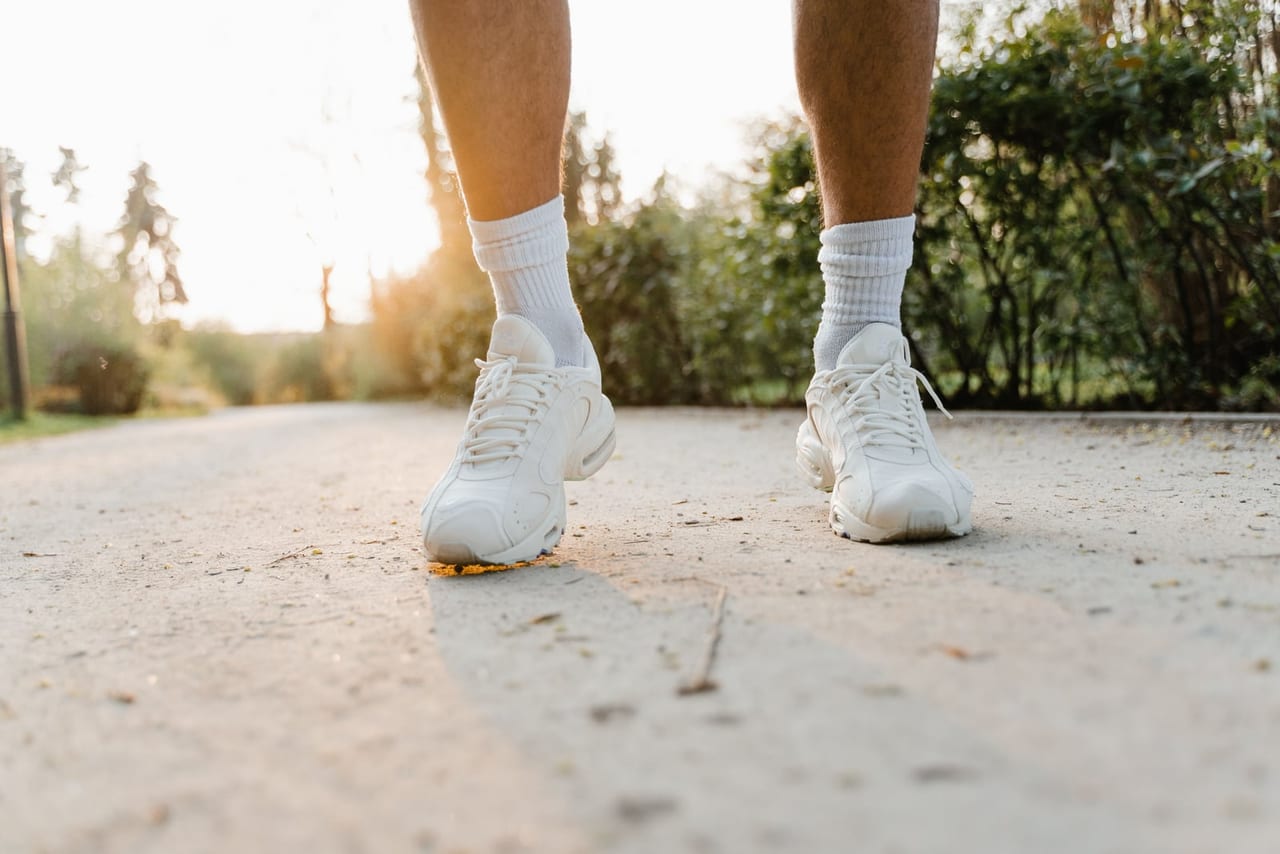
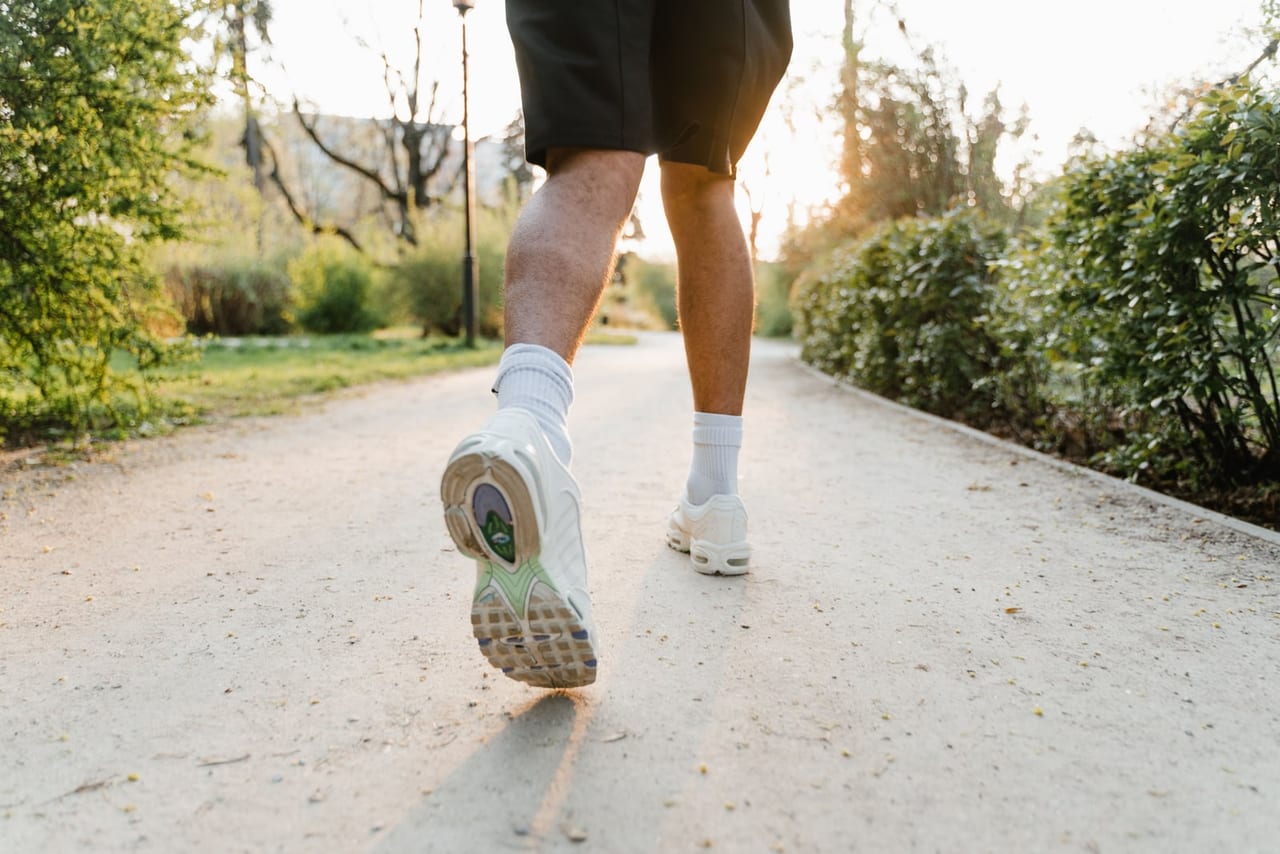
A warm-up gets your body ready, but your shoes and socks carry you for every step after it. A few checks help: leave about half an inch of room in front of your longest toe, make sure your heel doesn't slip, and try shoes on later in the day, when your feet are a little larger, with the socks you walk in. Lace snugly enough that your heel stays put, but not so tight that the top of your foot feels pressed or tingly.
Cushioning matters too. Foam wears down with use and with age, so a pair can look fine long after it stops springing back, and walking and running shoes are often replaced every 300 to 500 miles. If your walks have started to feel flat from the first step, even after a warm-up, it's worth checking how much spring your shoes have left. There's more on choosing a pair in what to look for in walking shoes.
Socks are easy to overlook. Moisture-wicking synthetic or wool-blend pairs stay drier than all-cotton ones, and damp skin rubs more easily, which makes blisters more likely. The ground matters as well, so warm up on a flat, even stretch of path before you head onto rough trails or hills.
When discomfort on a walk may mean something more
A little stiffness in the first minutes that fades as you warm up is common. So is some muscle tiredness after a longer or faster outing than usual. A mild pull in a warm-up movement is fine too, but pain is not, so slow down or stop that movement. It helps to notice which way a feeling is heading, since stiffness usually shrinks as you keep moving, while the kind of discomfort that deserves attention doesn't.
Pay closer attention if pain starts during your warm-up or walk and doesn't ease, or if one calf becomes painful, swollen or warm. Heel or arch pain that's sharpest with your first steps in the morning is worth noticing, too. It may not be serious, but it's a reason to get checked, and pain that keeps coming back deserves the same.
Questions people ask
Should I stretch before a walk?
Gentle movement makes a better start than long held stretches. Marching, ankle circles and leg swings get your joints moving, and a longer hold, such as a 30-second calf stretch, fits better at the end. Keep the swings controlled and within an easy range.
Do I need to warm up for a short walk?
Not strictly, because an easy first few minutes of walking is a warm-up in itself. A minute of ankle circles and marching can make those first steps feel smoother, especially first thing in the morning or after a long sit.
What should I do after a walk or run?
Slow down for the last few minutes, then try a gentle calf stretch, since held stretches fit well at the end. Hold it about 30 seconds without bouncing, while your muscles are still warm. At home, take out damp insoles so they can air out.

The bottom line
The rough start to a walk comes from asking the body to jump from still to brisk, and a warm-up simply gives it a ramp instead. That ramp doesn't need to be long or elaborate. It's less a routine to master than a habit of not starting at full speed.