How to Walk With Good Form: Posture, Stride and Push-Off
You've walked for most of your life, so it can seem odd to think about how you do it. Yet small changes in how you hold your head, swing your arms and place your feet can make a fitness walk feel smoother, and practicing them takes only minutes.
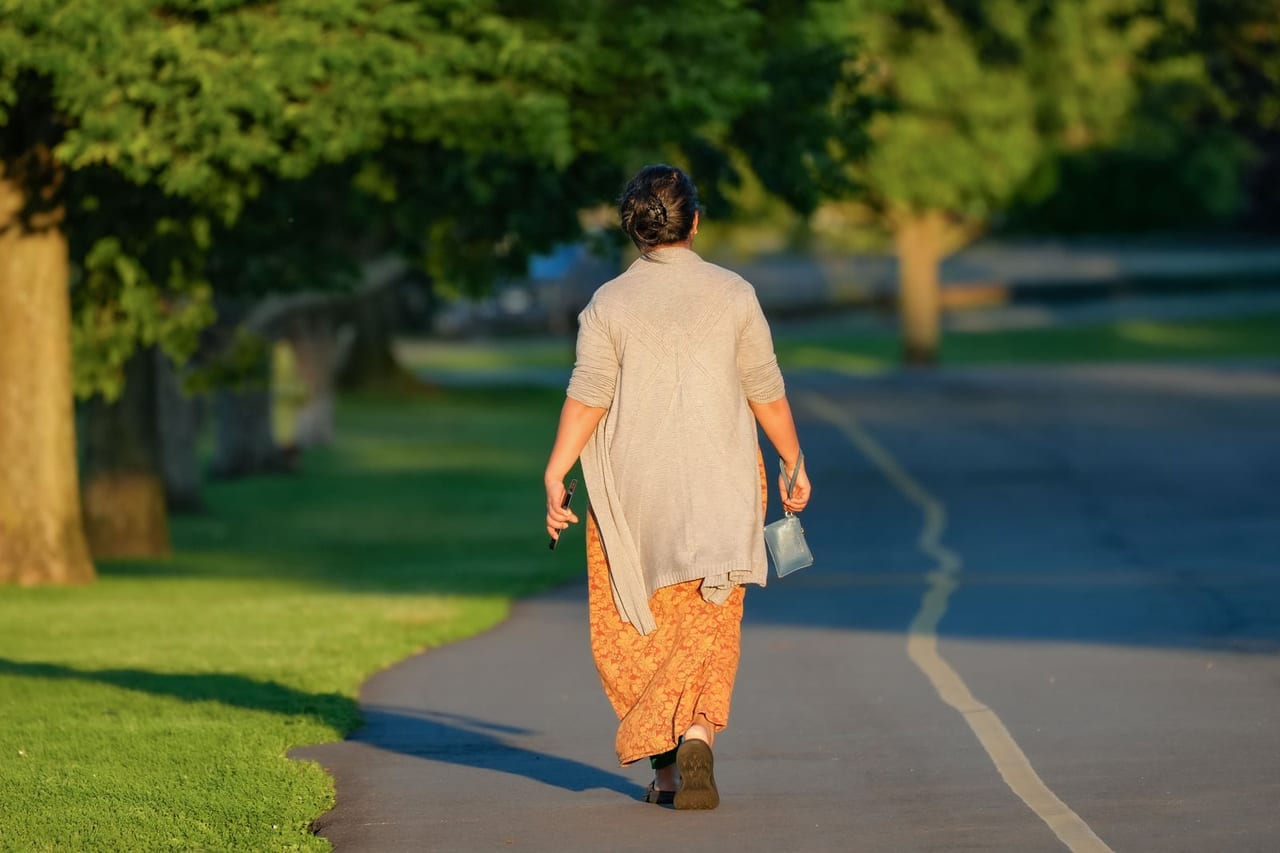
Catch your reflection in a store window mid-walk, and it can come as a surprise. The head sits a little ahead of the shoulders, the shoulders have crept toward the ears, and the eyes are fixed on the sidewalk. Nothing hurts, exactly. It just isn't the walk you picture when you imagine yourself out for a brisk one.
Walking is so automatic that habits slip in unnoticed. The posture of a day at a desk or over a phone comes along for the walk, and when you're in a hurry, the instinct is to reach farther with each step. Neither feels like a mistake, yet both can make an ordinary walk harder work than it needs to be.
The short answer
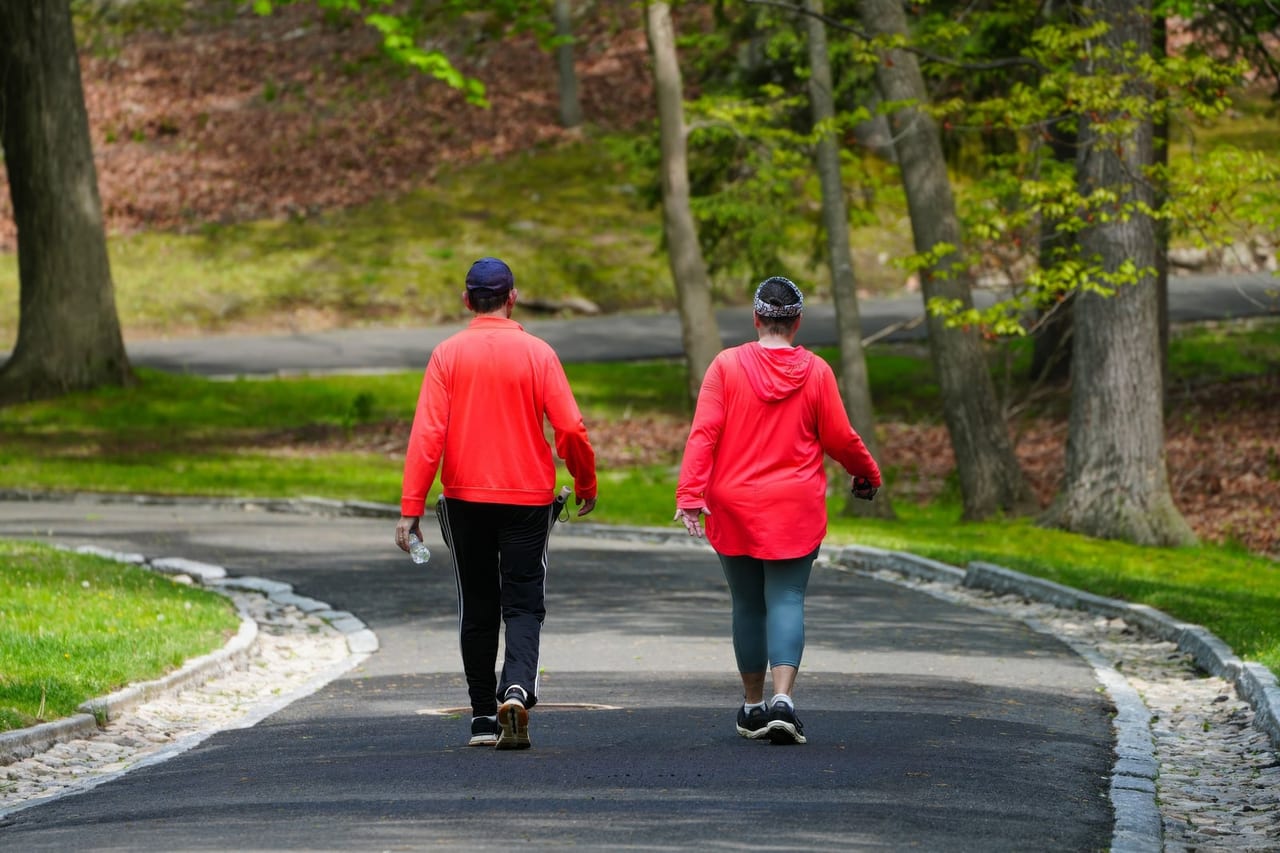
Good walking form starts with standing tall, eyes about 10 to 20 feet ahead, shoulders relaxed and stomach muscles lightly tightened. Bend your arms and swing them forward and back. Land on your heel not far in front of you, roll through to the ball and push off from your toes; to go faster, take shorter, quicker steps, not longer ones. Change one thing at a time. If you're recovering from an injury or surgery, ask a healthcare professional before you start, and get checked if walking brings pain that doesn't ease, numbness or trouble bearing weight.
What happens in a single walking step
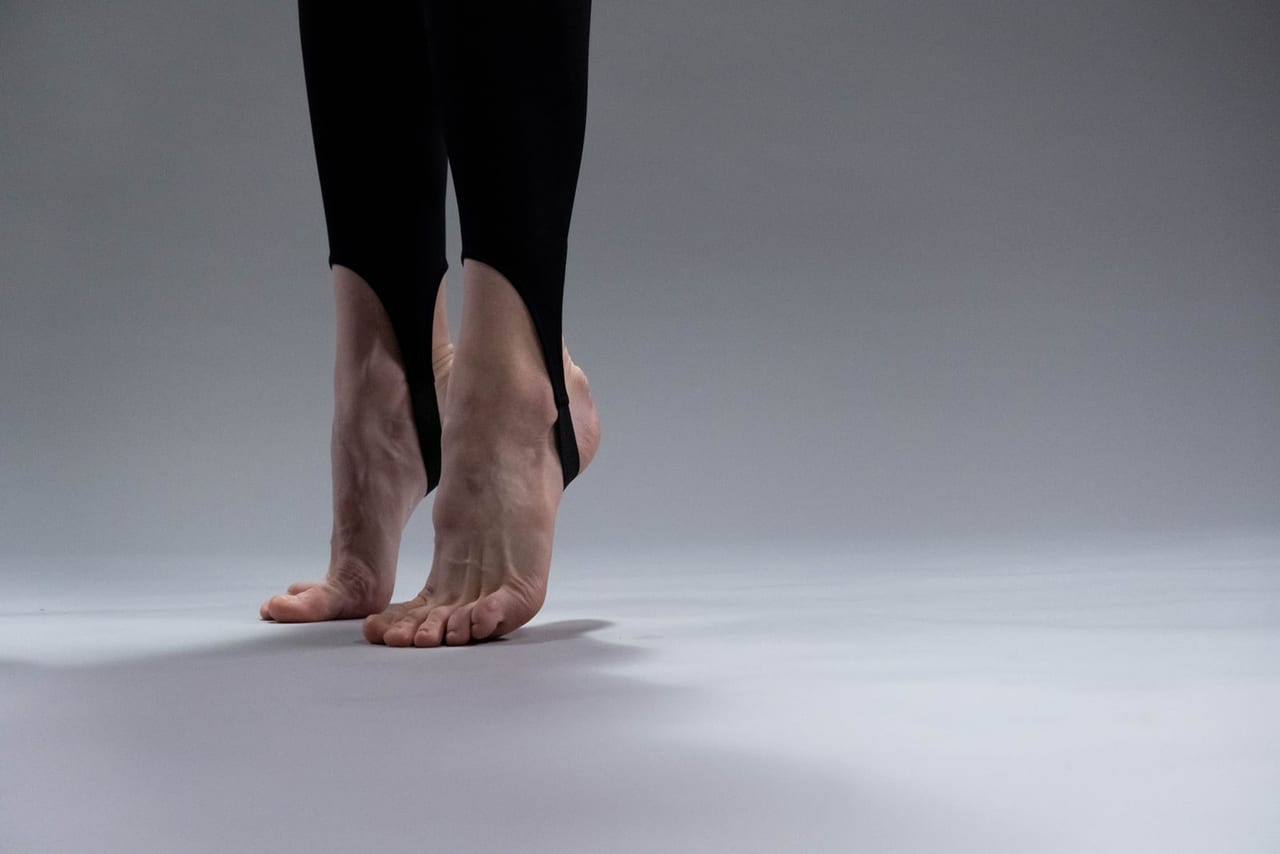
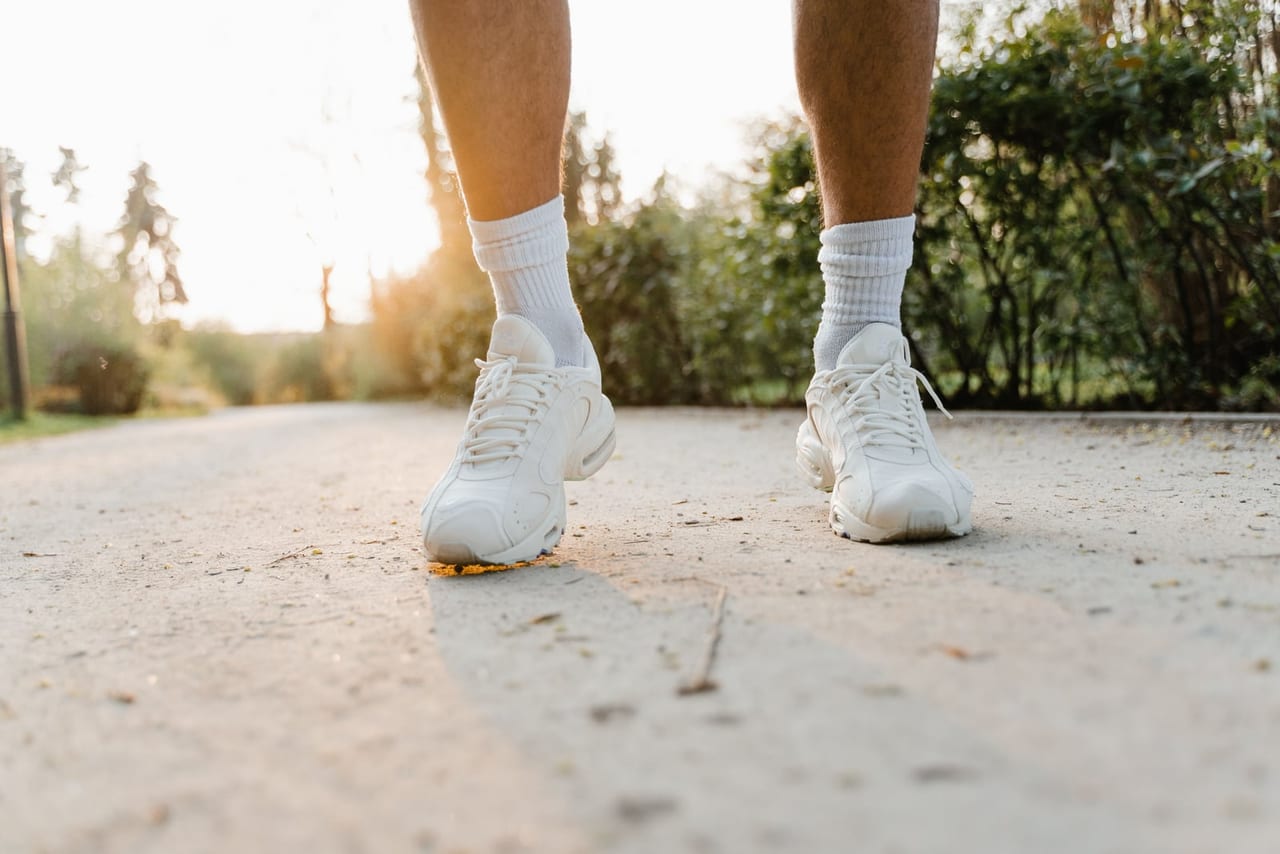
Most walking steps begin with the heel touching down a little in front of you. As your body passes over that foot, the sole settles onto the ground, then the heel lifts and the foot bends at the ball, across the base of the toes. The calf muscles, pulling on the heel through the Achilles tendon, supply much of the push, and the big toe is usually the last part of the foot to leave the ground.
Everything above the feet affects how smoothly that sequence runs, from the arms, which swing forward with the opposite leg, to the head. When the head drifts forward to watch the ground, the upper back rounds to follow, which can strain the neck and make deep breaths harder to take. Good form, then, is less a pose you hold than a sequence you let run. When it flows, a walk tends to feel easier, and going a little faster or longer comes more readily. The foot's share of the work is covered in how your feet work.
Head, shoulders and arms: the upper half of good form
Start with your eyes, because the head follows them. Looking about 10 to 20 feet ahead, rather than at your feet, lets your head settle back over your shoulders while you still see the path coming up. A quick glance down at a curb or a rough patch makes sense; the habit to drop is the long, fixed stare at the pavement or at a phone.
Then stand tall, as if a string were lifting you from the crown of your head. Let your shoulders come back and down, away from your ears; a shrug and a drop finds the spot. Tighten your stomach muscles a little, enough to keep your back straight without arching or rounding it. Leaning forward from the waist when you're in a hurry brings back the hunch from another direction.
At an easy pace, your arms can swing freely with a slight bend at the elbow. For a brisk walk, bend them closer to a right angle and swing them forward and back, close to your sides rather than across your body. Bent arms swing faster than straight ones, and your legs tend to keep time with them, so quicker arms help set a quicker pace.
Stride and push-off: why longer steps aren't faster
When it's time to speed up, the natural move is to reach farther with the front foot. Long strides may feel like they cover more ground, but they tend to slow you down. The heel lands well ahead of your body and can act like a small brake, one you have to roll over before pushing off again.
Instead, let the front foot land not far ahead and take quicker steps rather than longer ones. Keep your toes lifted a little as the heel touches down, then roll smoothly from heel to ball instead of landing flat with a slap. That roll makes it easier to walk faster, and a softer, quieter step is the sign it's working.
The power for the next step comes from behind you. As your back heel rises, bend at the ball of the foot and push away through the toes, as if showing the sole of your shoe to someone walking behind you. That push, not a long reach in front, is what carries you forward at a brisk pace.
A five-minute form check for your next walk
The check runs from the top down, one cue at a time, in the easy opening minutes of an ordinary walk. You need only your usual walking shoes and a flat, familiar route, ideally after a short warm-up for your feet. Move slowly and gently, and stop anything that doesn't feel right. If you're recovering from an injury or surgery, check with a healthcare professional before you change the way you walk.
Stand tall and look ahead
Walk at an easy pace for a minute, lifting through the crown of your head. Look about 10 to 20 feet ahead, with your chin level.
Relax your shoulders and brace lightly
Shrug your shoulders toward your ears, let them drop and keep them loose. Tighten your stomach muscles a little without holding your breath.
Bend your arms and let them swing
Swing your arms forward and back, close to your sides, with a bend at the elbow and loosely curled hands. Bend them closer to a right angle as you speed up.
Land on your heel, not far ahead
Let each heel touch down just in front of you, toes lifted, then roll smoothly through to the ball. Listen for a soft, even step rather than a slap.
Push off from your toes
As your back heel rises, bend at the ball of the foot and push away through your toes, as if showing your sole to someone behind you.
Speed up with quicker steps
To pick up the pace, take shorter, quicker steps and let your arms set the rhythm. Keep it easy enough that you could still talk.
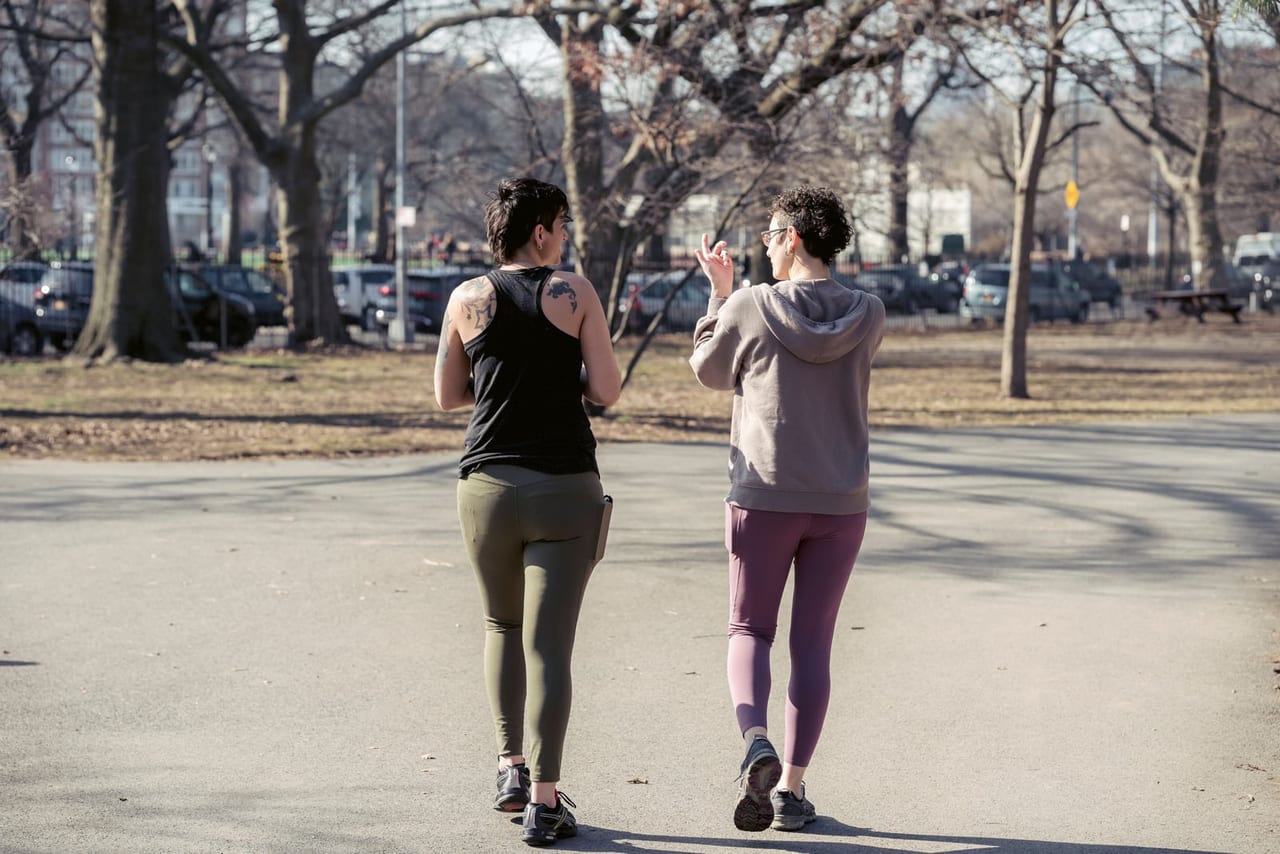
Trying every cue at once tends to make a walk stiff and self-conscious, so pick one or two per outing and let the rest of the walk simply be a walk. A new habit often feels awkward before it feels natural. A short video taken from the side often shows what your own sense of your stride misses: a head that juts, an arm that barely moves, a heel landing far out in front.
Routes, shoes and building up time
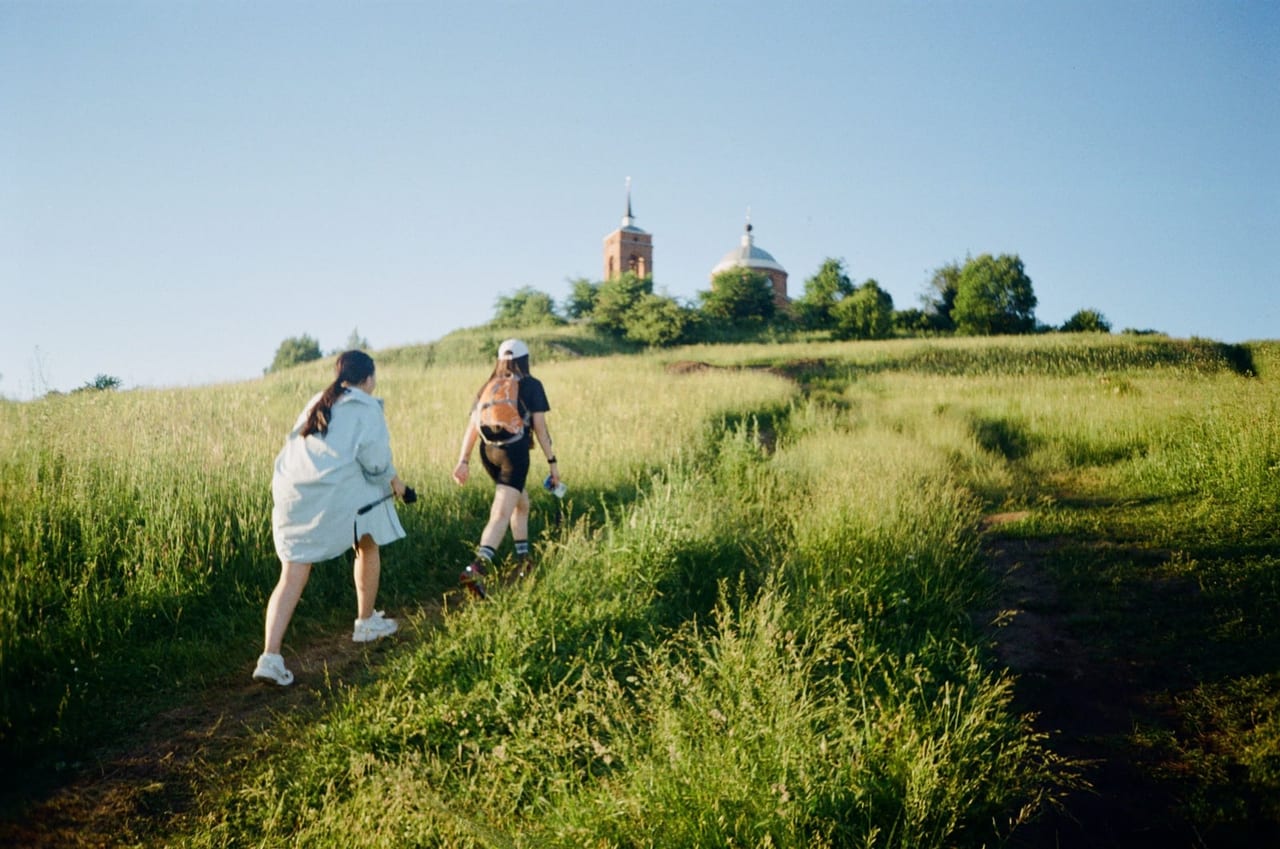
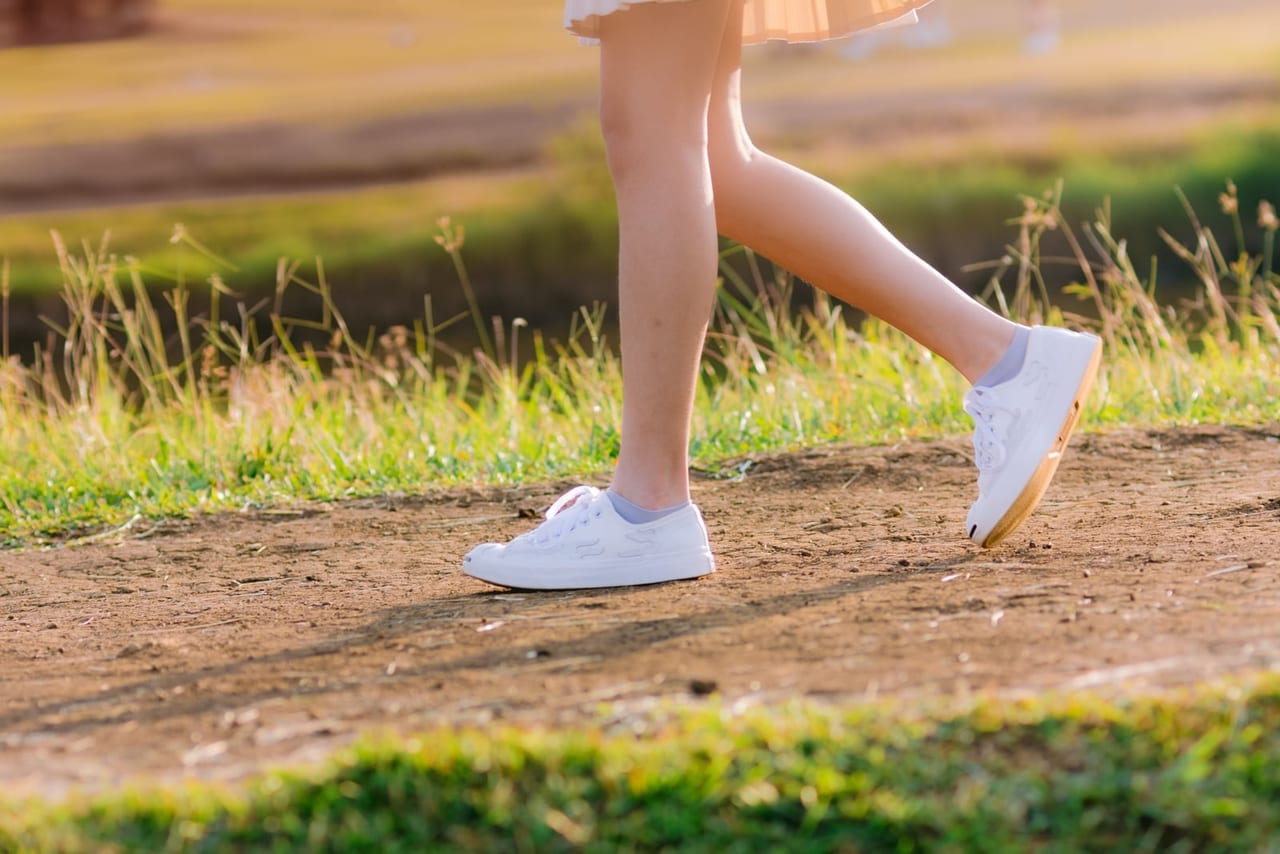
Flat, even ground, like a park path or a track, is the easiest place to practice, because your attention can stay on your body rather than your footing. Once the cues feel familiar, gravel, grass or a gentle trail makes a good test. Shorter steps tend to feel steadier there, and your eyes will dip more often before returning to the path ahead.
Shoes shape your stride, too. A heel-to-toe roll comes more easily in a shoe that bends at the ball of the foot, holds your heel firmly and leaves about half an inch of room in front of your longest toe; there's more in what to look for in walking shoes. Because old habits tend to creep back when you're tired, adding a few minutes at a time keeps most of each walk in the range where form comes easily.
When a change in your walk may mean something more
A new way of walking can feel odd for a while, and your calves or the fronts of your shins may work harder at first. Some muscle tiredness after a longer or faster walk than usual is common, and it tends to ease with rest. Easing back for a few days is a reasonable response.
Pay closer attention to a change in your walk that you didn't choose. Favoring one foot, a step that has started to feel uneven or the front of a foot catching on the ground is worth having checked rather than corrected with form cues. So is pain during a walk that doesn't ease, numbness or tingling, or trouble putting weight on a foot.
Questions people ask
Should you walk heel to toe?
For ordinary walking, yes. Most steps start with the heel touching down, then the foot rolls forward and the toes push off. There's no need to strike hard or point your toes up sharply, since the heel simply lands a moment before the rest of the foot.
How should you breathe when you walk?
There's no special technique: breathe naturally and let your breathing quicken with the pace. Standing tall gives your chest room, while a hunched posture makes deep breaths harder. A brisk pace usually leaves you breathing harder but still able to talk, though not sing.
The bottom line
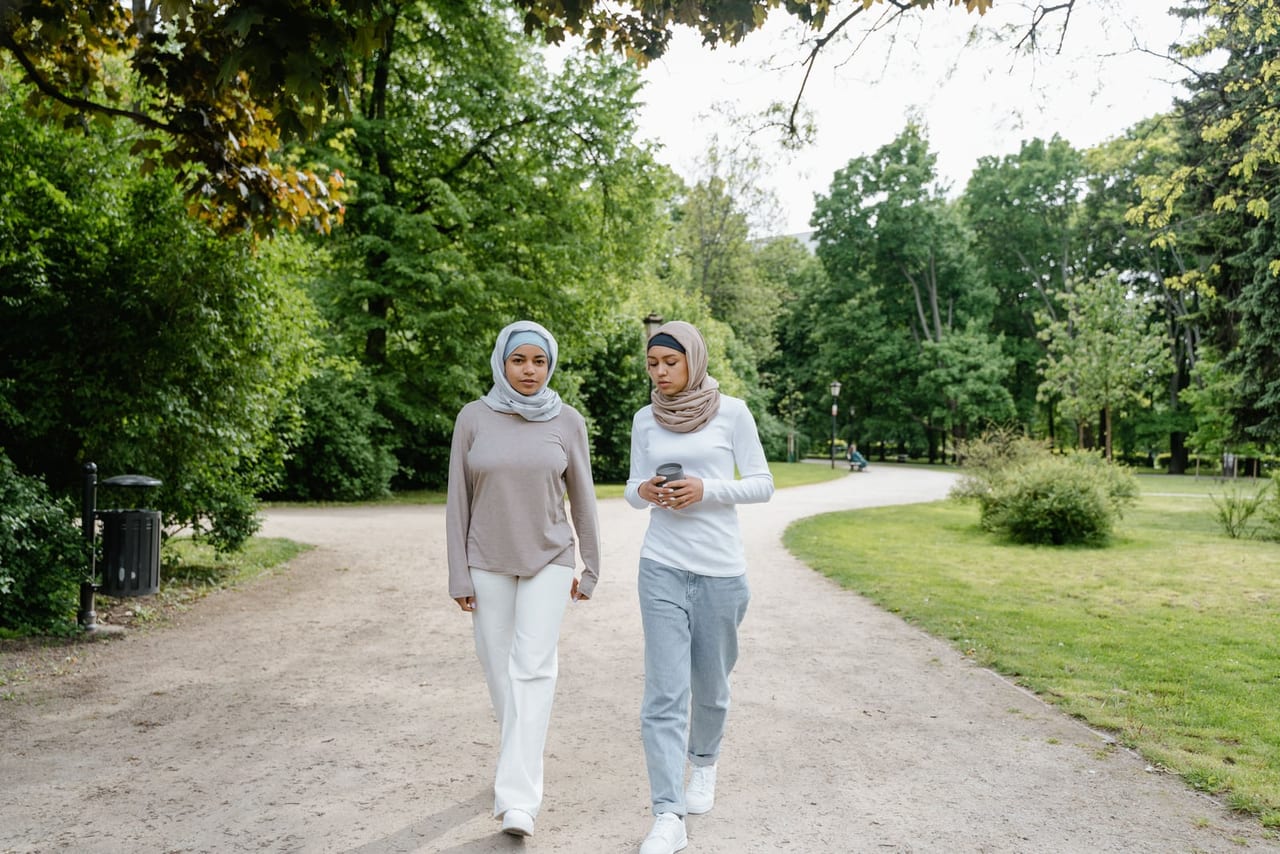
Walking is something you already know how to do, which is why good form is mostly a matter of clearing away what gets in its way: the lowered gaze, the raised shoulders, the reach of a hurried stride. What's left moves on rhythm rather than reach. It's the same walk, and it tends to feel lighter for it.