How to Keep Your Feet Comfortable on Long Flights and Road Trips
Hours in a seat can leave your feet swollen and stiff, and then the walking starts. A few habits in your seat and the right shoes in your bag can make both halves of a trip easier on them.
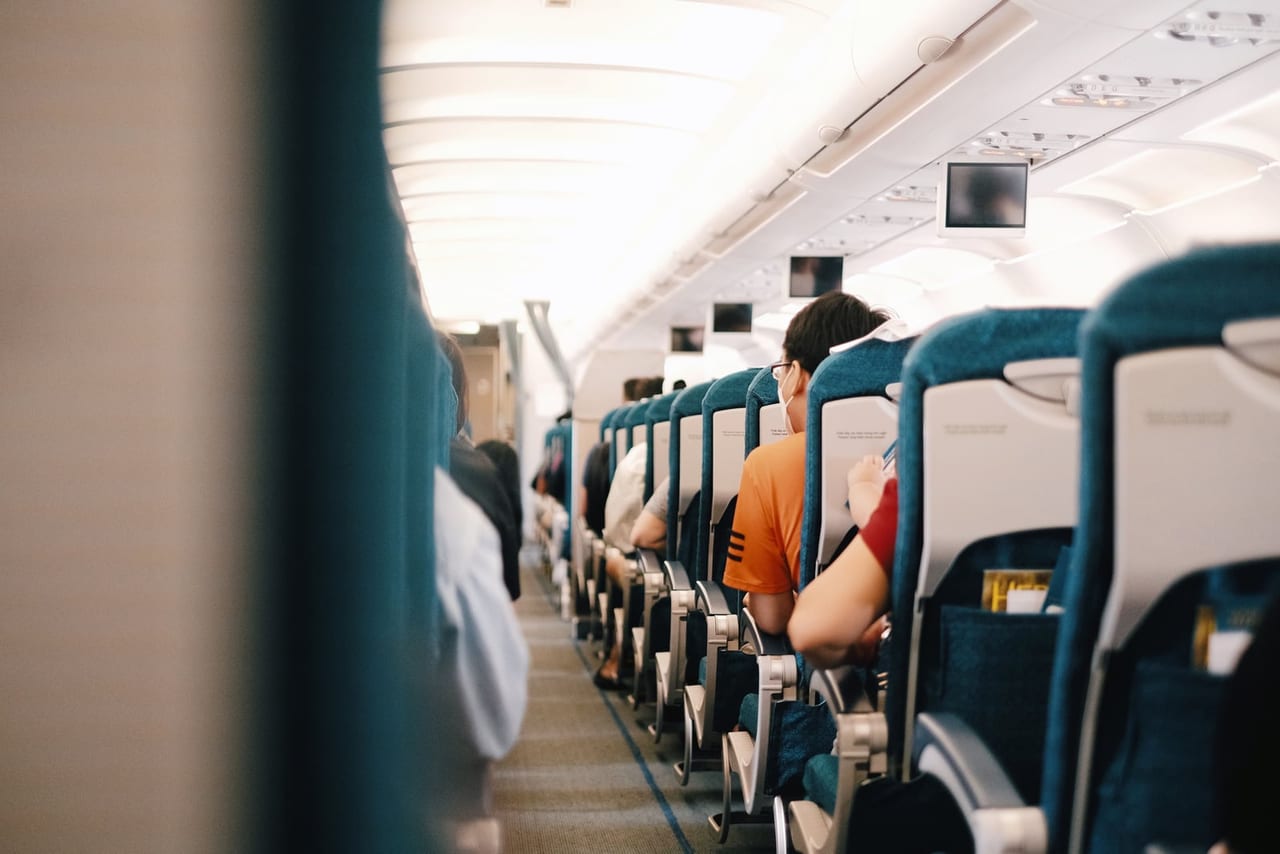
Somewhere past the third hour of a flight, you reach down to loosen a shoe and find that it has grown tighter since takeoff. Your ankles look a little puffy, your feet feel stiff, and when the seatbelt sign finally goes off, the first steps up the aisle are oddly awkward. Then the trip itself begins, and with it days of walking that would be unusual at home.
All of that is common, and it's easy to put down to the trip and assume it will pass. The walking days bring their own version, though: by the second evening of a sightseeing trip, hard streets and damp socks have your feet aching in a way the flight never did.
The short answer
Long trips keep you sitting still for hours, so your calf muscles barely work, fluid settles in your feet and ankles, and shoes can feel tight by the time you arrive. Then come long days of walking, often on hard ground. Moving your feet in your seat, getting up when you can, roomy shoes and dry socks all help. Swelling in only one leg, or a calf that is painful, red or warm, is a reason to get checked.
Why long trips are hard on your feet
In a plane, train or car seat, your feet rest on the floor with little room to shift, and they can stay that way for hours. Your calf muscles hardly work in that position, and fluid gradually settles in your feet and ankles. By the end of the trip, many people find their feet look puffy and their shoes feel snug.
Sitting still for long periods can also raise the chance of a blood clot in a deep vein of the leg. That's a different matter from ordinary puffiness, and the signs to watch for, such as a calf that's painful, tender, red or warm, or swelling in only one leg, are reasons to get checked. If you have a health condition, it's worth asking a healthcare professional what you should do before a long trip.
Once you arrive, the demands change completely. You may walk far more than you do at home, often on stone streets and hard floors that don't give, and feet that sweat inside closed shoes stay damp. Damp skin rubs more easily against a sock or a seam, which makes blisters more likely.
Why moving in your seat makes a difference
Your calf muscles do more than move your feet. Each time they tighten, they squeeze the veins inside them and help push blood and fluid back up toward your heart. Walking does this with every step, so for most of an ordinary day the work gets done without your giving it a thought.
Sitting still switches most of that off, and the fluid that would normally be moved along begins to settle. Heel lifts and ankle circles in your seat bring back a small version of the squeeze, because each heel lift works the calf muscles that do the pushing. A walk up the aisle, or around the car at a rest stop, brings back the real thing.
What you can do on the way
These moves are small enough for any seat, and nobody around you needs to notice them. Move gently and stop anything that doesn't feel right, and if you're recovering from an injury or surgery, check with a healthcare professional first. If you're driving, save them for your stops. More seated moves are in foot exercises you can do at your desk.
Travel in roomy, easy shoes
Choose comfortable shoes with a little room that are easy to slip on and off. Once you sit down, loosen the laces over the top of your foot.
Circle your ankles in your seat
Lift one foot slightly and draw slow circles with your toes, several times in each direction, then switch feet. Repeat whenever you remember.
Raise your heels, then your toes
With your feet flat, lift your heels as high as you can and lower them, then lift your toes and lower them. Each heel lift works your calf muscles.
Get up and walk when you can
On a flight, walk the aisle when it is safe to do so. On a road trip, stop regularly and walk around. A trip to the restroom or for water counts too.
Rise onto your toes while you wait
In the aisle, at a rest stop or at the gate, hold on to something steady and rise slowly onto your toes a few times, then lower your heels.
Freshen up when you arrive
Change into dry socks and let your shoes air out. In the evening, put your feet up for a few minutes and stretch your calves and soles gently.
The point isn't to work through the list in order but to keep coming back to it through the journey, since the squeeze from your calves stops as soon as you stop moving. Pairing the moves with things you already do makes that easier. Circle your ankles when the drinks cart comes by, lift your heels while a film loads, and rise onto your toes whenever you find yourself waiting in the aisle.
What to wear and pack
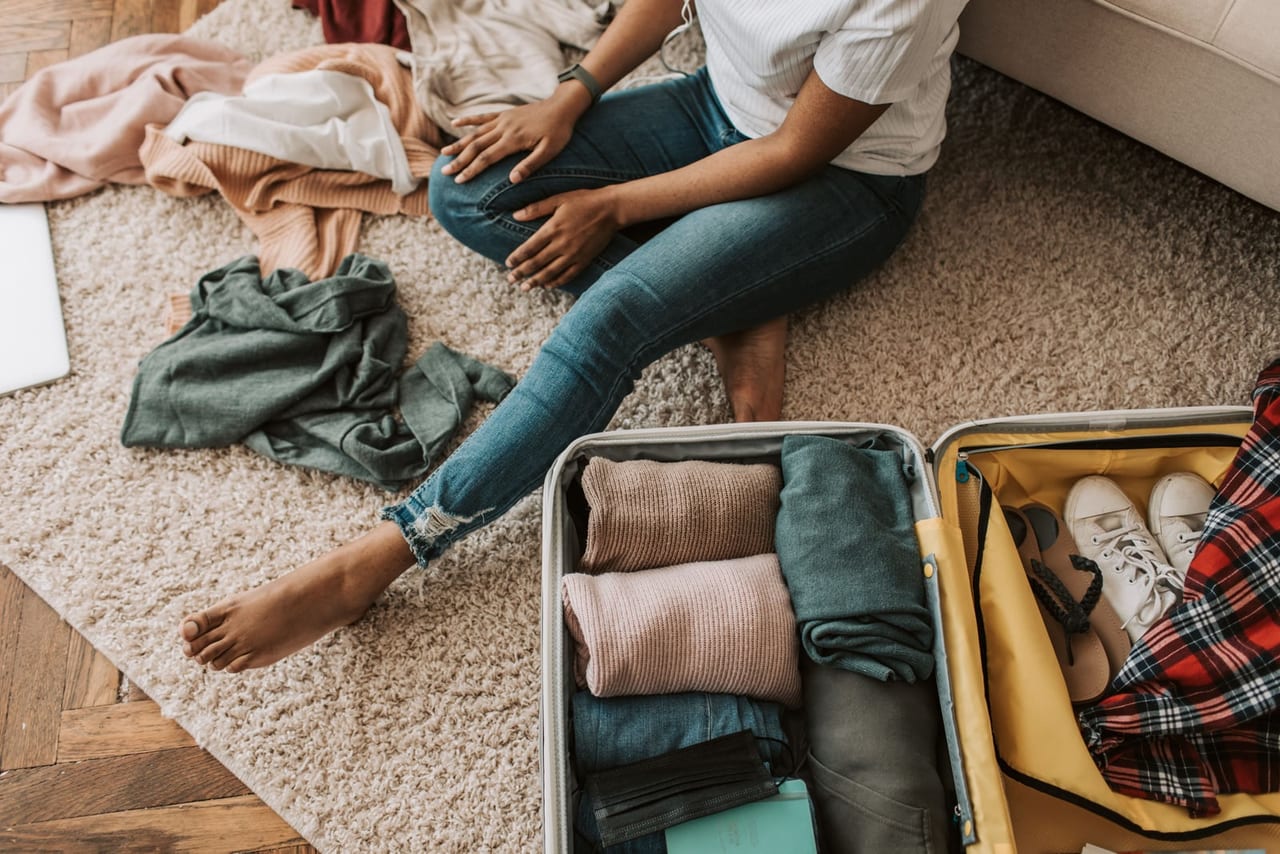
Start with the shoes you travel in. Pick a roomy pair with laces or straps you can loosen as your feet swell, and that goes back on easily at the end, when your feet are at their puffiest. Under them, choose smooth socks without a tight band at the top, in wool or synthetic blends that draw sweat away, and pack a spare pair so you can change into dry ones when you land. There's more on choosing them in socks for long days on your feet.
Compression socks come up whenever people talk about flying, and they may help some people's legs feel less heavy. They aren't right for everyone, though. If you have circulation problems, diabetes or another health condition, check with a healthcare professional before you try them.
For the walking days, pack a pair you've already walked in for hours. A shoe should feel comfortable from the start, and a pressure spot may not ease with more wear, so a trip is the wrong place to break in something new. Look at the insoles in that pair too, since stone streets and hard floors don't give, though not everyone needs to change them. If you can, take a second pair as well, so that each one has a day to dry while you wear the other.
When travel swelling may mean something more
Mild swelling in both feet and ankles after a long trip is common, and it usually goes down after a night of rest and a day of moving around. Faint sock marks at the ankles are common too. What you're looking for is swelling on both sides that fades once you're back on your feet.
Pay closer attention if the swelling is in only one leg, or if a calf is painful, tender, red or warm. The same goes for a dent that stays for more than a few seconds after you press the swollen skin. These are reasons to get checked rather than to wait and see.
Questions people ask
Why do my feet swell on long flights?
Sitting still for hours leaves your calf muscles idle, so the fluid they would normally help push back toward your heart settles in your feet and ankles instead. Moving your feet in your seat and walking when you can may help, and the swelling usually goes down after a night of rest. Swelling in only one leg is a reason to get checked.
How do I keep my feet comfortable on a walking vacation?
Pack shoes you've already walked in and a second pair to swap, wear moisture-wicking socks and change them when they get damp. In the evening, put your feet up and try a gentle routine such as the 5-minute foot stretch.
The bottom line
Much of the discomfort of a long trip comes from extremes: hours in which your feet do almost nothing, then days in which they do far more than usual. You can't always stand up on a flight or shorten a day of sightseeing, but a little movement in your seat and shoes you already trust soften both ends.