How to Pack Shoes for a Trip
Shoes are the bulkiest, dirtiest and most awkward things in a suitcase, and they're also the ones your feet will lean on hardest by the second day of a trip. A little thought about which pairs to bring and how to pack them keeps the shoes in shape and the clothes clean.
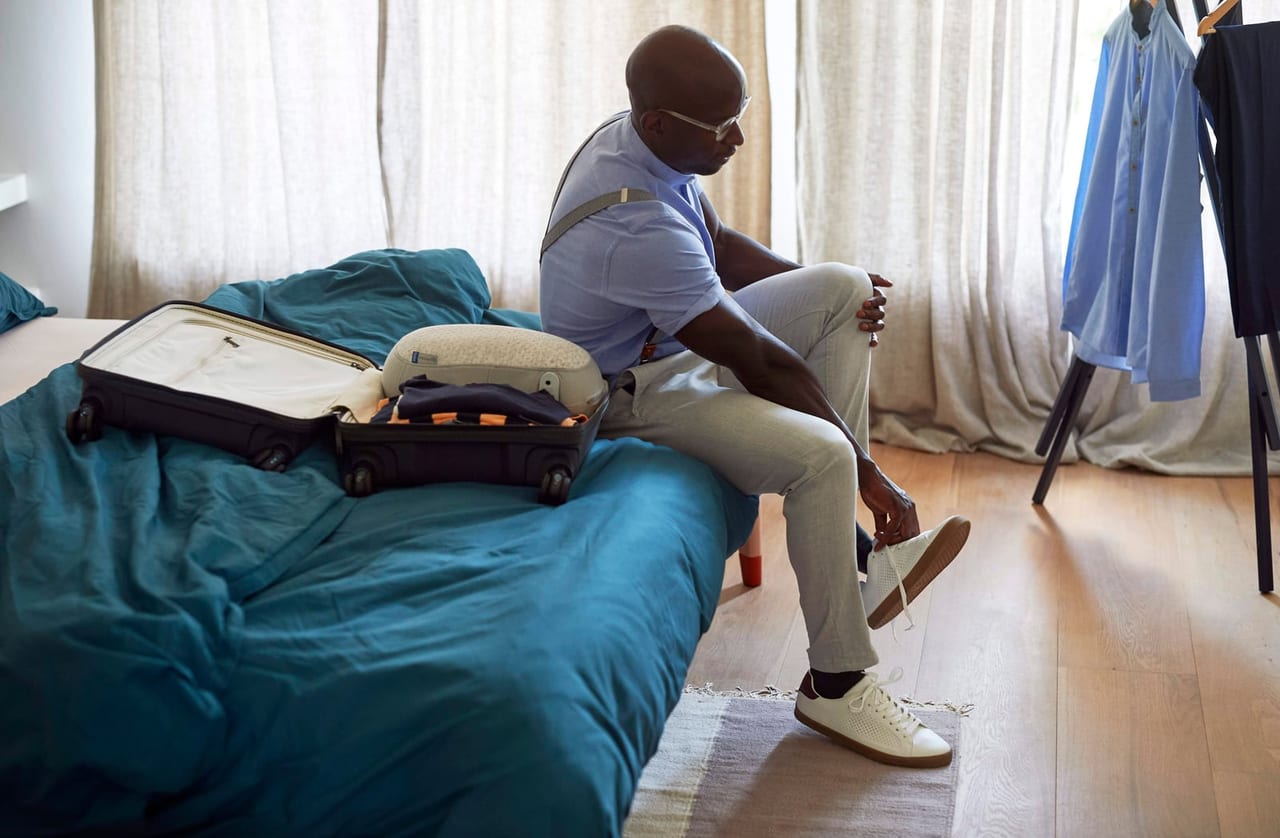
The suitcase is nearly full by the time you get to the shoes. On the floor are the sneakers you'll walk in all week, with dried mud still in the tread, a dressier pair you'd rather not see crushed, and sandals you may or may not need. The gap left in the bag is about the size of one shoe, and the folded shirts beside it are about to meet whatever those soles have walked through.
The short answer
Bring fewer pairs that cover more of the trip: one for walking, a dressier pair if you need it, and sandals if the place calls for them. Wear the bulkiest pair on the way. Clean and dry every pair before it goes in, fill each shoe with socks so it keeps its shape, and put each one in a bag so the soles stay off your clothes. Many packers set the shoes along the edges of the case, soles facing out, and keep anything heavy off them. Avoid packing damp shoes, sealing wet pairs in plastic, or breaking in a new pair on the trip itself.
After a long flight or drive, puffy feet are common, but swelling in only one leg, or a calf that is painful, red or warm, is a reason to get checked. The same goes for a blister or sore that isn't getting better.
What a suitcase does to a pair of shoes
A suitcase is a tight, shifting space, and shoes are the one thing in it that arrives dirty and damp. The soles carry grit and mud that can rub off on nearby clothes, and the lining and insole hold the sweat of the last few wears, so a pair sealed up in the dark can come out smelling stale. Trapped moisture also gives mold a chance, and a pair that feels dry outside can still be damp within.
Weight and squeeze do the rest. Soft sneakers can flatten, dress shoes can lose their shape and leather can crease under a stack of clothes, and a suitcase left in a hot car adds heat, which can soften the glue in a sole. Most of this happens quietly, so it often shows only when the case is opened.
Choosing the pairs that make the trip
The easiest shoe to pack is the one you leave at home. Packing advice tends to land on the same few pairs: a comfortable walking shoe for the longest days, a dressier pair only if the trip has an occasion for it, and sandals or shower shoes for a pool, a beach or a shared bathroom. A second everyday pair earns its room on long walking days or in wet weather, since each pair then gets a day to dry.
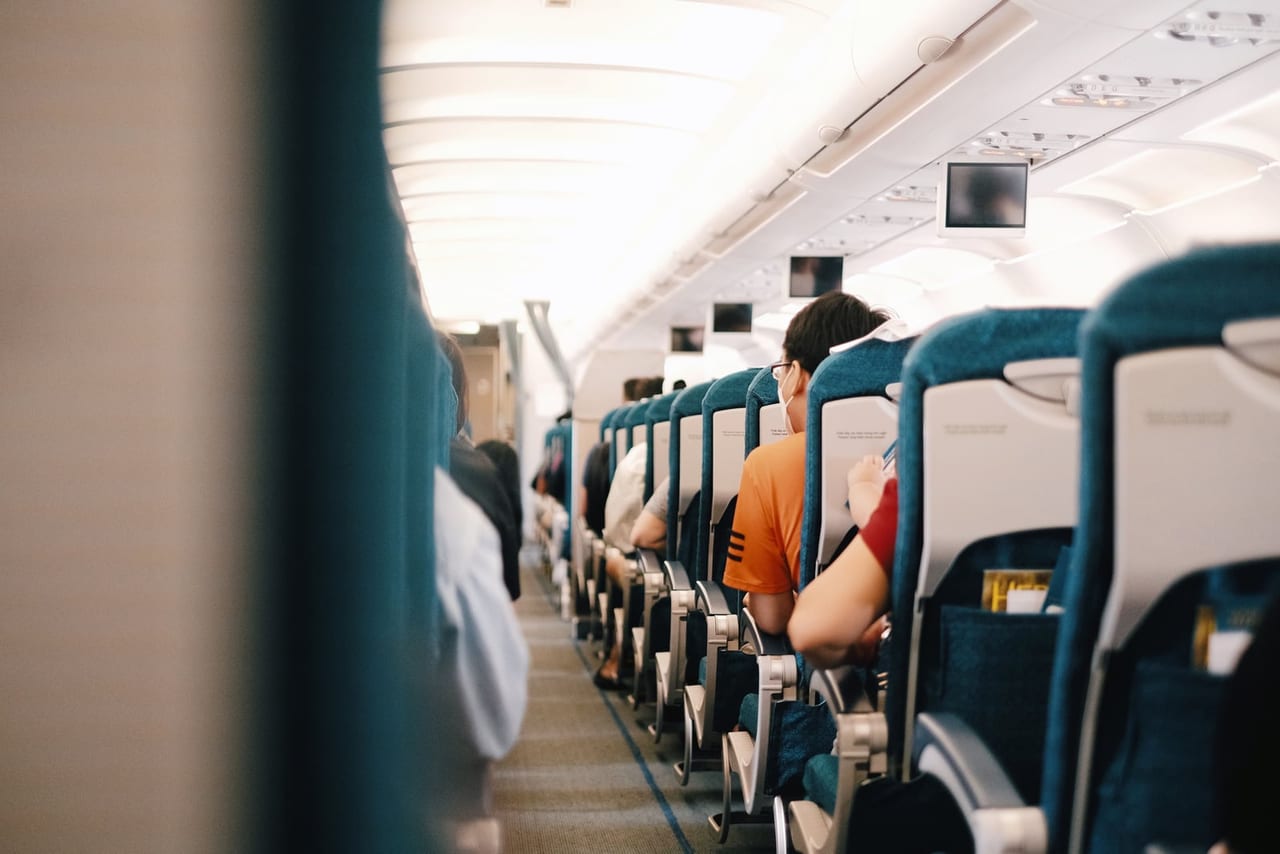
Then there's the pair on your feet. Many travelers wear their bulkiest shoes or boots on the way, since those take up the most room in a case, as long as they're comfortable for the whole day. Feet tend to swell after hours of sitting, so laces you can loosen help, and keeping your feet comfortable on long flights and road trips has more. Some airport checkpoints ask you to take your shoes off, and rules differ by airport and country and change over time, so slip-ons or easy lace-ups save fumbling either way.
Whatever you pack should be a pair your feet already know. A brand-new shoe is a common cause of rubbing on a long day, and a trip is a poor place to learn where it pinches. Wear new shoes around the house and on short outings beforehand, and why blisters form and how to avoid them explains what the early warning feels like.
How to pack shoes, step by step
Packing a pair takes about 15 minutes, plus a day or so for the shoes to dry, so start the day before you leave. You'll need clean socks or other small, soft items, a bag for each shoe, a soft brush or cloth and plain paper towels. Check the care label before cleaning anything leather or suede.
Choose the pairs
Pick one walking pair, a dressier pair only if the trip needs it, and sandals or shower shoes for a pool. Make sure each pair is already worn in.
Clean and dry each pair
Brush the dirt from the soles and wipe the uppers with a damp cloth, then let the shoes dry at room temperature with plain paper towels inside. Skip radiators, dryers and hot sun, and try not to pack anything damp.
Fill and bag every shoe
Stuff each shoe with clean socks or small soft items, enough to hold its shape without stretching it. Slip each one into a cloth bag, a shower cap or a reusable bag so the soles stay off your clothes.
Set them along the edges
Many packers lay shoes along the sides of the case, soles toward the shell, or low in the case. Pad the gaps with soft clothes and keep heavy items off the shoes.
Wear the bulkiest pair
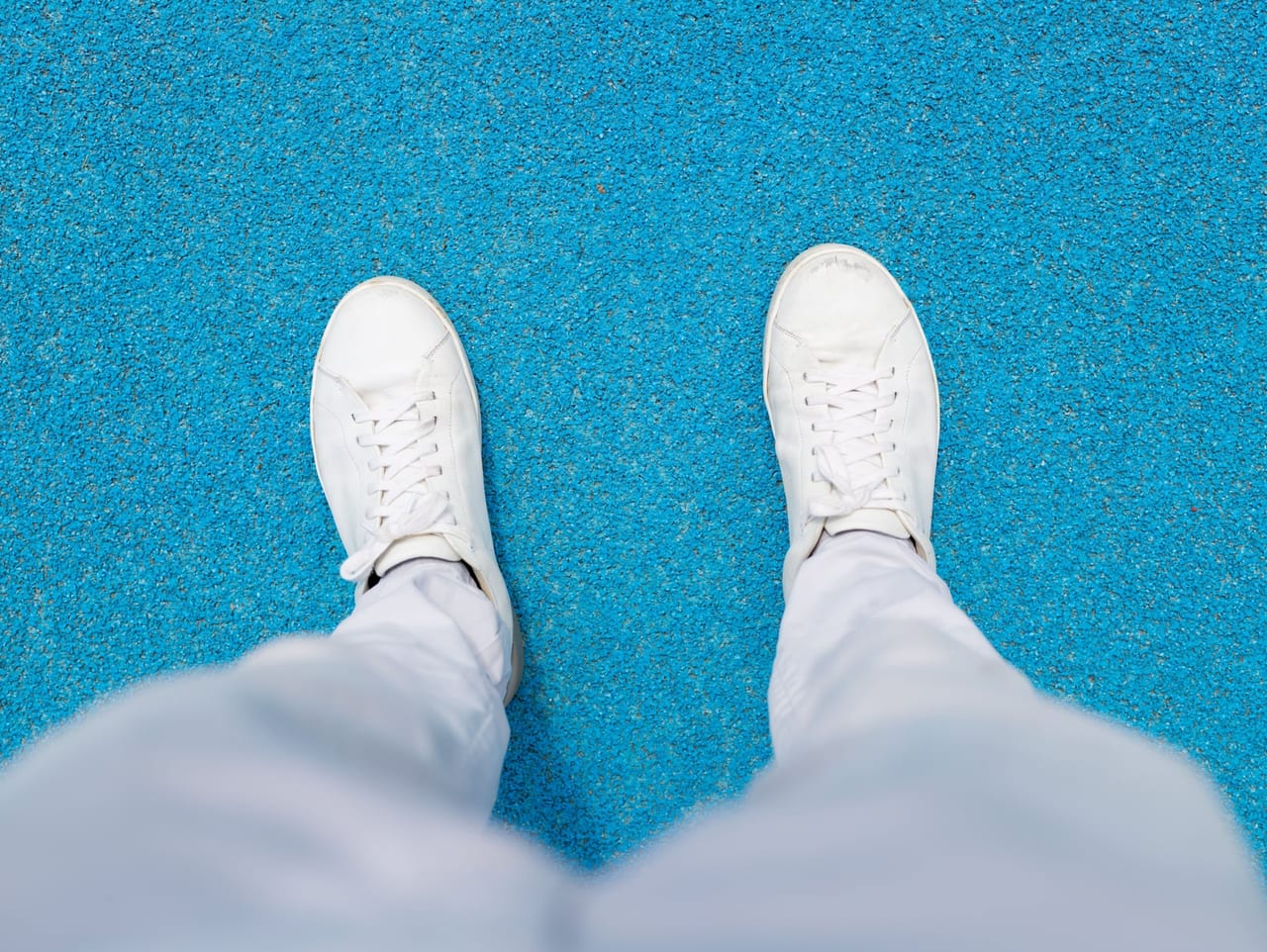
On travel day, put on the heaviest pair you can walk in comfortably, with laces you can loosen and an easy way to slip them off.
Air them out on arrival
On arrival, take the shoes out of their bags, pull out the socks and leave each pair with air around it, away from heaters and direct sun.
The cleaning and drying carry most of the routine. A pair that is clean and fully dry will sit in a bag for a day or two without complaint, while one packed damp comes out smelling stale. If a pair got wet on the last day, how to dry wet shoes covers the slow route, and a different pair beats a damp one.
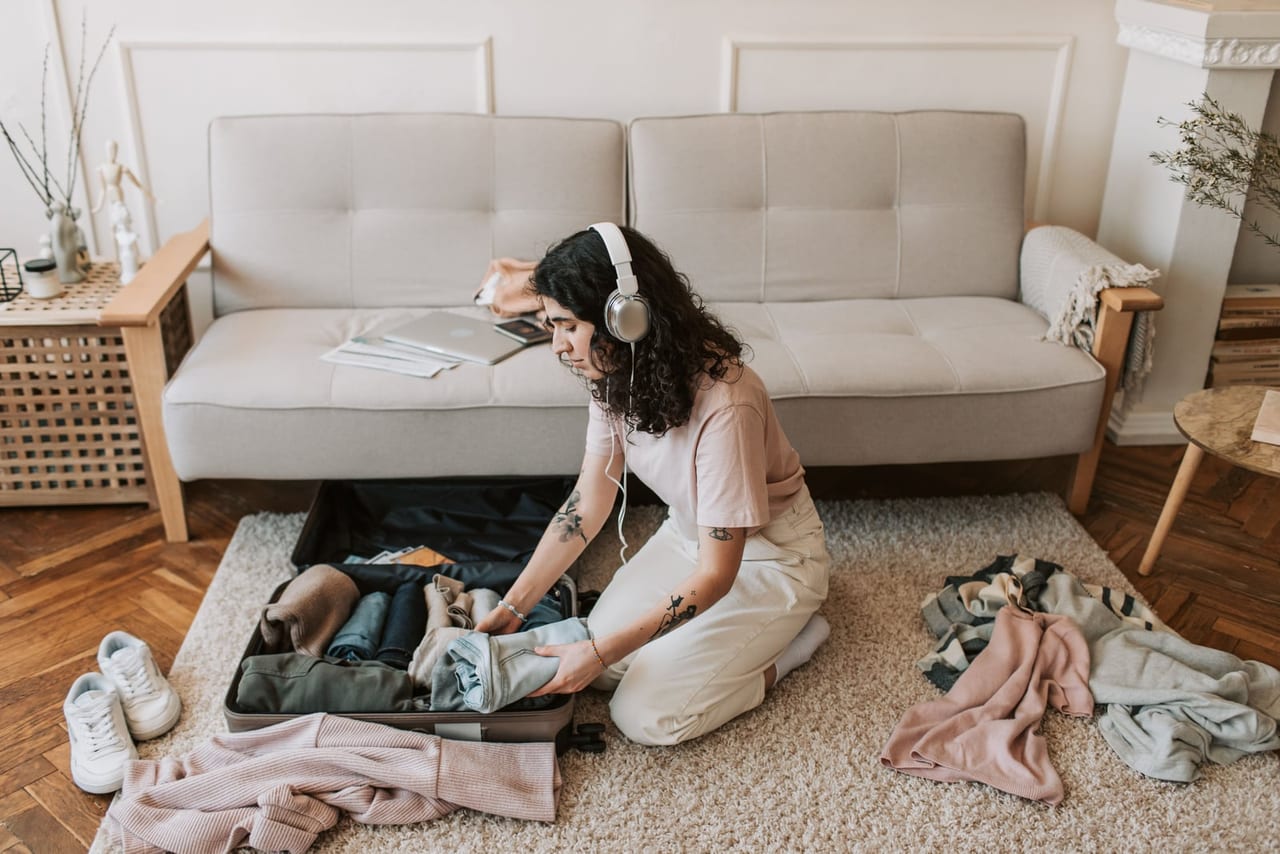
Where shoes sit in the suitcase
Advice on placement varies, so there's no single right spot. Many packers like the edges, with the soles against the shell, so the dirt stays away from the clothes. Others put the heaviest pair at the bottom to keep the load low, or in the middle, wrapped in soft layers. Any of these can work if the soles face away from the clothes and the shoes can't slide.
Heavy items are what to keep off them, since a toiletry bag or a stack of jeans can crease leather and flatten cushioning. Fill the gaps with soft items and lay heavier things beside the shoes, not on top. Dress shoes take a little more care: a shoe tree or a roll of socks in the toe helps them keep their shape, and a cloth bag lets them breathe.
Wet or muddy shoes are the exception to most of this. Brush the worst of the mud off outside, and give a wet pair every hour of drying you can before the case closes. If it still isn't dry, a breathable cloth bag in a corner of its own is the safer way to carry it, and the shoes that did the walking should travel home brushed, bagged and apart from clean clothes.
When foot trouble on a trip may mean something more
Some trouble with shoes on a trip is ordinary. After hours in a seat, feet and ankles can look puffy and shoes can feel snug, which usually settles after a night's rest and some walking. A rubbing spot on day one or a pair that smells stale after time in the bag is the usual cost of travel.
Pay closer attention if the swelling is in only one leg, or if a calf feels painful, tender, red or warm, especially after a long flight or drive. These aren't shoe problems, and they're worth getting checked rather than waiting to see. A blister that isn't getting better, numbness or tingling, or soreness that grows with each day of walking also deserves a look.
Questions people ask
Is it OK to pack shoes in plastic bags?
For shoes that are clean, or dirty but dry, yes, since a bag keeps the soles off your clothes. Damp shoes are the exception, because sealed plastic holds moisture against the materials and can leave a stale smell or musty spots, so a breathable cloth bag is safer if a pair can't dry in time.
How do you pack shoes in a carry-on?
With less room, the bulkiest pair goes on your feet and one extra pair is usually what fits. Fill each shoe with socks, bag it and lay it along the side of the case with the sole toward the shell, so the space inside does the work of a packing cube.
Do you have to take your shoes off at airport security?
It depends on the airport, the country and the screening lane, and the rules have changed over the years, so it's worth being ready either way. Slip-ons or easy lace-ups make a request to remove them painless. The airport's own website is the place to check current rules before you go.
The bottom line
A suitcase can't make up for shoes that were wrong before they were packed. The pairs that travel well are the ones chosen with the trip in mind, cleaned and dried before the zipper closes, and already familiar to your feet. After that, packing them is mostly a matter of giving each one a little room of its own.