How to Care for Leather Work Boots
Leather work boots take a daily beating from mud, water and long shifts. A few minutes of regular care keeps the leather clean, dry and supple and helps a good pair last longer.
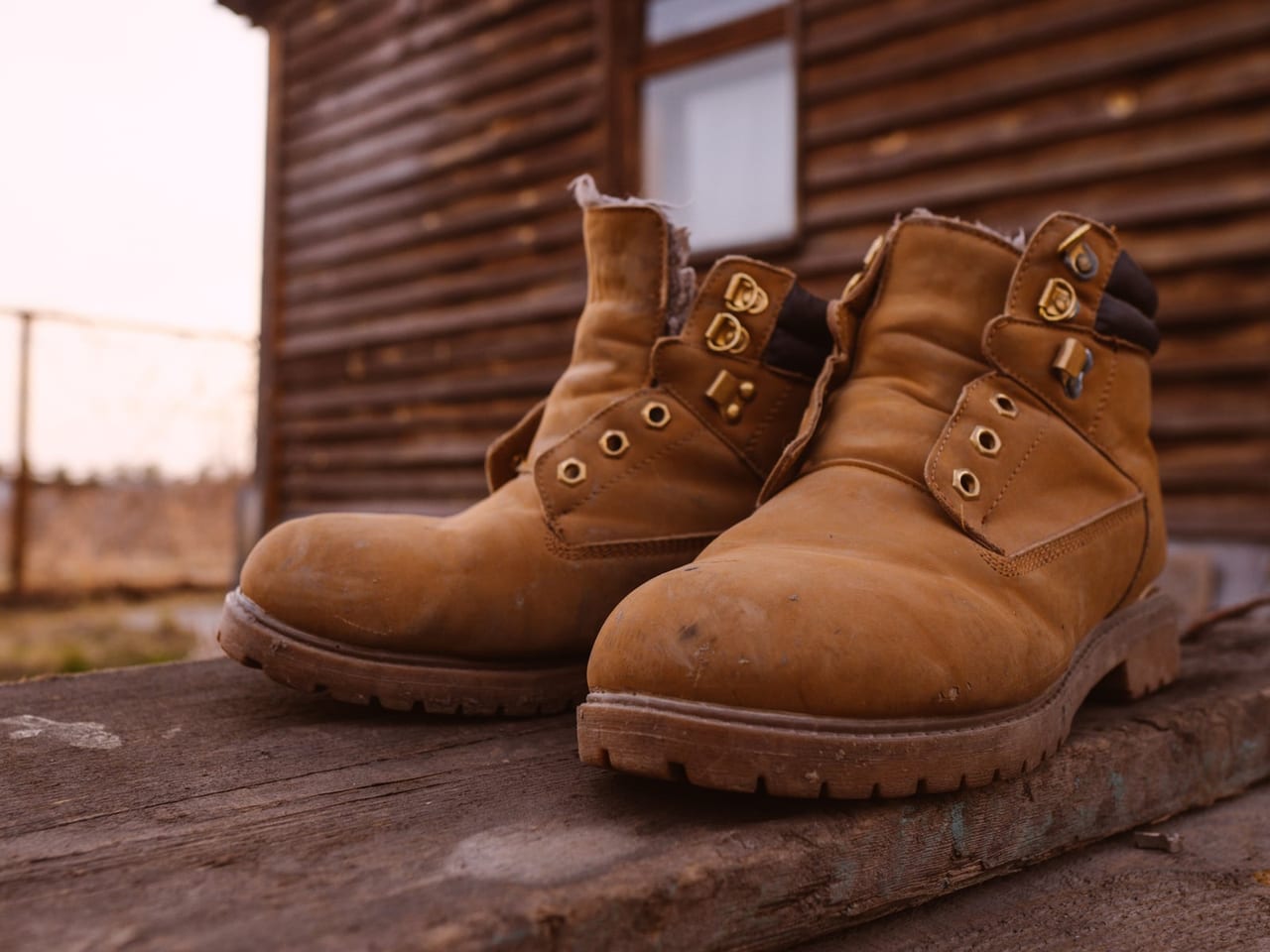
Pull off a pair of leather work boots after a wet shift and they can look done for: mud in the creases, a white line of dried salt, leather gone dull and stiff. Most of that is ordinary wear, and a brush and a damp cloth will lift a good part of it. The harder call is which marks are only dirt and which mean a pair needs more than that.
The short answer
Care for leather work boots in a simple cycle: brush off the dirt, wipe the leather clean, let the boots dry slowly at room temperature, then work in a leather conditioner once they're dry. When water stops beading on the surface, add a wax or cream made for boots. Avoid heat, which can dry out leather and loosen glue, and never put boots away wet. Rotate two pairs if you can, and let a repair shop handle worn soles and loose stitching. If your boots rub or leave your toes numb, check the fit, and have a healthcare professional look at any sore that isn't getting better.
Why leather work boots wear out
Leather is tough, but a few everyday things work against it. Dried mud and grit settle into the creases where the boot bends, and every step works them against the leather, which is why brushing them off is the simplest care there is. Water does its damage more slowly: leather soaks it up, and repeated soaking and drying can leave it stiff. Winter road salt leaves white lines as it dries, and over time it can dry the leather out.
Heat is the mistake made with good intentions. A heater, a fire or a hair dryer dries leather too fast, which can leave it stiff and cracked, and heat can also loosen glue and warp the sole. Leather needs a little moisture and oil to stay flexible; when it dries out, the creases where the boot bends can start to crack, which is why conditioning matters.
The last threat comes from inside. Feet sweat all day inside a closed boot, and the lining and insole soak up the sweat, so a pair worn every day may never dry out fully, which can leave it damp and smelly. That's the case for a second pair: a day off lets a boot dry all the way through.
A simple boot-care routine
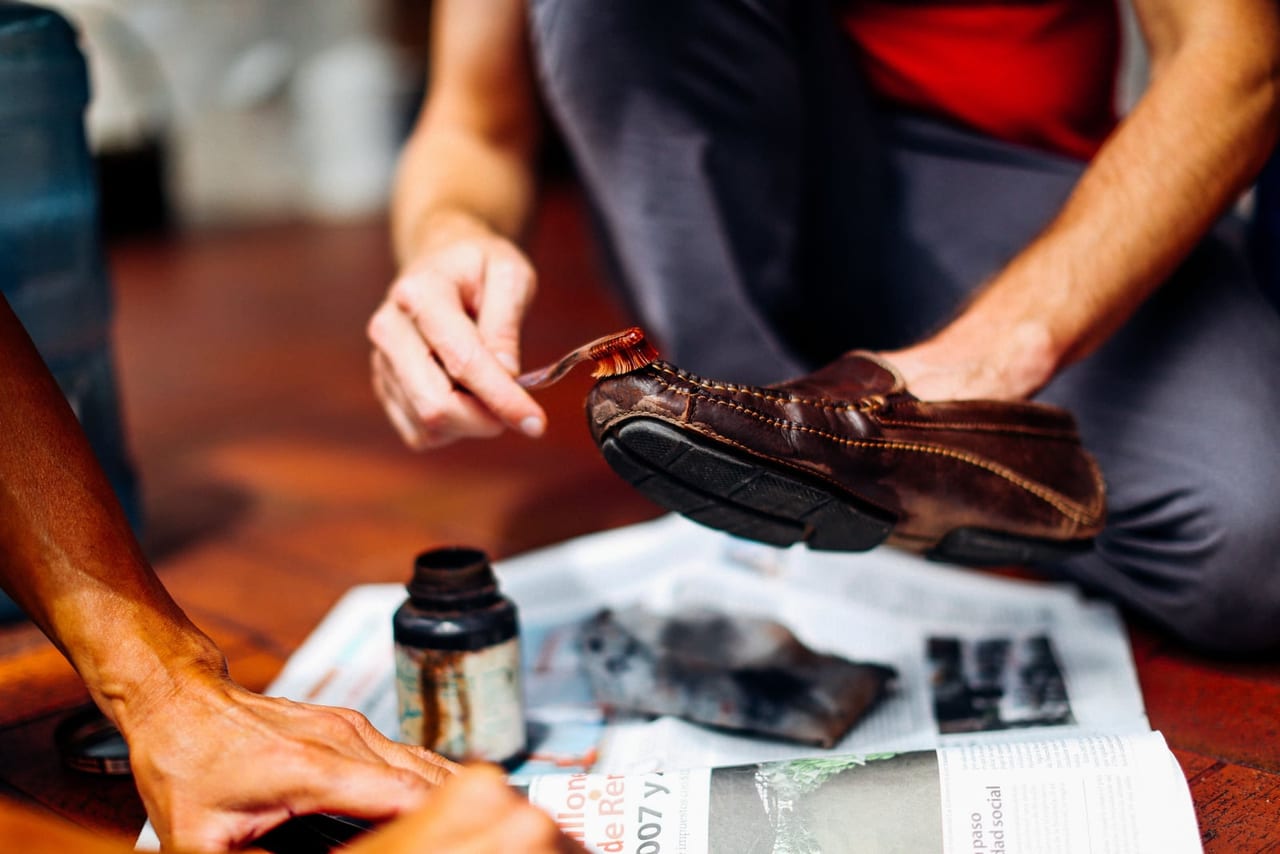
Brush your boots after muddy shifts, and give them this full routine whenever the leather looks dirty, dull or dry. It takes about 20 minutes, plus drying time, and the kit is simple: a stiff brush, an old toothbrush, two soft cloths, a little mild soap or a leather cleaner such as saddle soap, used sparingly, a cream or oil conditioner made for leather, a wax or cream made for boots, and some plain paper. Test any product on a hidden spot first, since some can darken the leather.
Knock off the dirt
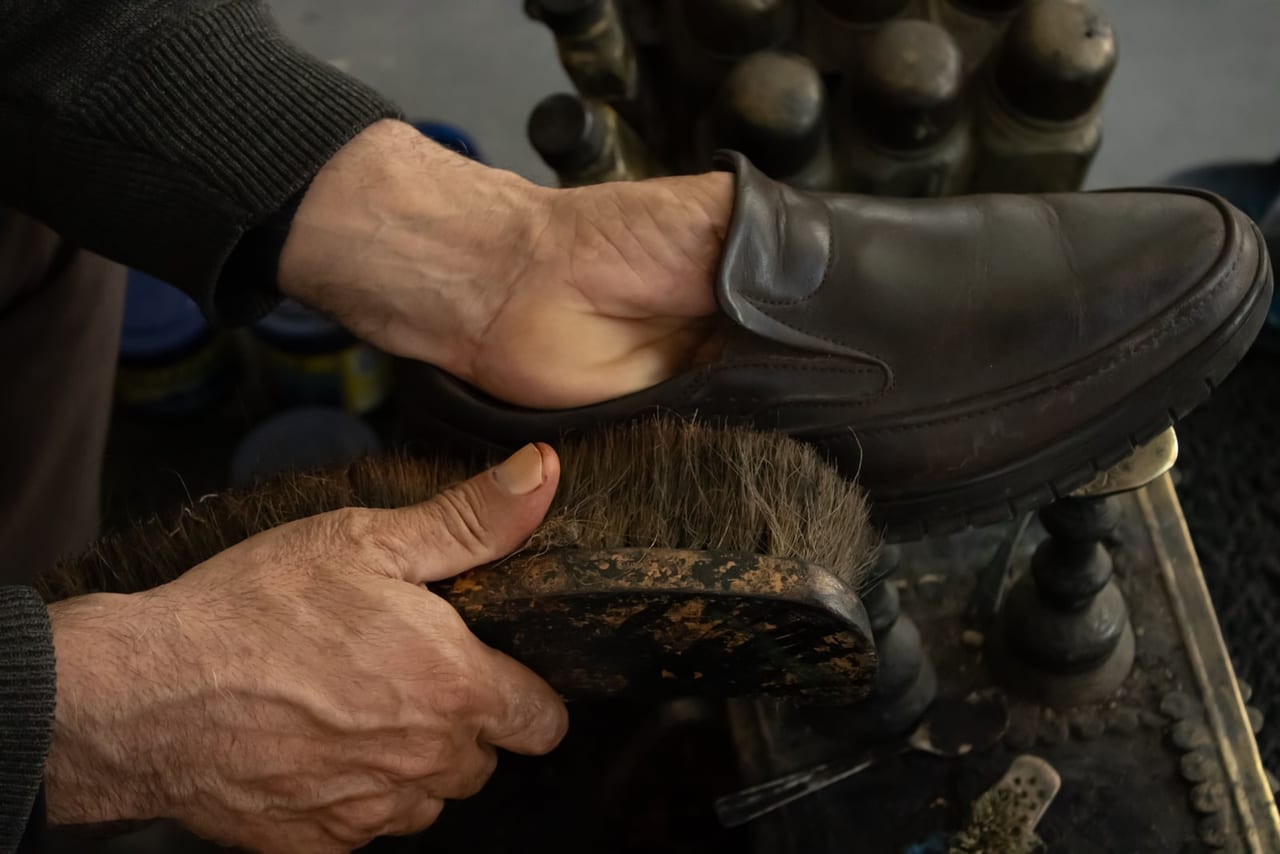
Clap the boots together outside and brush off dried mud with a stiff brush. Work an old toothbrush along the seam where the upper meets the sole.
Wipe the leather clean
Wipe the boots with a damp cloth. For grime that stays, add a little mild soap or leather cleaner to the cloth, test it on a hidden spot, then wipe away any residue with a clean, damp cloth.
Dry them slowly
Take out the insoles, loosen the laces and stuff the boots with paper, changing it when it gets damp. Let them dry at room temperature, away from heaters, fires and hair dryers.
Condition the leather
Once the boots are fully dry, rub a thin layer of leather conditioner into the leather with a soft cloth, working it into the creases. Wipe off whatever does not soak in.
Protect against water
When water stops beading on the leather, apply a wax or cream made for leather boots, following the directions on the product. Try it on a hidden spot first, since some products darken leather.
Rotate and check
If you can, give each pair a day off so it dries out fully. While the boots rest, look over the laces, the stitching and the tread.
Between full cleans, keep the kit within reach: one cloth stays damp for cleaning and the other dry for buffing and wiping away extra conditioner, and a spare set of laces means a frayed pair is replaced before it snaps at the start of a shift. Small problems are easier to spot on a pair that's dry and empty than on one you're wearing.
After a wet or salty shift
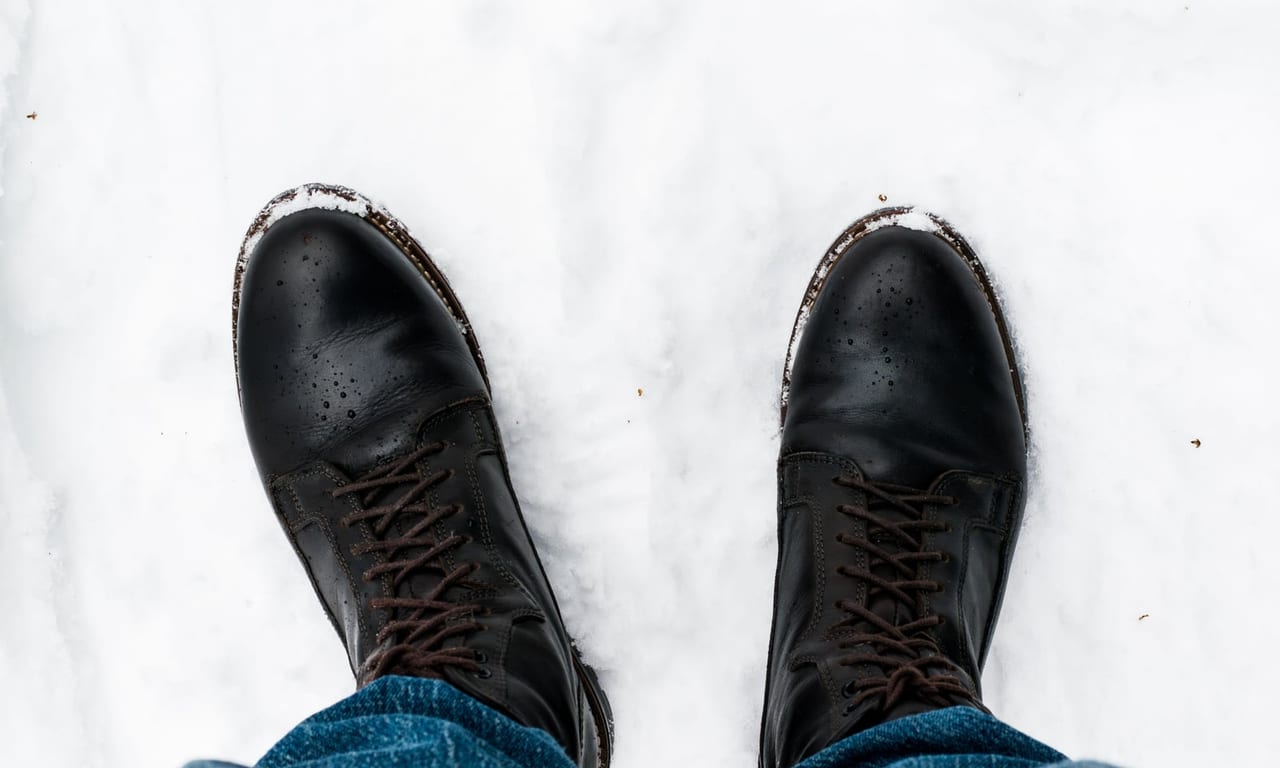
Wet boots need the most patience. Pull out the insoles, open the boots wide and stuff them with paper, changing it as it soaks through, then let them dry at room temperature, even if that means wearing your other pair the next day. Wipe off salt marks promptly with a cloth dampened in clean water, let the boots dry, then condition them.
A repair shop can do what a kit can't. Many stitched boots can be resoled once the tread wears smooth, and loose stitching or a sole that starts to lift is usually simpler to fix early. That's worth knowing before a good pair is written off for a worn sole.
Why good boots should not need a painful break-in
Many people expect new leather boots to hurt for a while before they break in. But a boot that pinches or rubs when you first try it is unlikely to become comfortable with wear, and pressure that doesn't ease can lead to blisters and sore spots. A boot that fits should feel comfortable from the first day, with room for your toes and a heel that stays put. Care keeps a well-fitting pair going; it cannot fix a pair that never fit.
What you wear and stand on inside the boot matters too. Moisture-wicking wool or synthetic socks keep feet drier than all-cotton ones, and drier skin rubs less; there's more on choosing them in socks for long days on your feet. The leather isn't the only thing that wears: the cushioning under your foot flattens with use, and a boot with a removable insole can take a replacement.
When boot trouble may mean something more
Feet that feel tired after a long shift in boots, and better after a night of rest, are part of an ordinary workweek. Creased leather, a scuffed toe and a footbed that has flattened a little are ordinary too, and none of them means a pair is finished. They're signs of use, not of a problem with your feet.
Pay closer attention if the same spot keeps rubbing, a blister or sore is slow to settle, or your toes feel numb or tingly in your boots. A tight boot can press on the foot enough to cause numbness, so start with the fit and the lacing, and get your feet checked if it continues.
Questions people ask
How often should you condition leather work boots?
There's no fixed schedule. Condition them after a full clean and whenever the leather looks dry or pale in the creases, and expect boots worn in wet or dusty work to need it more often. Rub in a thin layer and wipe off whatever doesn't soak in.
Can you dry work boots with a heater or hair dryer?
It's better not to. Strong heat can dry leather out too fast and leave it stiff or cracked, and it can weaken the glue in the sole. Paper inside and time at room temperature are gentler, and taking the insoles out lets the inside dry too.
How do you waterproof leather work boots?
Clean and dry them first, then apply a wax or cream made for leather boots, following the product's directions. Try it on a hidden spot, since some products darken leather, and reapply when water stops beading on the surface.
Should you take the insoles out of work boots at night?
Yes, if they lift out. It lets the insoles and the inside of the boots dry before the next shift, which matters most for a pair worn every day, since a boot that never dries fully can end up damp and smelly. More in insoles for work boots.
The bottom line
A pair of boots that looks finished after a wet shift usually isn't. Leather wears out gradually, which means a little care after each hard shift can keep up with it. The pairs that last aren't the ones that never get dirty, but the ones that get cleaned, dried and conditioned before small damage has time to add up.