Socks for Long Days on Your Feet: What to Look For
On a long shift, your socks sit between your skin and your shoes for every step. The right pair can help keep your feet drier and more comfortable all day.
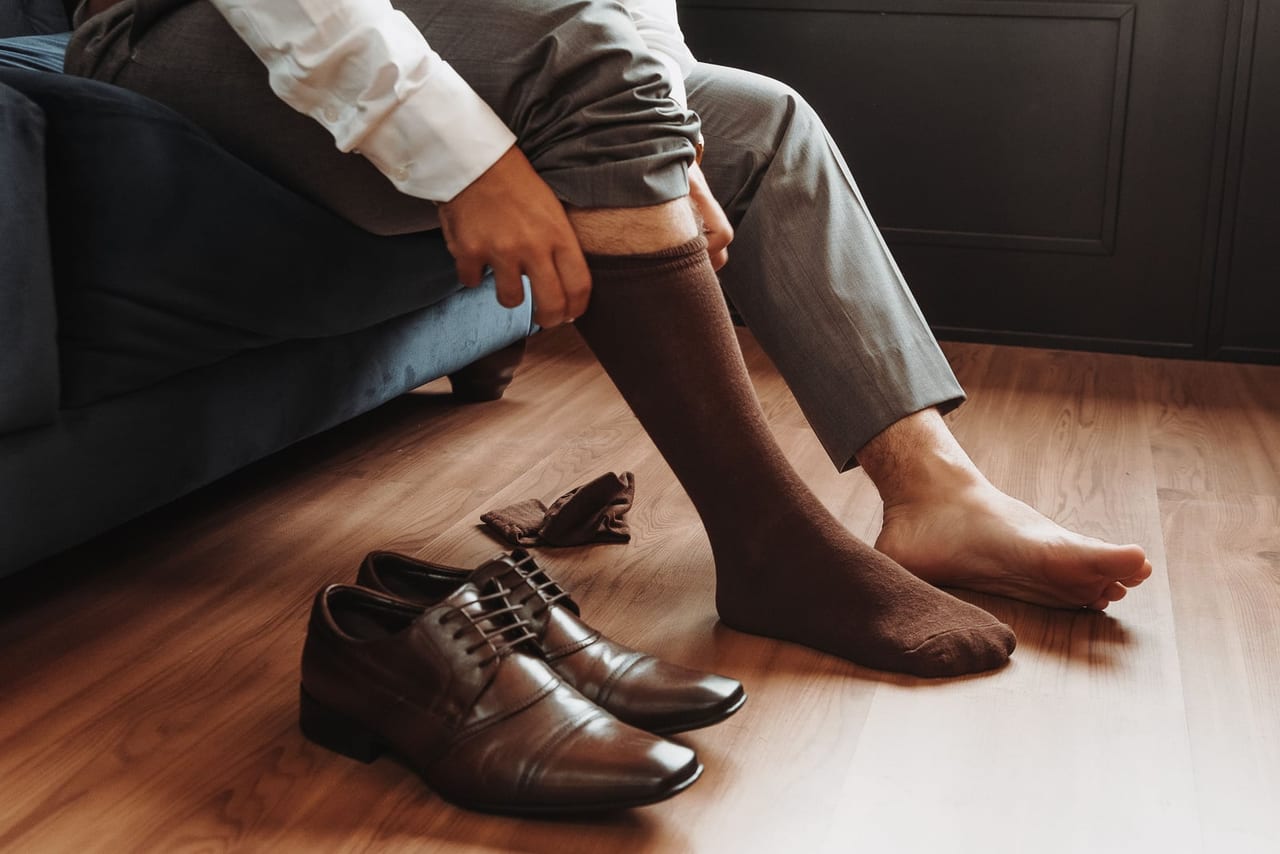
Picture the end of a long shift. Your feet have spent hours on hard floors inside closed shoes, and they feel different from the way they did at breakfast: a little warm, a little damp and often a little snugger in the shoe. It's easy to blame the floor or the shoes, and just as easy to forget the sock, though some of that warmth, dampness and snugness may well have started there.
The short answer
For long days on your feet, choose socks made mostly of wool or synthetic fibers that move sweat away from your skin. Look for light to medium cushioning under the heel and the ball of the foot, flat seams, a snug fit and a cuff that rises above your shoe. All-cotton socks hold sweat and dry slowly, so save them for short, easy days, and skip socks so thick that your shoes feel tight. If you have diabetes or reduced feeling in your feet, choose smooth socks without tight tops and check your feet daily.
Why socks matter on a long day
Over a long shift, a sock has three jobs: to manage sweat, to soften pressure and to keep fitting as your feet change. Sweat leads the list, because the soles of your feet have some of the most tightly packed sweat glands in your body, and they keep working inside a closed shoe. A sock either moves that moisture away from your skin or holds it there. Damp skin rubs raw more easily than dry skin, so a sock that stays wet for hours makes blisters and chafing more likely, especially where your shoe presses or flexes.
Pressure and fit are the other two jobs. On hard floors, much of your weight lands on the heel and the ball of the foot, and a little padding there can make the day feel easier, as long as it doesn't crowd the shoe. Feet also tend to swell a little by evening, so socks and shoes that feel roomy in the morning can feel snug by the end of a shift.
Wool, synthetics and cotton: how the fibers differ
How well a sock handles sweat depends on its fiber. Cotton fibers soak water into themselves and let it go slowly, so a cotton sock that feels soft and dry at nine can feel heavy and damp by three. Synthetic fibers such as polyester, nylon, acrylic and polypropylene take up very little water, so moisture moves along and between them to the outside of the sock, where it can evaporate, and they dry quickly. Some people find that all-synthetic socks hold on to odor.
Wool works differently: it can hold moisture inside the fiber while its surface stays drier, and it keeps its warmth when damp. That's why many socks made for long days blend wool and synthetic fibers. Merino, a fine, soft wool that most people find far less itchy than traditional wool, also tends to hold less odor than polyester. Blends of cotton with synthetic fibers usually stay drier than all-cotton socks, which are soft and fine for short days.
How to choose socks for a long day
Choosing a pair comes down to six checks that take about ten minutes. You don't need special socks, just the right features. Take the shoes you actually work in, along with a few pairs to compare, and try new socks at home before you commit to a drawerful.
Read the fiber label first
Look for merino or other wool, or synthetic fibers such as polyester, nylon or acrylic. If cotton is the main fiber, expect the sock to hold sweat as the day goes on.
Choose cushioning your shoes have room for
Padding under the heel and the ball of the foot can make hard floors feel softer, but thick socks take up space. Light or medium cushioning suits most work shoes; save heavy cushioning for roomier boots.
Check the seams and the heel
Turn the sock inside out and run a finger over the toe seam: it should be flat and smooth. On your foot, the heel pocket should sit on your heel, not above it.
Get a fit that stays put
Go by the size range on the label and your feet today, not the size you always buy. The sock should lie smooth, without bunching or pulling your toes back.
Match the height to your shoes
Choose a cuff that rises above the collar of your shoe or boot, so the edge does not rub bare skin. Crew height suits most boots; quarter height suits most sneakers and work shoes.
Test them in your own shoes
Put the socks on with your usual shoes and insoles and walk around for a few minutes. If the shoes now feel tight or your toes feel pinched, choose a thinner pair.
Beyond the checklist, a little elastane, also called spandex, helps a sock keep its shape so it doesn't slide down or bunch. Socks made for diabetes usually have tops without tight elastic, no raised seams and a padded sole, and light colors can make it easier to notice a mark from a sore you didn't feel. Ask your care team what suits you.
Socks, shoes and insoles work together
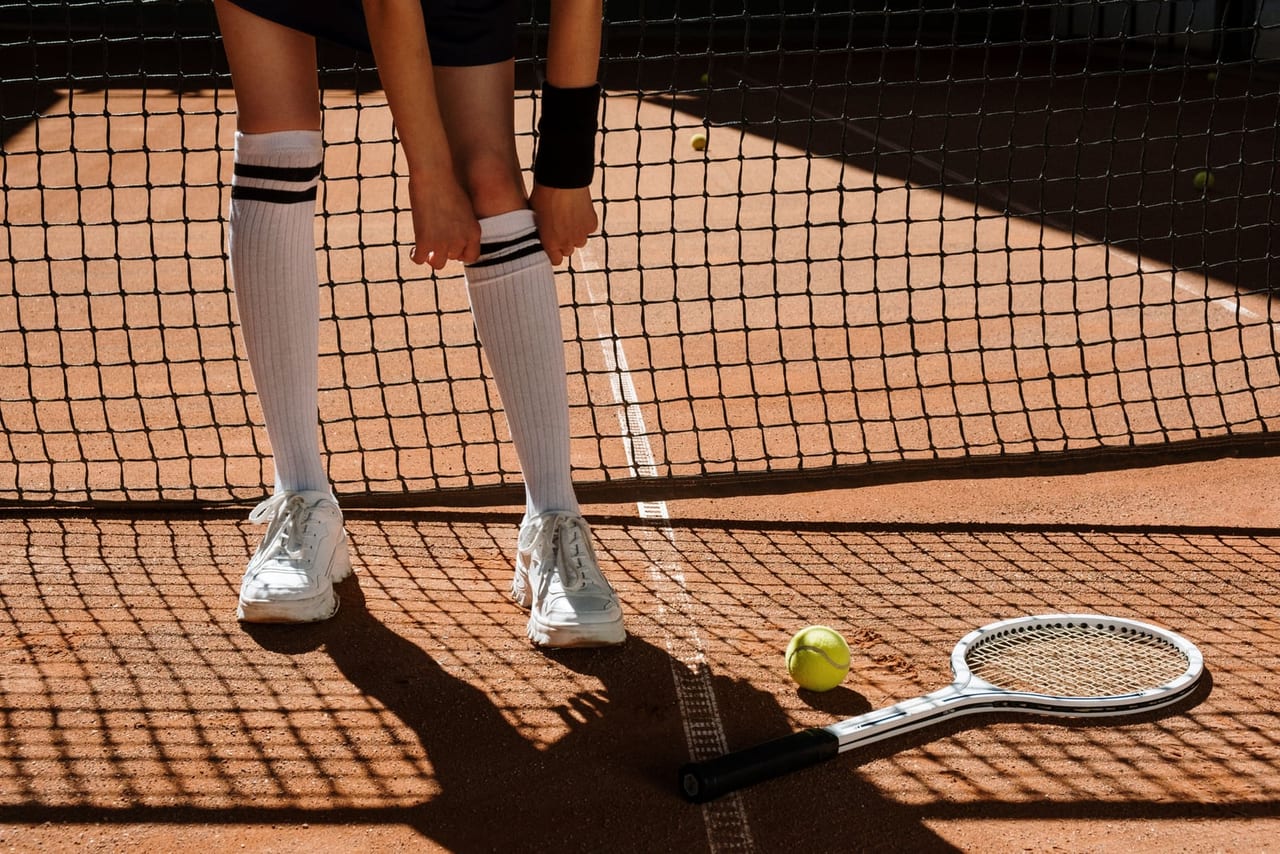
Thicker socks take up room, and so do insoles, so try on new shoes with the socks you plan to wear. A sock and the insole underneath it share the same small space, which is why a change to either one can leave your toes with less room than they had. If you add an insole, check that your toes still have space to move; there's more in insole fit basics.
The setup also has to last the whole shift. On very long or hot days, a dry spare pair in your bag can make the second half of the day more comfortable, and how often to change your socks covers that routine and washing.
When sock trouble may mean something more
Some things are ordinary after a long day: faint marks from the sock cuffs, warm and slightly damp feet, or a small rub spot that settles once you change socks. A little swelling by evening is ordinary too, and so is a pair of shoes that feels snugger than it did in the morning. What matters is whether the marks, the dampness or the rubbing settle overnight.
Pay closer attention to deep marks that are slow to fade, or to swelling in one foot or ankle. The same goes for a blister that isn't getting better, or skin between your toes that itches, peels or cracks. It may not be serious, but it's worth a closer look.
Questions people ask
Are wool socks too hot for warm weather?
Not necessarily. Thin merino socks are made for warm days, and wool moves moisture away from your skin, so many people find lightweight wool comfortable all year. If you'd rather avoid wool, socks made mostly of synthetic fibers also move sweat away and dry quickly.
Should I wear two pairs of socks?
Usually one good pair is enough. Some people who get blisters find that a thin liner sock under the main pair helps, but only if their shoes still have room for both. Try the combination in your own shoes first.
Do compression socks help on long shifts?
They may help some people's legs feel less heavy on a long shift, but they aren't right for everyone. If you have circulation problems, diabetes or another health condition, check with a healthcare professional first. The same goes for swelling that doesn't go down after rest.
The bottom line
The sock is the part of a long day on your feet that gets noticed least, and small differences in it add up over hours of standing. It doesn't have to be special, only right for your shoes and your day, which you can check for yourself in a few minutes.