How to Keep Your Feet Warm in Cold Weather
Cold feet are often damp, squeezed or standing still. That's why two thick pairs of socks crammed into one boot can leave them colder than one good pair.
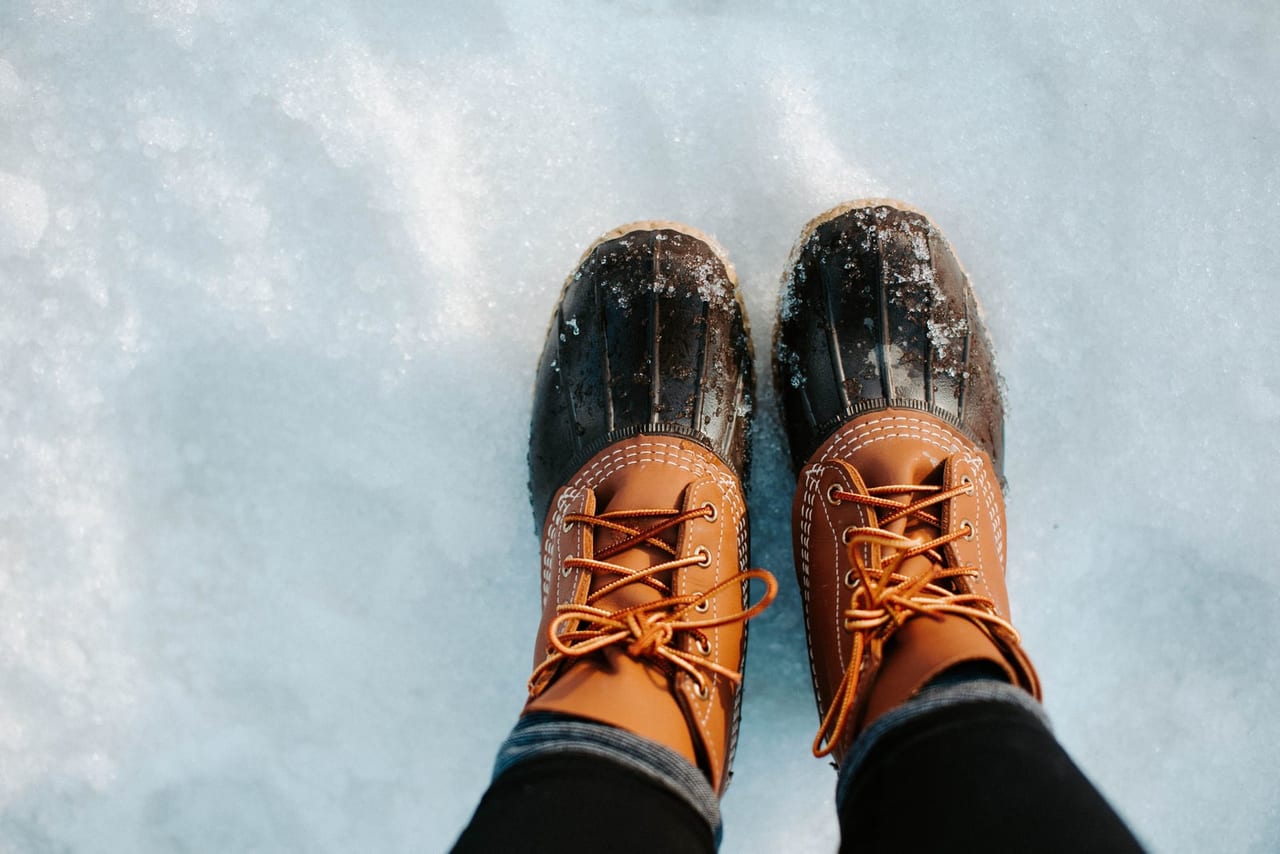
Picture waiting for a bus on a raw winter morning, coat buttoned and hands in your pockets. It's your feet that give in to the cold before the rest of you does, and the pavement, the slush creeping into your boots and the long wait all work against them. You stamp a little and shift from foot to foot, and it helps for a minute, but the chill is back before the bus is.
The short answer
In the cold, your body tends to keep its core warm first, and your feet are far from it and close to cold ground. Damp socks, boots that squeeze and standing still all make cold feet worse. One good pair of wool or synthetic socks, boots with room for your toes, dry feet and regular movement all help, and cold feet should be warmed gently. If your toes stay numb, blue or dark after you warm up, talk with a healthcare professional.
Why feet get cold first
When you're cold, your body tends to keep warm blood close to your heart and other organs and send less of it to your hands and feet. Your feet are also the part of you farthest from your core and closest to the ground, where snow, ice and cold concrete draw heat out through the soles of your shoes. A thin sole leaves little between your foot and the ground.
Then there's what happens inside the boot. Feet sweat in winter too, and snow and slush find their way in. A boot that squeezes your foot presses on it and leaves little room for warm air around your toes, which is why two thick pairs of socks crammed into one boot can feel colder than one good pair.
Movement matters as well. Moving your feet and legs keeps your muscles working and your blood moving, while standing still at a bus stop or on a job site lets your feet cool quickly, and sitting still in a cold room does the same. That's why stamping your feet helps for a minute and then fades: the movement is real but brief, and your feet start to cool again as soon as you stop. Ideas for a desk are in foot exercises at your desk.
Why wool stays warm when it is damp
Damp socks lose their warmth, and the material makes a difference. Wool fibers take up moisture inside the fiber while their surface stays relatively dry, so a wool sock still feels warm after your feet have been sweating. Cotton soaks up water, clings to your skin and dries slowly, and wet cotton loses much of its warmth.
Most synthetic fibers take up very little water and dry quickly. That's why wool, synthetics or a blend of the two are the usual choice for cold, wet days. Choose a weight that still leaves room in your boot, and keep a spare dry pair in your bag; there's more in socks for long days on your feet.
Sweat is the reason all this matters even on a dry, clear day. Waterproof boots keep snow and slush out, but your feet go on sweating inside them, so over a long wait a sock can turn damp from the inside. Wherever the damp comes from, a wool or synthetic sock and a dry pair in your bag take care of it.
How to keep your feet warm outdoors
Warm feet come from a few simple choices before you head out, and a little care when you get back in. You'll need waterproof boots with room for your toes, wool or synthetic-blend socks and a spare pair of dry ones. If your feet are already numb, start with the last step: numb skin burns easily, so warm it gently.
Wear one good pair of warm socks
Choose wool or synthetic blends, which keep much of their warmth even when damp; cotton does not. One warm pair usually beats two that squeeze your foot.
Leave room to wiggle your toes
Try winter boots on with the socks you will wear in them. You should be able to move your toes freely, because a boot that squeezes can leave feet cold and numb.
Keep your feet dry
Wear waterproof boots in snow, slush and rain. Carry a spare pair of dry socks, and change into them as soon as your feet get wet.
Keep your feet moving
When you have to stand outside, wiggle your toes, rise slowly onto your toes a few times and shift your weight from foot to foot. A short walk helps too.
Dry boots and insoles overnight
Take the insoles out, loosen the laces and let boots dry at room temperature. Keep them away from heaters and fires, which can crack leather and loosen glue.
Warm cold feet gently
Indoors, change into dry socks and wrap your feet in a blanket. If they are numb, do not rub them, and skip hot water, heating pads, heaters and fires, because numb skin burns easily.
Most of these steps happen at either end of the day, before you leave and when you get back, which makes keeping your feet moving the easiest step to forget. It helps to build them into the waits you already have: the bus stop, the sidelines of a weekend game, the pause between tasks on a job site. Wiggling your toes inside a boot is something nobody around you will notice, so it's easy to keep up for as long as the wait lasts.
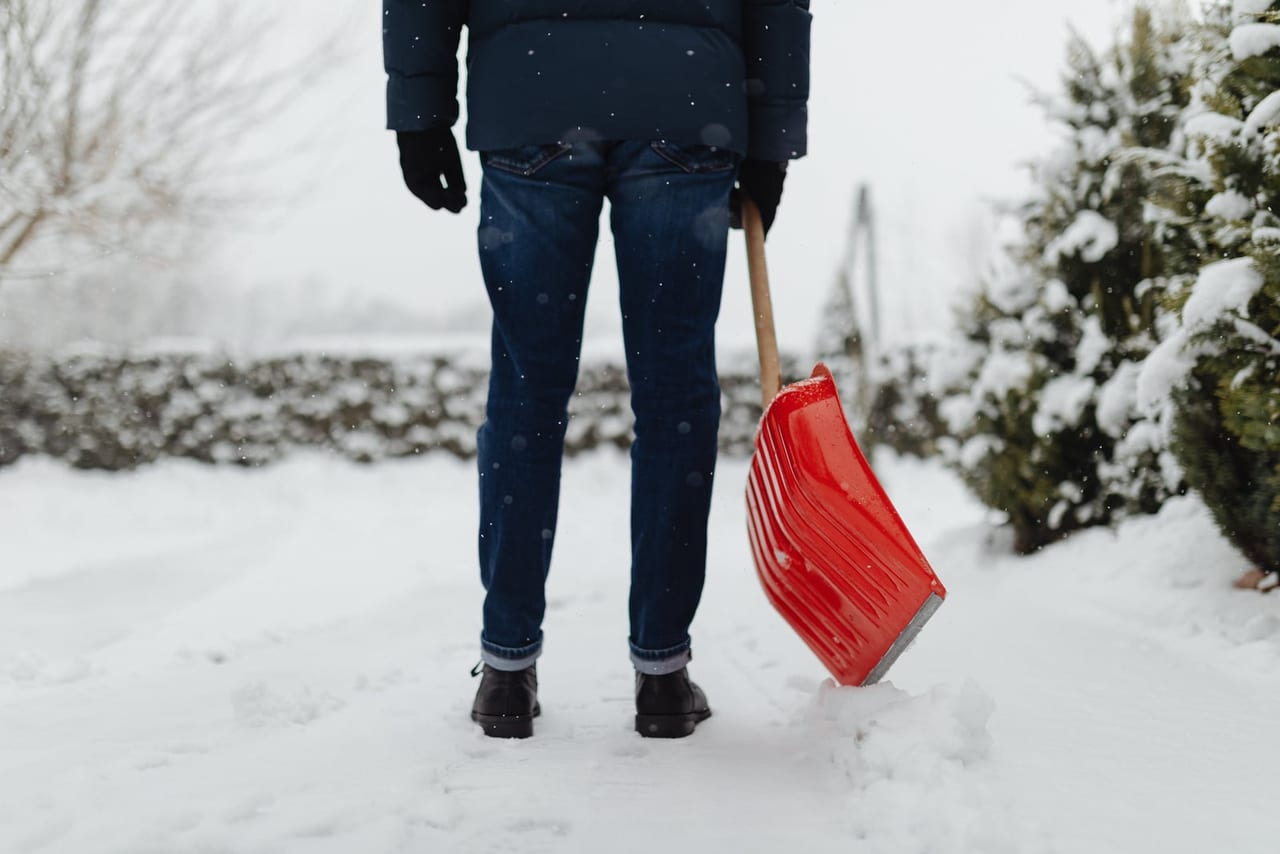
What to look for in winter boots
In winter, what you wear on your feet is all that stands between them and the cold, so a few details count. For snow and slush, look for waterproof, insulated boots: a waterproof upper keeps your feet drier and a thicker sole keeps them farther from the cold ground, while a deep tread and a rubber sole give steadier footing on snow and wet pavement. Try winter boots on later in the day with your thickest socks, and make sure your toes can move.
Wipe off road salt, which can dry out leather, and let wet boots dry slowly at room temperature. Inside the boot, an insole takes up room too, and one that stays damp keeps your foot damp, so take insoles out at night and let them dry. There's more on choosing them in insoles for work boots.
When cold feet may mean something more
Cold toes on a winter day are common, especially after standing still or in damp socks. They should warm up once you're indoors, with their usual color and feeling coming back. Very cold toes can look pale or bluish along the way, and that should fade as they warm.
Frostbite is a different matter. Watch for numbness, and for skin that looks white, grayish-yellow or waxy, or feels unusually hard. Pay attention too if your toes stay numb, cold, blue or dark after you've warmed up, and have them checked if they do.
Questions people ask
Is it better to wear two pairs of socks in winter?
Only if your boots still have room for both. If two pairs make the boot feel tight, they squeeze your foot and leave less room for warm air, so one good wool or synthetic pair usually keeps your feet warmer.
How should I warm up cold feet?
Warm them gently. Get indoors, change into dry socks and wrap your feet in a blanket. If they are numb, do not rub them, and skip hot water, heating pads, heaters and fires, which can burn skin you can't feel.
Do insoles help keep feet warm?
An insole adds a layer between your foot and the cold ground, and a dry one feels warmer than a damp one. Take insoles out to dry overnight, and check that the boot still has room for your toes with the insole back inside.

The bottom line
Cold feet at a winter bus stop are rarely about the weather alone. Damp socks, a boot that squeezes and a long wait without moving all take warmth away, and unlike the temperature, each of them is something you can change.