How to Keep Your Feet Comfortable in Hot Weather
Hot days can leave feet damp, a little puffy and sore by evening. Keeping them cool and dry through a summer day is mostly a matter of small, simple choices.
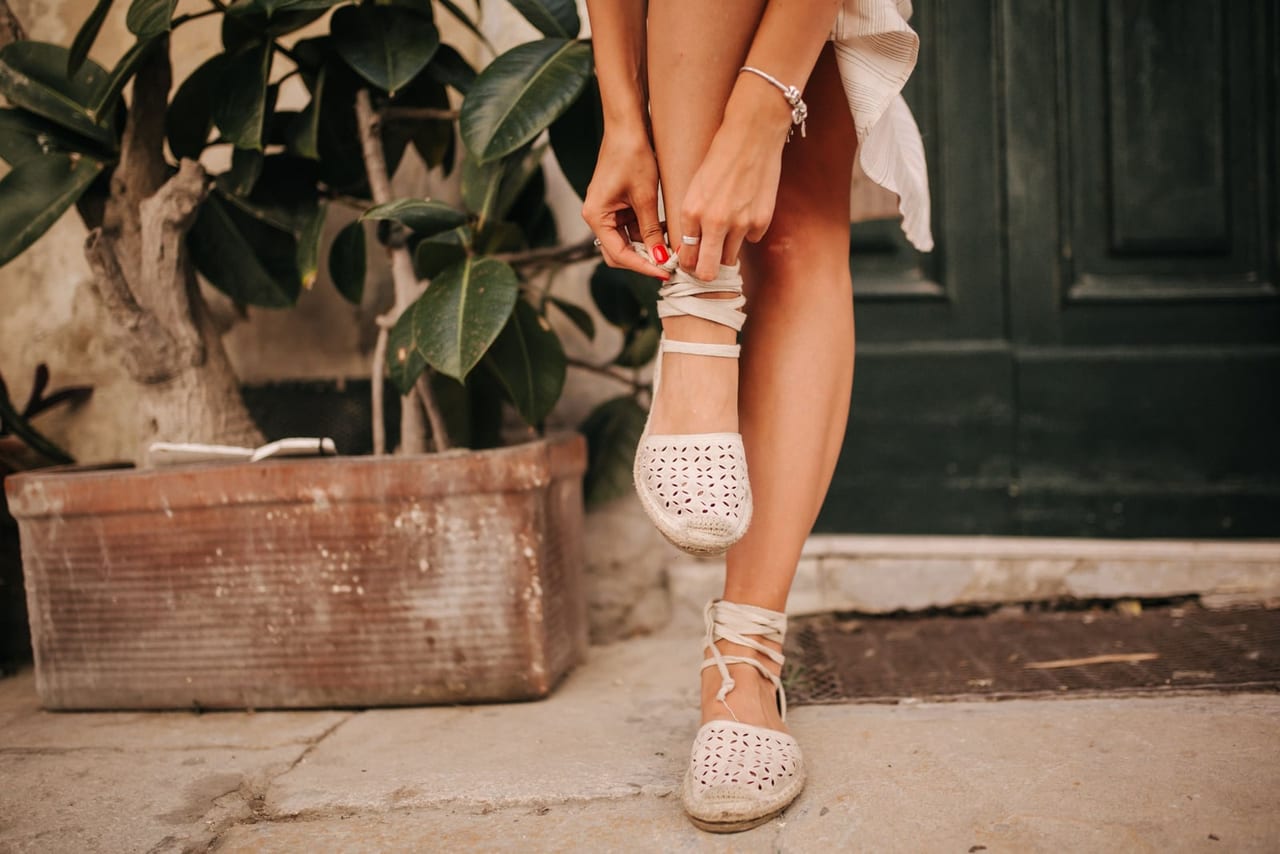
Think about the moment you finally take off your shoes after a hot afternoon. The socks are damp, the shoes feel as though they had shrunk since morning, and your feet are warm and a little puffy. It's tempting to blame the heat and leave it there, but some of that dampness began with what you put on your feet that morning.
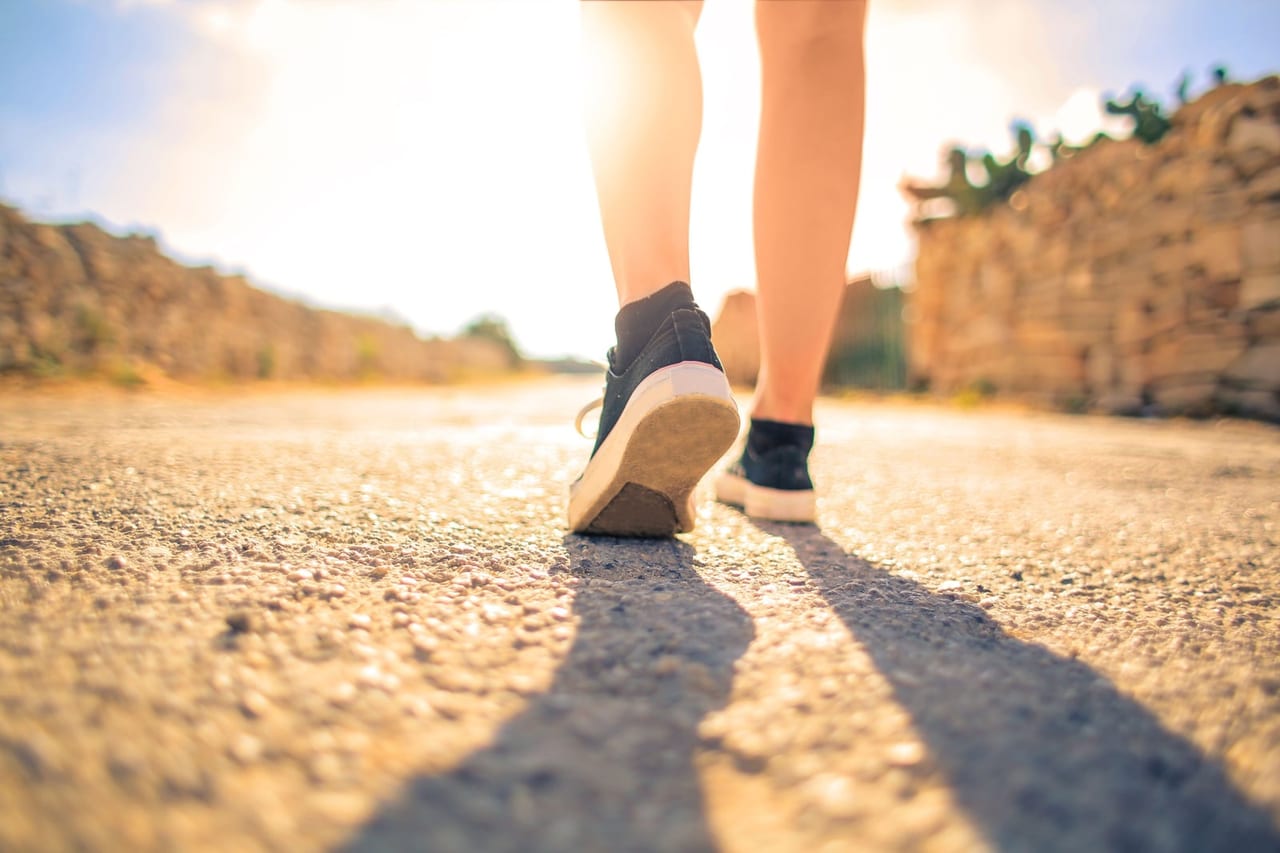
Summer also asks more of your feet than it seems to. Evenings stretch into long walks, weekends fill up with sidewalks, boardwalks and pool decks, and the shoes that carry you through all of it are often the lightest ones you own.
The short answer
Heat makes your feet sweat more, and damp skin rubs more easily inside a shoe. Many people also find their feet swell a little on hot days, so shoes feel tighter by afternoon, while thin sandals leave feet exposed to the sun and to hot ground. Breathable shoes, thin socks that wick moisture, supportive sandals and sunscreen on the tops of your feet all help. If swelling doesn't go down with rest, or shows up in only one foot or leg, talk with a healthcare professional.
Why hot weather is hard on feet
Warm weather and activity make you sweat more, and the soles of your feet have some of the most tightly packed sweat glands on your body. In a closed shoe, that sweat soaks into your sock and stays against your skin. Damp skin rubs more easily against a sock, a seam or a strap, and damp socks make blisters more likely, while new sandals can rub on a long walk, too.
Heat affects more than sweat. Many people find their feet and ankles swell slightly in the heat, on top of the usual end-of-day swelling from being on their feet. Shoes that fit in the morning can feel snug by late afternoon.
Open footwear brings problems of its own. Flat flip-flops give your feet little support and stay on only by the toes, so your feet may work harder on a long walk, and thin soles leave you open to hot ground and anything sharp. In sandals the tops of your feet can be in full sun for hours and are easy to miss with sunscreen. Pavement, sand and pool decks soak up the sun, too, and can get hot enough to burn bare skin by afternoon.
Why skipping socks can backfire
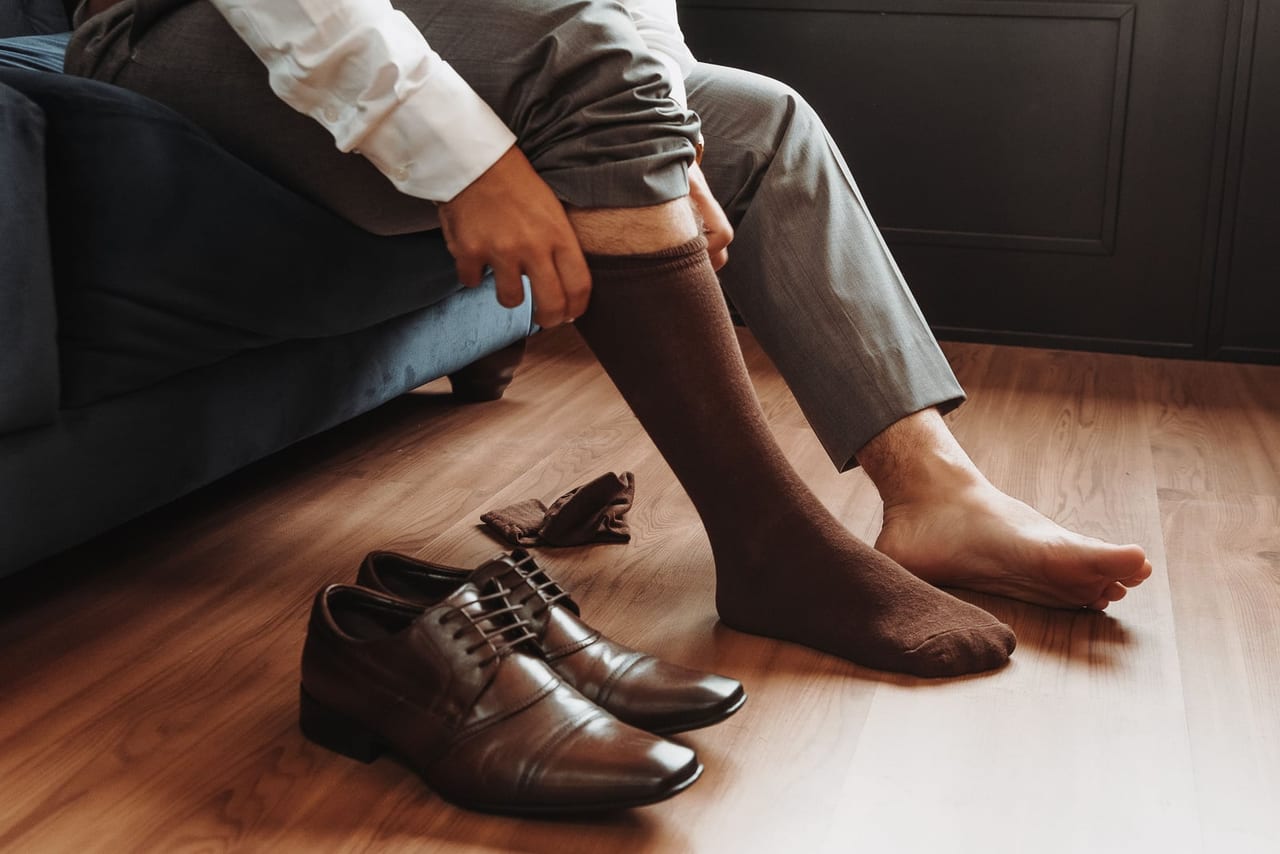
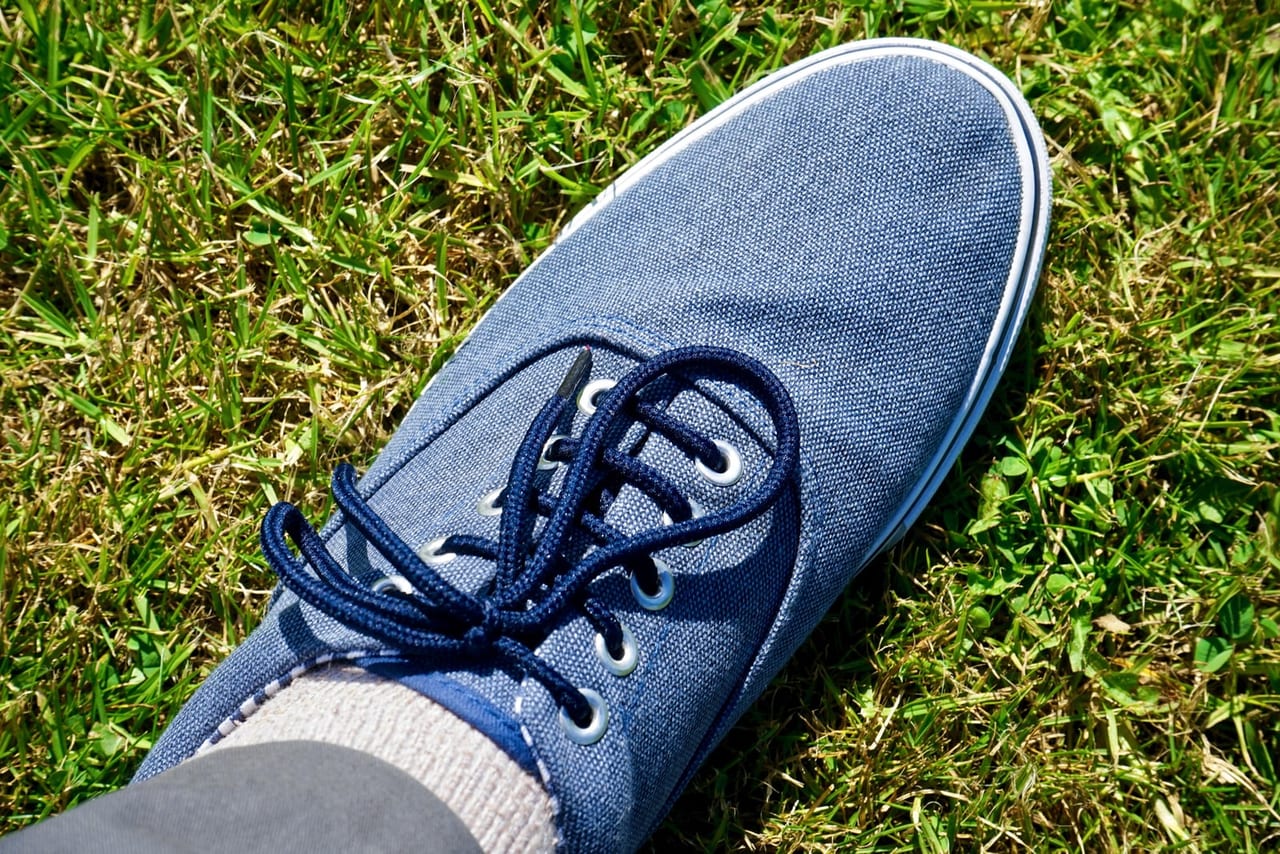
Going sockless in sneakers or loafers feels cooler at first. Without a sock, though, sweat soaks straight into the lining and the insole, and bare skin rubs directly against seams and edges. A damp shoe is also far harder to dry than a sock is to wash and swap.
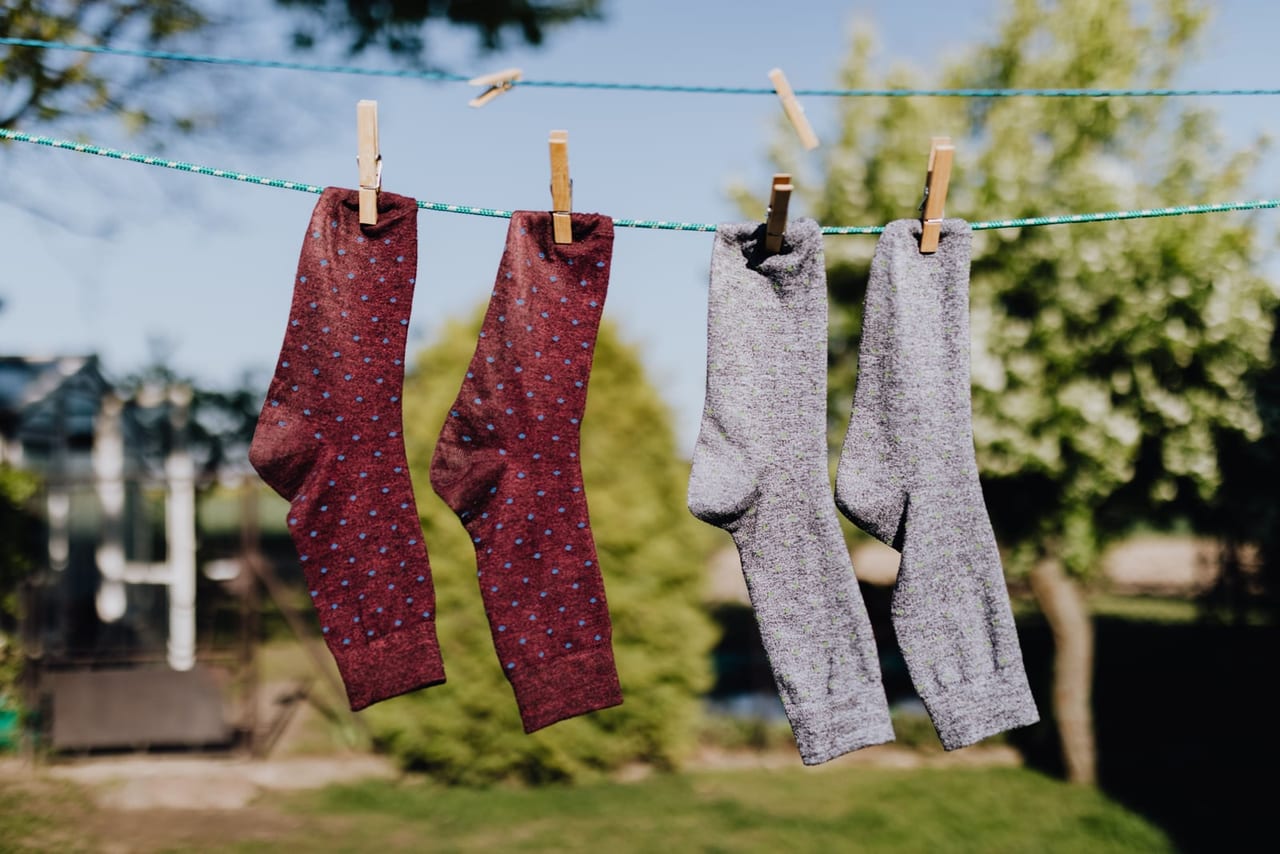
A thin sock that wicks moisture pulls sweat away from your skin and helps with the friction. Light wool or synthetic socks keep feet drier than thick cotton, and on long or hot days a spare pair to change into halfway through helps too. If it's the look of a bare ankle you're after, a thin, low-cut sock that wicks keeps most of that look while still giving sweat somewhere to go. There's more in socks for long days on your feet.
How to keep your feet comfortable on hot days
Small choices in the morning, and a few minutes at the end of the day, make summer easier on your feet. You'll need breathable shoes or supportive sandals, a spare pair of thin socks that wick moisture, sunscreen and, if you like, foot powder. The fifth step matters most if you have diabetes or reduced feeling in your feet.
Choose shoes that breathe
Leather, canvas and mesh uppers let warm, damp air escape. Save shoes with plastic or rubber uppers for short outings and cooler days.
Wear thin socks that wick moisture
Light wool or synthetic socks keep feet drier than thick cotton. On long or hot days, pack a spare pair and change halfway through.
Pick supportive sandals for long walks
For a day on your feet, look for a shaped footbed, a strap around the heel and a sole that grips. Keep flat flip-flops for the pool or the beach.
Put sunscreen on the tops of your feet
In sandals, the tops of your feet and ankles are in the sun too. Include them when you apply sunscreen, and reapply after swimming.
Keep shoes on hot ground
Pavement, sand and pool decks can get hot enough to burn bare soles on a sunny afternoon. If you have diabetes or reduced feeling in your feet, wear shoes at all times, even at the beach.
Rinse, dry and air out at night
Rinse your feet in cool water, dry well between the toes and put them up for a while. Take the insoles out so your shoes can dry overnight.
Most of these steps fit into the start and end of the day: shoes, socks and sunscreen go on in the morning, and rinsing, drying and airing come at night. If your shoes feel tight by evening, loosen the laces over the top of your foot and keep them snug at the heel.
What to wear and pack for hot days
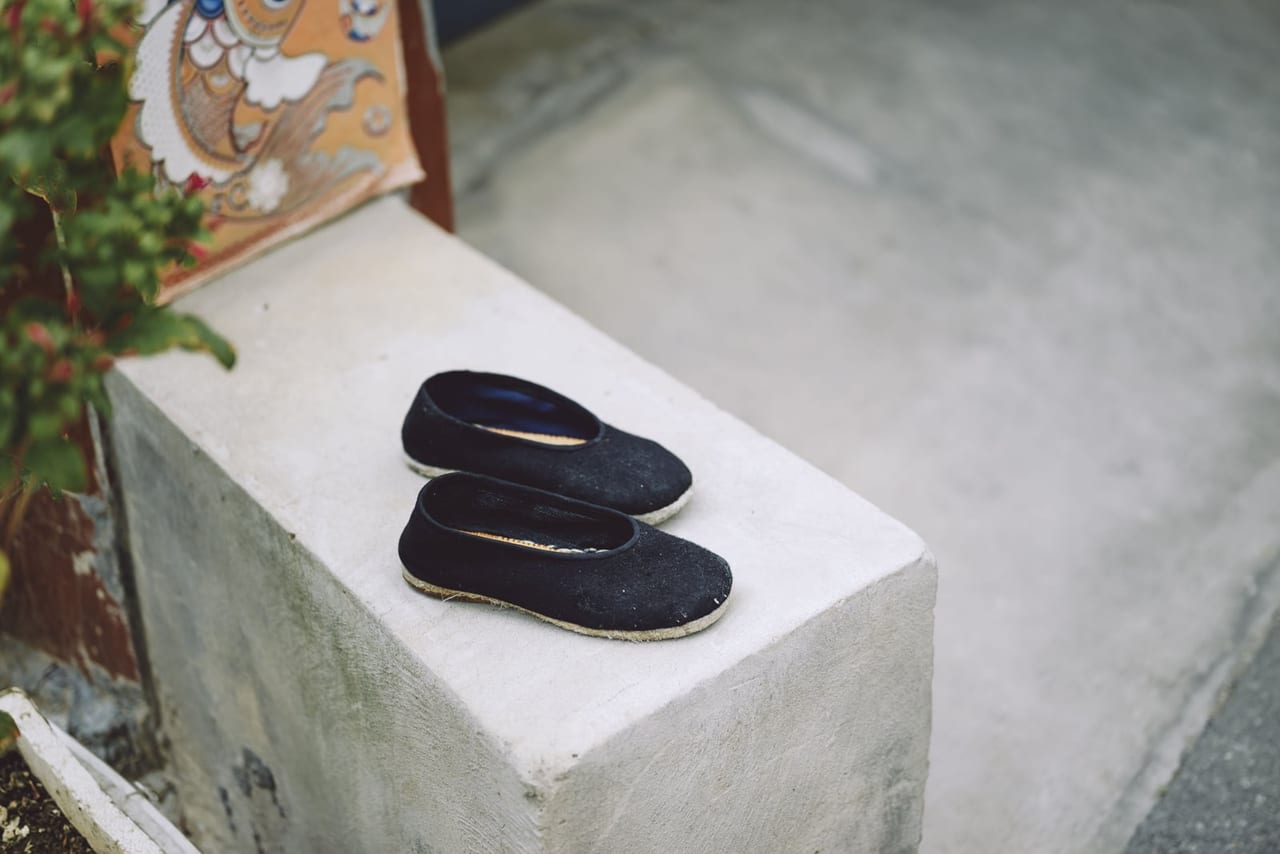
Try new summer shoes on in the afternoon, when feet are at their largest. Rubber, plastic and patent uppers can hold heat and sweat in, while mesh, canvas and leather let air move. Between the two, breathable uppers with a little room to spare suit a long, warm day. Sandals are worth judging in the afternoon too, since straps that feel just right in the morning can rub once your feet swell a little, and straps you can adjust let you loosen them as the day goes on.
A little foot powder can help keep feet drier, and an antiperspirant at bedtime may help feet that sweat heavily; there's more in what causes foot odor. Heat and sweat both cost you fluid, so keep a bottle with you and drink through the day.
Inside the shoe, the insole takes in much of the sweat your feet release on a hot day, which is why the last step takes the insoles out so the shoes can dry overnight. Heat can also warp foam and loosen glue, so keep shoes out of hot cars and dry them away from direct sun. The full routine is in how to keep shoes and insoles fresh.
When hot, tired feet may mean something more
On a hot day, some puffiness around the ankles, damp socks and tired feet by evening are common. A little swelling by the end of a hot day is especially likely after hours on your feet, and it usually goes down overnight.
Pay closer attention if swelling does not go down after a night's rest, affects only one foot or leg, or comes with pain, redness or warmth. A blister or sore that isn't getting better, including one from hot ground, also deserves a look.
Questions people ask
Are flip-flops bad for your feet?
They're fine for the pool and short trips. For a long day of walking, a sandal with a shaped footbed and a strap around the heel gives your feet more support. Flat flip-flops stay on only by the toes, so your feet may work harder.
Do I need sunscreen on my feet?
If they're in the sun, yes. In sandals, the tops of your feet and ankles can be in full sun for hours, and that skin can burn like any other. Include it when you apply sunscreen, and reapply after swimming.
Is it safe to walk barefoot on the beach?
Many people do, but sand, boardwalks, pavement and pool decks can get hot enough to burn bare skin by afternoon. If you have diabetes or reduced feeling in your feet, keep shoes on at all times, even at the beach.
The bottom line
What feels coolest at first isn't always what still feels comfortable by evening. Bare skin in a sneaker, a flat flip-flop and a stroll across hot sand each seem to keep summer simple, yet each can leave feet damp, unsupported or burned. How your feet meet the heat is largely a matter of what you put on them.