Foot Exercises You Can Do at Your Desk
Hours at a desk can leave your feet and ankles stiff by the time you finally stand up. Much of the answer can happen right in your chair, with moves small enough to do on a call.
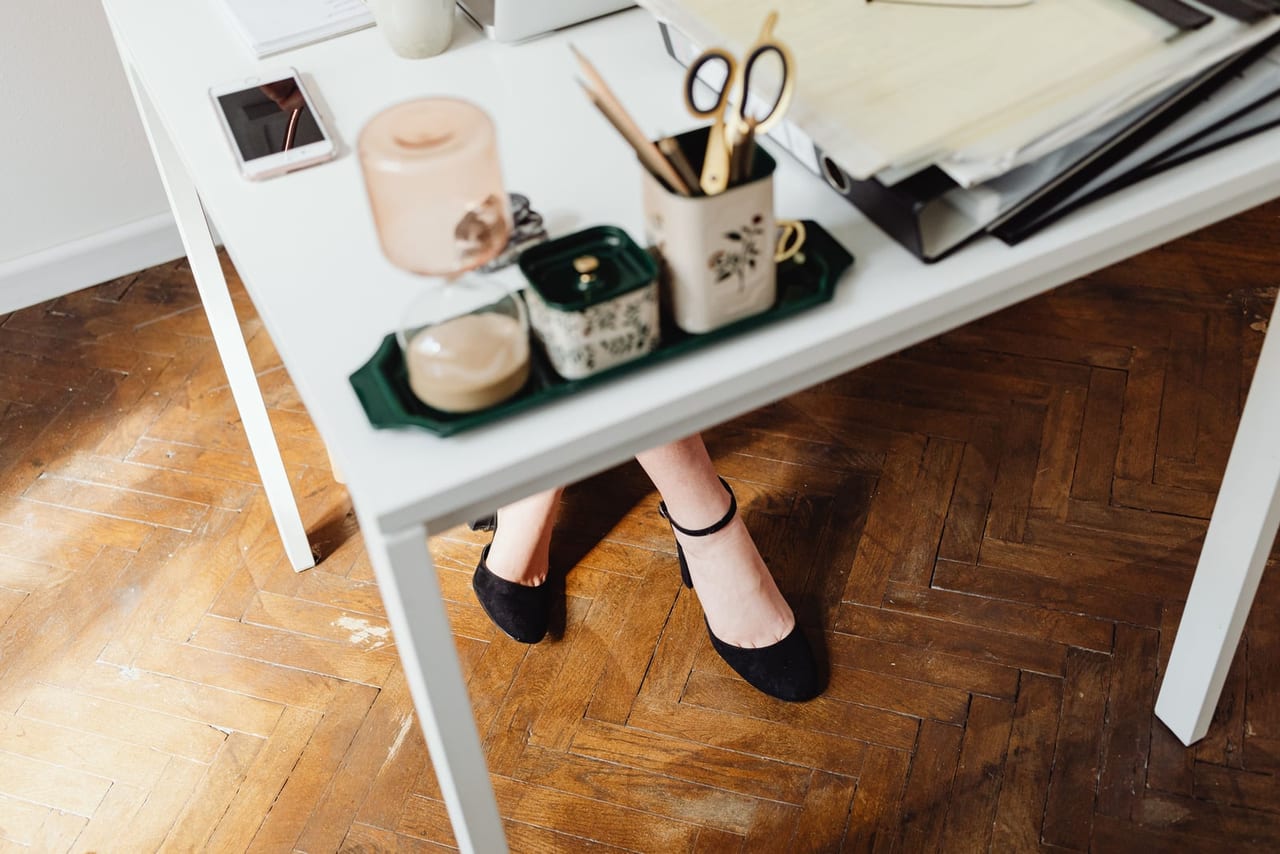
Stand up after a long stretch at your desk and your feet and ankles may need a moment to catch up. The first few steps can feel stiff, even though your feet have carried no weight at all. It's a small reminder that feet are built to move.
A desk day asks them to do almost nothing for hours. They end up tucked under the chair or crossed at the ankles, forgotten until you stand and find them stiff and a little heavy. The obvious question is whether there's anything you could do about that without leaving your seat, and without anyone noticing that you're doing it.
The short answer
Sitting still for hours gives the muscles in your feet and calves very little to do. Joints can stiffen, and without the squeeze that walking gives your calves, your lower legs get less help moving blood and fluid back up. A few quiet exercises in your chair, and a short walk every half hour or so, keep things moving. Move gently and stop any exercise that doesn't feel right, check with a healthcare professional first if you're recovering from an injury or surgery, and get checked, too, if one calf or leg becomes painful, swollen, warm or red.
Why sitting still leaves feet stiff and sluggish
Joints often stiffen when they rest, and a desk gives them little reason to move. Long stretches in the same position, with your feet tucked under the chair or crossed at the ankles, give your feet and legs even fewer chances to shift and stretch. By afternoon that can add up to feet that feel stiff and sluggish.
Your calves also work as a pump. When you walk, each step squeezes your calf muscles, which helps push blood and fluid from your lower legs back toward your heart. Sitting still switches much of that off, so the pump gets little work until you move.
Six quiet exercises for your desk
You don't need a workout to wake your legs up. Every time you lift your heels, your calf muscles tighten, which can give that pump a little work even while you sit. Short, frequent breaks are also easier to keep up than one long session at the end of the day.
Sit toward the front of a steady chair with your feet flat on the floor, which leaves your heels free to lift and your toes free to point. Most of the exercises work in shoes, though the toe moves and the ball roll are easier with your shoes off or loosened. If you have diabetes or reduced feeling in your feet, keep your shoes and socks on.
Raise, point and curl
Sit with your feet flat. Lift your heels, keeping the balls of your feet down, and hold five seconds. Point your toes so only their tips touch, hold, then curl them under and hold. Repeat ten times.
Lift the front of your feet
Keep your heels on the floor and lift the front of both feet toward your shins, then lower them slowly. About ten slow lifts, or fewer if that is enough.
Circle your ankles
Stretch one leg out a little under the desk and slowly circle the ankle, about ten times each way, or fewer if that is enough. Switch feet.
Spread your toes
With your shoes off or loosened, spread your toes as wide as they will go, hold for five seconds, then relax. Repeat ten times.
Roll each sole over a ball
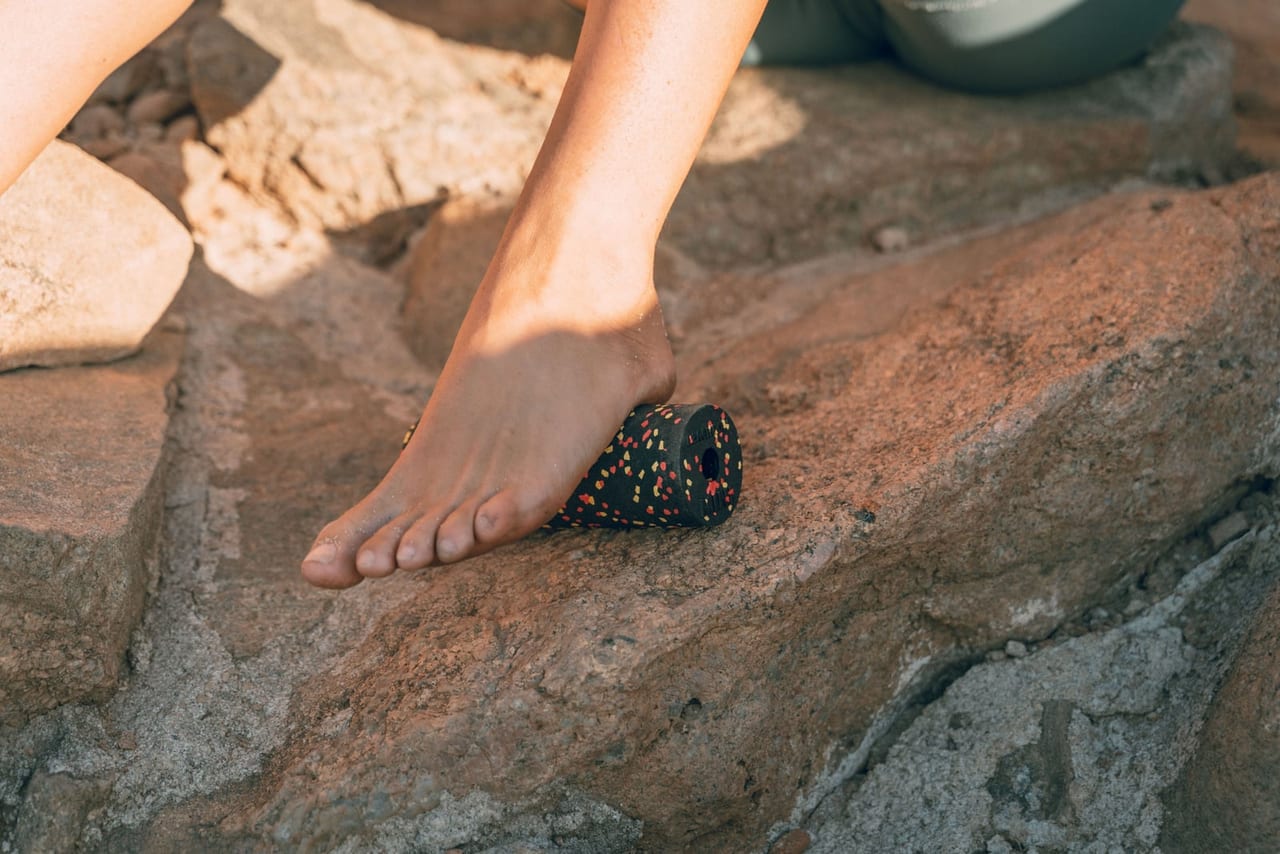
Slip off one shoe and slowly roll your sole over a tennis ball from heel to toes, with light pressure, for about 30 seconds. Switch feet.
Stand, rise and walk
Every half hour or so, stand up, hold the desk and rise slowly onto the balls of both feet a few times. Then walk for a minute or two, or march in place if you cannot step away.
A short round every half hour or so is a good rhythm, plus a walk whenever you can manage one. Joints can stiffen again once you settle back in, which is why one round in the morning doesn't cover the afternoon. A minute of movement fits between emails, and your feet get to move many times a day instead of once. A quiet reminder on your phone or computer makes it easier to remember, and it matters more than it sounds, because stiffness builds while you're absorbed in work and rarely announces itself until you stand.
The seated moves have limits worth knowing. The little work a heel lift gives your calves is no match for a walk, which squeezes them with every step, and that's why the last exercise gets you out of the chair. On days full of calls, the first three moves happen out of sight under the desk, while the toe spread and the ball roll are easier to save for a quieter moment with your shoes off.
Set up your desk for moving feet
A few small changes make it easier to keep your feet moving through the day. Sit so your feet rest flat on the floor, with a footrest or a sturdy box if they don't reach, and clear bags and boxes from under the desk so your feet can stretch out and circle freely. A tennis ball kept under the desk makes the ball roll easy to remember, and tying each move to something that already happens, such as a call connecting or a file loading, does the same for the rest.
Shoes and socks matter more as the day goes on, because tight laces and sock tops can press into the skin and leave marks. Loosen your laces over the top of your foot but keep them snug at the heel. Smooth socks without a tight elastic band are easier on long days than ones that dig in.
When heavy or swollen feet may mean something more
Feet can swell a little over the day, so shoes that felt fine in the morning may feel snug by late afternoon. Faint lines from your sock cuffs are common after a long day too. A little swelling like that usually goes down overnight.
Pay closer attention if one leg swells more than the other, or a calf becomes painful, warm or red. Both legs spend the day in the same chair, so a change that singles out one of them doesn't fit the everyday pattern. A dent that stays in the skin for more than a few seconds after you press it is worth noticing, too. It may not be serious, but it's a reason to get checked.
Questions people ask
Why are my ankles stiff when I stand up after sitting?
Joints often feel stiff after a long sit, the same way they do first thing in the morning. That kind of stiffness is common and usually eases soon after you start moving, and a few ankle circles before you stand can make the first steps feel smoother.
Is a standing desk better for my feet?
Changing position is what matters most. Standing still for hours has its own strain, so switch between sitting and standing, and keep your feet moving either way. On hard floors, a firm mat with beveled edges can feel more comfortable, and there's more in why feet feel tired after standing all day.
Do compression socks help on desk days?
Compression socks may help some people's legs and feet feel less heavy, but they aren't right for everyone. If you have circulation problems, diabetes or another health condition, check with a healthcare professional before trying them, and ask if you're unsure.

The bottom line
Sitting takes the weight off your feet but not their need to move, which is why they can feel stiff after a day of carrying nothing at all. What helps is small and frequent rather than dramatic: movements quiet enough that nobody across the room would notice, repeated through the day instead of saved for the evening.