Ankle Exercises: The Alphabet, Heel Walks and Toe Walks
If your ankles feel stiff when you get up, or a little wobbly on uneven ground, a few minutes of simple movement can help them feel steadier. It can start with nothing more than a chair and the letters of the alphabet.

Most of us notice our ankles only when they complain. The usual moments are the stiff first steps after a long drive, or the small wobble when the ground turns out to be uneven. Behind both is a joint doing a demanding job, holding you steady while the surface changes underneath you.
Stiffness is usually easy to explain, but a wobble is harder to pin down. An ankle can feel unsure without hurting at all, especially one that turned badly some time ago, and the natural suspicion is that it's weak, tight or simply out of practice. The question that matters more is when an unsteady ankle is just an everyday nuisance and when it's worth having checked.
The short answer
Simple ankle exercises move the joint through its full range and work the muscles that hold it steady. You don't need any equipment: trace the alphabet with your toes, circle each ankle, walk on your heels and then your toes, and finish with slow calf raises, a routine of about ten minutes. Move slowly and gently, and stop any exercise that doesn't feel right. If you're recovering from an ankle injury or surgery, check with a healthcare professional before you start, and get your ankle checked, too, if it keeps giving way, stays swollen or won't take your weight.
Why ankles feel stiff or unsteady
Your ankle is really two joints. The main one, where the two bones of your lower leg meet the top bone of your foot, moves the foot up and down, and the joint just below it lets the foot tilt from side to side. Muscles running down from your lower leg steer both. Joints often feel stiff after a rest, which is why ankles can feel tight first thing in the morning or after a long drive.
Tight calves can add to that stiffness. Your two main calf muscles join to form the Achilles tendon, which attaches to your heel, and when they're tight they can limit how far your foot bends up toward your shin. Gentle calf stretches pair well with the exercises below. Muscles matter too: those on the front of your shin lift the front of your foot, your calves lift your heels, and tendons running along the outer ankle bone help steady the ankle when you stand on it. When these muscles are weak or tired, an ankle can feel less sure of itself.
Steadiness isn't only a matter of strength, though. Your feet and ankles are full of tiny sensors, in the muscles, tendons, ligaments and skin, that tell your brain where your foot is and how it's moving. Your brain uses those signals to make small, fast corrections, often before you notice a wobble.
An old sprain shows why that sense of position matters. Most ankle sprains happen when the foot rolls inward and stretches the ligaments on the outside of the ankle. One that didn't fully recover can leave the ankle feeling wobbly, and it may turn again more easily, especially on uneven ground. The sense of position can be dulled for a while after a sprain, so an ankle may feel unsure even once it no longer hurts. Like strength, it responds to practice: slow movements in every direction give it regular work, and simple balance exercises take it further.
Five ankle exercises to try at home
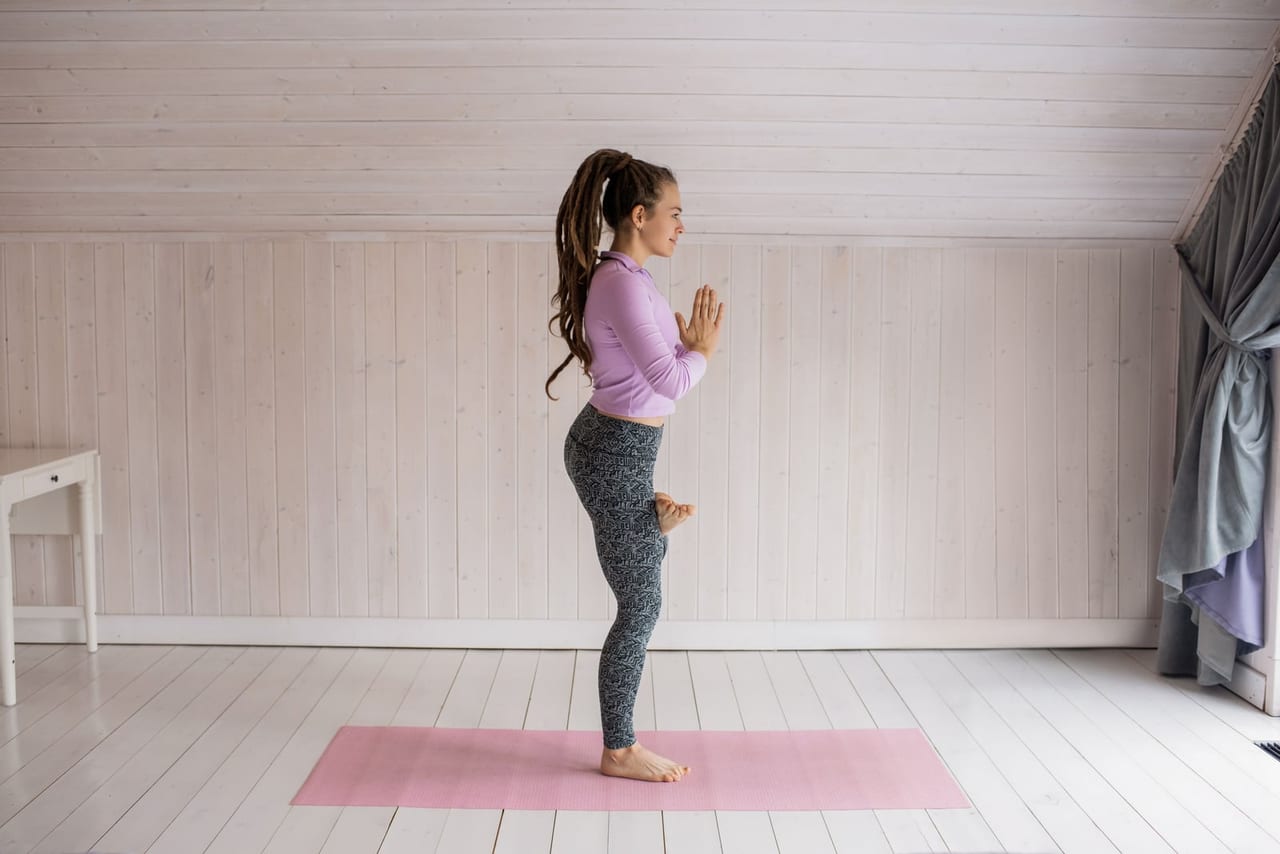
Begin with the two seated moves, then do the standing ones beside a wall or kitchen counter. Start on a flat, non-slip floor with something sturdy within reach, and clear away loose rugs, cords and clutter first. Go barefoot or wear flat shoes that grip, and keep every movement slow and controlled.
Trace the alphabet with your toes
Sit tall and lift one foot just off the floor. Using your big toe as a pen, slowly write the letters A to Z in the air, moving only at the ankle. Once through with each foot is plenty to start.
Circle each ankle slowly
Stay seated and turn one foot in slow, wide circles, about ten one way and ten the other, or fewer if that is enough. Keep the movement smooth, then switch feet.
Walk on your heels
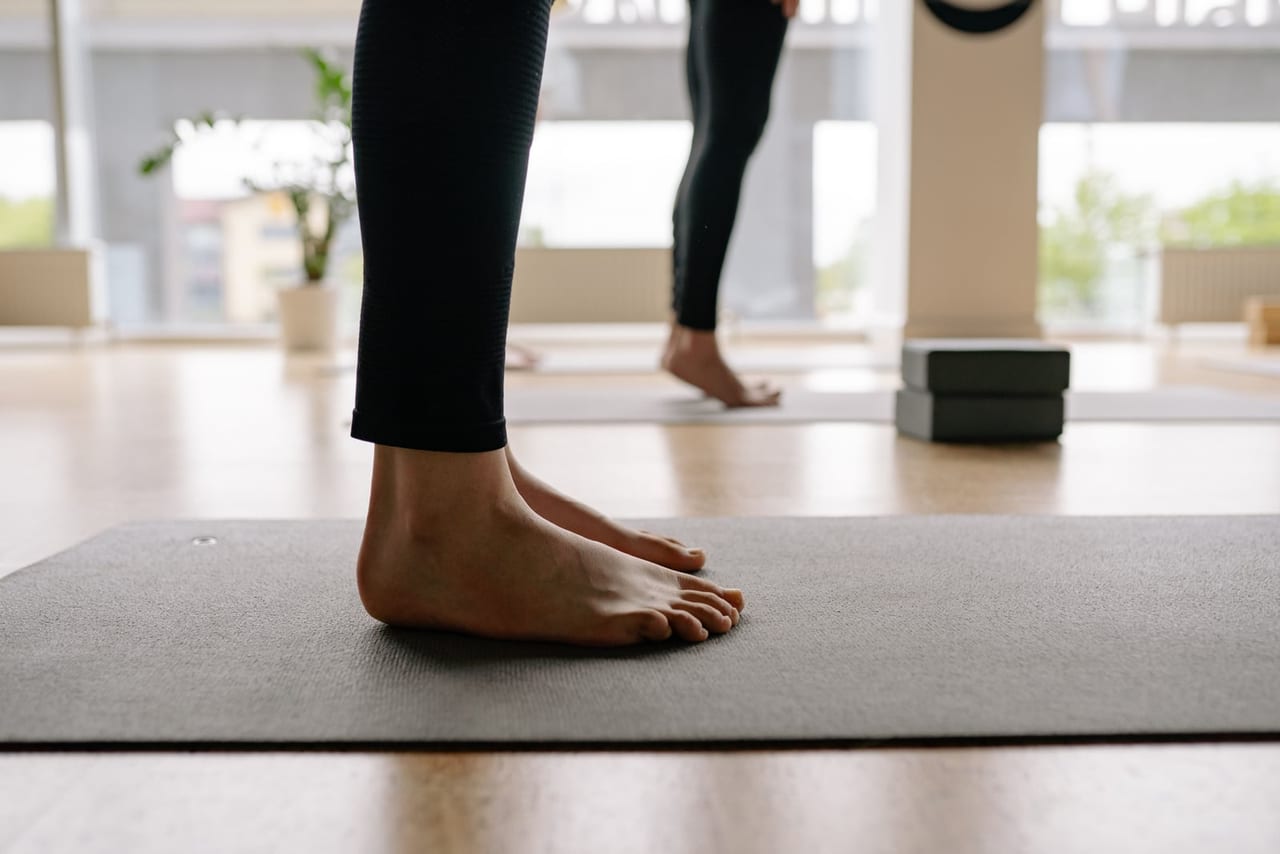
Stand beside a wall or counter. Lift the front of both feet and take about 20 small steps on your heels, or fewer to start, keeping your knees soft.
Walk on your toes
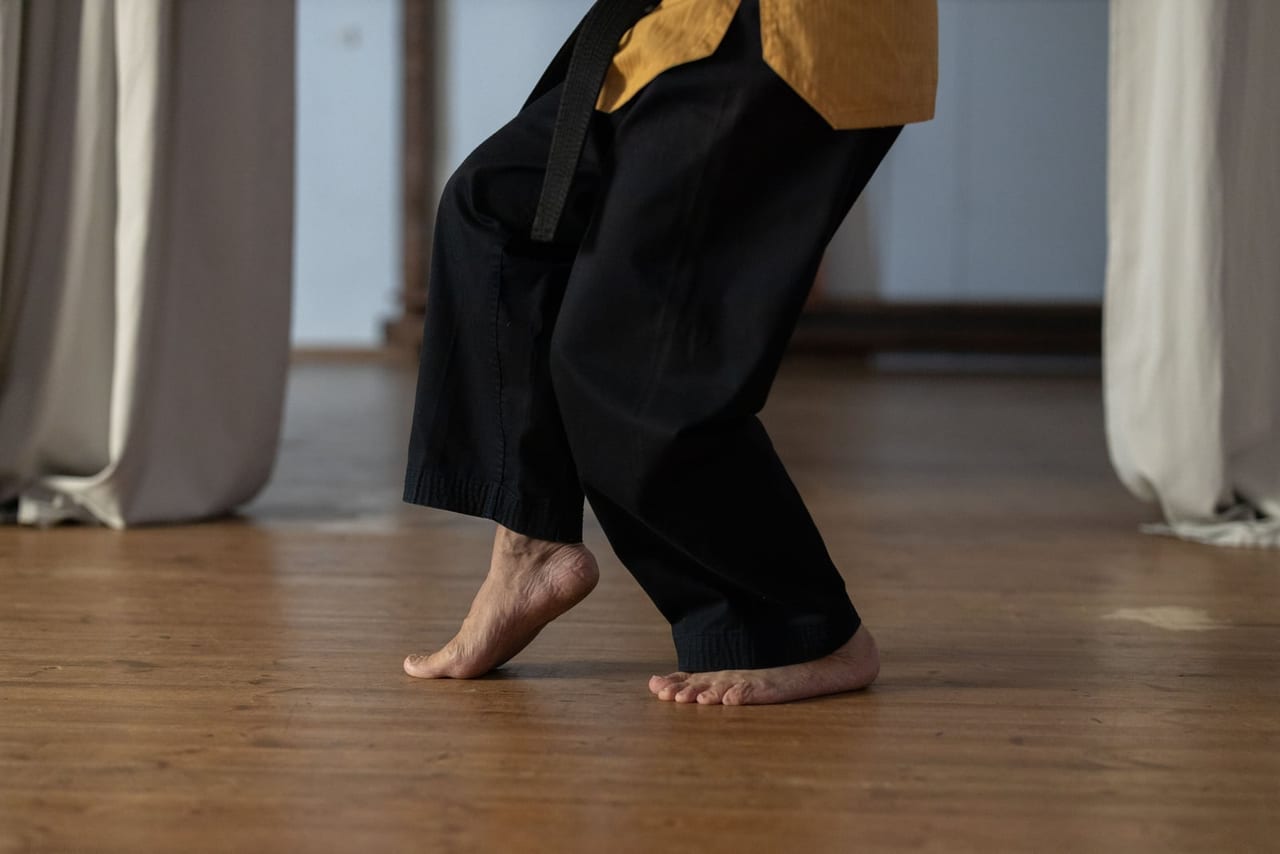
Rise onto the balls of your feet and take about 20 small steps with your heels off the floor, or fewer to start. Keep one hand near the wall or counter.
Finish with slow calf raises
Hold the counter with both hands. Rise slowly onto the balls of both feet, pause, then lower your heels slowly. Do ten, rest, then do ten more.
Gentle range-of-motion moves, such as the alphabet and ankle circles, can be done every day, while the full routine works well three to five days a week. If your ankles feel sore the next day, do fewer. When it all feels easy, try these resistance band exercises.
What is under your feet matters
The rest of the day, your shoes are the base your ankles work from. High heels, shoes that let your heel slip and rough or uneven ground can all make your ankles work harder to keep you steady. For everyday wear, shoes with a low heel and a nonskid sole help give your ankles a steadier base than high or narrow heels.
A snug heel matters as well. A firm heel counter, the stiff back that wraps around your heel, keeps your foot steady, and if your heel slips out as you walk, the shoe is too loose. Soles worn down on one side, or foam that has flattened, are signs a pair is no longer giving you a stable base.
When a stiff or wobbly ankle may mean something more
Ankles that feel stiff or a little unsure are common, and the reasons are usually everyday ones. Stiffness tends to follow a familiar pattern: it shows up after sleep or a long sit and eases once you get moving. Some people also notice a little muscle tiredness after trying new exercises.
Pay closer attention if your ankle keeps rolling or giving way, swells again and again, or stays sore for weeks instead of easing with movement. It may not be serious, but it's a reason to get your ankle checked.
Questions people ask
Should I do ankle exercises barefoot?
Bare feet let you feel the floor and are easiest for the seated moves. For the standing ones, use a non-slip floor or flat shoes with a sole that grips, not socks on a smooth floor, where they can slip. If you have diabetes or reduced feeling in your feet, keep your socks and shoes on.
Why do my ankles crack when I circle them?
Clicks and pops as you move an ankle are common and usually harmless. They often come from gas bubbles in the joint fluid or a tendon sliding over bone. If the noise comes with pain or swelling, have it checked.
Can ankle exercises help after a sprain?
Movement, strength and balance work are a usual part of getting back to normal after a sprain, but timing matters. Ask a healthcare professional when to start and which exercises suit your ankle. If you're still recovering, check with one before you begin this routine.

The bottom line
An ankle does most of its work unnoticed, which is why a stiff first step or a small wobble can feel like a surprise. Steadiness is partly a matter of practice, built on small, fast corrections your brain makes before you're aware of them. That's the part a few minutes of slow movement can keep in use, one letter and one step at a time.