Yoga Poses for Your Feet and Ankles
Barefoot on a yoga mat, your feet stop being something you stand on and become something you notice. A few beginner poses put that attention to work. All they ask for is a wall, a folded blanket and slow breaths.
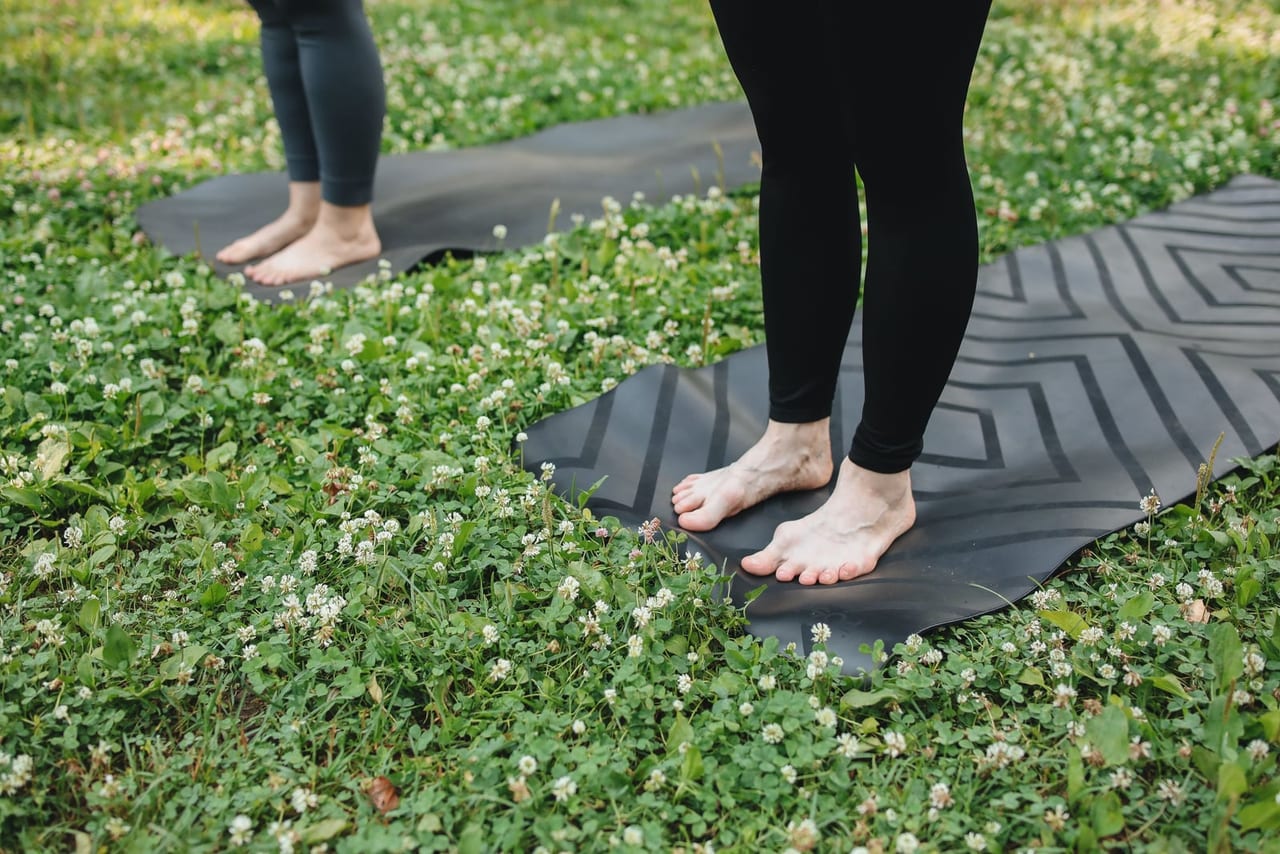
Stand barefoot at the front of a yoga mat, feet side by side, and try to keep your weight perfectly even. Within a few breaths it drifts, back toward the heels, forward onto the toes or a little more onto one foot. Lift and spread your toes, and they may rise together in a clump or barely move apart. It's a small surprise, since you've been standing all your life without thinking about it.
That surprise is much of what yoga offers the feet. The poses are slow, done without shoes and held long enough to feel what usually happens too fast to notice: the toes pressing down, the ankle making tiny corrections. So which poses ask the most of your feet, and how do you do them without straining your knees or your balance?
The short answer
Mountain pose spreads the toes and evens out your weight, tree pose beside a wall asks one foot to balance, and a downward-facing dog with bent knees stretches the calves. Two kneeling poses then bend the toes back and stretch the tops of the feet. Hold each pose for a few slow breaths. Practiced regularly, yoga may help with balance and flexibility, but it won't change the shape of your feet or fix pain that keeps coming back. Move slowly and gently, and stop any pose that doesn't feel right. If you're pregnant or recovering from an injury or surgery, check with a healthcare professional first.
Why bare feet do so much of the work
On a mat there's nothing between your feet and the floor, and every standing pose is built on them. When you stand still, sensors in your feet and ankles keep telling your brain how your weight is spread, and small muscles in your feet, ankles and calves answer with constant corrections. Your toes press into the floor to help steady you.
Each pose leans on a different part of that system. Standing, most of your weight rests on your heels and much of the rest on the balls of your feet, and mountain pose asks you to notice that spread and even it out. Tree pose narrows the base to one foot, so the ankle does more of the adjusting, and you can watch the standing foot keep shifting. In downward-facing dog, the heels reach toward the floor, lengthening the calf muscles that join the Achilles tendon at the back of the heel.
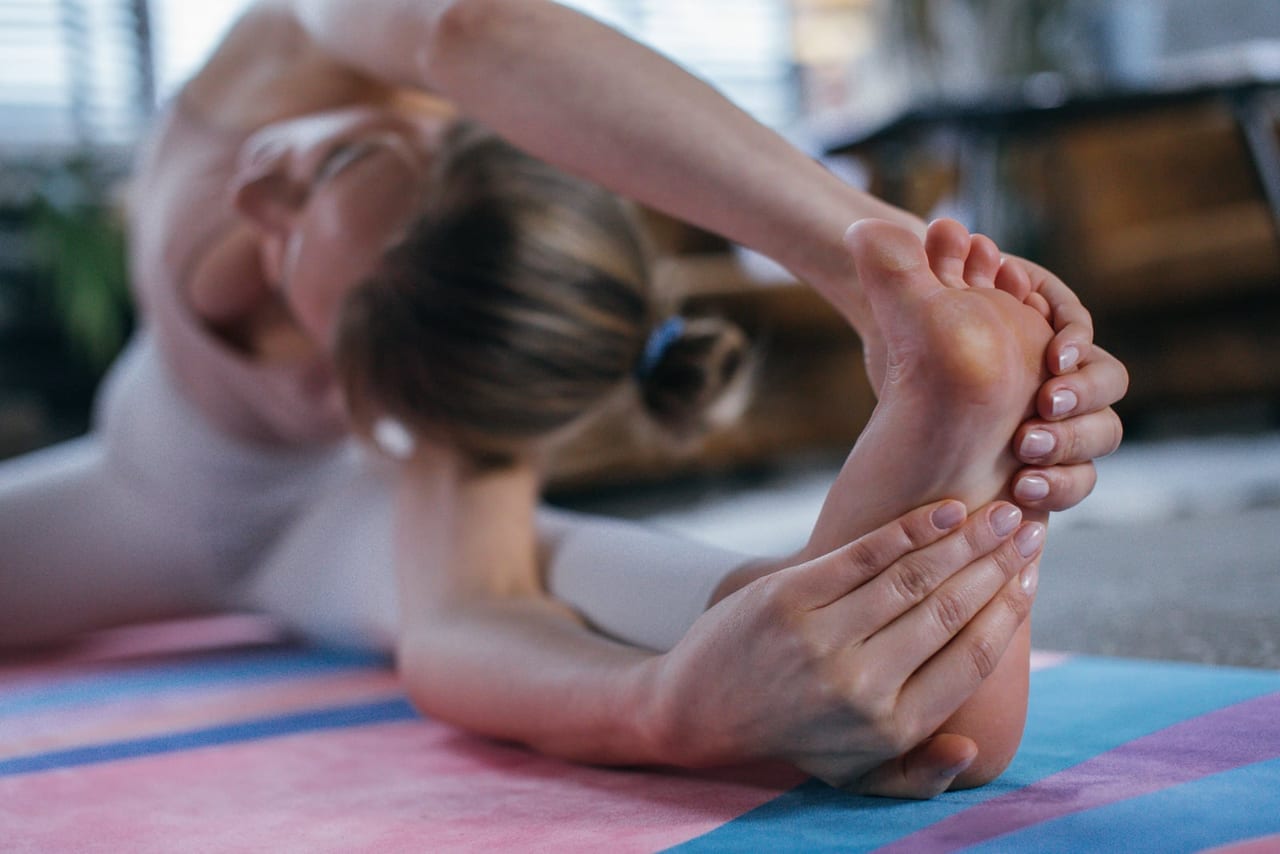
The two kneeling poses work the foot in opposite directions. Tucked under, the toes bend back, which tightens the thick band of tissue under the sole and lifts the arch a little. With the tops of the feet flat on the mat, the foot points instead, and the stretch moves to the top of the foot and the front of the ankle. If spreading your toes feels clumsy, simple toe exercises give the same small muscles practice in a chair.
A gentle yoga sequence, step by step
Five poses take about ten minutes, moving from standing to kneeling to sitting. You need a mat or a rug that won't slide, a clear stretch of wall, a folded blanket and a block or a firm cushion. Practice barefoot, breathe normally, and never bounce or force your heels or knees toward the floor. Move slowly and gently, stop anything that doesn't feel right, and if you're recovering from an injury or surgery, check with a healthcare professional before you start.
Stand in mountain pose
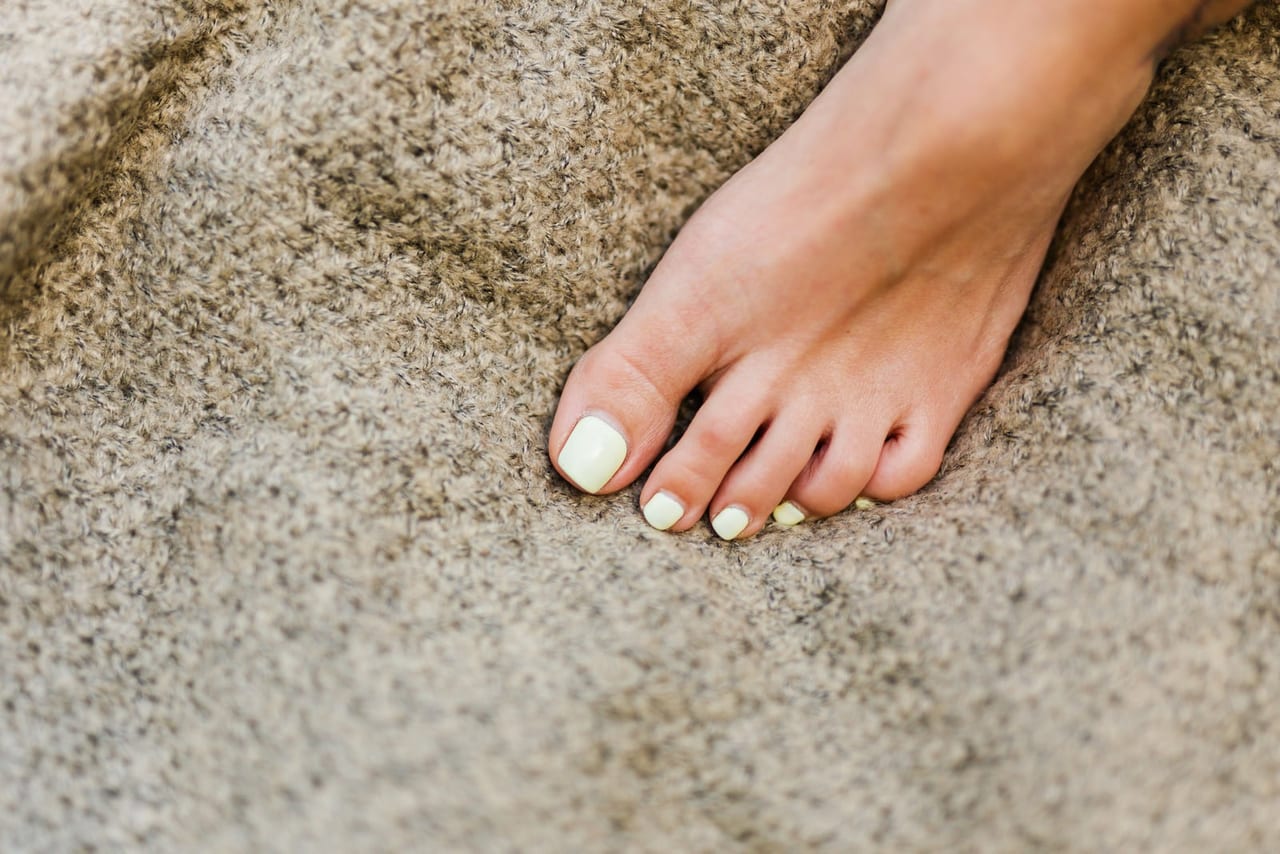
Stand with your feet about hip-width apart and your arms by your sides. Lift and spread your toes, set them down, and rock gently forward, back and side to side until your weight feels even across your heels and the balls of your feet. Stay for five slow breaths.
Balance in tree pose by a wall
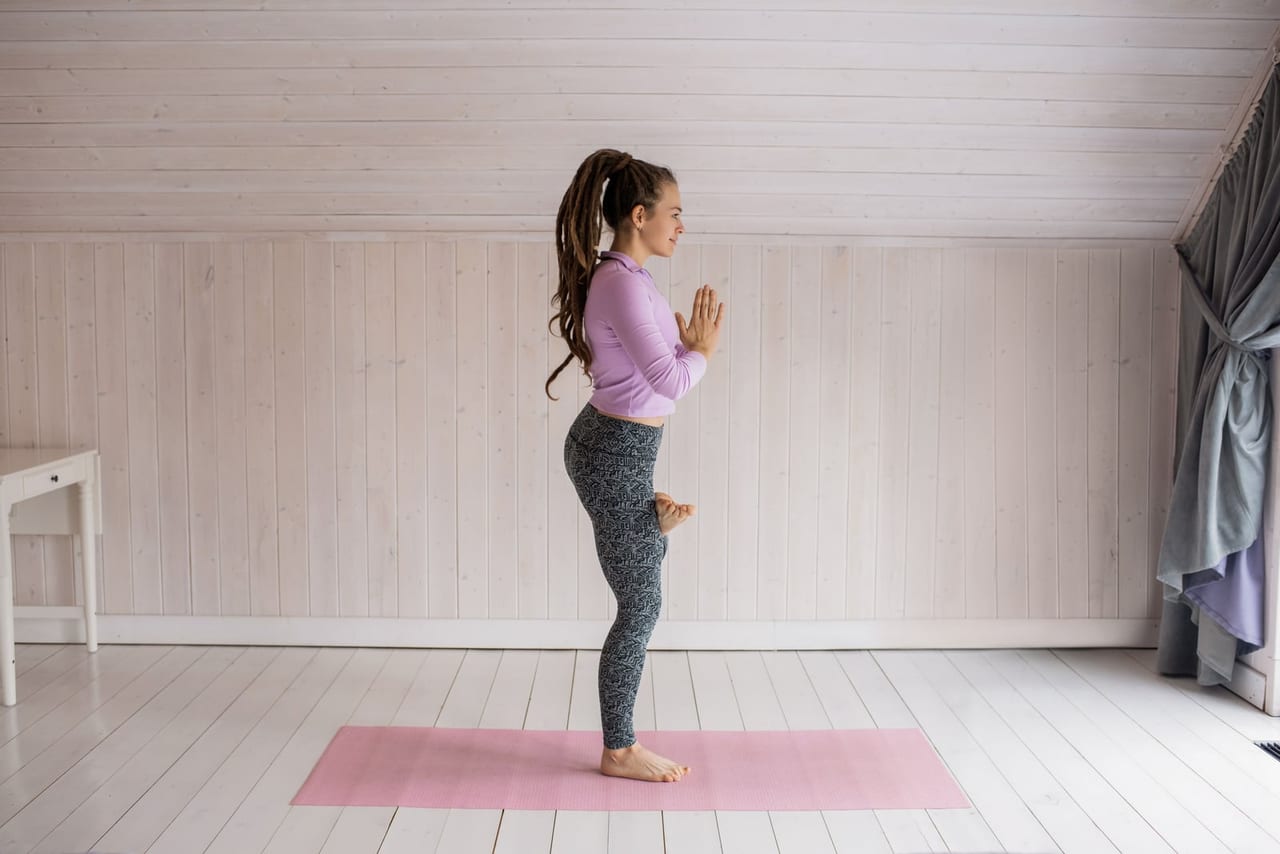
Stand beside a wall with one hand on it and shift your weight onto the foot nearer the wall. Turn the other knee out and rest that foot against the inside of your ankle, toes on the floor, or on your calf, never against the knee. Hold for three to five breaths, then switch sides.
Lift into a bent-knee downward dog
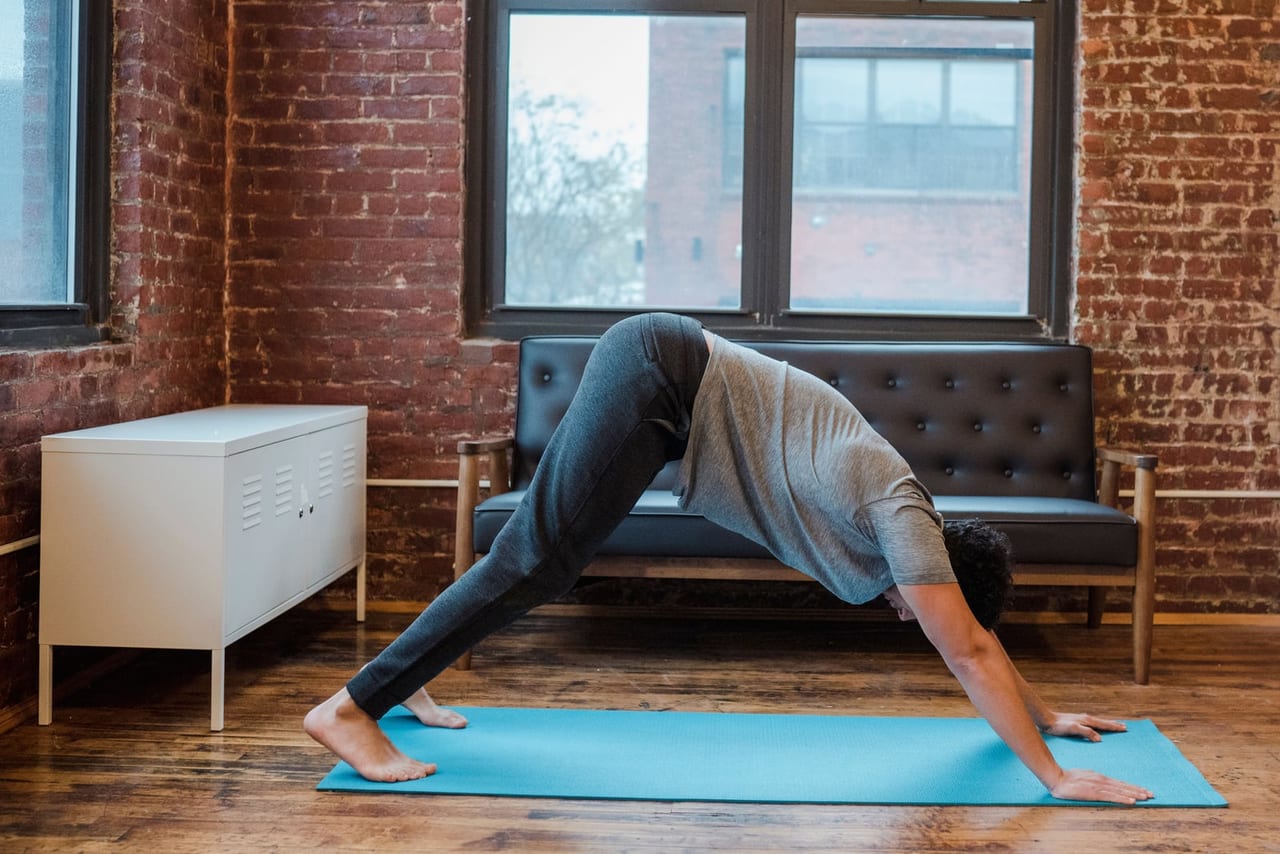
From your hands and knees, hands shoulder-width apart and knees under your hips, tuck your toes and lift your hips up and back into an upside-down V. Keep your knees bent and let your heels reach toward the floor without forcing them. Hold for about 10 to 15 seconds, then lower your knees.
Kneel with your toes tucked under
Kneel on a folded blanket with your toes tucked under and your hands on the floor. Sit back toward your heels only as far as feels comfortable, and hold for three to five breaths. Skip it if your knees or toes object.
Sit back on a supported kneel
Untuck your toes so the tops of your feet rest flat, and sit back onto a block or a firm cushion set between your heels. Slide a rolled towel under your ankles if their fronts feel too stretched. Stay for five slow breaths, then lean forward onto your hands to come out.
The order follows your body down to the floor. Standing poses come while your legs are fresh, and tree pose grows out of mountain pose because both start from the same even stance. Downward-facing dog then stretches the calves, and the two kneeling poses follow each other as a pair. A few breaths is long enough to feel what your feet are doing and short enough to come out before anything strains.
Props that make each pose gentler
Props bring a pose closer to you instead of asking you to force your way into it. A wall turns tree pose from a test into practice: with a hand on it, the standing foot can work without the worry of tipping. A folded blanket cushions the knees in both kneeling poses, and a block between the heels means your knees don't bend as far. In downward-facing dog, a rolled towel under the heels gives them something to press into when they don't reach the mat.
Kneeling asks the most of the knees, and it's the easiest part to swap. If it bothers you even with a blanket, sit in a chair: cross one foot over the other knee and ease the toes back by hand, or gently point the foot, as in stretches for the tops of your feet. Tree pose works as well holding a sturdy chair, and keeping the lifted foot's toes on the floor is a full version of the pose, not a lesser one.
What yoga can and can't do for your feet
Yoga may help with balance, flexibility, range of motion and strength, and your feet share in that: strong feet tend to feel more stable, and flexible ones move more easily. What builds either is regular, gentle practice. A few minutes on two or three days a week counts for more than an occasional long session, and mountain pose or tree pose fits beside the kitchen counter while the coffee brews.
The limits are just as real. Yoga won't change the shape of your bones or your arches, and it isn't a fix for pain that keeps coming back. Most yoga injuries are sprains and strains, and serious ones are rare. Pushing a stretch too far, especially at the knees, is one way they happen, which is why gentle versions come before deeper ones. If you have a health condition, ask your care team which poses suit you, and consider a beginner class with a qualified teacher.
When foot or ankle pain may mean something more
A stretch in your calves, soles or the tops of your feet that fades soon after you come out of a pose is ordinary, and so is an ankle that wobbles in tree pose. The tucked-toe kneel can feel intense, and easing off or adding a cushion is a sensible response. Tired feet or calves after your early sessions are a reason to build up more slowly.
Pain is a different signal. A sharp or pinching feeling during a pose, pain that stays after you stop or pain that lingers for weeks is a reason to get checked rather than push on, and so is swelling or numbness.
Questions people ask
Should you do yoga barefoot?
Usually, yes, on a mat or another surface that doesn't slip. Bare feet grip better than socks, which can slide on a mat or a smooth floor, and they let you see your toes spread. With diabetes or reduced feeling in your feet, ask your care team first.
What if kneeling bothers your knees?
Fold a blanket under them, sit on a block rather than on your heels, or leave the kneeling poses out for now. Seated versions in a chair stretch the same parts of the foot with no weight on the knees.
Can yoga help your balance?
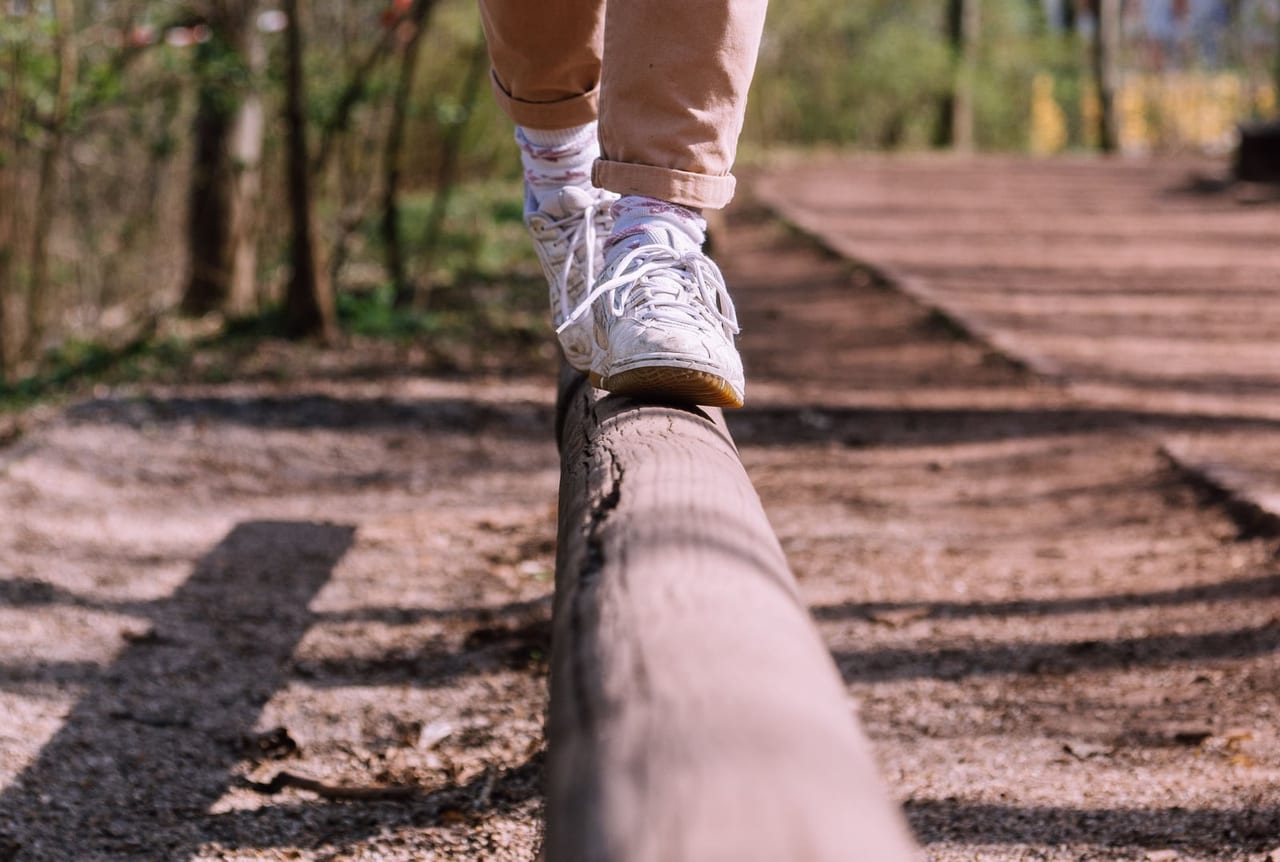
It may. Standing poses such as tree pose give the small muscles and sensors in your feet and ankles regular practice, and a wall or a chair keeps that practice safe. For more, try the balance exercises for your feet and ankles.
The bottom line
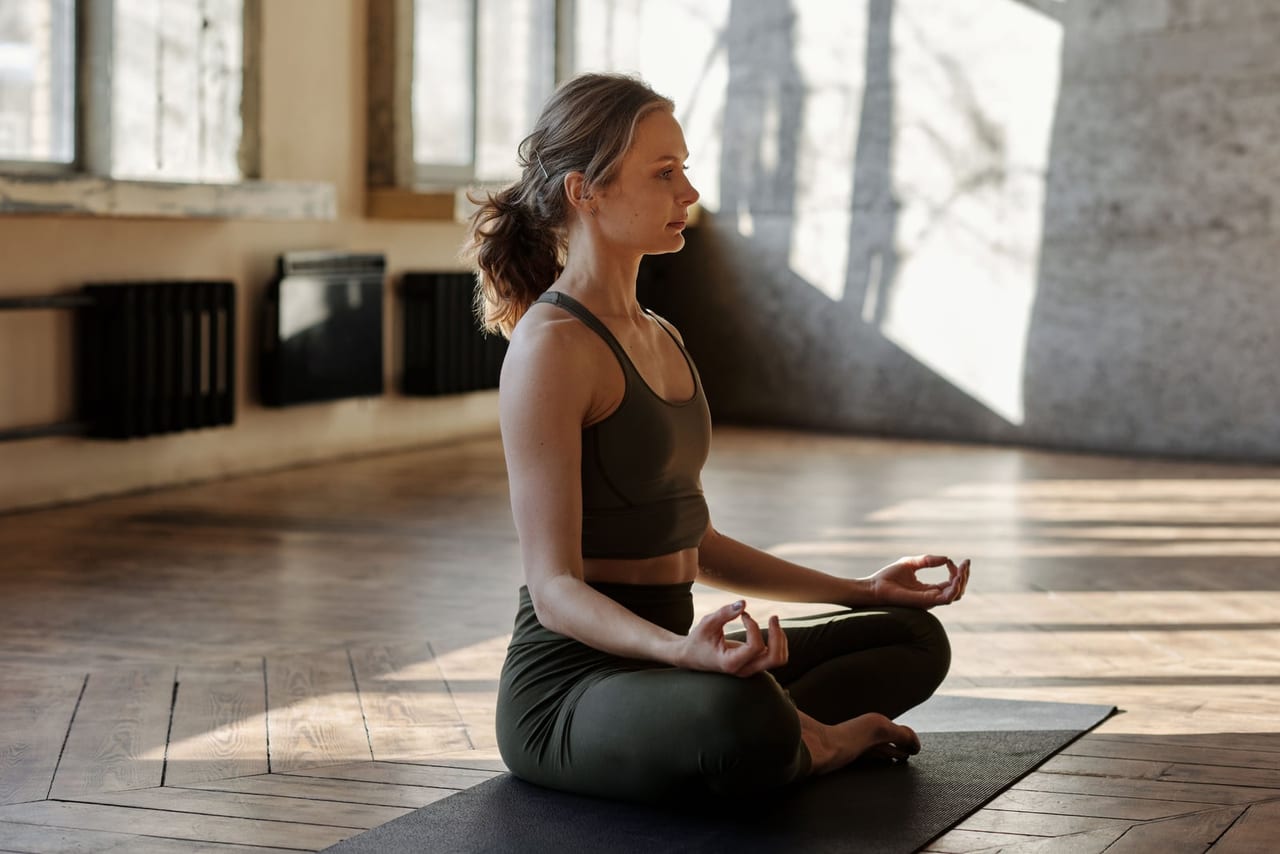
Most of the time your feet work out of sight and out of mind, inside shoes, through movements too quick to notice. Yoga slows a few of those movements to the pace of a breath, so you can feel your weight settle, your toes spread and your ankle steady itself. That attention, more than any single pose, is what a few minutes on the mat gives back to your feet.