Swollen Feet: Everyday Causes and When to Get Checked
Shoes that fit at breakfast can feel snug by supper, and the marks your socks leave around your ankles can take a while to fade. Puffy feet are very often ordinary, but a few patterns deserve a closer look.
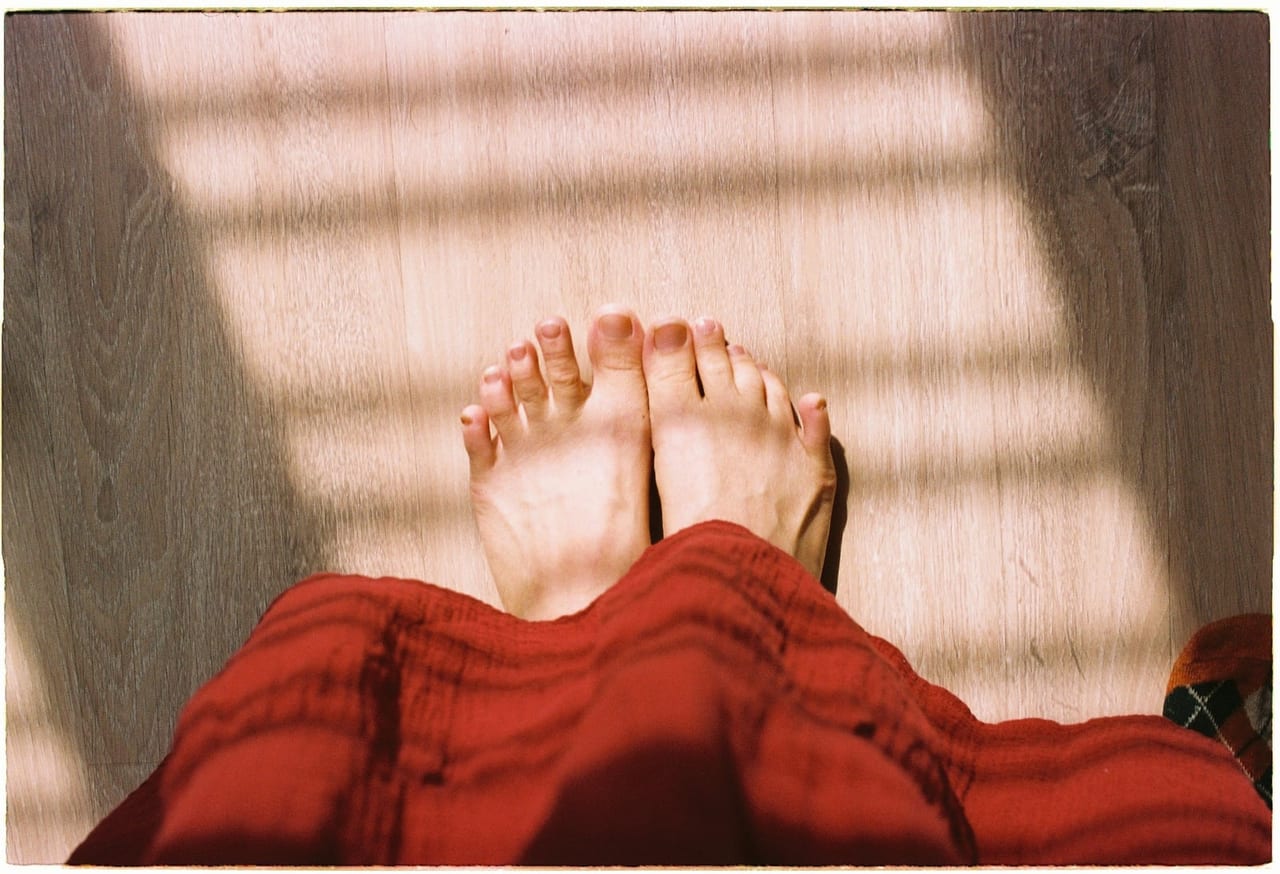
Nobody ran anywhere today. You sat at a desk, drove home and ate dinner at the table, and still the shoes you stepped into at breakfast are a tight fit by evening. When you peel off your socks, the elastic has left a groove around each ankle, and the tops of your feet look a little rounder than they did this morning.
After a night in bed the roundness often looks smaller. That makes it easy to shrug off, yet it raises a fair question that's hard to answer from the bathroom mirror: whether this is simply how a long day looks on a pair of feet, or whether something else is going on.
The short answer
Swollen feet are usually extra fluid that has collected in the tissues of the feet and ankles. Gravity pulls fluid toward the lowest part of the body, so it's most noticeable at the end of the day, after long spells of sitting or standing, in the heat, after a salty meal and in pregnancy. An injury, some medicines and extra body weight can add to it. Day to day, people commonly move around now and then, rest with their feet raised, wear shoes and socks with room and go easy on very salty food. Swelling deserves a closer look when it affects only one foot or leg, comes on suddenly, keeps getting worse or arrives with pain, warmth, redness or a fever.
What swelling in the feet actually is
Your body keeps fluid moving between the blood vessels and the tissues around them, and swelling is what you see when more fluid collects in those tissues than the body clears away. Healthcare professionals call it edema. It shows up most often in the feet, ankles and legs because they sit lowest, and by late in the day gravity has had hours to draw fluid down to them.
Your calf muscles play a quiet part in all this. Each time they tighten, they squeeze the veins running through them and help push blood back up toward the heart, while one-way valves inside the veins keep it from slipping back down. Walking does this with every step. Sit or stand without moving for hours, and the squeeze does much less, so fluid has an easier time settling around the ankles.
What people notice depends on how much fluid there is. A small amount looks like a puffy foot, shoes that feel tight and socks that leave a groove. More can make the skin look stretched or shiny and the legs feel heavy.
Everyday reasons feet swell
Time in one position is the most familiar reason. Hours at a desk, behind a counter or in a plane seat leave the calf muscles idle, and some swelling afterward is common, as the guide to foot comfort when you travel describes. Heat adds to it, and a very salty meal is linked to the body holding on to more fluid. Pregnancy is another common reason, especially in the later months, and looking after your feet during pregnancy covers it in full.
Some causes are local. An injury or surgery on the leg, ankle or foot brings swelling, usually on the side that was hurt. Tight socks, stockings and shoes are worth avoiding when feet are puffy, since they dig in and leave deep marks.
Medicines and body factors come next. Some prescription medicines list swelling as a side effect, among them some used for blood pressure and some hormone-based ones. If you notice swelling after starting one, your prescriber or pharmacist is the person to ask, and stopping a medicine on your own isn't a good idea. Extra body weight and getting older are linked to more swelling too. Some swelling has deeper causes in the leg veins, the heart, the kidneys, the liver or the thyroid, which is why a pattern that doesn't fit the everyday story is worth asking about.
Everyday habits for puffy feet
These six habits are among the ones people most often reach for when their feet puff up. None needs more than a chair or footstool, a few pillows, roomy shoes and socks with soft tops. Move slowly and gently, stop anything that doesn't feel right, and if you're recovering from an injury or surgery, or a healthcare professional has told you how to rest your legs, check with them first.
Break up long sitting and standing
When you've been sitting for a while, stand up and walk for a few minutes. When you've been standing, shift your weight, step in place or make slow ankle circles.
Put your feet up for a while
Rest with your feet raised on a footstool or a few pillows, as high as is comfortable. Evening is when many people find it most welcome.
Leave room in your shoes
Choose shoes with a roomy toe box and laces or straps you can loosen, and try new pairs on in the afternoon, when feet are at their largest. Many people find a soft sole and a low heel more comfortable on puffy days.
Check the cuffs of your socks
Reach for socks and stockings with soft, loose tops rather than tight bands. When you undress, notice whether they've left a deep groove around your ankle.
Go easy on very salty food
Salt is linked to the body holding on to more fluid, so many people pay attention to very salty meals.
Keep a short note of the pattern
Jot down when the swelling shows up, whether it's one foot or both, and any new medicine or change in routine. It gives a healthcare professional something concrete to work from.
Most of these slot into moments you already have: ankle circles during a call, feet up after dinner, a look at your socks when you undress. None is a promise of slimmer ankles by morning. Salt, water and other drinks have a guide of their own in what to drink for your feet.

What a healthcare professional may do
A visit usually begins with questions: when the swelling started, whether it's one foot or both, what seems to make it better or worse, and which medicines you take. A healthcare professional may then look at your legs and press gently on the swollen area to see how the skin responds, and ask about your general health.
If something points beyond an ordinary long day, they may look more closely at the leg veins, the heart, the kidneys, the liver or the thyroid, sometimes with blood or urine tests or an ultrasound scan. Options depend on the cause. A professional may talk through a change to a medicine, compression stockings, habits like those above, or care for whatever condition lies behind the swelling.
When swollen feet may mean something more
Puffiness in both feet that builds through a long day and grows with heat or a salty meal is the pattern most people think of as ordinary. It often looks smaller after rest with your feet up. You otherwise feel like yourself, and the swelling is more a nuisance than a worry.
Pay closer attention when the pattern changes. Swelling in only one foot or leg, especially if it comes on suddenly or hurts, can be a sign of a blood clot and is a reason to see a healthcare professional. So are swelling that keeps growing or hasn't eased after a few days, skin that stays dimpled for a few seconds after you press it, and puffiness that spreads to other parts of the body.
Questions people ask
Why is only one of my feet swollen?
Swelling on one side often has a local reason, such as a sprain, a broken bone or surgery on that foot or leg. When there's no obvious reason, though, it can be a blood clot. That's especially true if the swelling came on suddenly or the leg hurts or feels warm, and it's one to have looked at.
Should I wear compression socks for swollen feet?
They're one of the options a healthcare professional may suggest, and many people who use them put them on first thing, before the day's swelling builds. They aren't right for everyone. The strength and fit matter, so check first if you have diabetes, circulation problems or another health condition.
How high should I raise my feet?
Resting them on a footstool or pillows is the usual suggestion, and some people lie back with their legs on pillows above the level of the heart. No single length of time is agreed on, so comfort is a fair guide. Anyone with a heart or circulation condition can ask what suits them.
The bottom line
Ordinary foot swelling tends to follow the shape of the day: it builds with hours in one position, with heat and with a salty meal, and it softens with rest. That regular rhythm is what makes the exceptions stand out. Feet that swell on one side, all at once or alongside other changes are telling a different story from feet that have simply spent a long day low and still.