What to Drink for Your Feet: Water, Milk, Coffee and More
By evening your shoes can feel snugger, a foot muscle can seize without warning, and it's natural to look back over what you drank that day. Some drinks have a real connection to your feet, others a looser one, and none is a shortcut.
Think of an ordinary workday afternoon: a coffee first thing, another at ten, a soda with lunch, and the water bottle you filled at eight still nearly full beside the keyboard. When you finally slip your shoes off at home, your feet feel snug and a little tired, and now and then an arch gives a warning twitch. It's an easy leap from that scene to the drinks, and plenty of online advice makes the leap for you.
The short answer
For most people, water is the drink to build a day around: sip it steadily, drink more in heat or when you sweat, and let pale-yellow urine be a rough guide. Milk and calcium-fortified plant milks supply calcium and often vitamin D, which play a part in how bones are built and maintained. Coffee counts toward your fluids in ordinary amounts, while alcohol and sugary drinks come with limits.
No drink replaces care for cramps, swelling or tired feet, and what's known about fluids and foot cramps is mixed. Talk with a healthcare professional about tingling or numbness that spreads, swelling in one leg, cramps that come often or a sudden hot, red, painful toe joint.
Water as the everyday default
Water is the default for a simple reason: it has no sugar, no caffeine and nothing to count. Most healthy adults do well to drink when they're thirsty and with meals, since food supplies a share of the fluid you need and other drinks, including coffee, tea and milk, count too. There's no single amount that suits everyone, and needs rise with heat, hard work, fever and illness.
Thirst works well for many healthy adults, but it's a less dependable signal for athletes, people who are ill and older adults, whose sense of thirst tends to dull with age. For them, regular drinks through the day beat waiting to feel dry. In the heat, the usual advice is to drink before you feel thirsty and keep sipping.
Urine color gives a rough read. Pale yellow usually means you're drinking enough, and a darker yellow or amber suggests you may need more. Because some vitamins, foods and medicines change the color on their own, take it as a cue, not a measurement; if it stays dark however much you drink, a healthcare professional can tell what is going on.
What fluids can and can't do for cramps and puffy feet
Heavy sweating in the heat costs the body water and salt, and low fluid and mineral levels are among the things linked to muscle cramps, which is why fluids are often the first thing people reach for. For cramps during or after exercise, though, the evidence is mixed. In lab tests, dehydrated volunteers didn't seem to cramp more easily, and many now think tired muscles and the nerve signals that control them play the larger part. Staying hydrated is still sensible, though it's no promise, and why feet cramp covers what else is linked to cramps.
Puffy feet at the end of the day have their own usual suspects: a salty meal, a hot afternoon, and hours of standing or sitting still. How that swelling works, and which kinds need a closer look, is in everyday causes of swollen feet. Swelling that comes on suddenly or in one leg needs different attention, covered below.
Milk, juice, coffee and sports drinks
Milk and calcium-fortified plant milks, such as soy, almond and oat, are everyday sources of calcium. Calcium plays a part in how bones are built and maintained, including the many small bones in your feet, and vitamin D, which is added to most milk in the United States, helps the body absorb it. Plant drinks vary in what's added, so read the label. A varied diet usually supplies both nutrients, and more of something you already get plenty of doesn't mean more benefit; a dietitian can say what's right for you, including if an allergy rules milk out.
Juice keeps much of a fruit's vitamins, and it can be a source of vitamin C, but it loses the fiber and the sugar arrives quickly. Dietary guidance generally regards whole fruit as the better everyday choice, with juice a small part of it. A smoothie of whole fruit keeps its fiber, while a large one built on juice can be high in sugar and calories.
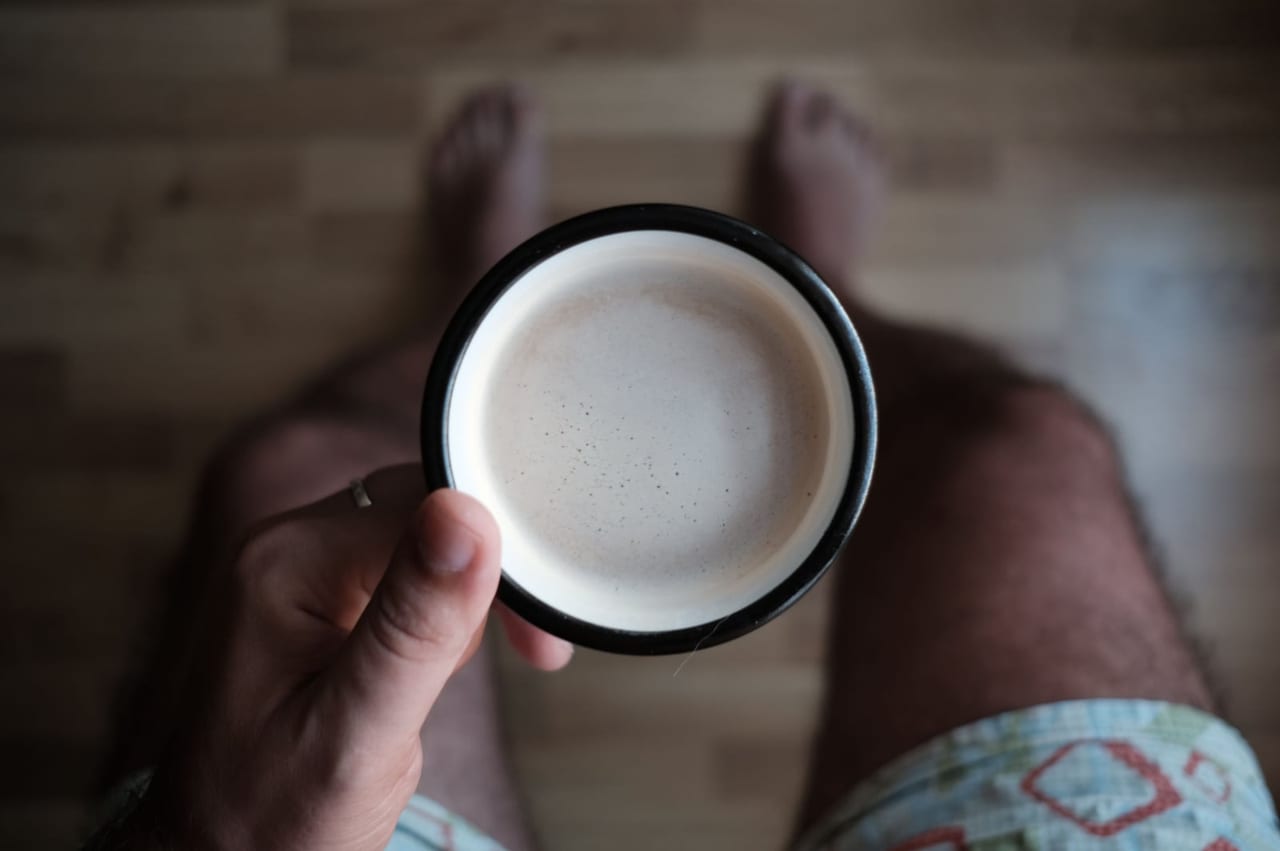
Coffee counts toward your fluids in ordinary amounts. Caffeine makes you pass more urine, but the fluid in the cup largely offsets it, and a very large amount at once is a different matter. Caffeine can also cut into sleep without your noticing, so many people move the last cup earlier. Tea has its own guide in tea and your feet.
Sports and electrolyte drinks replace water plus some of the salt lost in sweat. On most days water is enough, and ordinary meals and snacks replace the salt. These drinks make more sense in long, hard, sweaty stretches, such as a full day of heavy work in the heat. Many contain added sugar and aren't meant to be an all-day drink.
Where alcohol and sugary drinks come in
If you drink alcohol, it makes you pass more urine, so it adds to fluid loss on a hot day or after sweating, and water alongside it is the usual advice. Heavy drinking over many years is linked to nerve damage that often starts as numbness, tingling or burning in the toes and soles, and the poor eating that can go with it may add to the damage. Numbness and tingling have many causes, so they're worth checking either way.
Gout is a painful joint condition that tends to strike suddenly, most often at the base of the big toe, with intense pain, swelling, redness and heat. Alcohol, especially beer and spirits, and sugary soft drinks are linked to a higher chance of gout, and juice has been linked too in large groups of people followed for years. Drinks are only part of the picture: genes, body weight, kidney function and some medicines also play a part.
Drinking habits that fit an ordinary day
Nothing here needs measuring or counting. These are habits many people find easy to keep, and they need only a bottle or glass, water and, if you like, a note on your phone. They sit alongside shoes, movement and rest, not in place of them.
Keep water within sight
Fill a bottle or glass in the morning and keep it where you'll see it. A drink in sight tends to get sipped.
Have water with meals
Pouring water with breakfast, lunch and dinner ties the habit to something you already do.
Make water the default
When you're choosing a drink, reach for water and keep soda, sweetened coffee drinks and juice for occasional extras.
Pair coffee or alcohol with water
If you drink either, have water before and after. Many people also move their last coffee earlier in the day if caffeine affects their sleep.
Sip ahead of thirst in heat
On hot or very active days, start drinking before you feel thirsty and keep sipping. After long, heavy sweating, salty food with water, or a sports drink, is a common choice.
Glance at your urine color
Pale yellow is the usual sign you're drinking enough, and a darker yellow suggests a few more sips. Some vitamins, foods and medicines change the color, so take it as a rough cue.
The pattern matters more than any amount: water within reach, sugar and caffeine as occasional extras, and a little more attention on hot or active days. Foot health depends on far more than drinks, including shoes, movement, genes, age and health conditions, so no drink makes up for care a foot needs.
When tired, puffy or tingling feet may mean something more
Feet that feel snug after a hot, salty, busy day, or a single cramp after a long walk that passes within minutes, are ordinary experiences. Swelling like that often settles on its own. Both are common, whatever people happen to drink.
Pay closer attention when the pattern changes: cramps that come often or wake you at night, tingling or numbness that spreads, swelling on one side only or that keeps growing, or a toe joint that turns suddenly hot, red and very painful. Another glass of water isn't the answer to signs like these.
Questions people ask
Can you drink too much water?
Yes. Very large amounts of plain water in a short time can upset the body's balance of salt, a concern mainly in very long, hard events and for people with kidney, heart or liver conditions, who may have fluid limits.
Do sports drinks help with foot cramps?
Heavy sweating in the heat is one of the things linked to cramps, so people often reach for a sports drink on long, hot days. Whether it makes a difference to a given cramp isn't settled, since tired muscles seem to matter at least as much.

The bottom line
What you drink is part of the background of a day on your feet, not a lever that changes how they feel. Water close at hand covers most of it. The other drinks are choices for taste and habit rather than for your feet.