Foot Cramps: Why They Happen and What Can Help
A cramp can seize the arch or curl the toes without warning, often at night or after a long, active day. It hurts, it passes, and it tends to leave you wondering why your own foot just turned against you.
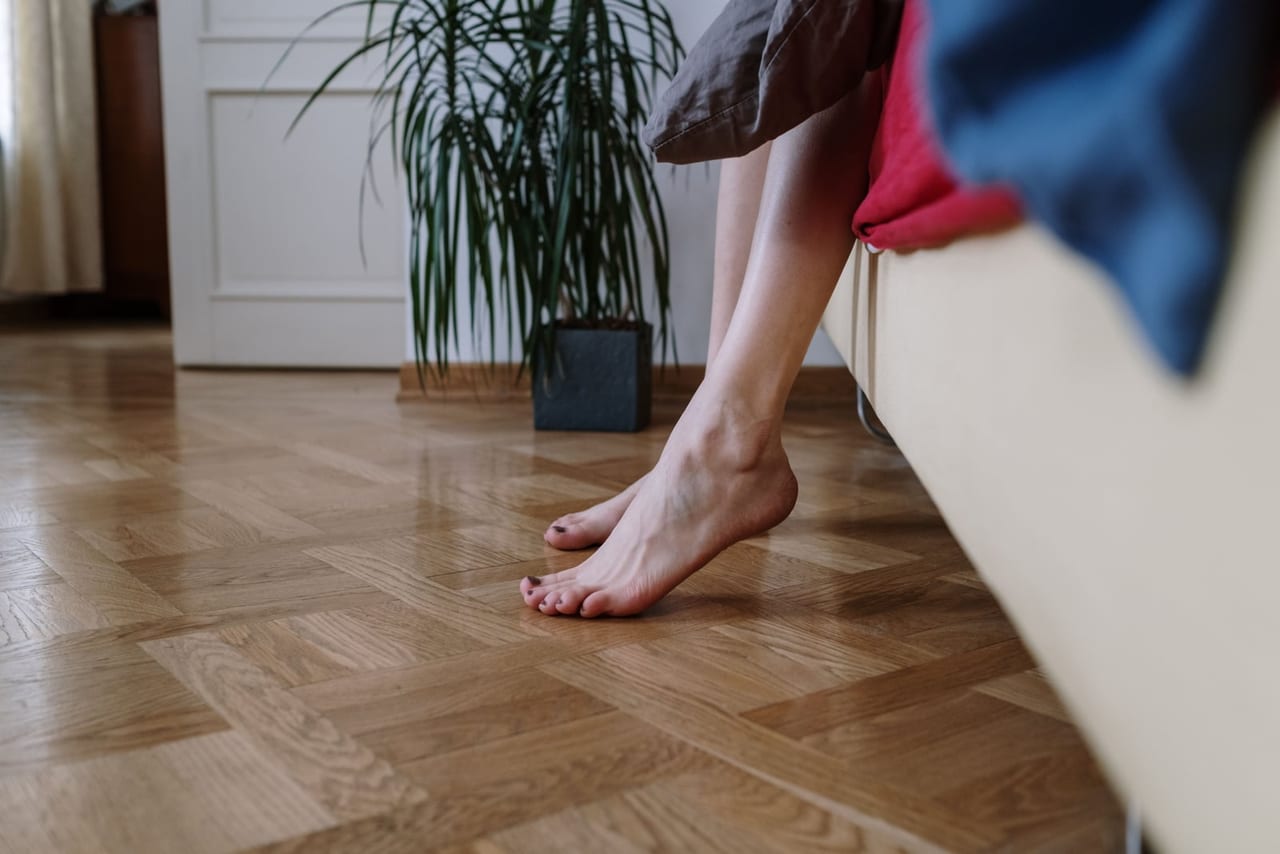
It tends to arrive just as you're drifting off, or in the small hours when you shift under the covers. The arch of one foot draws tight, the toes curl under on their own, and the sole turns as hard as a knot. For a long few seconds nothing you do makes any difference, and then it lets go, leaving a dull soreness behind. The same grip can catch you at the end of a long, hot walk or while you sit with your feet tucked under you, and it's startling enough to make anyone wonder whether something is wrong.
The short answer
A foot cramp is a sudden, involuntary tightening of a muscle in the arch or toes, usually lasting from a few seconds to a few minutes. There's often no single clear cause, but cramps are linked to tired muscles, too little fluid in heat or exercise, long periods in one position, tight shoes, age, pregnancy and some medicines. While one lasts, stretch the muscle gently by pulling your toes back toward your shin or standing on the foot, then rub or warm it. Talk with a healthcare professional if cramps are severe, frequent or disturb your sleep, or if they come with weakness, numbness, swelling or skin changes.
What happens when a foot cramps
A cramp is a muscle contracting without your say-so and then refusing to relax. In the foot it usually grips the arch, where the muscle can bunch into a hard ridge under your fingers, or the toes, which may curl under. Small muscles inside the sole share the work of moving the arch and toes with longer muscles in the lower leg, so a cramp can start in the foot itself or arrive along with one in the calf. Most last from seconds to minutes, and the muscle may stay sore for up to a day.
Why a particular cramp starts is often a mystery, and for most of them no clear cause is ever found. The main idea is that a tired muscle and the nerve signals controlling it seem to fall out of step, so the message to contract keeps firing. That fits the pattern most people notice, with cramps clustering around fatigue, heat and long hours in one position, and it fits the usual response too: lengthening the muscle gently rather than waiting it out.
What makes a foot cramp more likely
Tired muscles are the thread running through most cramps. A longer walk than usual, a new workout or the first weeks back at a sport can leave the small foot muscles fatigued, and a fatigued muscle cramps more easily. Heat raises the stakes, because sweat carries away fluid along with salt and minerals such as potassium, magnesium and calcium. Not drinking enough is one of the things most often linked to cramps.
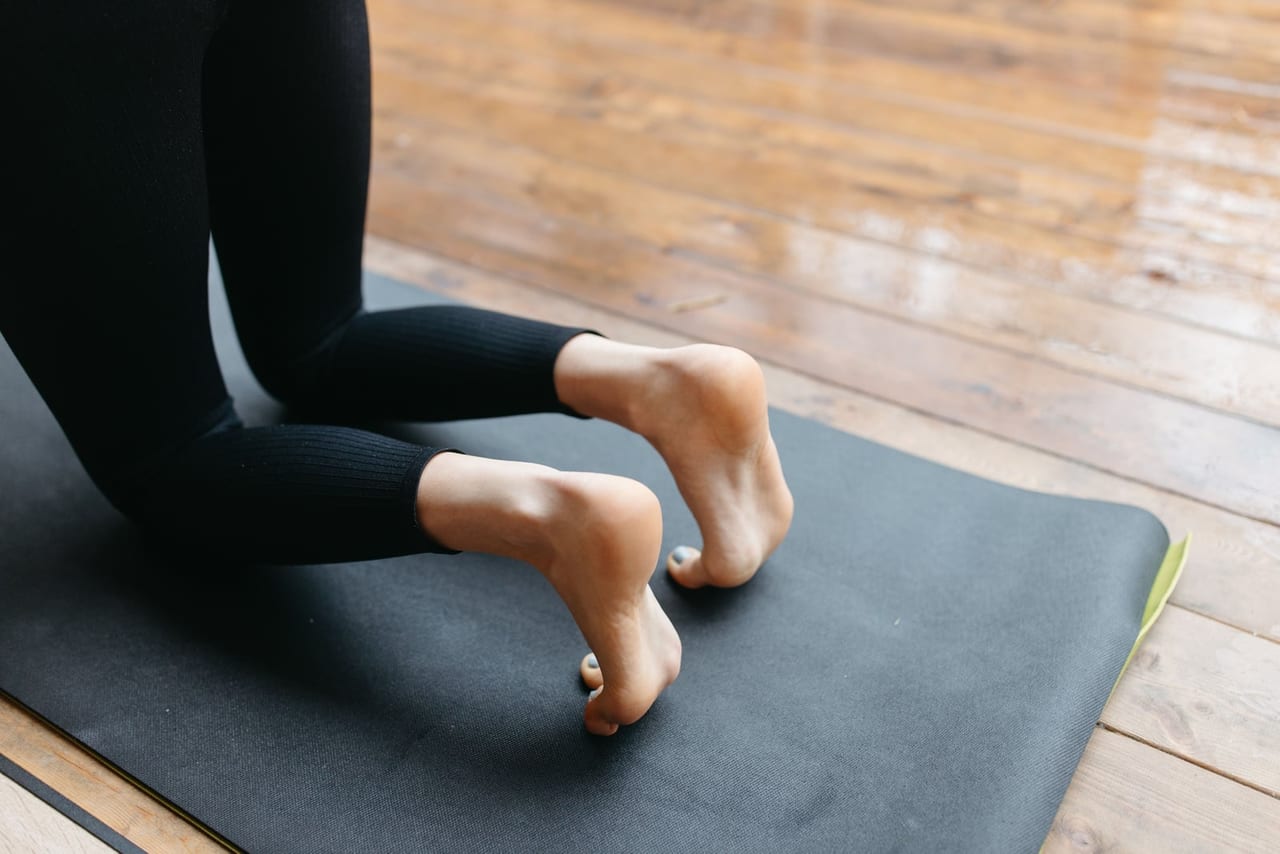
Position plays a part as well. Holding a muscle in one position for a long time is linked to cramping, and long stretches of sitting count. With the foot pointed, the calf muscles and some of the muscles that curl the toes are held short, and a short, tired muscle seems more likely to seize. Shoes that are too tight or too small can add to it by squeezing the toes and limiting how they move.
Some factors sit outside your daily choices. Cramps become more common with age, partly because muscles gradually lose mass, especially with less activity. They're also more likely in pregnancy, mainly in the later months, and with some medicines, including some water pills (diuretics) and cholesterol-lowering statins. Low mineral levels in the blood and some conditions affecting the nerves or blood flow can play a part too, so cramps that keep coming back deserve a conversation rather than a shrug.
Why so many cramps come at night
Night is when many foot cramps make themselves known. Lying down, your feet tend to rest with the toes pointed, and tucked-in sheets or a heavy blanket can hold them there for hours, keeping the calf and toe muscles short. Add the leftover fatigue of a long day on your feet, and the conditions for a cramp are all in place.
That's why night habits tend to be simple and mechanical. Untucking the covers at the foot of the bed takes the downward pressure off your toes. Back sleepers can use a pillow to keep the toes pointing up, and stomach sleepers can let their feet hang off the end of the mattress. Some people also find that warm socks or a few minutes of easy movement before bed, such as a short walk, make a difference.
What to do during a cramp, and before bed
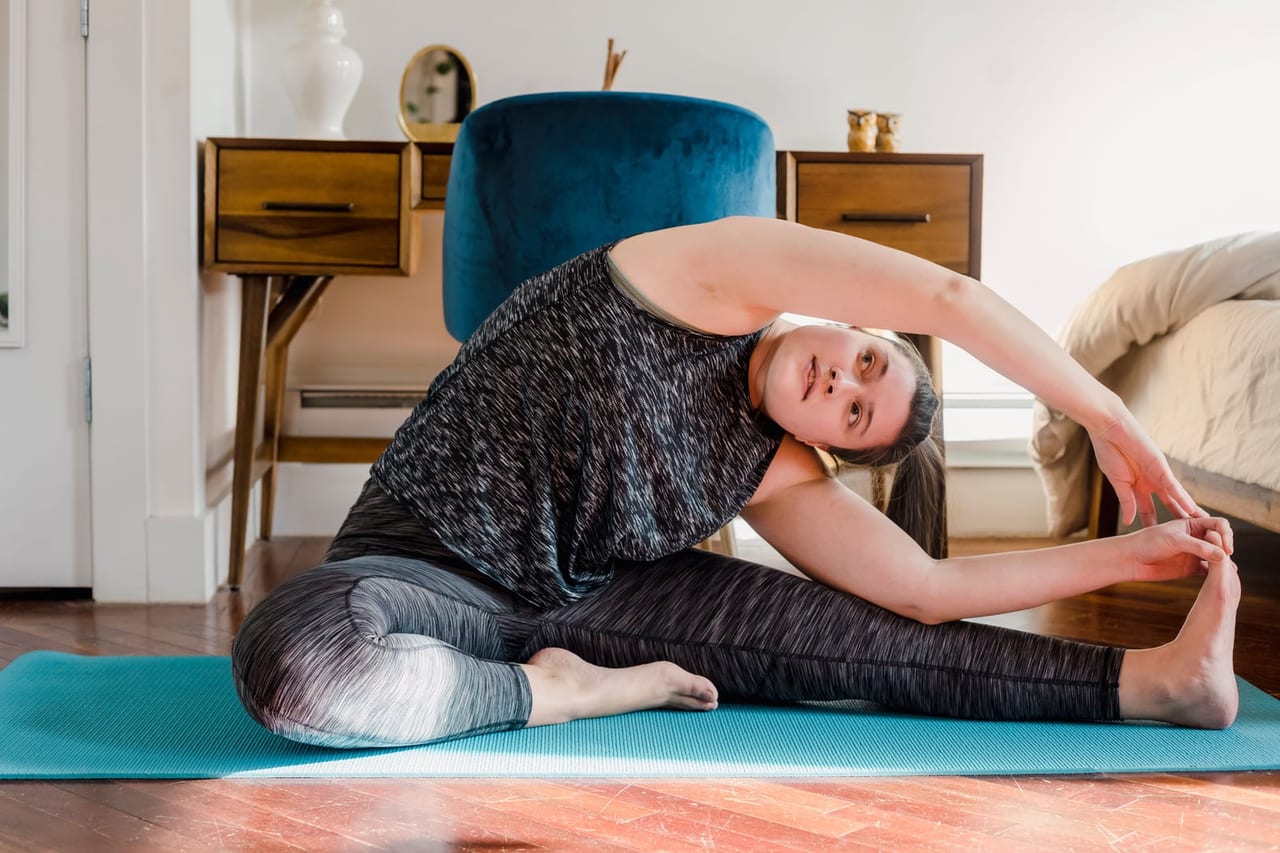
The first three steps are for the moment a cramp takes hold, and the last three are habits for the day and the evening. You need only a towel, somewhere to sit and some water. Move slowly, ease into each stretch without bouncing, and stop anything that feels sharp or wrong.
Stretch the muscle gently
Sit and pull the toes of the cramping foot slowly back toward your shin, or loop a towel around the ball of the foot and draw it toward you. Hold the stretch steadily, without bouncing, until the muscle lets go.
Stand on the foot, if you can
Holding a wall or the bed for balance, put your weight on the cramping foot and press the sole flat on the floor. A few slow steps can help too.
Rub and warm the tight spot
Knead the knot gently with your thumbs as you stretch. A warm, damp towel or a warm shower can help the muscle relax, and some soreness afterward is common.
Drink fluids through the day
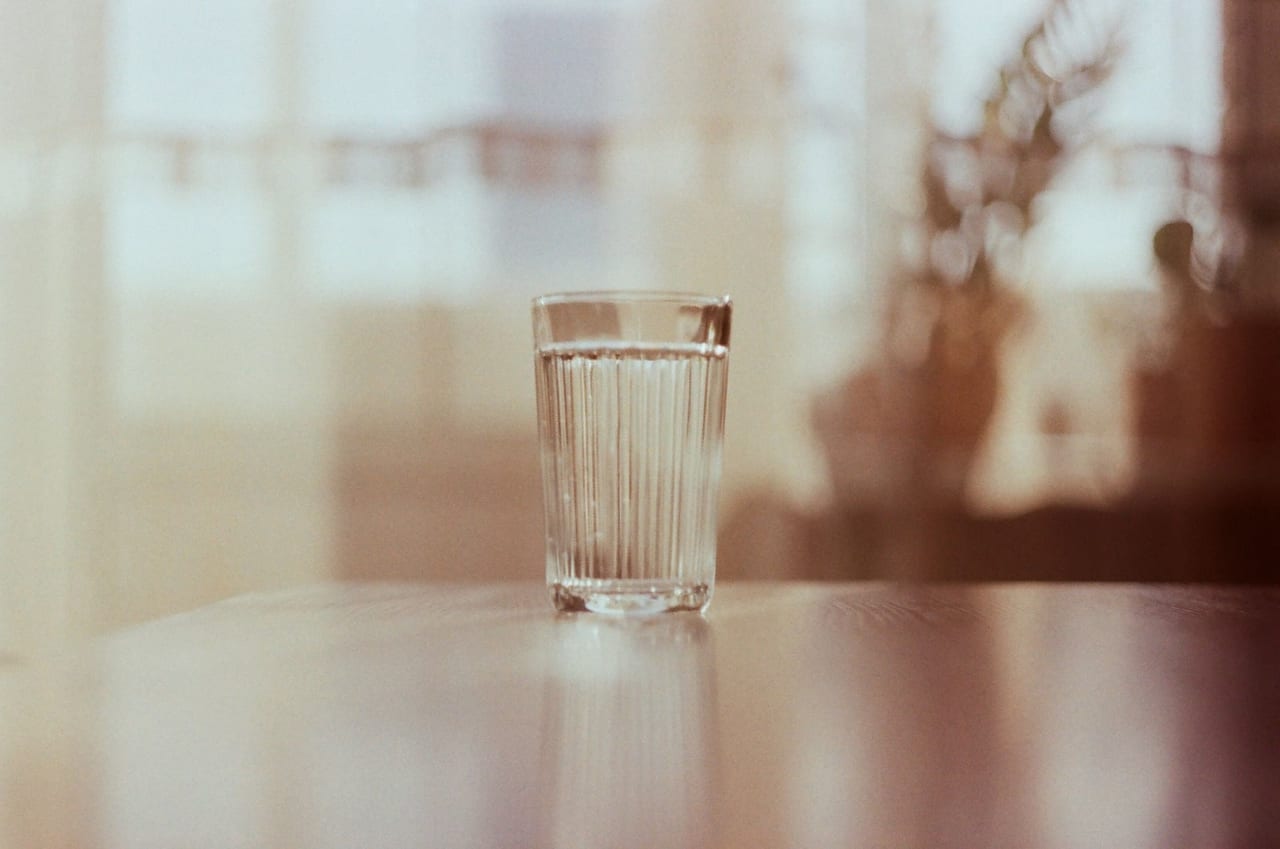
Sip water steadily, and drink more in hot weather or whenever you sweat. Pale yellow urine is a rough sign you're drinking enough.
Stretch your calves and soles before bed
Spend a few minutes on gentle calf and sole stretches in the evening, holding each for about 30 seconds, or as long as feels comfortable. Doing them most days matters more than doing them hard.
Loosen the covers at the foot
Untuck the sheet and blanket at the foot of the bed, or leave them loose, so they don't press your toes into a point all night.
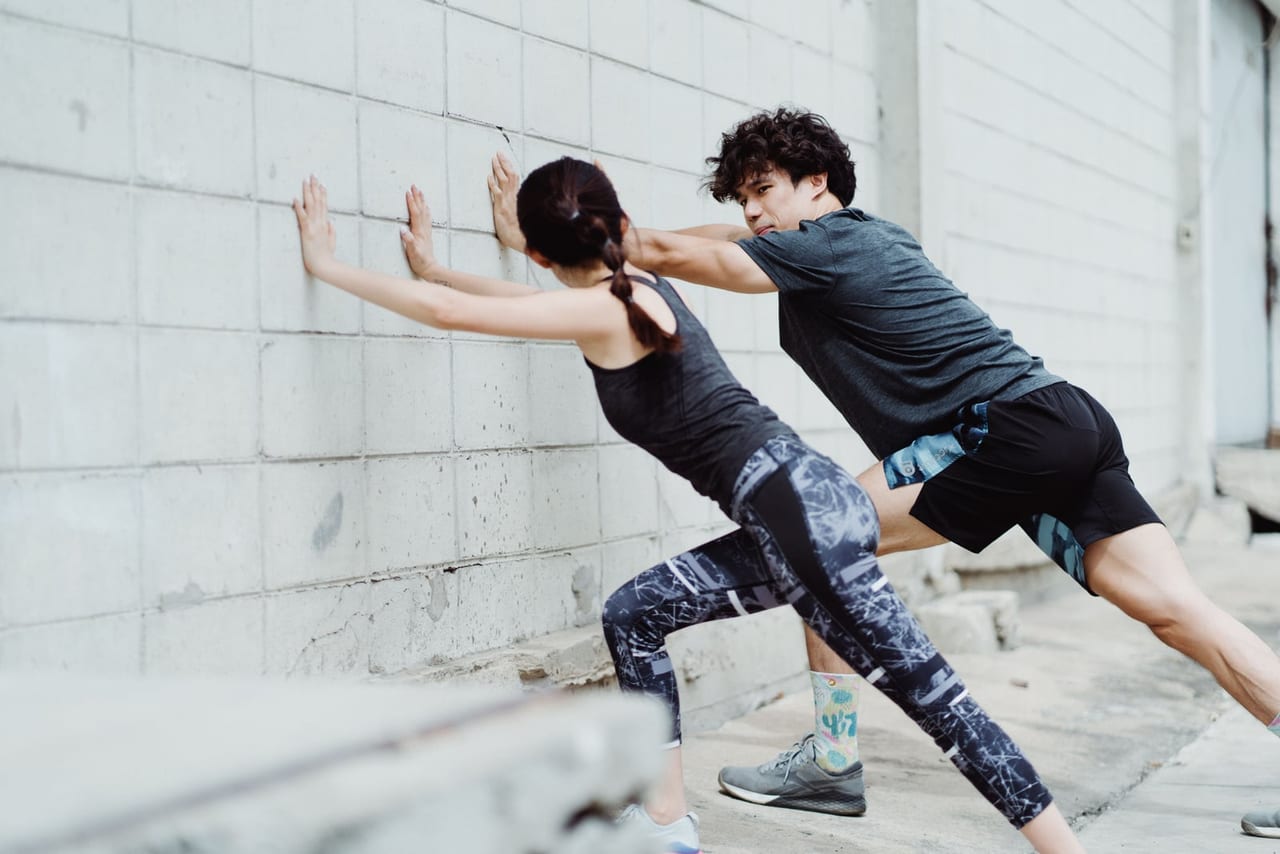
Most cramps pass on their own within minutes whatever you do, so the steps for the moment are about getting through one calmly, not forcing the muscle to give way. The evening habits are a longer game, and with regular stretching it may take a week or more before you notice any change. For the arches in particular, the moves in stretches for the soles of your feet fit into the same few minutes before bed.
Your shoes and the shape of your day
What you wear for hours can quietly add to the load on your foot muscles. A shoe that's too short or too narrow squeezes the toes, and one with little support underfoot can leave the small arch muscles working harder. Look for room to wiggle your toes and some structure under the arch, as what to look for in walking shoes explains. If cramps tend to follow long days in one pair, that pair deserves a closer look.
The rhythm of the day matters as much as the shoes. Muscles asked to do something new, or much more of something familiar, are the ones that tire, so building up a new walking habit over a few weeks can give your feet time to adjust. Long stretches of sitting or standing hold the same muscles in one position, and getting up to walk or rising onto your toes now and then lets them take turns.
When foot cramps may mean something more
An occasional cramp after a hard day, on a hot afternoon or in the night, one that lets go within minutes and leaves only mild soreness, is common and rarely harmful. Cramps also tend to become more frequent with age, and for most people the habits above are a reasonable place to start.
Pay closer attention when cramps stop fitting the everyday picture of a tired muscle. That includes cramps that arrive most nights, hang on after a stretch or have no obvious trigger, and cramps that come with weakness, numbness or swelling. It may still turn out to be minor, but it's worth having a healthcare professional take a look.
Questions people ask
Is a foot cramp the same as a foot falling asleep?
No, although both can catch you after sitting for a long time. A cramp is a muscle tightening on its own, so the foot feels hard, gripped and painful. A foot that has fallen asleep feels numb or tingly instead, and that pins-and-needles feeling is explained in why your foot falls asleep.
Can dehydration cause foot cramps?
It can, especially after heavy sweating in heat or during long exercise. Sip water through the day, and on long, sweaty days a drink that also replaces some salt can be useful. Fluids aren't the whole story, though, so drinking more won't stop every cramp.

The bottom line
A foot cramp feels like your foot turning against you, but it's usually a tired, shortened muscle that has lost track of when to let go. Most of what you can do gives that muscle the opposite of what it's had: length instead of a pointed foot, movement instead of hours in one position, and room instead of tight shoes and tucked-in sheets.