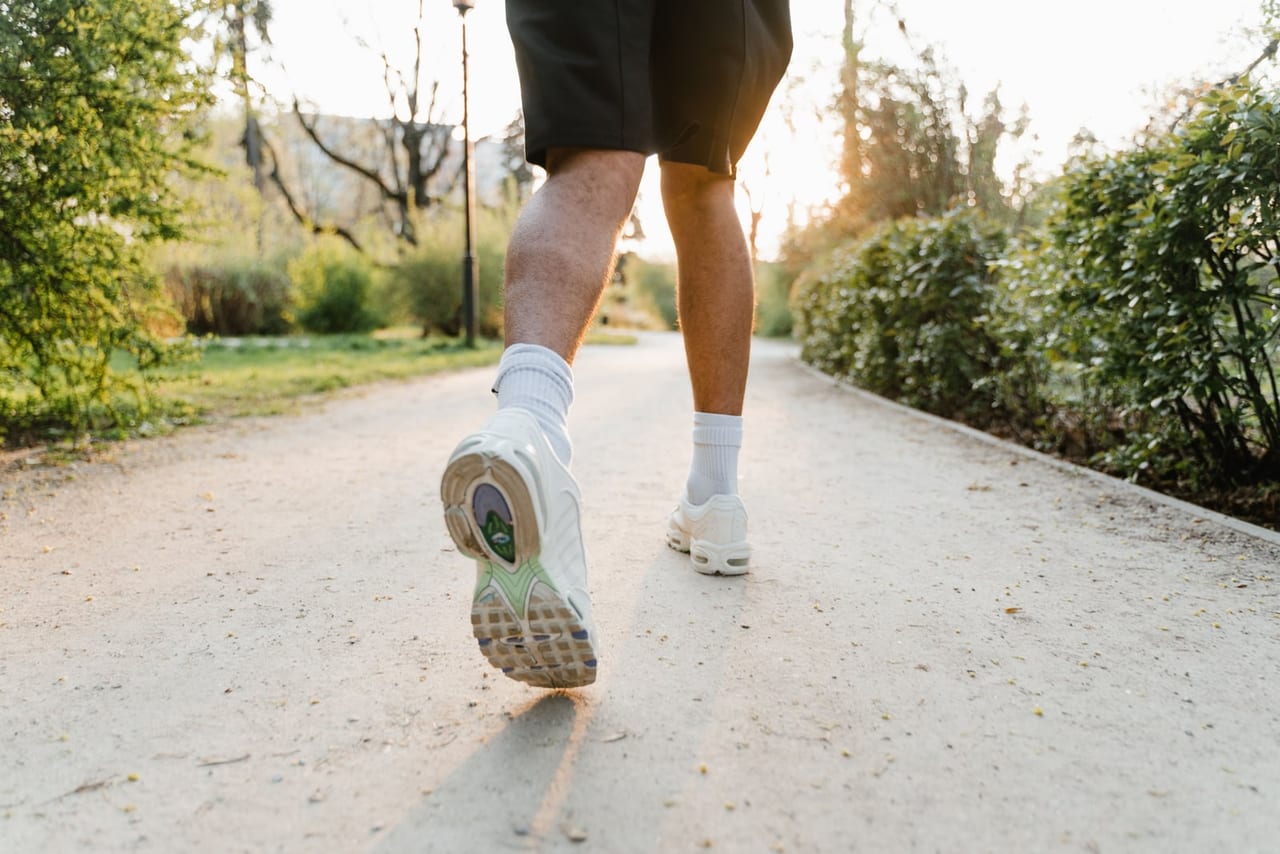
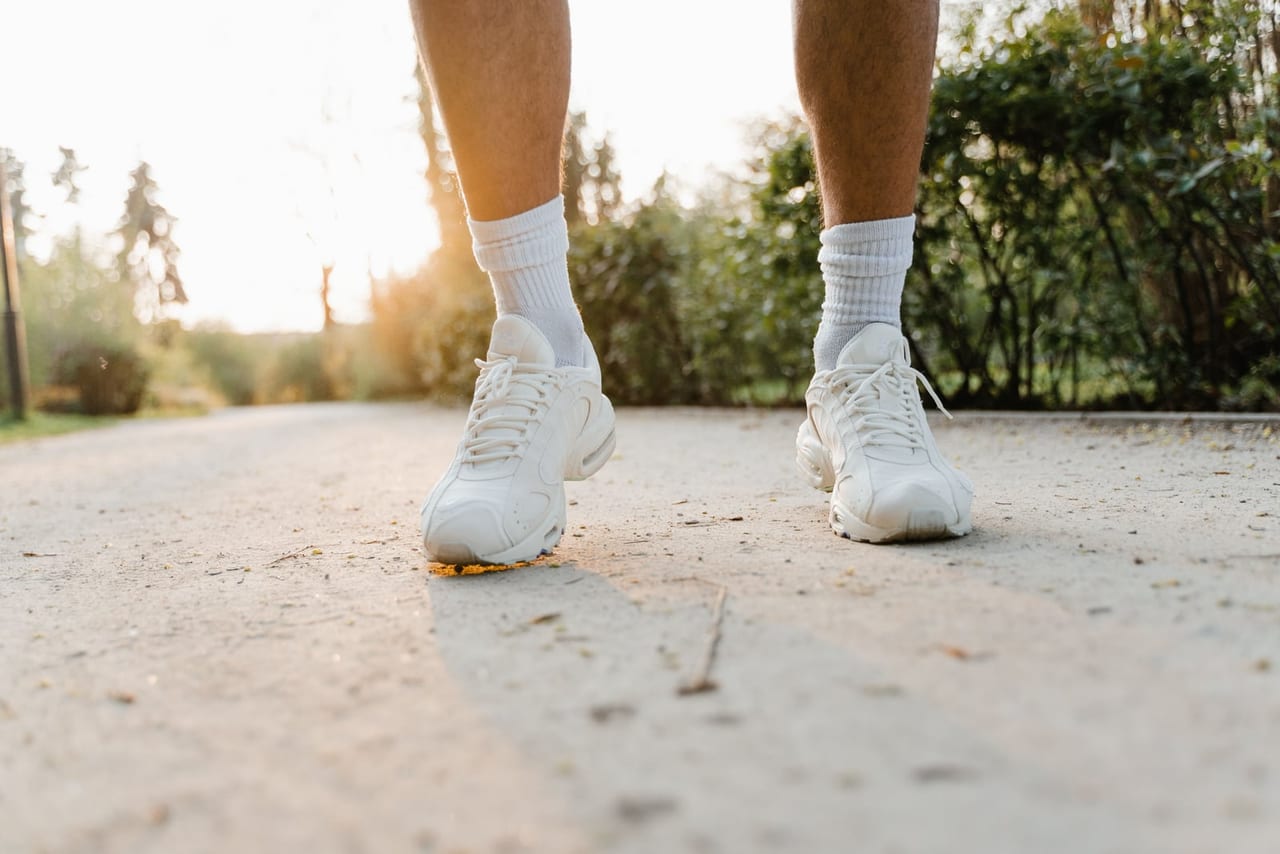
A Cool-Down for Your Feet After a Walk or Run
The last few minutes of a walk or run are the ones most people skip, usually in a hurry to sit down. Slowing down on purpose and then looking over your feet asks for very little time and almost no gear.
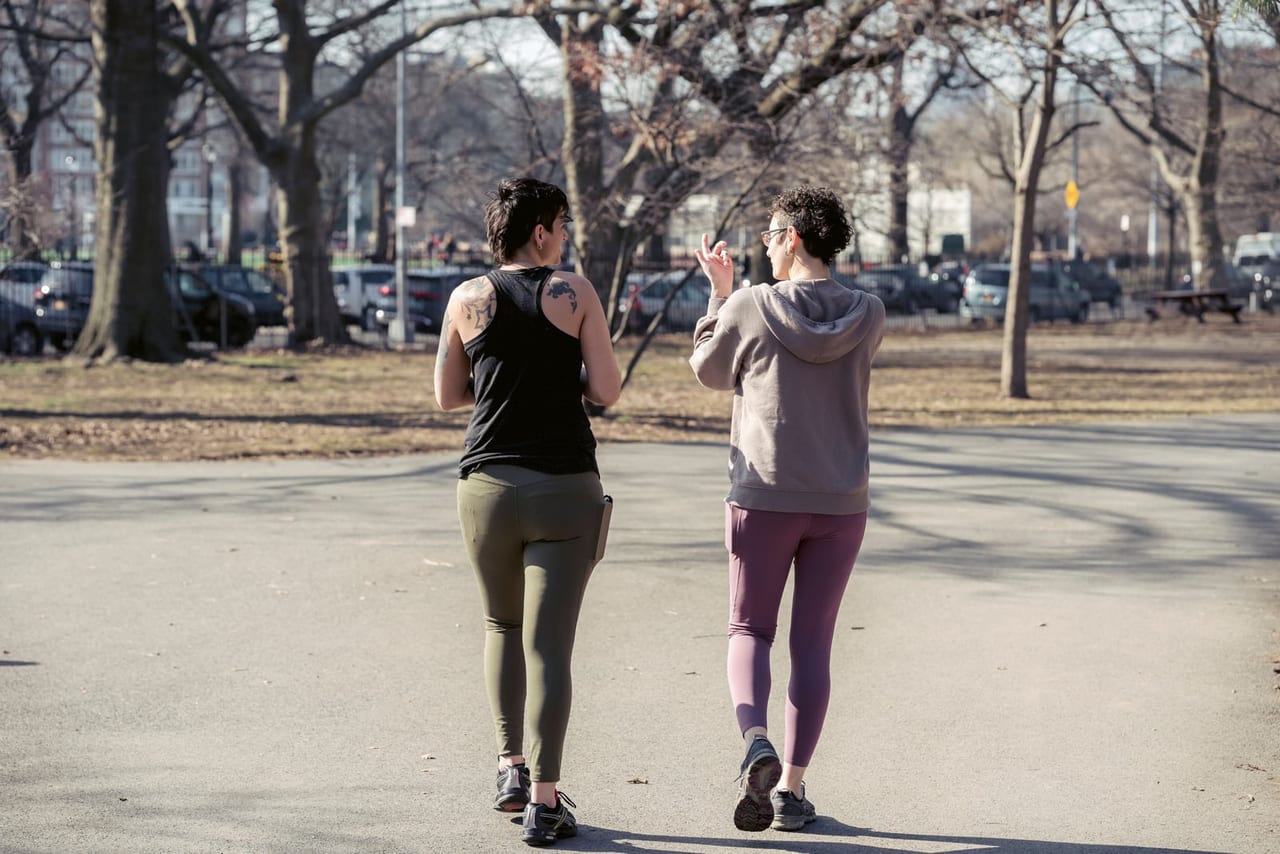
Most walks and runs end the same way: the front door, keys dropped on the counter, shoes kicked off in the hallway, a long drink of water. For a minute or two the legs still hum, the feet feel warm and your breathing is catching up with your heartbeat. It's a natural moment to drop onto the couch, and a perfectly reasonable one.
Still, plenty of walkers and runners wonder whether those few minutes deserve more attention than they get. Coaches and fitness guides have long recommended a cool-down, yet the answer to what it actually does for tired legs is more modest than you might expect. Feet tend to get lost in that conversation, even though they've spent the whole outing inside a warm, closed shoe, taking every step.
The short answer
A cool-down for your feet is a few quiet minutes after a walk or run. Most people slow to an easy walk until their breathing settles, stretch their calves and soles gently while the muscles are warm, take off their shoes and look over their feet, put on dry socks and drink something. The slowing down has a clear purpose, which is letting your heart rate come down gradually. Whether a cool-down changes next-day soreness is less certain, so it's a habit many people like rather than a sure way to feel less sore.
Move slowly and gently, and stop any stretch that doesn't feel right. If you're recovering from an injury or surgery, check with a healthcare professional first. Tired legs and warm feet are common afterward, but pain in one spot that builds, swelling, numbness, or pain that's worse the next morning are reasons to get checked.
What a cool-down does, and what it may not
The idea behind a cool-down is simple. During a brisk walk or run your heart beats faster and your breathing deepens, and stopping suddenly asks your body to change gears all at once. Easing to a slower pace lets your heart rate and blood pressure come back down more gently, which is the part of a cool-down with a clear basis. It's also why the usual suggestion is to keep moving at an easier pace for about five to ten minutes, nearer the longer end after a hard effort.
What a cool-down does for your muscles is less settled. Many people find that easy movement and a gentle stretch leave their legs feeling looser, and that's a fair reason to keep doing it. Whether it reduces soreness the next day or lowers the chance of injury is much less clear: the evidence is limited and mixed, and stretching afterward in particular hasn't been shown to beat simply resting.
None of that makes a cool-down pointless, and the downside is small. It costs a few minutes and ends the outing on a calm note. For your feet it also creates a natural pause, the first chance to see how they fared after an hour in a warm shoe.
A cool-down for your feet, step by step
The routine takes about ten minutes and needs a wall, fence or post to hold, somewhere to sit, a pair of dry socks and something to drink. Move slowly and gently, hold on for balance whenever you stand to stretch, and stop anything that doesn't feel right. People recovering from an injury or surgery, or with balance problems or reduced feeling in their feet, check with a healthcare professional first.
Walk it out
For the last five minutes or so, slow to an easy pace, one where you could chat, and keep going until your breathing has settled. After a hard effort, a little longer is common.
Stretch your calves gently
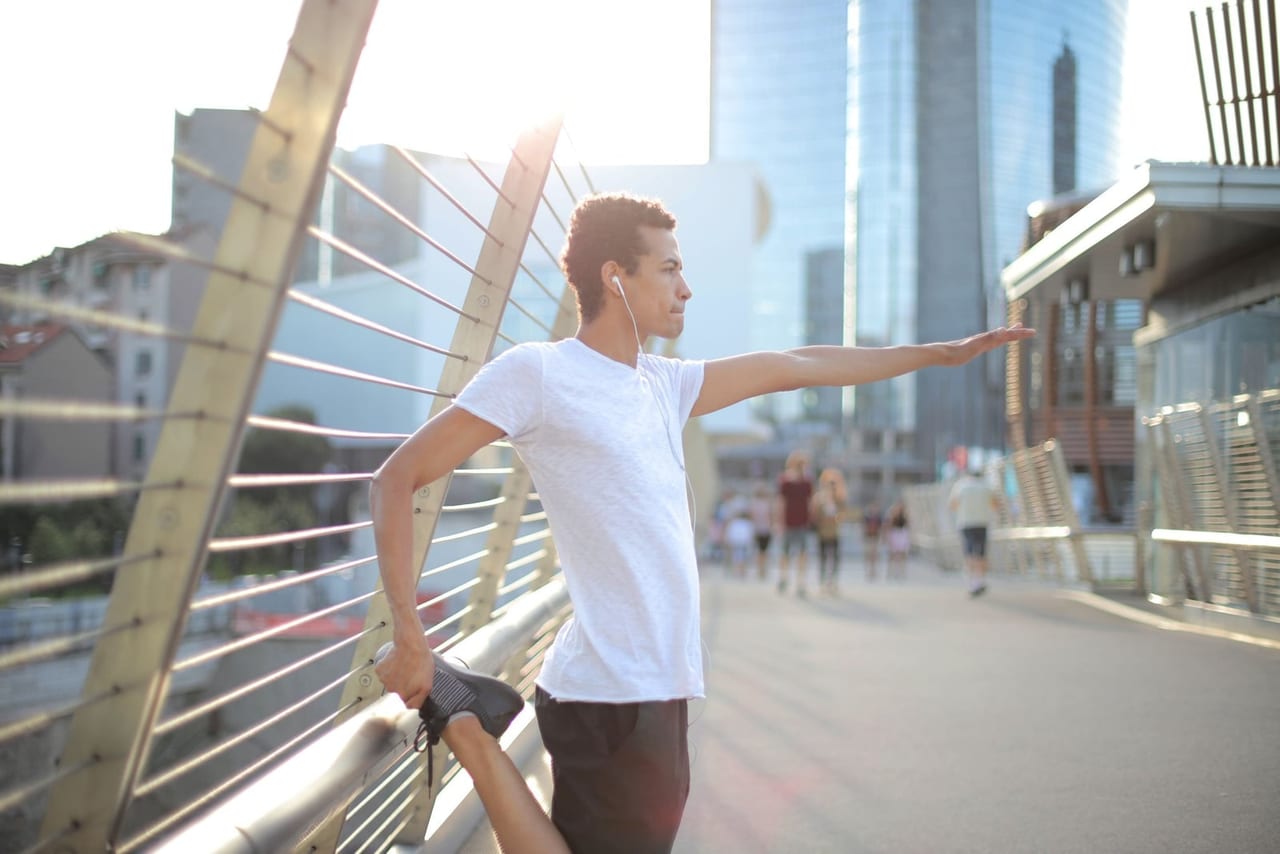
Face a wall, fence or post with your hands on it and step one foot back, knee straight and heel down. Lean in until you feel a mild pull in the calf and hold for 10 to 30 seconds without bouncing, then switch legs.
Stretch the soles of your feet
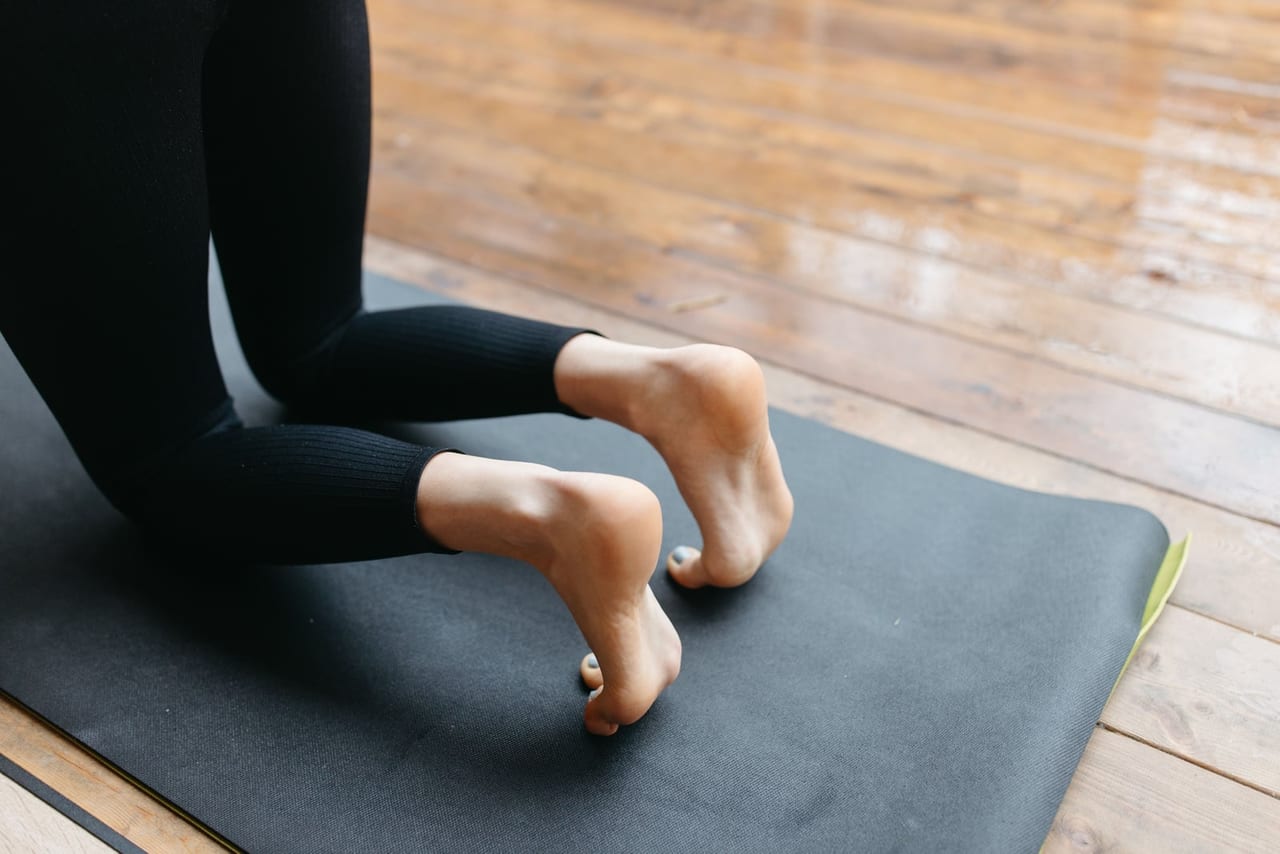
Sit with one ankle across the other knee, hold the toes and ease them back toward your shin until you feel a mild stretch under the arch. Hold for 10 to 30 seconds, release slowly, then switch feet.
Take off your shoes and look
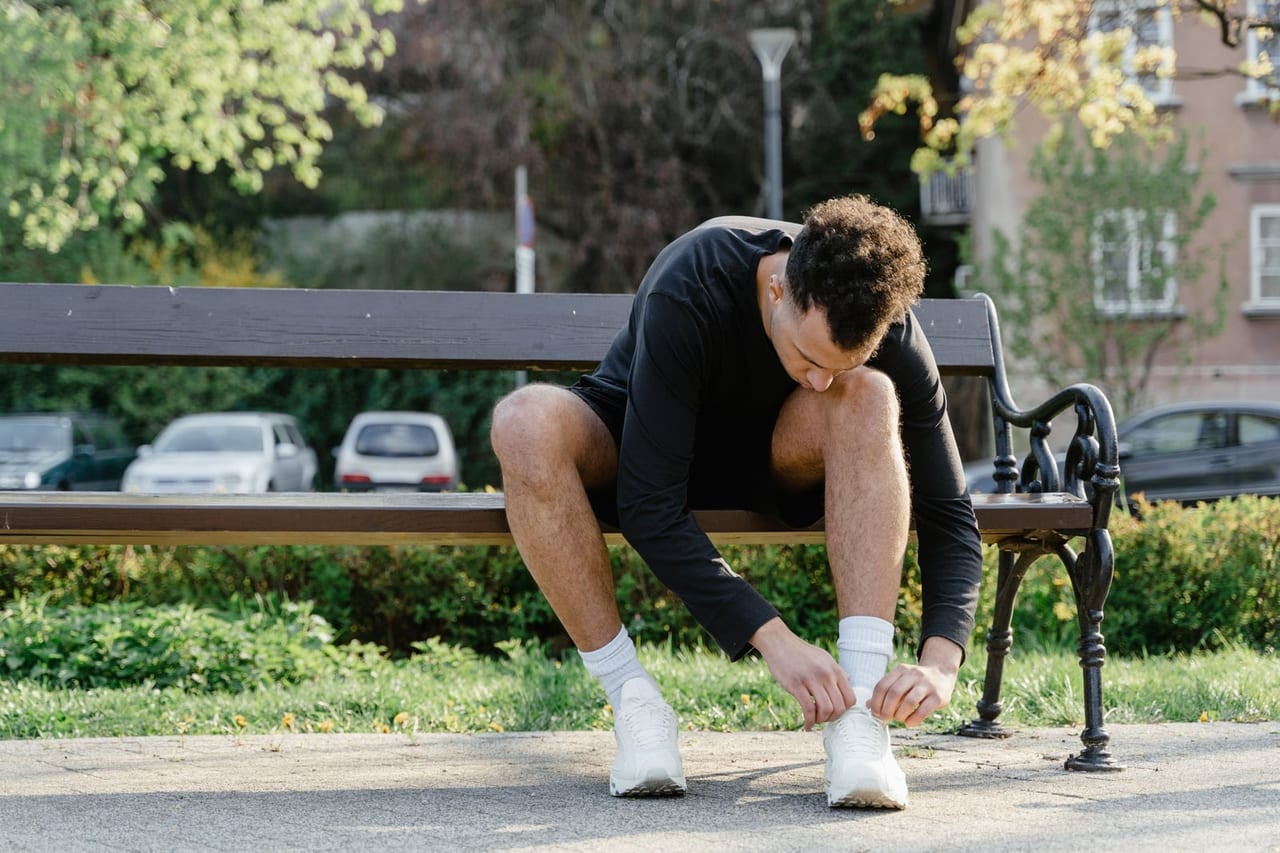
Sit down, take off your shoes and socks, and look over both feet in good light. Notice red or warm spots, pressure marks, a blister starting, and toenails that are sore or have changed color.
Change into dry socks
Put on a dry pair. If your insoles feel damp, take them out and set the shoes where air can reach them, away from heaters and strong sun.
Drink something and sit down
Have a drink of water, and a snack if you're hungry. Then sit with your feet up on a stool or cushion for a few minutes.
The order does some of the work. Easy walking comes first so your breathing can settle, the stretches follow while your muscles are warm, and the shoe-off tasks wait until you're sitting down, when a sore spot is easiest to find. If you'd like more to choose from, stretches for the soles of your feet covers the seated moves in more detail.
What to look for once your shoes are off
Your feet have spent the outing rubbing against socks and shoe linings with every step. A spot that feels warm or slightly tender, a patch of red skin, or a line where a seam or lace pressed are early signs that something is rubbing. They're easier to notice right after you stop than hours later, once the skin has cooled. A spot like that is a cue to look at the socks, the lacing or the fit before the next outing, and why blisters form and how to avoid them goes through what usually causes it.
Damp skin rubs more easily than dry skin, which is the main reason a change of socks belongs in the routine. If yours are soaked with sweat or a puddle, changing them as soon as you can is the common advice, and many people keep a dry pair in the car or the bag for exactly that moment. Taking damp insoles out and leaving the shoes somewhere with air around them also gets the pair ready for the next day.
A drink and something to eat belong here too, since many people are thirsty and hungry after a longer outing, and what to drink for your feet covers the drinks. Putting your feet up for a few minutes is mostly a comfort. Many people find it pleasant after an hour on the move, and there's no need to read more into it than that.
When soreness after a walk or run may mean something more
Some tiredness is ordinary. Heavy legs, tight calves and warm feet are common after an outing that was longer or faster than usual, and muscles can feel sore for a day or two after something new, such as a hillier route or a quicker pace. That kind of soreness is usually spread across the muscles rather than pinned to one spot, and it tends to fade as you move around.
Pay closer attention to pain that sits in one spot and builds as you go, pain that's sore to press on, and pain that's still there, or worse, the next morning. Swelling, numbness or tingling, or a foot that hurts to put weight on, deserves the same attention. Pain that builds with activity in one place on the foot is a pattern described in stress fractures in the foot, and a healthcare professional can tell what is going on. These are reasons to get checked, not to stretch harder or push through.
Questions people ask
How long should a cool-down last?
Five to ten minutes is the range most often suggested, mostly easy walking, then a couple of minutes of stretching if you like, then time to sit down and change your socks. After a short stroll, the last few minutes of a slower pace may be plenty. After a long or hard effort, give it longer.
Do I have to stretch after a walk or run?
No. The easy walking at the end does most of the work of a cool-down, and plenty of people skip the stretching and feel fine. If you enjoy it, the minutes after an outing, when your muscles are warm, are a comfortable time.
Is it normal for my feet to feel warm and tired afterward?
Usually, yes. Feet work hard for the whole outing, often inside a snug, closed shoe, and warm weather adds to it, so warm and tired across both feet is a common way to feel afterward. Warmth, redness or tenderness in one spot, or swelling that doesn't settle, is worth a closer look.
The bottom line
A cool-down is less about what it does to your muscles than about not rushing the moment an outing ends. For a few minutes you let your body come down, you finally see how your feet got on, and you give them dry socks to rest in. It's a small habit with modest aims, which is about the right size for it.