Minimalist Shoes: What to Know Before You Switch
Thin soles, a flat footbed and room for your toes to spread can make an ordinary walk feel new. That change asks more of your feet and calves than it first seems to, and going slowly gives them time to catch up.
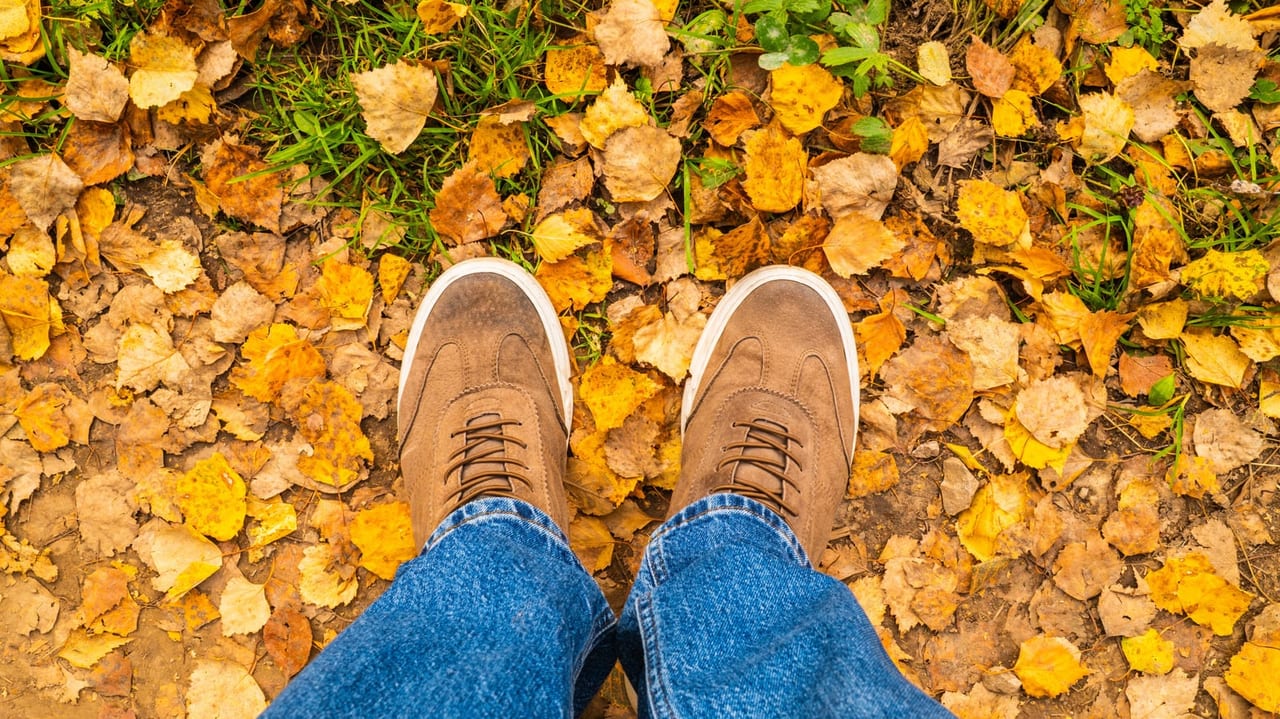
The first steps in thin-soled shoes are often a small surprise. You can feel the grain of the sidewalk and the edge of every curb, and your toes have room to spread instead of meeting in a point. The shoes weigh almost nothing, and walking in them can feel closer to going barefoot than to wearing shoes.
The next surprise tends to arrive a day or two later, often on the stairs. Calves that never complained in your old shoes can feel tight, and the front of your foot may feel as if it worked harder than usual. It's fair to wonder whether that means the shoes are doing their job, or that it's time to stop.
The short answer
Minimalist shoes have a thin, flexible sole, little cushioning, a low heel and a toe box shaped more like a foot. Some people find them comfortable for everyday walking. Whether they make feet stronger or lower the chance of injury hasn't been settled, though, and switching too fast can overload the calves, the Achilles tendon and the bones in the front of the foot.
Ease in with short spells, alternate with your usual shoes and build up over several weeks. Pain that sits in one spot, builds with activity or lasts more than a few weeks deserves a healthcare professional's attention, and with diabetes or reduced feeling in your feet, ask your care team before you switch.
What makes a shoe minimalist
There's no single standard behind the label, but most minimalist shoes share a few traits. The sole is thin and bends easily, and there's little or no cushioning. The heel sits at or close to the height of the forefoot, a design often called zero drop, and nothing is built in to steer or brace the foot, such as a firm arch. The toe box is wide and rounded, shaped more like a foot than the tapered front of many everyday shoes.
A conventional walking or running shoe usually raises the heel above the ball of the foot and adds foam under both. "Barefoot shoes" often means the same thing as minimalist ones, and plenty of shoes fall somewhere in between, with a lower heel and less foam than usual. People choose minimalist pairs for different reasons: some like feeling the ground or the room for their toes, and some just want a light shoe for getting around town. Others hope for stronger feet or fewer aches, and that's where the picture becomes less clear.
What's known so far, and what isn't
Nobody can yet say what these shoes do for feet over the years. With so little underfoot, the small muscles inside the foot and the calf muscles may have more to do on every step, and some people's feet do seem to get stronger as they adapt. Whether that adds up to fewer aches or injuries over time hasn't been shown, and the long-term picture is still unclear.
What's clearer is where trouble tends to show up. Most of the problems linked with these shoes appear during the switch, especially when people run in them or build up quickly. Plenty of people wear minimalist shoes without trouble, and a cushioned shoe hasn't been shown to protect against injury either. So how you switch deserves as much thought as which shoe you choose.
Why your feet and calves need time
Start with the heel. A conventional shoe sets it higher than the ball of the foot, which keeps the calf muscles and the Achilles tendon, the thick cord that joins them to the heel bone, slightly shortened. Take that height away and the calf and tendon stretch further on every step, working through a longer range than they're used to. Over a few miles, or a few days in a row, that extra work can show up as tight or sore calves.
Less cushioning alters the landing as well. The way your foot meets the ground tends to change, particularly when you run, and more pressure lands under the front of the foot, over the long bones that lead to the toes. Bones adapt to a new load too, but when it rises faster than they can keep up with, they can become sore and, in some cases, develop small cracks called stress fractures.
None of this means the shoes do harm on their own. Muscles, tendons and bones generally cope with more work when it grows gradually, with rest between outings. A new walking or running habit starts small for that reason, and so can the switch to minimalist shoes.
How to switch, step by step
Think of the switch as taking up a new activity rather than changing shoes. You'll need the new pair, your usual shoes for the days in between and some patience, since it takes weeks rather than days. The day after an outing often tells you more than the outing itself.
Check the fit before you go out
Try the shoes on later in the day, in your usual socks. Look for about half an inch in front of your longest toe, room to spread your toes, and a heel and midfoot that stay put.
Start with short spells at home
Wear the new pair around the house or on a short errand, then change back into your usual shoes.
Alternate with your usual shoes
Switch back and forth rather than wearing the new pair every day, so your feet and calves have time to recover between outings.
Add time a little at a time
Lengthen your time in the new shoes only when the last outing left you feeling fine the next day.
Step back if soreness builds
If soreness builds from one week to the next, return to shorter spells for a while and build up again more slowly.
Save running for later
Keep running in your usual shoes until walking in the new pair feels ordinary, then add short, easy runs.
Some people add foot and calf exercises along the way, like the ones in simple toe exercises you can do at home. Easy ground helps too: smooth paths and indoor floors are kinder to a thin sole than a rocky trail.
Fit, and who should go carefully
A minimalist shoe still has to fit, and with so little structure, fit carries more weight than usual. Look for about half an inch in front of your longest toe and enough width for your toes to spread without pressing on the sides. The laces or a strap should hold the middle of your foot so it doesn't slide forward, and your heel shouldn't lift out as you walk. If you're unsure of your size, start with how to measure your feet.
For some people the switch deserves a conversation first. With diabetes, reduced feeling in your feet or poor circulation in your legs, a thin sole offers less protection, and you may not feel a stone or a rub until it has left a mark. The same caution applies after foot or ankle injuries or with ongoing foot problems, and people with flat feet or high arches may want more support than these shoes give.
Your day matters as well. For a long shift on a hard floor, many people are more comfortable with some cushioning, so a thin-soled pair may suit the shorter parts of the day better. Running in them is a bigger change again, and how to choose running shoes covers the wider choice.
When soreness may mean something more
Some tiredness or mild soreness in the calves or arches is common in the early weeks, especially after a longer outing. It usually fades within a few days in your usual shoes, and an ache spread across a muscle that eases once you're moving is likely part of adjusting.
Pain that behaves differently deserves closer attention. Pain in one spot on the top of the foot or along a bone, especially if it builds while you're on your feet and eases with rest, can mean a bone is under more stress than it can handle. The same goes for heel pain that keeps returning or pain that's there even at rest, so set the new shoes aside and have it looked at.
Questions people ask
How long does it take to get used to minimalist shoes?
There's no set timetable. For many people it's a matter of weeks, and wearing them comfortably all day, or running in them, can take months, depending on what you wore before and how long you're on your feet. Your feet and calves, not the calendar, are the better guide.
Are minimalist shoes the same as going barefoot?
Not quite. Even a thin sole keeps sharp objects, rough ground and dirt away from your skin while still letting you feel much of what's underfoot. It does protect less than a thicker sole, so stones and uneven ground come through more, especially on trails.
The bottom line
A minimalist shoe hands back to your feet and calves much of the work a conventional shoe was doing for them. The shoe is different from the first step, but the body inside it changes over weeks. The switch tends to go well when the slower of the two sets the pace.