How to Choose the Right Insoles for Everyday Life
The right insole depends less on the insole than on your day and your shoes. Cushioning, support, full length or partial: each suits a different kind of day.
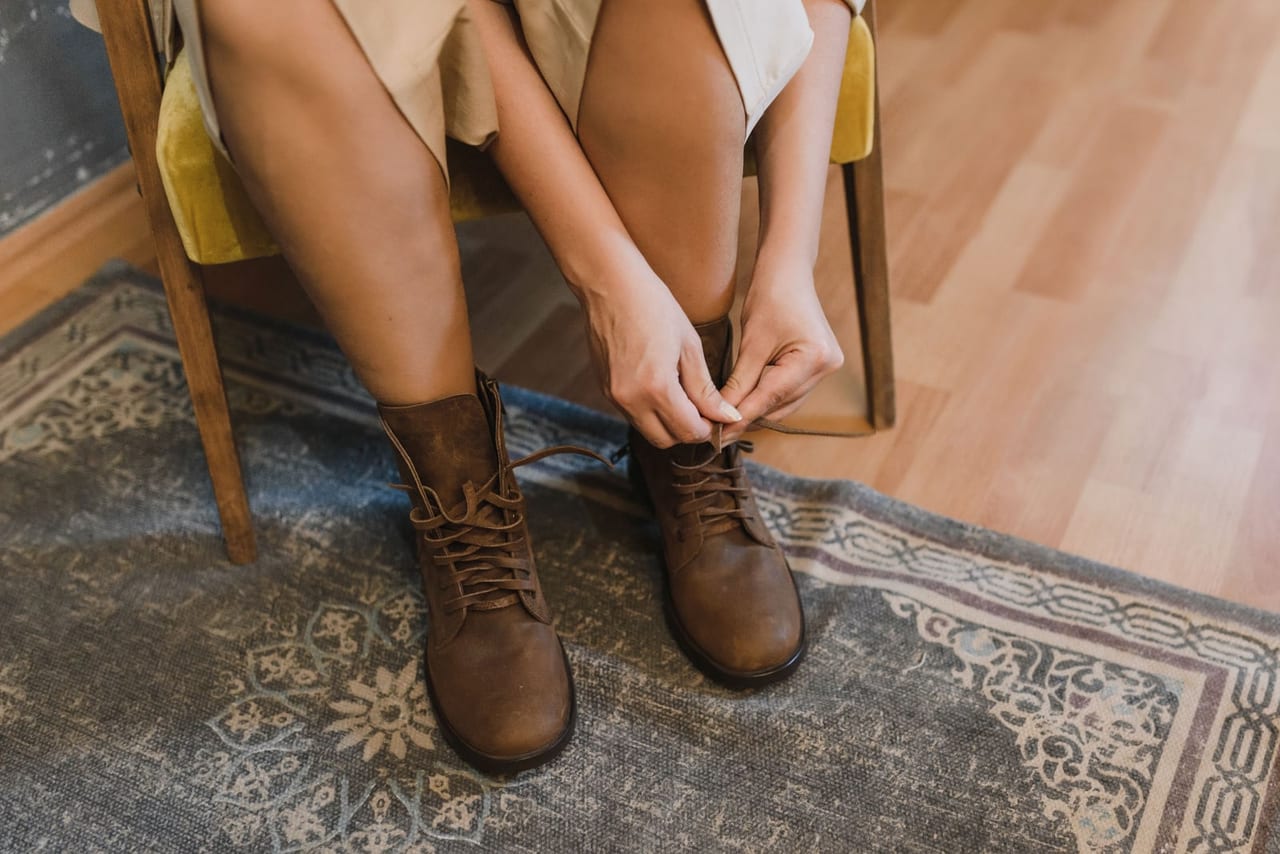
By the end of a long day on hard floors, your heels and the balls of your feet are often the first to tell you about it. An insole is a natural thing to reach for, and the choices can feel endless: soft or firm, thin or thick, gel or foam. What makes it harder is that a pair that feels comfortable in the store can feel wrong in your own shoes by the afternoon. An ache that returns whichever pair you try may not be an insole question at all.
The short answer
Start with your day and your shoes, then choose the insole. Cushioning can make hard floors and long walks feel softer, while support, from a firmer shape under the arch and heel, spreads pressure across more of your foot, and many everyday insoles combine the two. Pick a full-length insole for shoes whose insole lifts out and a thin or three-quarter one for snug shoes, then test them in your own shoes with the original insole out, since a pressure spot you feel at first may not fade. For heel or arch pain that doesn't improve, numbness, or diabetes, talk with a healthcare professional, who can also advise on custom-made inserts.
Why no single insole suits everyone
Insoles differ in cushioning, support, thickness and length, and the right mix starts with how you spend your day. When you stand, most of your weight rests on your heels and much of the rest on the balls of your feet, so hours on hard floors call for cushioning there. Long walks add repeated impact, and heavy boots and long shifts can wear foam out sooner.
Your shoes and your feet narrow the choice further. An insole shares the space inside the shoe with your foot: shoes with a removable insole make room for a full-length replacement, while snug dress shoes and shoes with a glued-in insole leave much less. Arches range from low to high, and many people have one foot a little larger than the other. Your arch can be a starting point, as how to find your arch type explains, but use it as a guide to comfort, not a rule.
What feels right matters as well, and it helps to know that cushioning and support are different things. Cushioning is softness, foam or gel that compresses under each step, while support is shape, a firmer base under the arch and heel that lets the middle of your foot share the load with the heel and the ball. Some people like a soft, cushioned feel and others prefer a firmer insole that holds its shape, and either can be right if your feet feel good at the end of the day.
How to choose insoles, step by step
Allow about 15 minutes, with the shoes you wear most and the socks you usually wear with them. Work through the steps in order: your day decides how much cushioning you need, your shoes decide what will fit, and a test in your own shoes settles it.
Start with your day
Think about where the insoles will spend their hours: hard floors, long walks, work boots or a mix. Long days on hard floors call for cushioning under the heel and the ball of the foot.
Look inside your shoes
Try lifting out the original insole. If it lifts out, a full-length insole can take its place; if it is glued in or the shoe is snug, look for a thin or three-quarter insole.
Choose cushioning, support or both
For hard floors, look for cushioning that springs back. If your shoes feel flat by afternoon, add a shaped arch and a heel cup; many everyday insoles combine both.
Get the size and length right
Choose by your shoe size. If the insoles are trim-to-fit, cut them to the outline of the original insole so they lie flat from heel to toe.
Test them in your own shoes
Put them in the shoes you will wear, with your usual socks, and walk around. A pressure spot you notice now may not fade with wear.
Ease in, then watch for wear
Wear them for an hour or two at first and build up. Check them every few months: a heel that stays flat or a heel cup that has lost its shape means a new pair is due.
How long a pair lasts depends on the insole, how many hours you wear it, your weight and the work you do, which is why the check every few months is worth keeping. A pair is due for replacing when the cushioning stays flat or the heel cup has lost its shape.

Matching the insole to the shoe
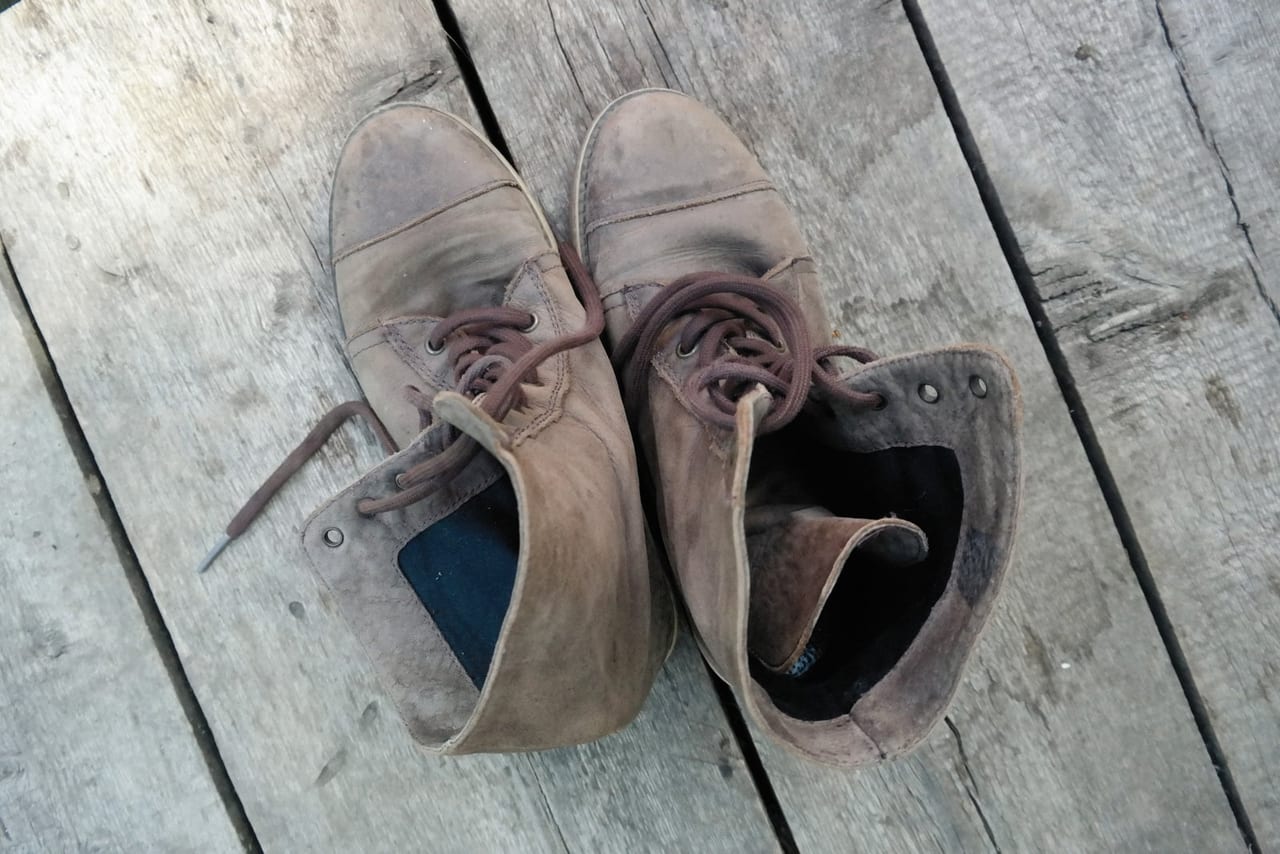
An insole can add comfort and support, but it can't change the structure of your feet or rescue a shoe that doesn't fit, so choose for the shoes you wear most. Sneakers and walking shoes are usually the easiest fit, with an insole that lifts out and room for a full-length replacement. Work boots are often roomy enough for extra cushioning and a deep heel cup; if yours have an electrical-hazard or static-dissipative rating, check the boot maker's guidance before you swap the insole, and there's more in insoles for work boots.
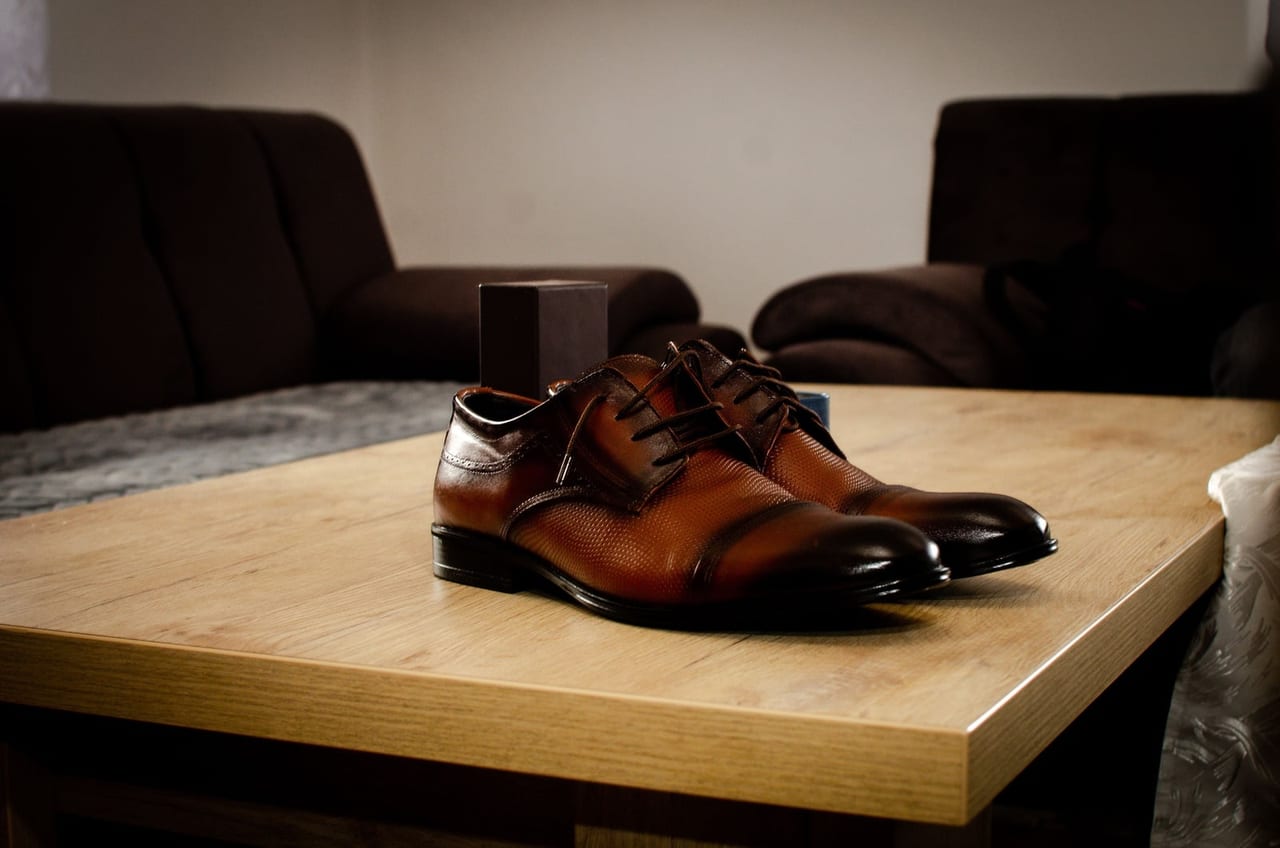
Casual and dress shoes are often cut close to the foot, so a thin full-length insole or a three-quarter one usually fits better than a thick one. A full-length insole runs from heel to toe and replaces the original insole, while a three-quarter insole supports the heel and arch and stops short of the toes, so it fits more shoes.
Slip-ons and sandals have little room and nothing to adjust, so a heel pad or a thin insole may be all that fits, and heel cups or heel pads cushion just the heel. Across all of these shoes the rule is the same: the less room a shoe leaves, the thinner or shorter the insole has to be.
When foot discomfort may mean something more
Some awareness of a new insole in the first days is common, especially while you ease in for an hour or two at a time. Ordinary tiredness after a long day that eases with rest is common too. Neither is a reason for concern on its own. What's worth telling apart is a general awareness that fades over those first days and a pressure spot in one place that doesn't. The second is a reason to recheck the size, the trim and the shoe, not to keep wearing the pair and hope it settles.
Pay closer attention if heel or arch pain keeps coming back, affects one foot far more than the other or builds over several weeks, or if you notice numbness or tingling. Insoles aren't the answer to every foot problem, and a healthcare professional can look at what's going on.
Questions people ask
Should insoles be soft or firm?
Often a mix: soft where your foot lands, under the heel and the ball, and firmer under the arch, where the insole needs to hold its shape. An insole that's soft everywhere can feel wonderful in the store and flat by evening, while a very rigid arch can feel harsh. The layers behind all this are in what insoles are made of.
Do I need arch support if I have low arches?
Not always. Some people with low arches find a supportive insole feels steadier, and others are comfortable without one. Try a pair in your own shoes and let comfort guide you, and talk with a healthcare professional if your feet hurt.
Are off-the-shelf insoles the same as custom-made inserts?
No, they're different. Off-the-shelf insoles come in standard shapes and sizes, while custom-made inserts are prescribed by a healthcare professional and shaped to your feet. For foot pain that doesn't go away, a professional can advise which of the two suits you.
The bottom line
The endless choices narrow quickly once you know what your day asks of your feet and how much room your shoes leave, and the final test is never the shelf. An insole earns its place in your own shoes, over your own afternoon, by still feeling right when the day is done.