Bunions: What They Are and How to Live With Them
A bump at the base of the big toe can turn a favorite pair of shoes into a daily negotiation. It's one of the most familiar changes in the shape of the foot, and it carries more than its share of myths about shoes and surgery.
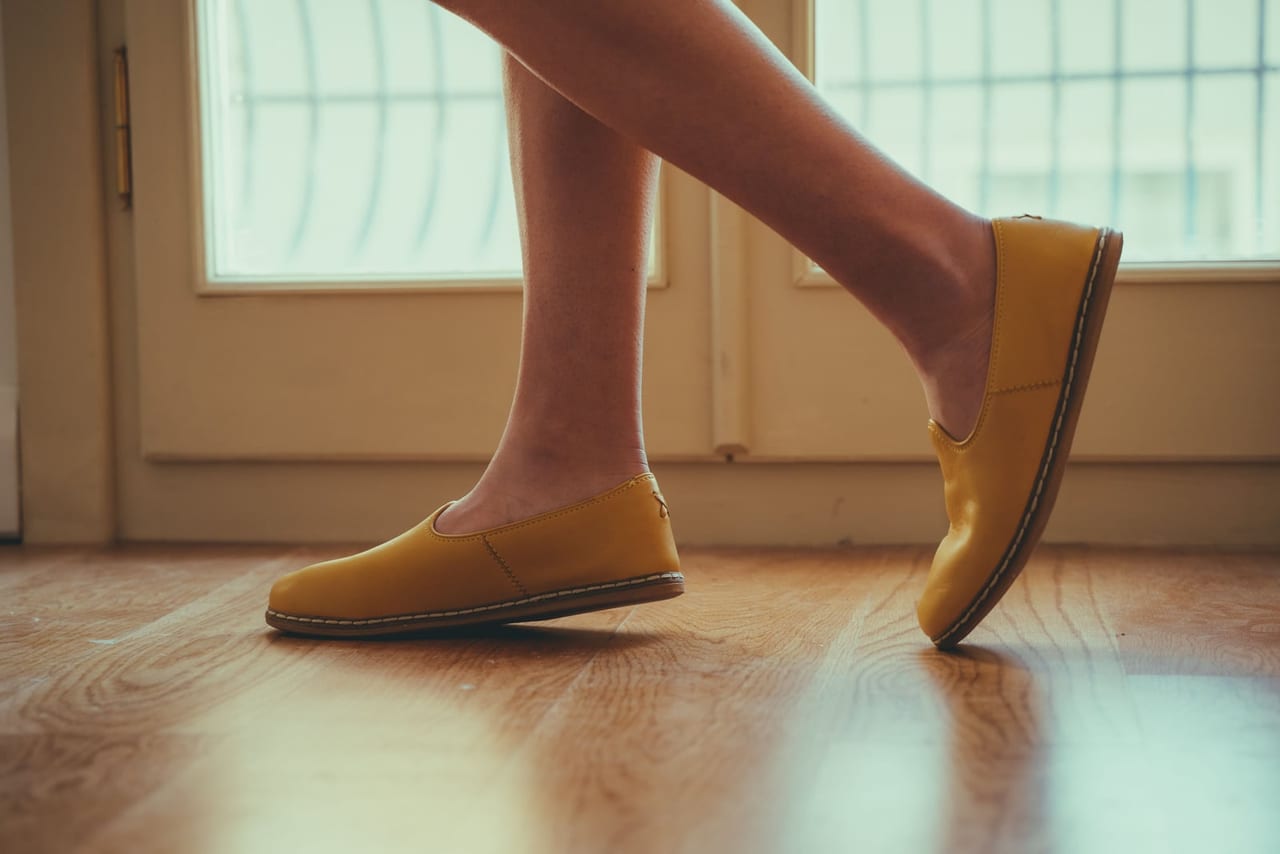
Sometimes the shoe gives it away first. The leather bulges along the inner edge, just behind the big toe, and a pair that felt right in the store presses on that one spot by midafternoon. Then a look at the bare foot shows a knob at the base of the big toe, and the toe itself leaning toward the one beside it.
It's natural to wonder how long it has been changing. Are years of narrow shoes to blame, and does the only road ahead run through an operating room? A bump you can see and press on makes it easy to imagine the worst.
The short answer
A bunion is a bony bump on the inner edge of the foot, where the joint at the base of the big toe has shifted and the toe leans toward the second toe. It's linked to the shape of the foot, which tends to run in families. Tight, narrow or high-heeled shoes are thought to make one more likely to form, or more sore once it's there. It usually changes slowly, and not every bunion hurts.
People commonly choose roomy, low-heeled shoes, pad the bump and rest the foot after a long day, habits for comfort that aren't known to change the bones. A healthcare professional can look at the foot and talk through options, including surgery for some people, if the bump hurts, the toe stiffens or walking gets harder.
What a bunion is
The bump sits at the joint where the long bone behind the big toe meets the toe's first bone. In a bunion, that joint drifts out of its usual position. The long bone leans toward the inner edge of the foot, while the toe leans the other way, toward its neighbor. The bump is the joint pushing out, and it mostly reflects a change in how the bones line up rather than a growth added on top.
This is one of the hardest-working joints in the foot. It bends with every step and carries a lot of weight when you stand or walk, so a bump that sits where the shoe presses gets rubbed all day. The change is usually slow, taking years, and some bunions stay mild for a long time. Healthcare professionals call it hallux valgus; a similar bump at the base of the little toe is a bunionette, or tailor's bunion.
What people notice
The most obvious sign is the bump, which can be seen and felt along the inner edge of the foot. The skin over it may look red or feel tender after a day in shoes that press, and the joint can ache, feel stiff or swell, especially after long hours on your feet. A bunion isn't always painful, though, and for some people the main sign is a shoe that no longer fits across the front.
The rest of the front of the foot often shows it too. The big toe may lean into the second toe, or even sit over or under it. Corns or calluses can build up where the toes press together, and cutting, shaving or picking at them isn't advised. The second toe sometimes starts to curl at its middle joint, which is explained in why a toe curls under, and the ball of the foot can become sore as well.
Why bunions form
No single cause explains every bunion, and it isn't fully understood why one person gets one while another doesn't. One thread that keeps turning up is the foot itself. Its shape and the way it moves tend to run in families, and what gets passed down is a foot type, not the bunion itself. Bunions are also more common in women than in men, and more common with age.
Shoes are the other thread, and the less settled one. Tight, narrow or pointed shoes crowd the toes, and high heels push the foot forward so the toes jam into the front; both are linked to bunions. Whether shoes cause the change or mostly speed it up and make it sorer is still debated. The usual picture is a mix, with foot type and shoes both thought to play a part. That makes "it's your shoes" too simple an answer, and "it's all genetics" too. Either way, a bunion isn't a sign of carelessness.
Everyday habits for living with a bunion
These are habits people commonly fold into an ordinary week, and they ask for little more than roomy shoes, a soft pad and a cold pack. Move your toes slowly and gently, stop anything that doesn't feel right, and if you're recovering from an injury or surgery, check with a healthcare professional first.
Choose room and a low heel
Look for a wide, deep toe box, a soft upper and a low heel. Many people find this more comfortable than a narrow, pointed or high-heeled pair, and a lower heel puts less weight on the front of the foot.
Try shoes on late in the day
Feet can be a little larger by evening, so fit shoes then, standing, in the socks you plan to wear.
Pad the bump, space the toes
A soft, non-medicated gel or foam pad can sit between the bump and the shoe, and some people slip a small spacer between the big toe and the second toe. Both need a roomy shoe.
Move your toes gently
Some people fit a few easy toe movements into the day, such as spreading the toes or lifting the big toe on its own. How much they help is uncertain.
Rest and cool the foot
After a long day, sit with your feet up. Some people hold a cold pack wrapped in a towel against the joint for 15 to 20 minutes, never on bare skin.
Nothing on this list is known to change how the bones line up, and how much each habit helps varies from person to person, so people tend to keep the few that suit their day. For more on width and toe-box shape, see how to find shoes that fit wide feet, and for a few gentle toe movements, see simple toe exercises.
What a healthcare professional may do
A visit often begins with a conversation and a look at the foot. A healthcare professional may ask what the foot keeps you from doing, check how the big toe moves and look at the foot sitting and standing. Imaging, often taken while you stand, can show how far the joint has shifted.
From there the talk turns to options, most of them everyday: roomier footwear, padding or a toe spacer, taping, custom-made inserts, easing off an activity that aggravates the foot, and pain medicines. A set of foot exercises or a splint may come up too.
Surgery is one more option. It's usually raised when a bunion keeps hurting despite those steps and gets in the way of everyday life, such as walking. It isn't recommended for looks alone. There are many kinds of operation, chosen to suit how the joint has shifted, and a foot and ankle specialist can explain what each involves.
When a bunion may mean something more
A bump that looks much the same from month to month is the ordinary pattern. So is an ache after a long day in tight shoes that settles once they're off, or a spot that rubs in some pairs but not others. Some people live with a bunion for years while changing little more than their shoes.
Pay closer attention when the pattern changes. Pain that carries on after the shoes come off, a big toe that has gone stiff, or a bump that keeps growing or getting sorer deserves a closer look. So does skin over the bump that has turned red, blistered or broken. Burning or numbness in the toes can have other causes, such as Morton's neuroma, and a healthcare professional can tell what is going on.
Questions people ask
Can a bunion go away on its own?
A bunion is a change in how the bones line up, so it doesn't turn back by itself, and nothing worn or done at home is known to undo it. That doesn't mean every one needs an operation. Many stay manageable with roomier shoes and padding, and a bunion that doesn't hurt usually isn't a reason for surgery.
How long does recovery from bunion surgery take?
It depends on the type of operation and often takes weeks to months. Some people walk on the foot soon afterward, while others are asked to keep weight off it for a time. Full recovery can take up to about six months.

The bottom line
A bunion is easy to read as a failing, of the feet or of the shoes. More often it's a slow change in how the bones behind the big toe line up, shaped by the foot you were born with and the steps taken since. You can't choose that structure, but you can decide, one pair of shoes at a time, how much room the joint gets and how much it's asked to bear.